Renovation delays rarely begin when the first tile is removed. They usually start earlier, with a vague scope, missing approvals, unclear material choices, or a quotation that looked simple but did not include enough detail.
That is why a practical checklist is essential before you appoint home renovation contractors in Dubai. Whether you are upgrading a villa, apartment, kitchen, bathroom, or full interior, the right preparation helps you control cost, protect quality, and reduce disruption at home.
Use this guide as a step-by-step project checklist, from early planning to handover, so you can work with your contractor more confidently and avoid the most common renovation surprises.
Why a contractor checklist matters in Dubai
Dubai renovation projects often involve more than design and construction. Depending on your property type and community, you may need developer NOCs, building management approval, service lift bookings, security access, waste removal coordination, and specific working-hour rules.
A good contractor can guide you through the process, but you still need a clear system for checking what has been agreed. This is especially important when your renovation includes plumbing, waterproofing, electrical work, custom carpentry, flooring, or structural changes.
A checklist gives you three major advantages. First, it helps you compare home renovation contractors on the same basis instead of relying on vague promises. Second, it reduces misunderstandings about materials, finishes, timelines, and payment stages. Third, it gives you clear quality checkpoints before work is covered up or finished.

Start with a clear renovation brief
Before you ask for prices, write a simple renovation brief. This does not need to be a professional design document, but it should explain what you want, what must stay, and what problems you are trying to solve.
For example, “renovate the kitchen” is too broad. A stronger brief would mention whether you want a new layout, new cabinets, appliance relocation, plumbing changes, lighting upgrades, countertop replacement, wall removal, or only a cosmetic refresh.
| Checklist item | Why it matters | What to prepare |
|---|---|---|
| Property details | Contractors need to understand site constraints | Villa or apartment, location, community, floor level, access rules |
| Renovation scope | Prevents missing items in quotations | Rooms included, work excluded, must-have upgrades |
| Pain points | Helps the contractor solve the right problem | Poor storage, outdated layout, leaks, weak lighting, damaged finishes |
| Design direction | Reduces delays in material selection | Reference images, preferred colors, finish style, mood board |
| Budget range | Allows realistic recommendations | Target budget plus contingency |
| Timeline expectation | Helps plan labor, materials, and approvals | Ideal start date, move-in date, travel periods, family needs |
The more specific your brief, the easier it is for contractors to price accurately. It also helps you avoid comparing one basic quote against another quote that includes higher-quality finishes or more technical work.
Shortlist contractors with relevant project experience
Not every contractor is suitable for every renovation. A company that handles small painting jobs may not be the right fit for a full villa remodel with plumbing, joinery, flooring, lighting, and bathroom waterproofing. Likewise, a luxury villa contractor may be overqualified for a simple apartment refresh.
When shortlisting home renovation contractors, focus on relevant experience rather than general claims. Ask to see projects similar to yours in property type, scope, finish level, and technical complexity. A contractor who understands Dubai apartments, villas, and community rules will usually manage the practical details more smoothly.
You should also check whether the contractor can coordinate the services your project requires. For example, a complete home renovation may involve demolition, MEP work, carpentry, wall painting, wooden flooring, kitchen remodeling, bathroom renovation, interior design, and fit-out execution.
If your project is mainly focused on wet areas, such as kitchens or bathrooms, this guide on hiring kitchen and bathroom remodel contractors in the UAE is a useful additional resource for checking scope, approvals, plumbing, waterproofing, and quality expectations.
Verify documents before you proceed
A professional approach starts with transparency. Before committing, ask for basic business and project information. You do not need to make the process uncomfortable, but you do need enough confidence that the contractor can legally and practically handle your work.
Important checks include trade license details, relevant experience, previous project photos, references where possible, and clarity on who will manage your site day to day. For apartment projects, ask how they usually coordinate with building management. For villa projects, ask about developer or community NOC experience if your scope requires it.
You should also clarify whether the contractor uses in-house teams, subcontractors, or a mix of both. Subcontracting is not automatically a problem, but responsibilities must be clear. If something goes wrong with waterproofing, tiling, carpentry, or electrical work, you need to know who is accountable.
Compare quotations beyond the final price
The lowest renovation quote is not always the best value. A low price can mean the contractor has misunderstood the scope, excluded key work, used lower-grade materials, or left several items as “to be confirmed.” These gaps often become variation costs later.
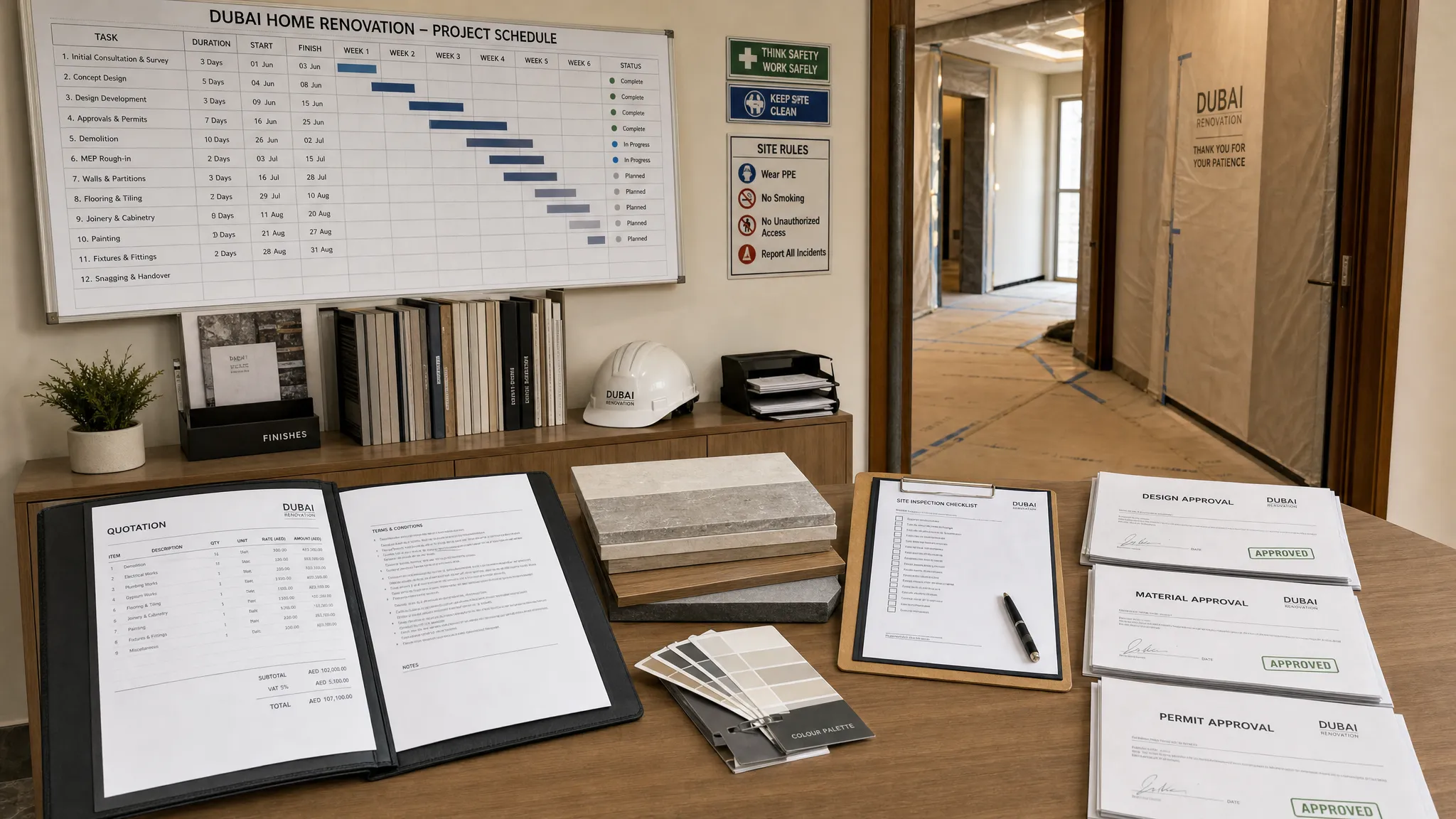
Ask each contractor for an itemized quotation. The quote should make it easy to understand what is included, what is excluded, and what is provisional.
| Quotation section | What to check carefully |
|---|---|
| Demolition and disposal | Waste removal, protection of common areas, debris handling |
| Civil and MEP work | Plumbing, electrical, AC coordination, wall changes, ceiling work |
| Waterproofing | Bathrooms, balconies, kitchens, testing method, warranty terms if offered |
| Flooring and tiling | Tile size, installation pattern, skirting, leveling, adhesive type |
| Carpentry and joinery | Material grade, hardware brand or type, finish, internal accessories |
| Painting and wall finishes | Surface preparation, number of coats, paint type, repair work |
| Fixtures and fittings | Who supplies sanitaryware, lights, switches, handles, appliances |
| Approvals and permits | Who prepares documents, who pays fees, expected timelines |
| VAT and exclusions | Clear total price, exclusions, optional upgrades, provisional sums |
If two quotes are very different, do not choose immediately. Ask both contractors to clarify assumptions. A detailed but slightly higher quotation can be safer than a vague low quotation that leaves too much open.
Agree on drawings, materials, and specifications
A smooth renovation depends on decisions being made before work begins. Delayed decisions on tiles, sanitaryware, paint colors, cabinet finishes, lighting, or flooring can slow the entire project.
For larger projects, request drawings or marked layouts. These may include floor plans, electrical layouts, lighting positions, plumbing points, ceiling details, joinery drawings, and tile layouts. For smaller projects, a written specification with clear measurements and material choices may be enough.
Material samples are especially important in Dubai homes because lighting, humidity, dust, and daily wear can affect how finishes look and perform. A flooring sample that looks warm in a showroom may look very different in your living room. A cabinet finish that looks elegant in photos may show fingerprints easily in a busy family kitchen.
Confirm your materials in writing before procurement. This reduces the risk of substitutions and helps the contractor order on time.
Lock the contract before site work starts
A proper contract protects both homeowner and contractor. It should not be treated as a formality. If something is important to you, make sure it is written down.
Your agreement should include the scope of work, approved quotation, payment schedule, project timeline, start date, responsibilities for approvals, material specifications, variation process, and handover conditions. It should also explain how delays will be handled, especially when delays are caused by late client decisions, unavailable materials, approval requirements, or unexpected site conditions.
Payment schedules should be linked to project milestones, not only dates. This helps ensure progress is visible before the next payment is released. Avoid paying too much upfront unless it is clearly tied to material procurement or mobilization.
Confirm Dubai approvals and building rules
Approvals can make or break a renovation schedule. Requirements vary depending on the property, community, freehold developer, building management, and scope of work. Cosmetic work may be simple, while layout changes, plumbing modifications, AC changes, electrical upgrades, or structural alterations may require formal review.
Before work begins, clarify these points with your contractor and building management:
- Whether an NOC is required from the developer, owners association, or building management.
- Whether drawings, method statements, insurance documents, or contractor IDs are needed.
- Which working hours apply for noisy work, quiet work, weekends, or public holidays.
- How service lifts, loading bays, parking, and security access will be arranged.
- How debris removal, skip placement, and common-area protection will be managed.
Starting work without the right approval can lead to stoppages, fines, neighbor complaints, or forced rework. A reliable contractor should help identify approval requirements early, but homeowners should still confirm the process before demolition begins.
Prepare the site properly
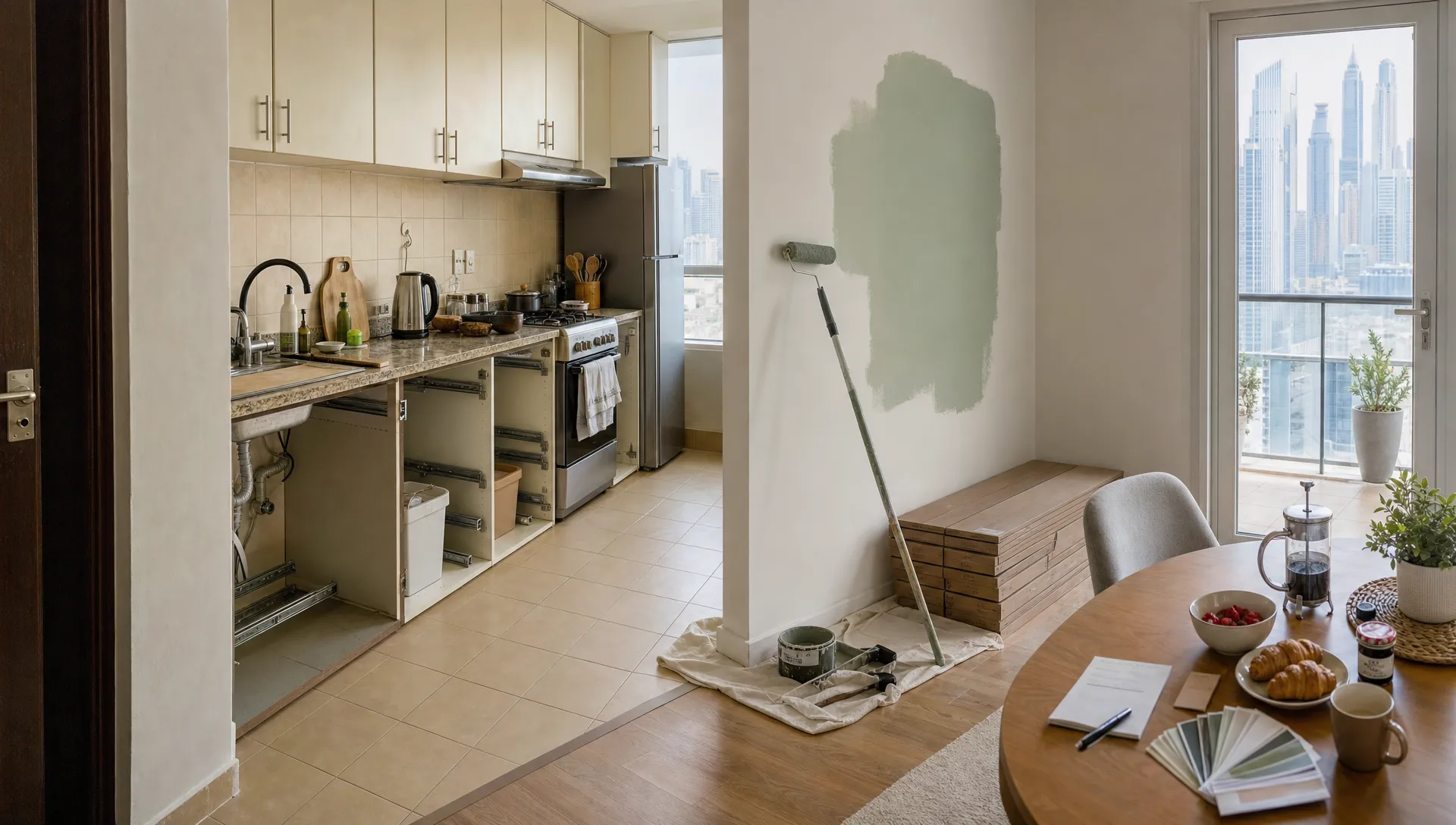
Site preparation is one of the most overlooked parts of renovation. It may not look exciting, but it prevents damage, conflict, and unnecessary cleaning costs.
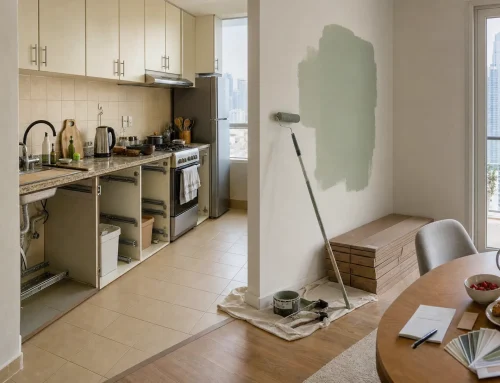
For apartments, check how corridors, lifts, lobby areas, and parking zones will be protected. For villas, clarify access routes, material storage areas, garden protection, and whether any outdoor surfaces need temporary covering.
| Pre-start item | What good preparation looks like |
|---|---|
| Existing condition record | Photos of walls, floors, doors, windows, common areas, and nearby finishes |
| Protection works | Floor protection, dust sheets, door covering, lift and corridor protection if required |
| Utility planning | Safe isolation or relocation of water, power, gas, and AC-related services where needed |
| Neighbor and management notice | Communication before noisy or disruptive work begins |
| Material storage | Dry, secure, organized area that does not block access or emergency routes |
| Waste plan | Clear process for removing debris without damaging common areas |
A clean and organized site is often a sign of a well-managed project. If the site becomes chaotic in the first few days, raise the issue early.
Set communication rules from day one
Many renovation problems are communication problems. A homeowner assumes one thing, the site team assumes another, and by the time someone notices, the work is already complete.
Agree on one main contact person from the contractor’s side. This could be a project manager, site engineer, or supervisor. Avoid giving instructions to multiple workers directly, because messages can get lost or misunderstood.
Set a rhythm for updates. For a small project, two or three updates per week may be enough. For a full home renovation, weekly site meetings are useful. Confirm important decisions by message or email, especially changes to materials, layout, cost, or timeline.
If you request a change, ask for a written variation before work proceeds. The variation should show cost impact, timeline impact, and any related material changes. This keeps the project transparent and avoids tension at the final payment stage.
Inspect work at key milestones
Do not wait until the end to check quality. Some of the most important work is hidden behind tiles, ceilings, cabinets, and paint. Once covered, it becomes harder and more expensive to fix.
| Project milestone | What to inspect before moving forward |
|---|---|
| After demolition | Hidden damage, cracks, leaks, actual site dimensions, unexpected structural or MEP issues |
| Before closing walls or ceilings | Plumbing routes, electrical points, AC coordination, access panels |
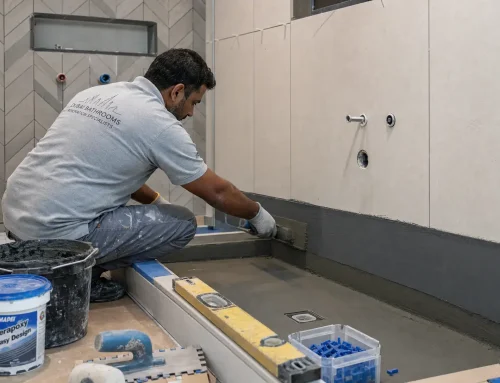
| After waterproofing | Coverage, corners, drains, upstands, testing before tiling |
| Before tiling | Tile layout, slope to drain, niche positions, grout color, edge trims |
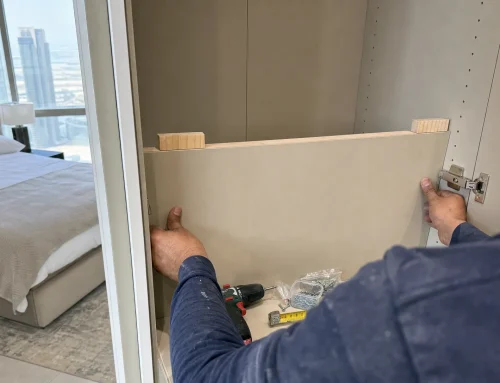
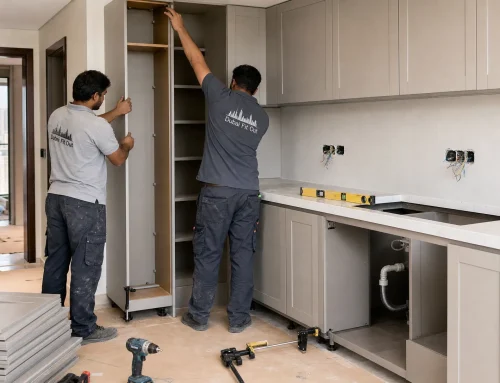
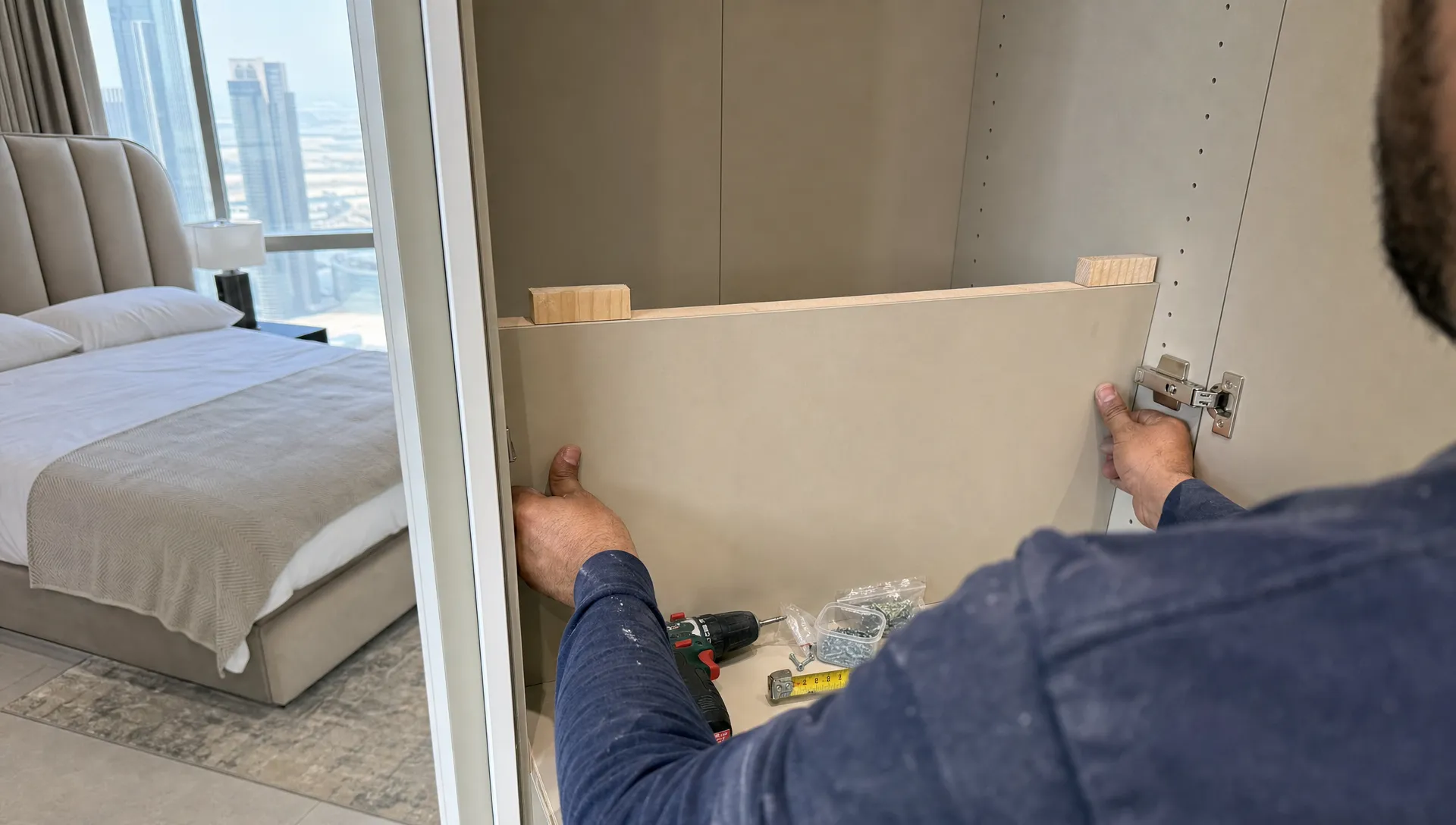
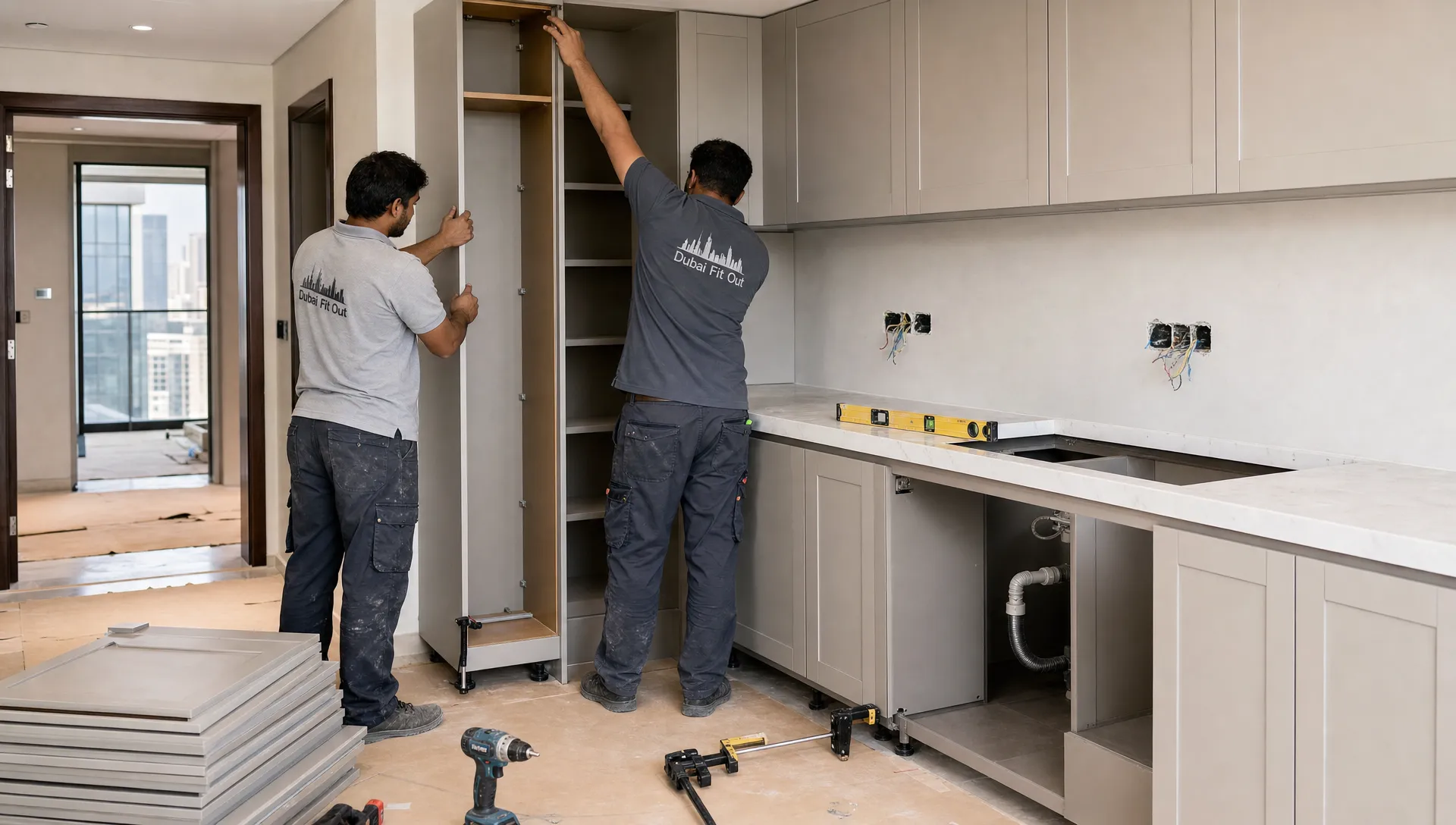
| During carpentry installation | Measurements, alignment, hardware, door swing, internal storage details |
| Before final painting | Surface preparation, cracks, sanding, primer, protection of finished items |
| Before handover | Function testing, finish quality, cleaning, snag list completion |
For bathrooms, kitchens, laundry areas, and balconies, waterproofing deserves special attention. A beautiful bathroom can still fail if the waterproofing, slope, drainage, or plumbing connections are poorly executed.
Keep control of budget and variations
Even well-planned renovation projects can change. Once demolition begins, hidden issues may appear, such as damaged pipes, uneven floors, weak walls, old wiring, or water damage. The goal is not to avoid every variation, but to control them properly.
Keep a simple variation tracker. Record the requested change, reason, approved cost, timeline impact, and approval date. This is especially helpful for larger home renovations where many small changes can add up quickly.
A sensible contingency is also important. Many Dubai homeowners keep around 10 percent to 15 percent aside for unexpected issues or upgrades. The exact amount depends on the age of the property, complexity of the scope, and how many hidden services are involved.
Plan the handover and snagging process
Handover should be more than receiving the keys and walking through the home quickly. It is your final opportunity to check workmanship, operation, safety, and completion against the agreed scope.
Prepare a snag list room by room. Check doors, drawers, handles, paint edges, grout lines, silicone joints, lights, switches, water pressure, drainage, cabinet alignment, flooring transitions, and wall finishes. Run showers, taps, appliances, exhaust fans, and any smart systems included in the scope.
Ask the contractor to confirm when snag items will be completed. For larger projects, it is better to do one detailed snagging inspection rather than sending scattered comments every few hours. This helps the team resolve issues in an organized way.
You should also collect important handover items, such as paint codes, product manuals, warranty documents where applicable, spare tiles, spare flooring pieces, and maintenance guidance for special finishes.
Red flags to watch for
Most renovation stress can be avoided by paying attention to warning signs before and during the project. One small issue does not always mean the contractor is unreliable, but repeated problems should not be ignored.
Common red flags include vague quotations, pressure to start without approvals, refusal to put changes in writing, no clear site supervisor, unusually low pricing, constant material substitutions, poor site cleanliness, and missed milestones without explanation.
Another warning sign is a contractor who agrees to everything immediately without checking feasibility. Professional home renovation contractors should ask questions, explain constraints, and help you make practical decisions. If no one challenges unrealistic timelines, missing drawings, or unclear materials, problems may appear later.
Quick home renovation contractors checklist
Use this summary before signing and again before work starts.
| Stage | Key checks |
|---|---|
| Planning | Clear brief, budget range, priority list, design references |
| Shortlisting | Relevant experience, similar projects, clear point of contact |
| Quotation | Itemized scope, materials, exclusions, VAT, provisional items |
| Contract | Payment stages, timeline, variation process, handover terms |
| Approvals | NOC requirements, building rules, access, work hours, waste process |
| Site setup | Protection, photos, storage, utilities, management coordination |
| Construction | Milestone inspections, written updates, quality checks |
| Handover | Snag list, testing, manuals, spare materials, final cleaning |
Frequently Asked Questions
How early should I contact home renovation contractors in Dubai? Ideally, start discussions at least several weeks before your preferred start date. Larger villa or apartment renovations may need more time for design, quotations, approvals, material selection, and scheduling.
Do I need approvals for every home renovation project in Dubai? Not always. Simple cosmetic work may require minimal approval, but changes involving plumbing, electrical work, AC, layout, structural elements, or building access often need permission from building management, the developer, or relevant authorities. Requirements depend on your property and scope.
What should be included in a renovation contractor quote? A good quote should include itemized scope, labor, materials, specifications, exclusions, VAT, provisional sums, payment stages, estimated timeline, and responsibilities for approvals or material supply.
Is it better to hire separate trades or one renovation contractor? For small tasks, separate trades may work. For full home renovation, villa renovation, kitchen remodeling, bathroom renovation, or fit-out work, one responsible contractor can make coordination easier and reduce gaps between trades.
How can I avoid renovation delays? Finalize your scope, materials, drawings, approvals, and access arrangements before work starts. During the project, make decisions quickly, approve variations in writing, and inspect key milestones before work is covered.
Plan your renovation with confidence
A smooth renovation is built on clear scope, careful contractor selection, detailed documentation, proper approvals, and consistent quality checks. When each stage is managed properly, your project becomes less stressful and the final result is more likely to match your expectations.
Best Renovation provides high-quality residential and commercial renovation services in Dubai, including home renovation, villa renovation, kitchen remodeling, bathroom renovation, interior design, fit-out solutions, plumbing, carpentry, wooden flooring, and wall painting.
If you are preparing a renovation and want experienced support from planning to finishing, contact Best Renovation to discuss your project and create a practical plan for your home.