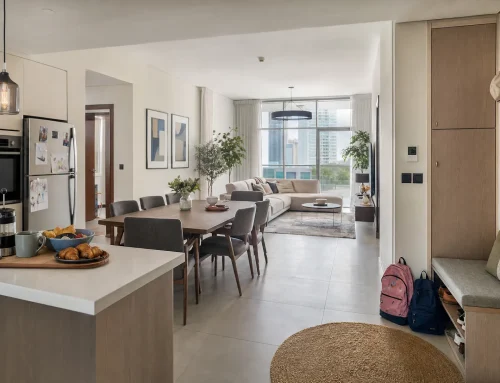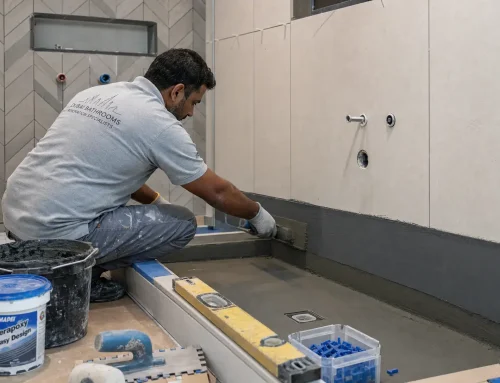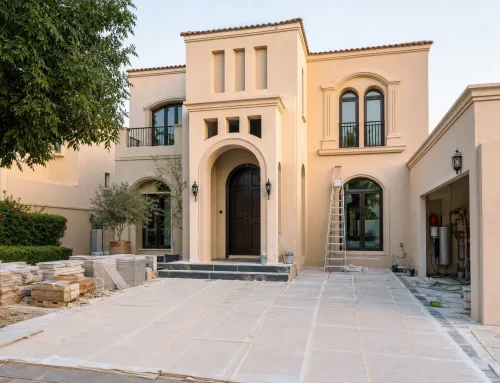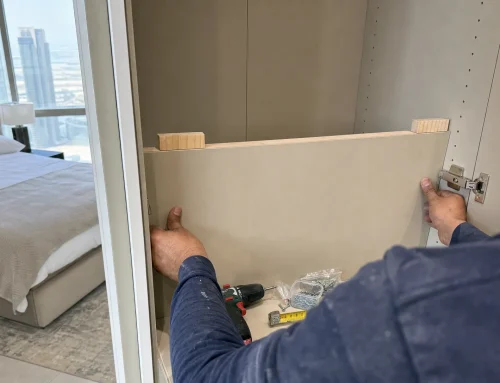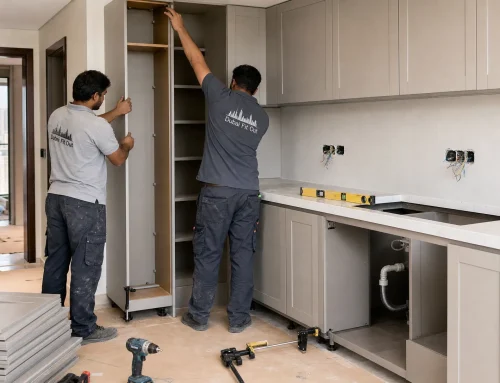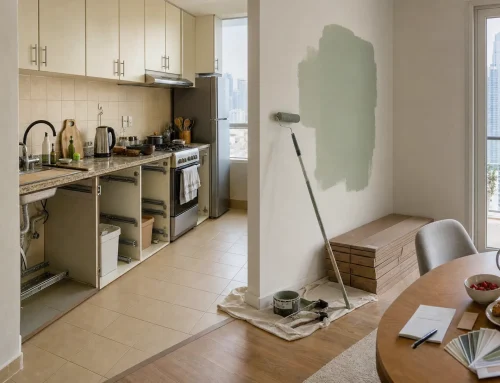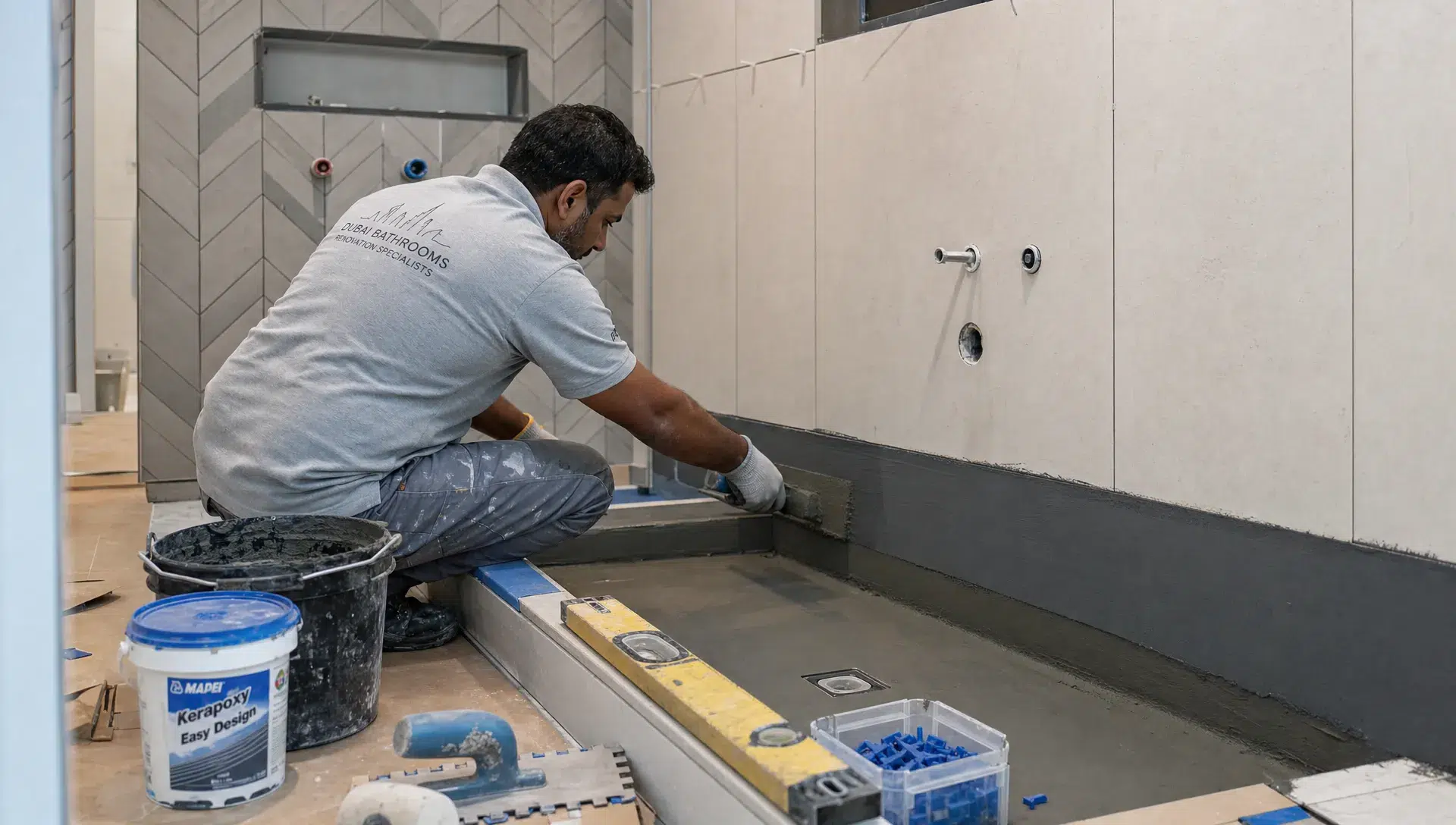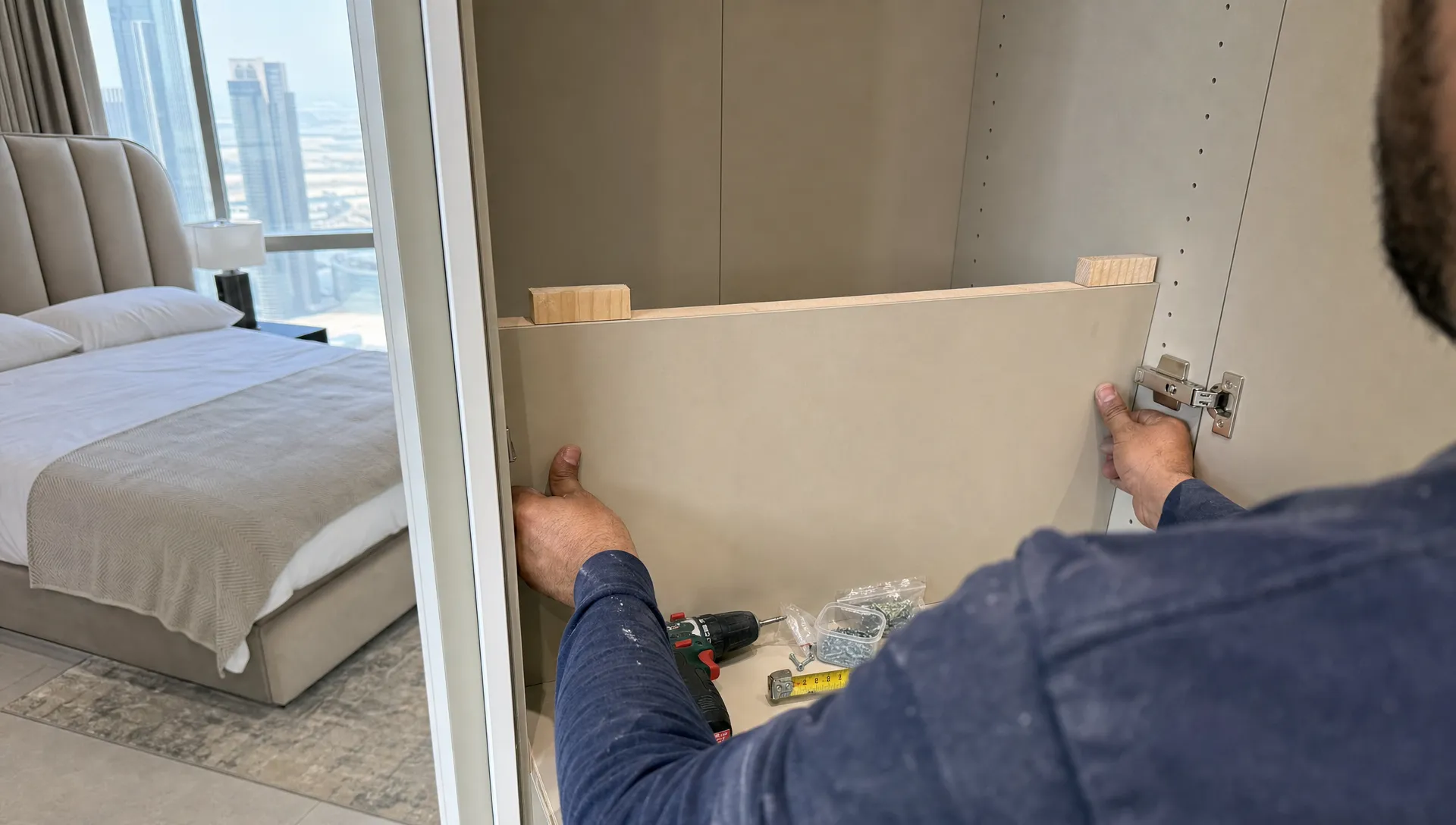
Choosing the right interior renovation contractor is one of the most important decisions you will make before upgrading a villa, apartment, office, salon, retail unit, or commercial space in Dubai. The contractor you hire will influence the design quality, approval process, budget control, material durability, finishing standards, and how smoothly daily life or business operations continue during the work.
A beautiful concept can quickly become stressful if the execution team lacks experience. On the other hand, a well-qualified contractor can turn your ideas into a practical, polished, and long-lasting interior that suits Dubai’s climate, property rules, and lifestyle expectations.
This guide explains what to check before hiring an interior renovation contractor, which questions to ask, how to compare proposals, and what red flags to avoid.
Why the right interior renovation contractor matters
Interior renovation is not only about making a space look better. It often involves several connected trades, including carpentry, painting, flooring, plumbing, electrical work, lighting, ceilings, joinery, waterproofing, and sometimes air conditioning or layout modifications. If these elements are not coordinated properly, even expensive materials can fail to deliver the result you expected.
In Dubai, there is another layer to consider: building management rules, master developer requirements, community guidelines, working-hour restrictions, and potential approvals for certain types of work. A contractor who understands these details can help you avoid delays, rework, and disputes.
The right contractor should be able to translate your design goals into a realistic scope of work, explain technical limitations clearly, and manage multiple trades without compromising quality. This is especially important for high-value spaces where small finishing errors, poor material selection, or weak project management can affect property value.

Start with a clear renovation brief
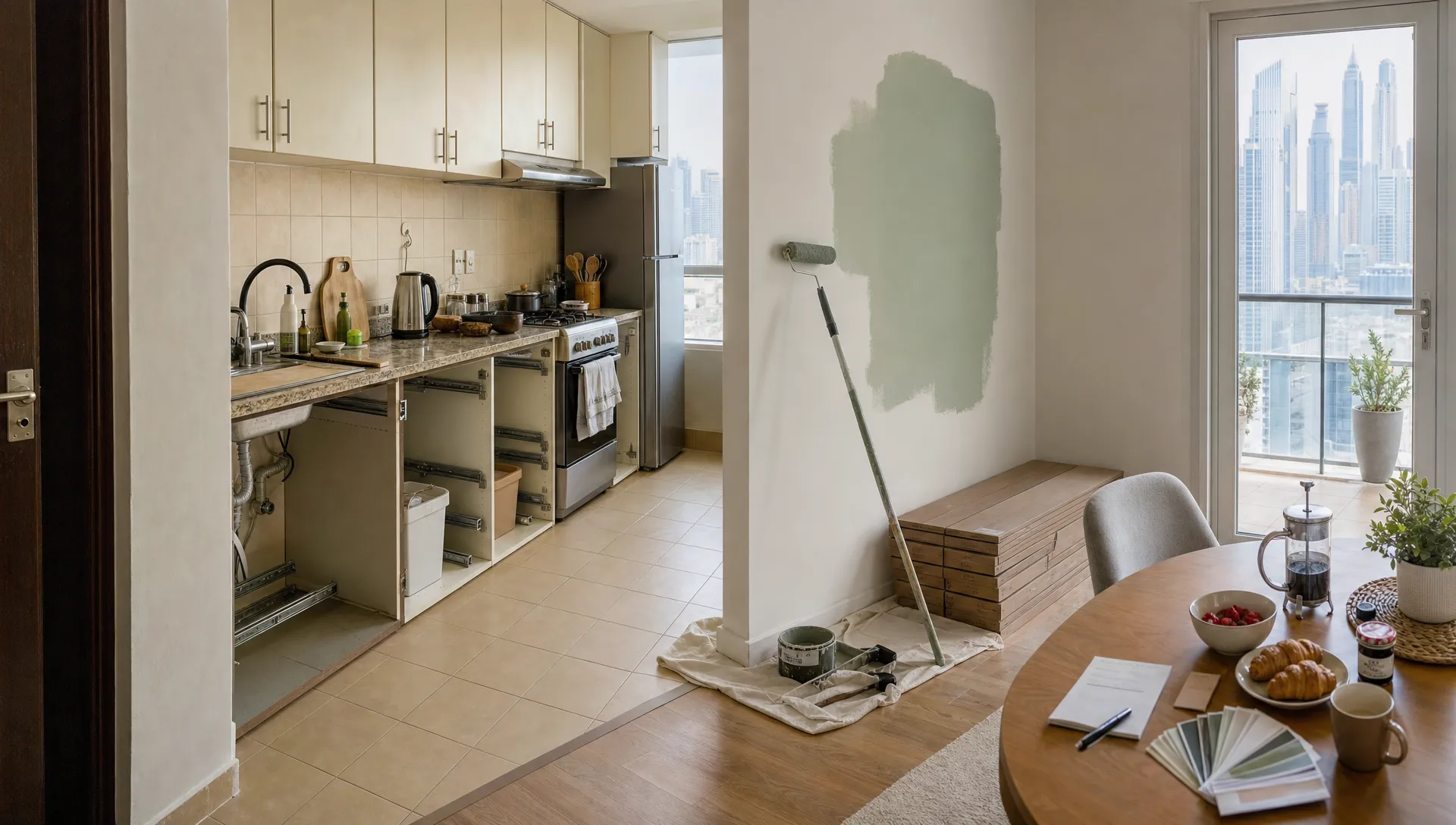
Before you contact contractors, define what you want to achieve. A vague request such as “modernize the apartment” or “upgrade the villa interior” leaves too much room for assumption. A clear brief helps contractors price accurately, recommend better materials, and understand your priorities from the beginning.
Your brief does not need to be highly technical, but it should explain the purpose of the renovation, the rooms involved, the style you prefer, your timeline, and any must-have features. For example, a family villa may need durable flooring, built-in storage, better lighting, and child-friendly finishes. A rental apartment may need cost-effective upgrades that improve value without overcapitalizing. A commercial fit-out may need customer flow, brand presentation, safety compliance, and efficient back-of-house planning.
Useful details to include in your renovation brief are:
- The areas to renovate, such as kitchen, bathroom, bedrooms, living room, office, or reception area.
- Your preferred style, such as contemporary, minimalist, luxury, classic, or natural.
- Functional problems you want to solve, such as poor storage, outdated lighting, weak ventilation, or inefficient layouts.
- Any building restrictions, community rules, or previous approval requirements you know about.
- Your target completion date and whether you will stay in the property during the work.
If your project includes both design and construction, consider speaking with a team that provides custom interior design and remodeling in Dubai so the concept, materials, and execution are aligned from the start.
Look for experience with your exact type of project
Not every contractor is suitable for every interior renovation. A team that does small repainting jobs may not be ready for a full villa interior upgrade. A company focused on commercial fit-outs may not be the best match for a family bathroom renovation unless it also has residential experience.
Dubai interiors vary widely, from waterfront apartments and luxury villas to offices, clinics, salons, cafés, and retail spaces. The contractor you choose should understand the scale, technical needs, and finishing level of your specific project.
| Project type | What to look for in a contractor |
|---|---|
| Apartment renovation | Experience with building management approvals, noise rules, lift protection, compact layouts, and efficient scheduling. |
| Villa interior renovation | Ability to manage larger scopes, custom joinery, flooring, bathrooms, kitchens, staircases, ceilings, lighting, and outdoor connections. |
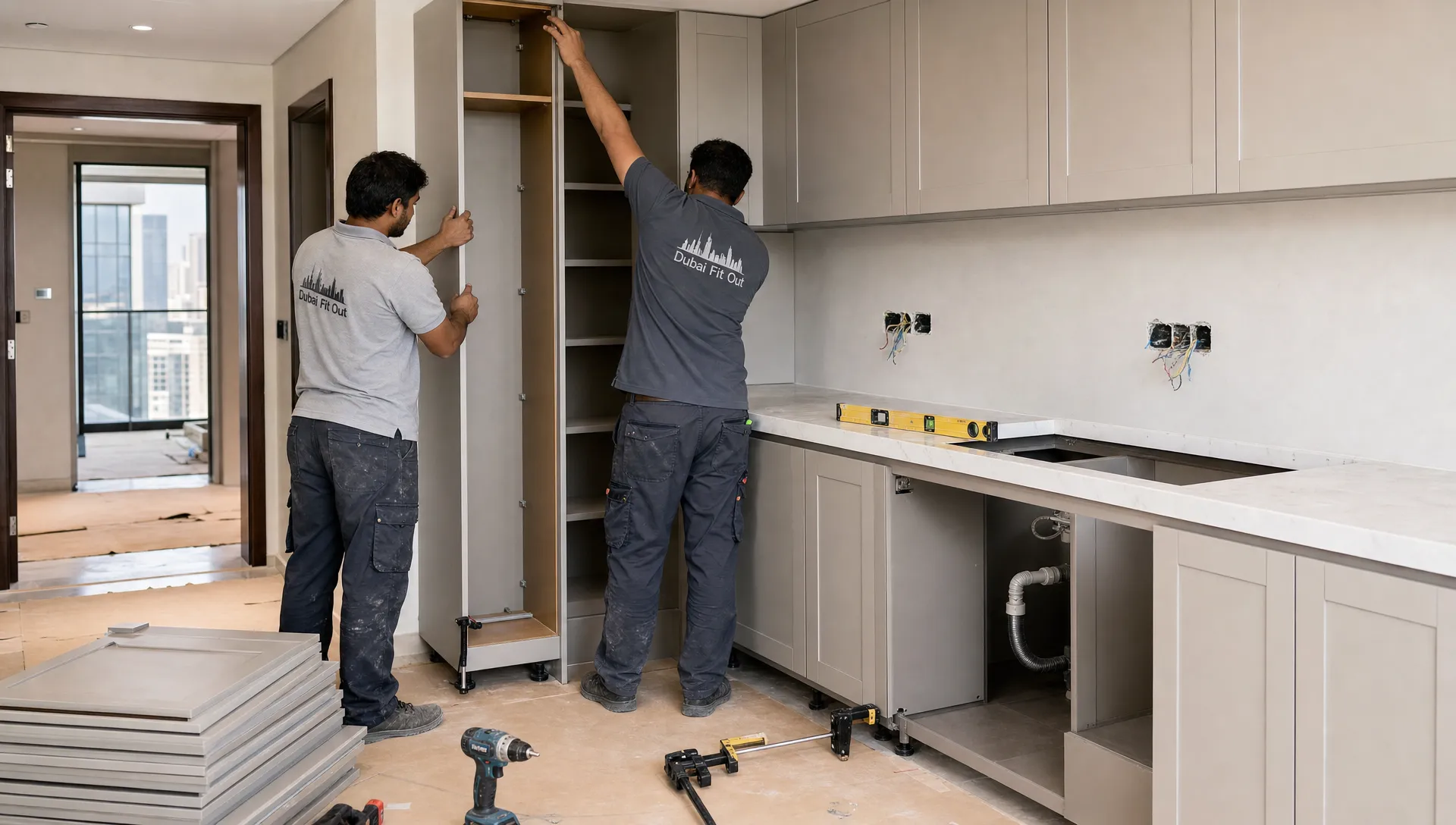
| Kitchen remodeling | Strong knowledge of cabinetry, countertops, plumbing, electrical points, appliances, ventilation, and practical storage. |
| Bathroom renovation | Waterproofing expertise, drainage planning, tile installation quality, ventilation, lighting, and fixture coordination. |
| Commercial fit-out | Understanding of brand experience, customer flow, durability, safety requirements, MEP coordination, and operational efficiency. |
A contractor’s portfolio should show projects that are similar in size, complexity, and style to yours. If you are renovating a villa, ask to see villa work. If you are upgrading a kitchen, review kitchen projects closely. If you are planning a business interior, look for examples of commercial layouts and customer-facing spaces.
Review the portfolio beyond beautiful photos
Project photos are useful, but they do not tell the full story. A polished image may hide poor storage planning, weak lighting, rough edges, or materials that do not hold up well over time. When reviewing a contractor’s portfolio, look closely at the details.
Pay attention to alignment, junctions, grout lines, paint finish, cabinet gaps, wall-to-floor transitions, ceiling edges, and how lighting is integrated. These details reveal whether the contractor prioritizes craftsmanship or simply focuses on the overall visual impression.
Also consider whether the designs solve real problems. A good interior renovation contractor should improve how the space works, not just how it looks. For example, a kitchen should have logical preparation zones, practical storage, and safe appliance placement. A bathroom should balance aesthetics with waterproofing, ventilation, and easy maintenance. A living room should have comfortable circulation, layered lighting, and finishes suited to daily use.
For commercial interiors, the portfolio should show how design supports the customer journey. Service businesses such as salons, wellness spaces, and beauty studios rely heavily on atmosphere, booking flow, comfort, and brand trust. Looking at polished service-led spaces such as a luxury hair salon can help business owners think beyond decoration and consider how interiors support client experience, service menus, and repeat visits.
Check licenses, approvals knowledge, and compliance awareness
One of the biggest mistakes property owners make is focusing only on design style and price while ignoring compliance. In Dubai, certain renovation works may require approvals from building management, master developers, Dubai Municipality, Dubai Civil Defence, or other relevant authorities depending on the property type and scope.
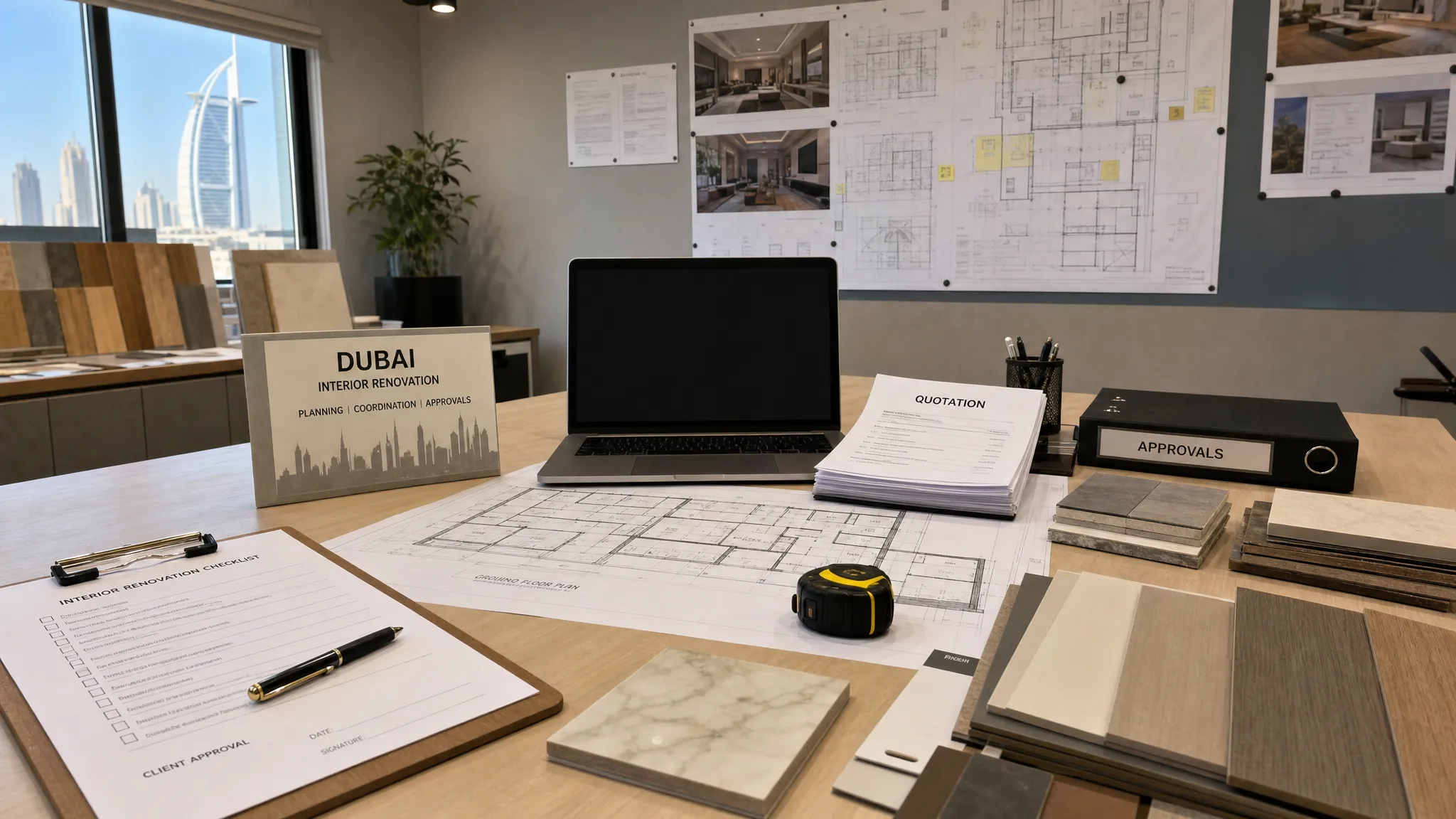
Not every minor decorative upgrade needs the same process, but structural changes, MEP modifications, commercial fit-outs, wet-area changes, façade-related work, and significant layout changes may require formal review. The safest approach is to ask your contractor what approvals may apply to your project and who will be responsible for preparing drawings, method statements, NOCs, and submission documents.
You can also review official information from Dubai Municipality when planning work that may involve building or construction requirements. For commercial interiors, fire and life safety considerations may also be relevant, so it is worth checking requirements through Dubai Civil Defence or asking your contractor how they coordinate compliance for applicable projects.
A professional contractor should never dismiss approvals casually. If they say “no approval is needed” without reviewing the property, building rules, and scope, that is a warning sign. Good contractors will explain what is required, what is not required, and what information must be confirmed before work begins.
Ask how design, MEP, and execution are coordinated
Interior renovation often fails when the design team and execution team are not aligned. A design may look attractive on paper, but if plumbing routes, electrical loads, ceiling heights, AC grilles, waterproofing, and site measurements are not considered early, changes become expensive later.
Ask how the contractor coordinates design and technical work. For example, if you are changing a kitchen layout, the contractor should check water supply, drainage, power points, appliance requirements, ventilation, countertop support, and cabinetry dimensions before finalizing the plan. If you are renovating a bathroom, waterproofing and drainage should be treated as priorities, not afterthoughts.
For homes with multiple rooms, coordination becomes even more important. Flooring levels must align, door swings must make sense, lighting circuits must support the layout, and joinery must fit precisely. This is where a contractor with in-house or well-coordinated teams for carpentry, plumbing, painting, flooring, and fit-out work can make the process smoother.
If your project includes a major kitchen upgrade, you can also review what is involved in professional kitchen renovation services in Dubai before comparing proposals.
Compare quotations by scope, not just final price
A low quote is not always a good deal. In renovation, the cheapest proposal may exclude essential items, use vague material descriptions, or rely on allowances that increase later. A professional quotation should make it clear what is included, what is excluded, which materials are specified, how variations are handled, and what payment stages apply.
When comparing contractors, ask for a detailed breakdown instead of a single lump-sum figure. The quote should match your scope of work and include enough detail to make meaningful comparisons.
| Quote item | Vague quotation | Strong quotation |
|---|---|---|
| Flooring | “Install wooden flooring” | Flooring type, brand or grade, area, skirting, underlay, preparation, installation method, and exclusions. |
| Painting | “Paint walls” | Surface preparation, primer, number of coats, paint brand or specification, areas included, and protection measures. |
| Bathroom work | “Renovate bathroom” | Demolition, waterproofing, plumbing, drainage, tiles, fixtures, lighting, ventilation, testing, and finishing details. |
| Joinery | “Custom cabinets” | Material type, internal finish, hardware, hinges, handles, measurements, design drawings, and installation details. |
| Timeline | “Fast completion” | Estimated start date, work phases, dependencies, approval time allowance, and handover target. |
You should also ask how the contractor handles changes during the project. Variations are common in renovation because hidden site conditions can appear after demolition. The key is whether the contractor documents changes clearly and gets approval before adding costs.
Evaluate communication before you sign
A contractor’s communication style during the quotation stage often predicts how the project will feel later. If they are slow to respond, unclear in their explanations, or reluctant to answer technical questions before receiving a deposit, the situation may not improve once work begins.
Good communication does not mean constant messaging. It means clear responsibilities, realistic updates, quick clarification of decisions, and transparent documentation. You should know who your main point of contact is, how often updates will be shared, and how site issues will be resolved.
Ask whether the contractor provides a project schedule, site supervision, progress photos, material approvals, and written records for important decisions. For larger renovations, this can prevent misunderstandings between the client, designer, site team, suppliers, and building management.
Inspect material knowledge and sample quality
Dubai interiors face strong sunlight, humidity, air conditioning, dust, and frequent indoor-outdoor transitions. Materials that look attractive in a showroom may not always be suitable for every space. Your interior renovation contractor should be able to explain why a material is appropriate for your property, lifestyle, and maintenance expectations.
For example, bathroom materials should be selected with moisture resistance and slip safety in mind. Kitchen countertops should be chosen for durability, heat resistance, stain resistance, and ease of cleaning. Flooring should suit foot traffic, pets, children, rental use, or luxury living depending on the property.
Ask to see samples before approving major finishes. Photos can distort colour, texture, and scale. Physical samples help you understand how wood, stone, tile, paint, fabric, or metal finishes will work together under your actual lighting.
If flooring is a major part of your renovation, learn more about wooden flooring options in Dubai and discuss suitability with your contractor before final selection.
Understand the contractor’s quality control process
Quality control should happen throughout the renovation, not only at handover. A good contractor checks site measurements before fabrication, tests waterproofing before tiling, inspects surface preparation before painting, verifies electrical and plumbing work before closing walls, and reviews final finishes before asking the client to approve completion.
Ask what inspections are included at each stage. For wet areas, waterproofing tests are especially important. For joinery, measurements and shop drawings should be confirmed before manufacturing. For painting, surface preparation is often more important than the final coat itself.
A contractor who can explain quality checkpoints in simple terms is usually more reliable than one who only promises “premium finishing” without describing how that finish is achieved.
Watch for red flags
Some warning signs are easy to overlook when you are excited to start the renovation. However, ignoring them can lead to delays, budget increases, and poor workmanship.
Be cautious if a contractor:
- Gives a price without visiting the site or reviewing drawings.
- Refuses to provide a detailed scope of work.
- Pressures you to pay a large deposit immediately.
- Avoids discussing approvals, NOCs, or building management rules.
- Uses vague material descriptions without samples or specifications.
- Cannot show relevant previous work.
- Promises an unrealistically short timeline.
- Has poor communication before the project starts.
- Does not explain how variations and hidden issues will be priced.
A professional contractor should be confident enough to explain limitations, risks, and realistic timelines. Overpromising is often more dangerous than honest caution.
Use a practical decision matrix
If you are comparing several contractors, a simple scoring system can help you choose more objectively. Give each contractor a score from 1 to 5 for the categories below, then compare the total.
| Selection factor | Why it matters | Suggested weight |
|---|---|---|
| Relevant project experience | Similar projects reduce learning curves and mistakes. | High |
| Detailed quotation | Clear pricing helps avoid disputes and hidden costs. | High |
| Technical capability | MEP, waterproofing, joinery, flooring, and finishing must be coordinated. | High |
| Approval knowledge | Dubai renovation rules can affect schedule and scope. | Medium to high |
| Portfolio quality | Past work reveals finishing standards and design understanding. | Medium |
| Communication | Clear updates reduce stress and improve decision-making. | Medium |
| Material guidance | Correct specifications improve durability and maintenance. | Medium |
| Aftercare approach | Post-handover support helps resolve minor issues quickly. | Medium |
The highest score is not always the cheapest contractor. It is the contractor most likely to deliver the result you want with fewer surprises.
Questions to ask before hiring an interior renovation contractor
Before signing any agreement, ask direct questions and pay attention to the clarity of the answers. A trustworthy contractor should welcome informed clients.
Important questions include:
- Have you completed projects similar to mine in Dubai?
- What approvals or NOCs may be required for this scope?
- Can you provide a detailed quotation with materials and exclusions?
- Who will supervise the site and communicate with me?
- How do you handle variations or hidden conditions?
- What is the estimated timeline, including approvals and material lead times?
- Which parts of the work are handled by your team and which are subcontracted?
- Can I review material samples before final approval?
- What quality checks are completed before handover?
- Is there any post-completion support for defects or adjustments?
The goal is not to interrogate the contractor. The goal is to understand whether they have a professional process and whether you feel comfortable working with them.
Choosing a contractor for homes, villas, and commercial interiors
Residential and commercial projects require different thinking. In a home, the contractor must balance comfort, privacy, family routines, storage, maintenance, and long-term value. In a commercial space, the contractor must also consider customer flow, employee efficiency, brand image, safety, and business continuity.
For villas, look for experience with larger interior scopes, premium finishes, custom joinery, bathrooms, kitchens, staircases, ceilings, lighting, and sometimes outdoor living areas. For apartments, the contractor must be organized around access restrictions, service elevators, building protection, and compact-space problem solving. For offices or retail spaces, fit-out planning and compliance awareness become especially important.
Best Renovation provides residential and commercial renovation services in Dubai, including home renovation, villa renovation, kitchen remodeling, bathroom renovation, interior design services, fit-out solutions, plumbing, carpentry, wooden flooring, and wall painting. If your project involves multiple trades, choosing one coordinated renovation team can make planning and execution more efficient.
Frequently Asked Questions
What does an interior renovation contractor do? An interior renovation contractor manages the practical execution of interior upgrades, including demolition, flooring, painting, carpentry, plumbing, electrical coordination, bathrooms, kitchens, ceilings, joinery, and finishing work depending on the project scope.
How do I choose the best interior renovation contractor in Dubai? Start by checking relevant project experience, detailed quotations, approval knowledge, communication quality, material guidance, and previous work. The best contractor is not simply the cheapest, but the one who can deliver your scope reliably and transparently.
Do interior renovations in Dubai need approvals? Some projects may need approvals or NOCs, especially if they involve structural changes, MEP modifications, wet-area changes, commercial fit-outs, or building management requirements. Always confirm based on your property and scope before work starts.
Should I hire a contractor or an interior designer first? If the project is mainly aesthetic, an interior designer can help develop the concept. If the project includes technical work, approvals, and construction, it is often better to involve a contractor early so the design is practical, buildable, and budget-aware.
What should a renovation quotation include? A strong quotation should include scope of work, material specifications, labour, quantities where possible, exclusions, payment stages, timeline assumptions, variation terms, and any approval-related responsibilities.
Is it safe to choose the lowest renovation quote? Not always. A very low quote may exclude important work, use poor materials, or lead to costly variations later. Compare quotations by scope, specifications, quality, and contractor reliability, not price alone.
Ready to plan your interior renovation?
Choosing the right interior renovation contractor is about trust, technical skill, design understanding, and project discipline. When you work with a team that understands Dubai properties, materials, approvals, and finishing standards, your renovation becomes easier to manage and more likely to achieve the result you imagined.
If you are planning a home, villa, apartment, kitchen, bathroom, or commercial interior upgrade in Dubai, contact Best Renovation to discuss your project and explore a renovation approach tailored to your space, budget, and lifestyle.