Complex renovation work is rarely difficult because of one single task. It becomes difficult because many tasks must happen in the right order, under real site constraints, with multiple trades depending on each other. In Dubai, that can mean coordinating approvals, building access, MEP changes, custom joinery, imported finishes, noise restrictions, and handover deadlines while still protecting the property and controlling the budget.
This is where experienced building renovation contractors add real value. Their role is not simply to bring workers to site. They translate a design vision into a buildable plan, anticipate risks before they become delays, and keep every trade aligned from demolition to final snagging.
Whether you are renovating a villa, apartment, office, kitchen, bathroom, or full commercial space, understanding how contractors manage complex jobs helps you choose the right team and avoid costly surprises.
What Makes a Renovation Job Complex?
A renovation becomes complex when the work involves more than surface-level upgrades. Repainting walls or replacing a vanity may be straightforward. But once the project includes layout changes, plumbing relocation, electrical upgrades, waterproofing, custom carpentry, flooring transitions, air-conditioning coordination, or authority approvals, the contractor must manage a much deeper level of planning.
In Dubai, complexity can also come from the property type. A villa renovation may involve landscaping interfaces, exterior works, drainage, majlis upgrades, and multiple bathrooms. An apartment renovation may be limited by building management rules, lift access, working hours, and restrictions on structural modifications. A commercial renovation may need to consider business continuity, fire safety requirements, branding, accessibility, and MEP capacity.
A good contractor identifies these constraints early. A weak contractor discovers them during the work, which usually leads to delays, variation costs, and frustration.
| Renovation challenge | Why it matters | How contractors manage it |
|---|---|---|
| Multiple trades | Civil, plumbing, electrical, AC, carpentry, flooring, and painting must not clash | Trade sequencing, site coordination, and daily supervision |
| Approvals | Some properties require permissions before work starts | Early document preparation and coordination with relevant parties |
| Hidden conditions | Old pipes, uneven slabs, damp areas, and weak substrates may appear after demolition | Site inspections, contingency planning, and clear change control |
| Custom materials | Joinery, stone, lighting, sanitaryware, and flooring may have long lead times | Procurement schedules and early client selections |
| Quality expectations | Premium finishes leave little room for poor workmanship | Mockups, inspections, snagging, and documented handover |
Step 1: They Start With a Detailed Site Assessment
Complex renovation management begins before anyone lifts a hammer. The contractor first studies the existing condition of the property. This includes measurements, wall and floor levels, water points, drainage routes, electrical load considerations, AC locations, ceiling heights, access points, and areas that may need protection.
For older villas and apartments, this stage is especially important. Existing drawings may be missing, outdated, or different from the actual site condition. A contractor must verify what is physically present rather than relying only on assumptions.
During the assessment, contractors also look for practical site constraints. Can materials be delivered easily? Is there enough storage space? Are there service elevators? Are there restrictions on noisy work? Does the villa community require approval for skips, scaffolding, or external work? These questions influence the project plan and the final quotation.
If you are preparing for a renovation, a structured home renovation contractors checklist can help you organize the information a contractor needs before pricing and planning the job.
Step 2: They Convert the Vision Into a Buildable Scope
Many renovation problems begin with vague scope. A client may say, “renovate the kitchen,” but that can mean anything from cabinet replacement to a full redesign with new plumbing, lighting, countertops, appliances, flooring, and ceiling work.
Experienced building renovation contractors break the vision down into a clear scope of work. They define what is included, what is excluded, which materials are provisional, and which decisions the client must confirm before procurement. This protects both sides.
A buildable scope usually covers the following areas:
- Demolition and removal work
- Civil modifications, blockwork, plastering, and screed
- Plumbing, drainage, electrical, lighting, and AC coordination
- Waterproofing for bathrooms, kitchens, balconies, and wet areas
- Flooring, ceiling, wall finishes, painting, and feature surfaces
- Carpentry, joinery, wardrobes, doors, and kitchen cabinetry
- Sanitaryware, accessories, appliances, fixtures, and final fittings
- Testing, cleaning, snagging, and handover
The more precise the scope, the fewer disputes later. This is also why comparing quotations only by total price can be misleading. A lower quote may simply exclude key items, use weaker allowances, or leave important work undefined.
Step 3: They Map Approvals and Compliance Requirements
Approvals are one of the most important parts of renovation planning in Dubai. The exact process depends on the property location, building type, freehold community, landlord requirements, and nature of the work. In many cases, clients may need permissions from building management, community developers, landlords, or relevant authorities before work can proceed.
Contractors help by identifying which approvals are likely to be required and preparing the technical details needed for submission. This may include drawings, method statements, contractor documents, NOCs, work schedules, insurance details, or MEP information.
This stage is not just paperwork. It directly affects the schedule. If the contractor starts planning approvals too late, the project can be delayed before site work even begins. Strong renovation companies factor approval timelines into the programme from the beginning.
For commercial spaces, compliance can become even more detailed. Office, retail, restaurant, and clinic renovations may involve fire and life safety considerations, accessibility, signage, ventilation, load requirements, and fit-out rules. In these jobs, the contractor’s ability to coordinate documentation is just as important as their ability to execute the physical work.
Step 4: They Build a Realistic Project Schedule
A complex renovation schedule is not a simple list of tasks. It is a sequence of dependencies. Waterproofing cannot be tested before plumbing is installed. Flooring cannot begin before wet works are finished and levels are corrected. Final painting should not happen before heavy carpentry installation. Custom joinery cannot be installed if site measurements were taken too early and walls have since changed.
Professional contractors create a programme that reflects these realities. They decide which tasks can run in parallel and which must wait. They also identify long-lead items early, such as custom doors, imported tiles, stone countertops, bespoke lighting, special sanitaryware, and made-to-measure joinery.
Procurement is often the hidden driver of the schedule. A room may be ready, but if the selected fixture or material has not arrived, the trade cannot finish. For example, decorative lighting should be selected early because ceiling points, cable drops, dimming systems, and fixture heights all affect execution. When a project calls for statement pieces, curated suppliers such as customizable designer lighting for modern interiors can help homeowners choose pendants or chandeliers that suit ceiling height, room layout, and the overall design direction.

Step 5: They Coordinate Trades on Site
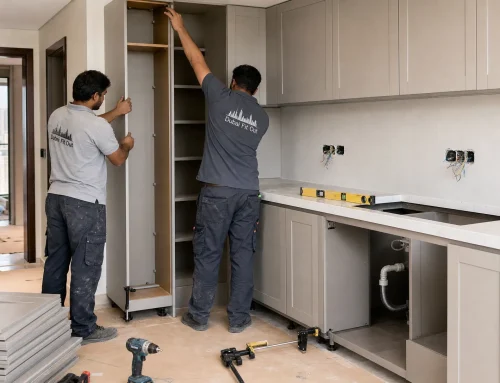
The site manager or project supervisor is central to a successful renovation. On complex jobs, many specialists may work in the same property at different stages. If they are not coordinated, one trade can damage another trade’s work, block access, or create rework.
For example, an electrician may need to finish wiring before the ceiling contractor closes the gypsum board. The AC technician may need access panels in specific locations. The plumber must coordinate pipe slopes before screed is poured. The carpenter needs final wall dimensions after plastering, not before. The painter needs clean, dry surfaces after sanding and installation work is complete.
Good contractors manage this with daily supervision, site meetings, updated drawings, and practical sequencing. They also maintain site discipline. Clean work zones, material protection, safe access, and organized storage reduce accidents and improve productivity.
This is one reason it is useful to evaluate a contractor’s project management ability, not only their portfolio photos. When you compare renovation companies in Dubai, look for evidence that they can manage scheduling, communication, documentation, and quality control, not just aesthetics.
Step 6: They Control Variations Before They Escalate
Even with strong planning, complex renovations can uncover unexpected conditions. A wall may contain hidden services. Old waterproofing may have failed. Electrical circuits may need upgrading. Floor levels may be uneven. Client preferences may also change once the space starts taking shape.
The difference between a controlled project and a chaotic one is how variations are managed. Professional contractors document the issue, explain the options, price the change clearly, and get approval before proceeding. This avoids confusion at the final invoice stage.
A healthy variation process should answer four questions:
- What changed from the original scope?
- Why is the change necessary or requested?
- How does it affect cost?
- How does it affect the schedule?
This process is especially important for premium renovations, where small design decisions can have a large impact. Changing a tile size, shifting a drain, upgrading a countertop, or adding LED profiles may affect multiple trades. A contractor must understand the ripple effect before confirming the change.
Step 7: They Protect Quality Through Inspections
Quality control is not something that happens only at the end. By then, many defects may be hidden behind walls, under tiles, or inside ceilings. Experienced contractors inspect work at key stages so problems can be corrected before finishes are installed.
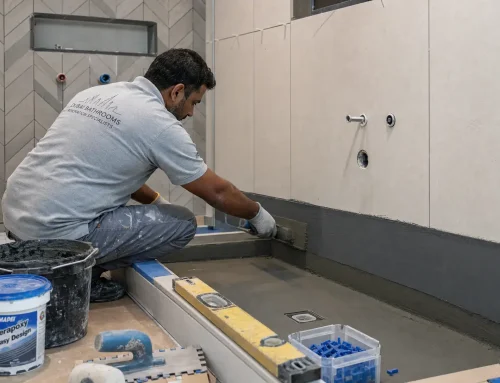
For example, bathroom renovation quality depends heavily on substrate preparation, pipe testing, slope formation, waterproofing application, curing time, and flood testing. If these steps are rushed, expensive tiles may look perfect on day one but fail later because the hidden layers were not done correctly.
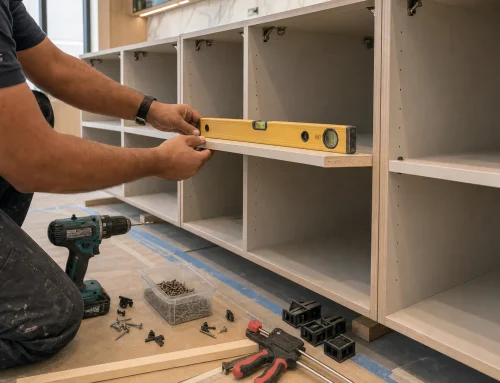
Kitchen renovation quality also depends on details that are not immediately visible. Cabinet carcass material, hinge quality, countertop support, appliance ventilation, backsplash alignment, socket placement, and lighting coordination all affect long-term performance.
Common inspection stages include:
- Post-demolition condition review
- MEP rough-in checks before closing walls or ceilings
- Waterproofing and wet area testing
- Floor and wall level checks before finishes
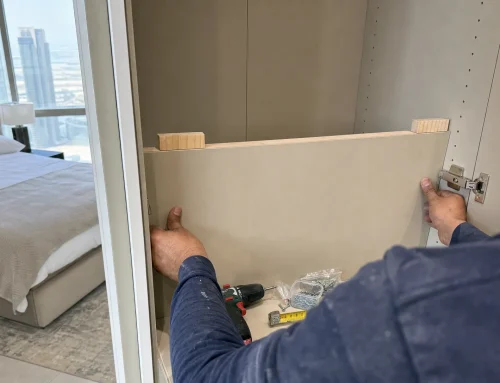
- Joinery measurements and installation checks
- Final snagging before handover
This structured approach is one of the main reasons clients hire specialist renovation teams rather than trying to coordinate every trade separately. If you want to understand the difference in more detail, the distinction between a general contractor and a specialist renovation company is explained in this short guide on hiring a general contractor versus a specialist renovation company.
Step 8: They Communicate Clearly With the Client
Complex jobs need clear communication. The client should never have to guess what is happening, which decisions are pending, or why a particular stage is delayed. At the same time, the contractor needs timely client responses to keep the project moving.
Good communication usually includes progress updates, site photos, decision deadlines, material approval requests, variation records, and clear explanations of technical issues. It also means being honest about constraints. If a design idea is impractical, unsafe, or likely to exceed the budget, the contractor should say so early.
Clients also play an important role. Delayed selections, late design changes, unavailable materials, or slow approvals can affect the programme. The best results happen when the contractor and client treat the renovation as a collaborative process.
Step 9: They Manage Handover and Snagging Properly
A renovation is not complete just because the main work is finished. Handover should include testing, cleaning, inspection, snagging, and documentation where applicable. Doors should align, drawers should run smoothly, lights should work, plumbing should be tested, paint touch-ups should be completed, silicone lines should be neat, and all visible defects should be recorded and resolved.
Snagging is normal in renovation projects, especially complex ones. What matters is whether the contractor has a disciplined process for closing snags. A reliable contractor will walk through the site with the client, record issues clearly, agree on responsibilities, and complete corrections within a reasonable timeframe.
For larger villas and commercial renovations, handover may also include maintenance guidance. This can cover how to care for wooden flooring, stone surfaces, painted walls, cabinetry, glass, sanitaryware, and special finishes. Proper care helps protect the investment long after the contractor leaves site.
What Clients Should Look for in Building Renovation Contractors
The best contractor for a complex job is not always the cheapest. In fact, a very low quotation can be a warning sign if the project requires detailed coordination. Instead, clients should look for competence, transparency, relevant experience, and a realistic plan.
Before hiring, ask how the contractor will manage approvals, procurement, site supervision, quality checks, variations, and snagging. Request a detailed scope and make sure allowances are clear. Review previous work that is similar to your property type and project scale. If you are planning a high-end home, villa, kitchen, bathroom, or fit-out project, choosing an experienced renovation contractor in Dubai can make the process more predictable and the final result more refined.
A capable contractor should be able to explain the job in plain language. If they cannot describe the sequence, risks, or dependencies before starting, they may struggle to manage them once work begins.
Frequently Asked Questions
How do building renovation contractors reduce delays? They reduce delays by planning approvals early, confirming the scope, sequencing trades correctly, ordering long-lead materials in advance, and communicating decision deadlines to the client.
Why do complex renovation projects need a project manager? A project manager coordinates trades, tracks progress, checks quality, manages site constraints, records variations, and keeps the client informed. Without this role, tasks can overlap poorly and create rework.
What is the biggest risk in a major renovation? One of the biggest risks is starting with an unclear scope. If materials, drawings, responsibilities, and exclusions are not defined, the project is more likely to face cost increases and schedule disputes.
Can a contractor manage approvals in Dubai? A contractor can usually help identify required approvals and prepare documents, but the exact process depends on the property, community, building management, landlord, and type of renovation work.
How should I compare contractors for a complex job? Compare detailed scopes, similar project experience, supervision process, quality checks, communication style, approval support, and variation procedures. Do not compare only the final price.
Plan Your Renovation With the Right Team
Complex renovations succeed when design, approvals, materials, trades, and quality control are managed as one connected process. With the right contractor, a demanding project becomes more organized, more transparent, and easier to control from start to finish.
Best Renovation provides residential and commercial renovation services in Dubai, including home, villa, kitchen, bathroom, interior design, fit-out, plumbing, carpentry, wooden flooring, and wall painting work. If you are planning a renovation and want a structured approach, start by discussing your project scope, timeline, and expectations with a team that understands how complex jobs are managed on real sites.