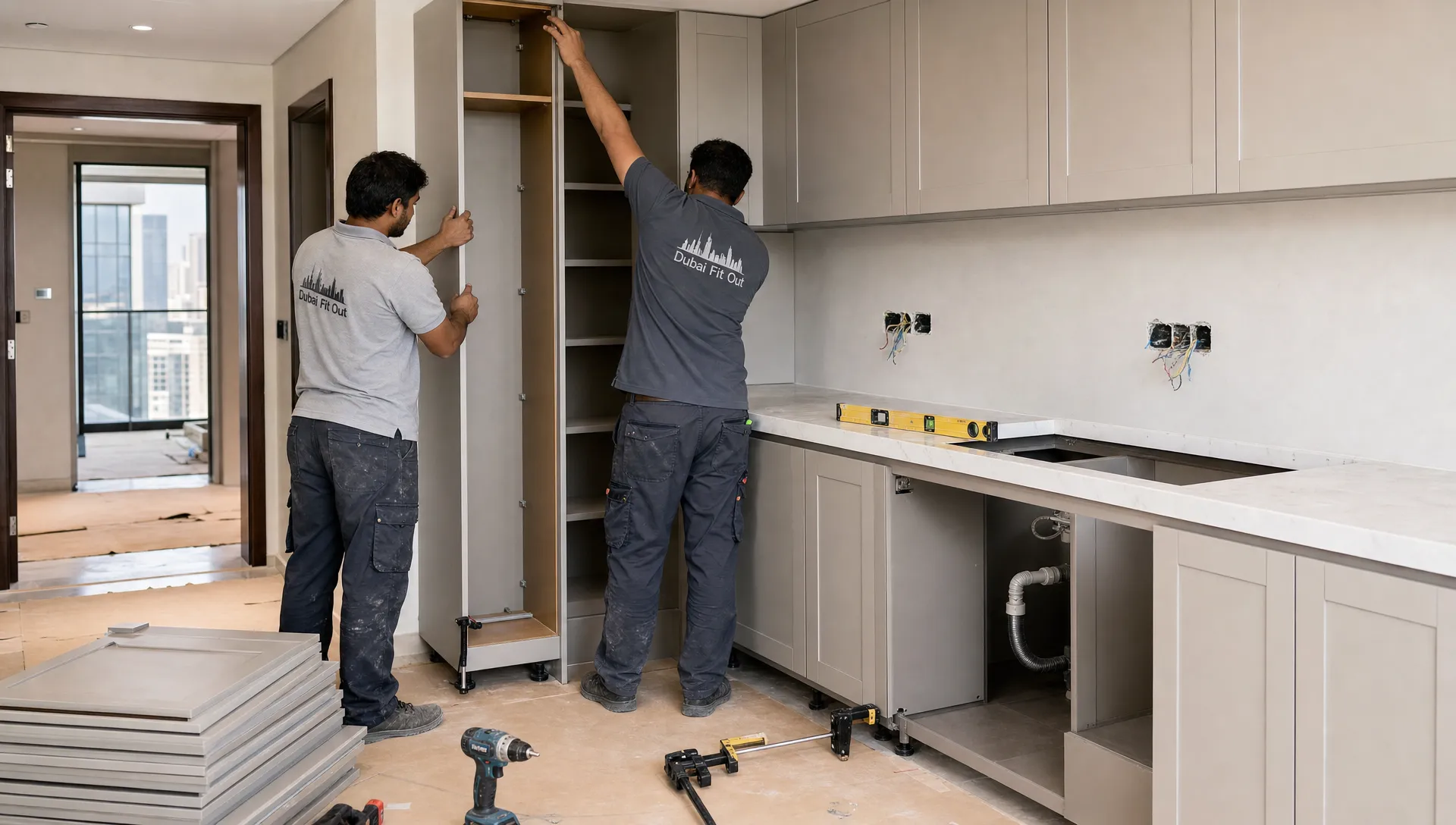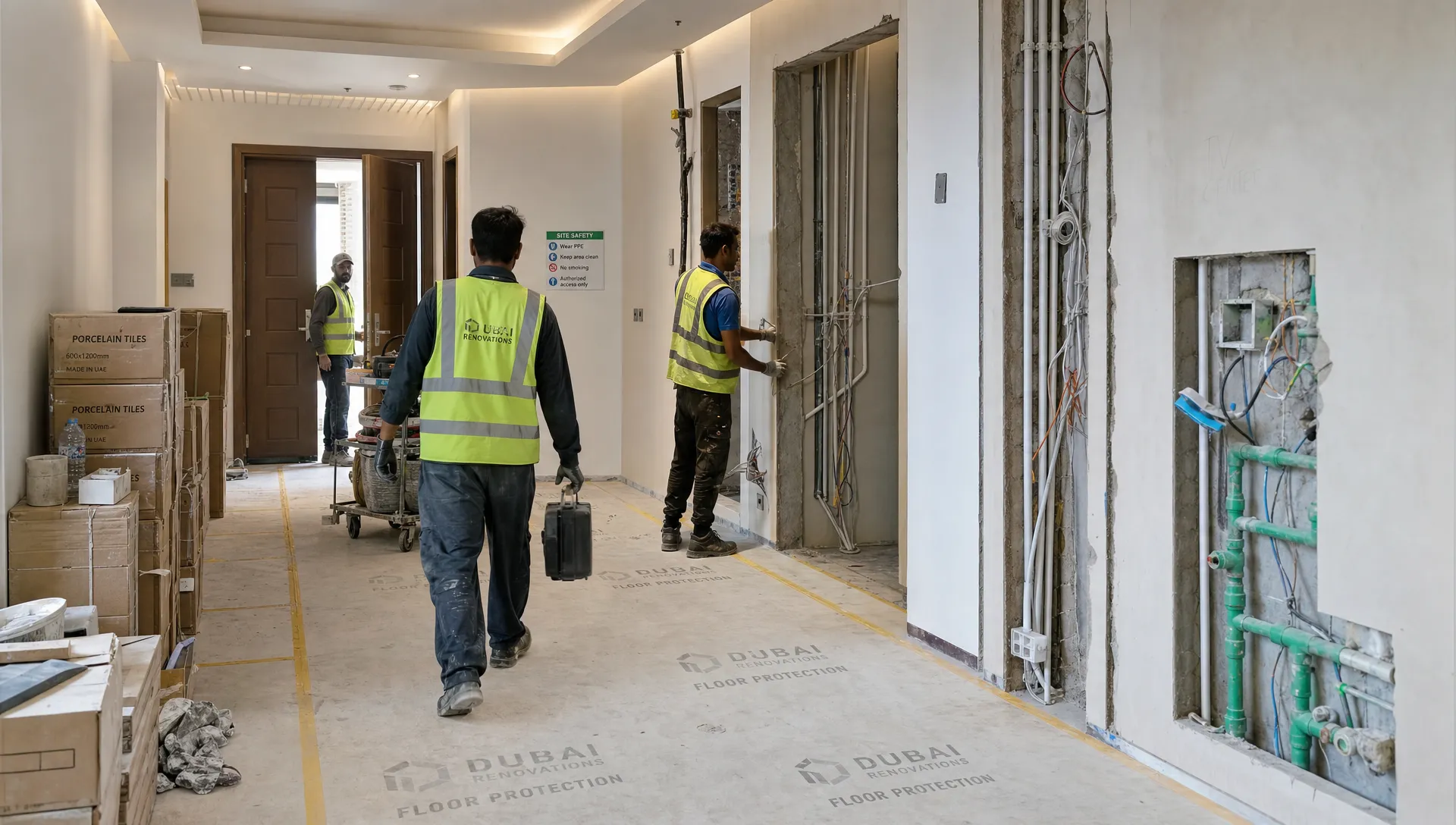
Renovation projects rarely fail because of one dramatic mistake. More often, delays and budget pressure come from small gaps in coordination: unclear drawings, late material decisions, overlapping trades, missed approvals, or a handover list that grows at the end. A good property renovation company improves project flow by turning all those moving parts into a clear sequence.
In Dubai, this matters even more. Villas, apartments, offices, and commercial units often involve building management rules, community guidelines, authority approvals, working-hour restrictions, delivery access, and specialist trades. Without structure, the project can feel busy without actually moving forward.
A professional renovation team does more than carry out construction work. It connects planning, design, procurement, site execution, quality checks, and client communication so each stage supports the next.
What “project flow” means in renovation
Project flow is the way a renovation moves from idea to completion with minimal friction. It is not just about speed. It is about making sure the right decisions are made at the right time, the right people are on site in the right order, and the work is checked before the next stage begins.
For a homeowner or property investor, good project flow usually means:
- Fewer unexpected pauses during the work
- Clearer decisions before demolition or fit-out begins
- Better coordination between design, civil work, MEP, carpentry, flooring, and finishing
- More realistic timelines and budgets
- Fewer defects at handover
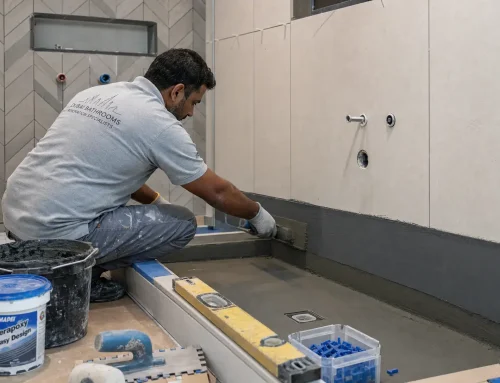
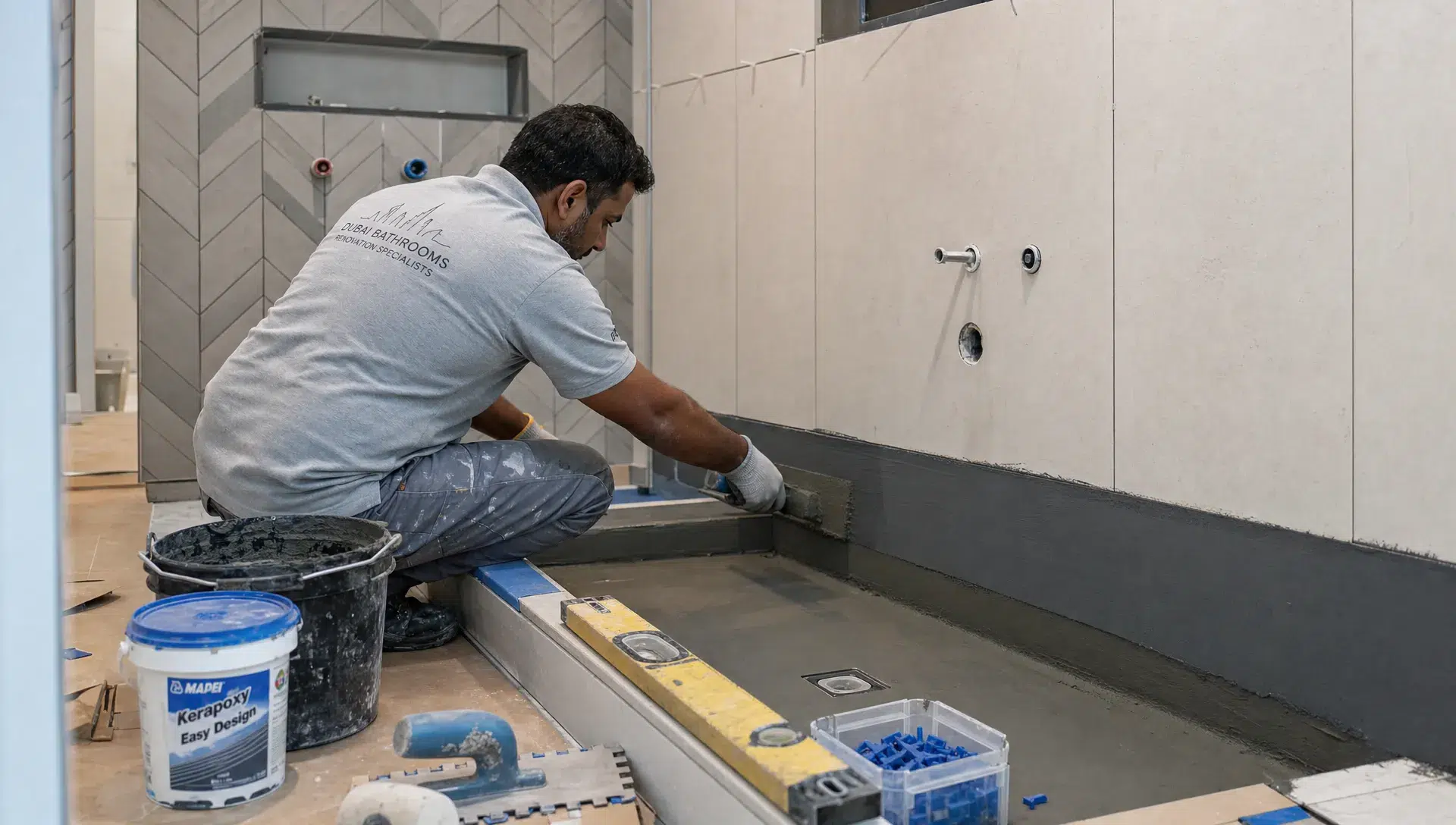
A property renovation company improves this flow by managing dependencies. For example, bathroom tiling cannot start before waterproofing is complete and tested. Kitchen cabinets cannot be manufactured accurately before final site measurements and appliance selections. Wooden flooring should not be installed before dusty works are completed and moisture conditions are suitable.
When these dependencies are understood early, the renovation becomes easier to control.
The biggest causes of poor project flow
Renovations are different from new builds because the site already exists. Walls may hide old plumbing, electrical routes may not match drawings, and building restrictions may limit what can be changed. In Dubai apartments, shared systems and building management requirements can also affect timing.
Common causes of disrupted flow include unclear scope, late design changes, missing approvals, unrealistic schedules, delayed materials, and weak coordination between trades. These issues may seem separate, but they usually affect each other. A late tile decision can delay bathroom work. Delayed bathroom work can keep plumbers on standby. If plumbers are not finished, ceiling closure and painting may also move back.
That is why professional planning is not paperwork for its own sake. It is the foundation for momentum.
If you want a broader view of how renovation teams define scope and coordinate execution, the article on what building renovation companies actually do explains the wider process in more detail.
How a property renovation company structures the project from day one
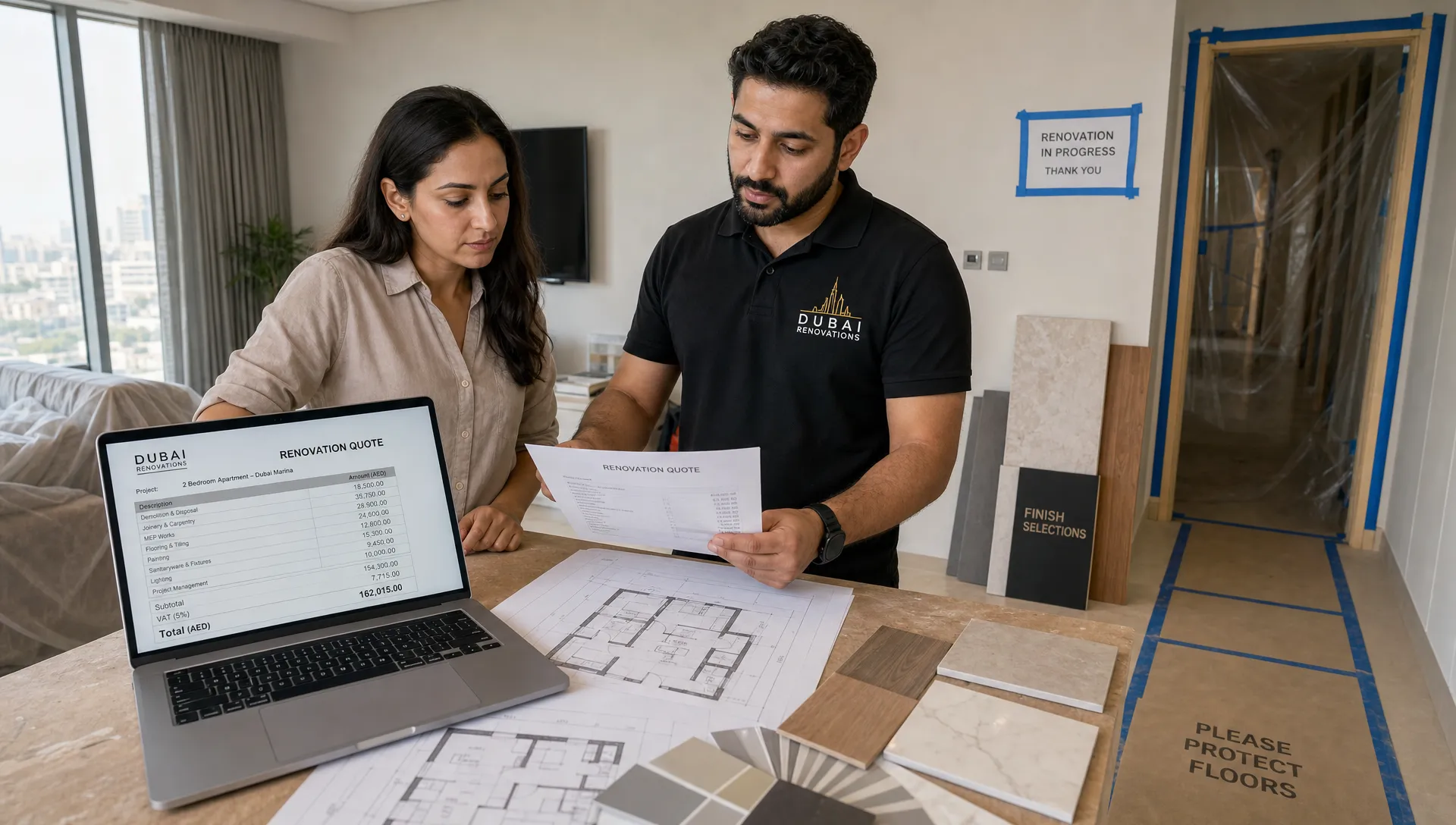
The best flow starts before any tools arrive on site. A professional company begins by translating the client’s goals into a workable project plan. This means understanding how the property is used, what problems need solving, which finishes are preferred, and what budget range is realistic.
For a villa renovation, this might involve reviewing room layouts, bathroom upgrades, kitchen remodeling, flooring, painting, outdoor areas, and MEP improvements. For an apartment, it may focus more on layout efficiency, building permissions, wet-area restrictions, storage, and finish upgrades. For a commercial property, the project may require more attention to business downtime, customer access, branding, and handover deadlines.
A clear early plan prevents the project from becoming a series of disconnected decisions. It also helps the renovation company identify what must be confirmed before work begins.
| Project stage | What should be clarified | How it improves flow |
|---|---|---|
| Initial consultation | Goals, budget range, property type, timeline expectations | Prevents misalignment before design or quotation |
| Site assessment | Existing condition, access, services, structural limits, moisture or damage | Reduces surprises during demolition and execution |
| Scope definition | Rooms, finishes, MEP changes, carpentry, flooring, painting, approvals | Creates a shared work plan for client and contractor |
| Procurement planning | Long-lead items, custom materials, fixtures, appliances, tiles | Prevents site delays caused by unavailable materials |
| Execution schedule | Trade sequence, inspections, delivery dates, working hours | Keeps tasks moving in the correct order |
| Handover | Snagging, cleaning, final checks, documentation where applicable | Reduces last-minute confusion and rework |
Better site assessment means fewer surprises later
A renovation estimate based only on photos or a quick walk-through is rarely enough for a smooth project. A proper site assessment helps the contractor understand what is visible and what may need further checking.
This can include the condition of walls, ceilings, floors, plumbing points, drainage slopes, electrical capacity, air-conditioning routes, waterproofing areas, door clearances, and access for material delivery. In older properties, the company may also look for signs of leaks, poor previous workmanship, uneven floors, outdated wiring, or damaged joinery.
The goal is not to eliminate every possible surprise. No renovation company can see through every wall before opening work begins. The goal is to reduce avoidable uncertainty and create a plan for managing discoveries if they appear.
In Dubai, site assessment also needs to consider practical issues such as elevator booking, loading access, building work permits, waste removal, noise rules, and community restrictions. According to Dubai Municipality, construction and building-related activities are subject to regulatory procedures, and requirements can vary depending on the type and location of work. A renovation company familiar with local project conditions can help clients avoid delays caused by incomplete preparation.
Design coordination keeps decisions from blocking the site
Many renovation delays happen because design decisions remain open while site work is already underway. Paint colours, tile sizes, sanitaryware, lighting positions, cabinet finishes, countertops, door hardware, and flooring transitions may all seem like details, but each one affects ordering, installation, and sequencing.
A property renovation company improves project flow by coordinating design decisions with construction realities. A beautiful bathroom concept still needs correct drainage, waterproofing, tile layout, access panels, ventilation, and suitable lighting. A modern kitchen still needs accurate appliance dimensions, electrical points, plumbing routes, cabinet clearances, and durable surfaces.
This is where design and renovation should not be treated as separate worlds. When designers, site supervisors, and trades work from the same plan, fewer changes are needed during execution. If you are comparing approaches, the guide on why hiring an interior design and renovation company can simplify the process explains how design planning and site delivery support each other.
Scheduling trades in the right order
A renovation site can look active even when it is not efficient. Too many trades working at the wrong time can create damage, rework, and confusion. Too few trades can leave the site idle. Good project flow depends on sequencing.
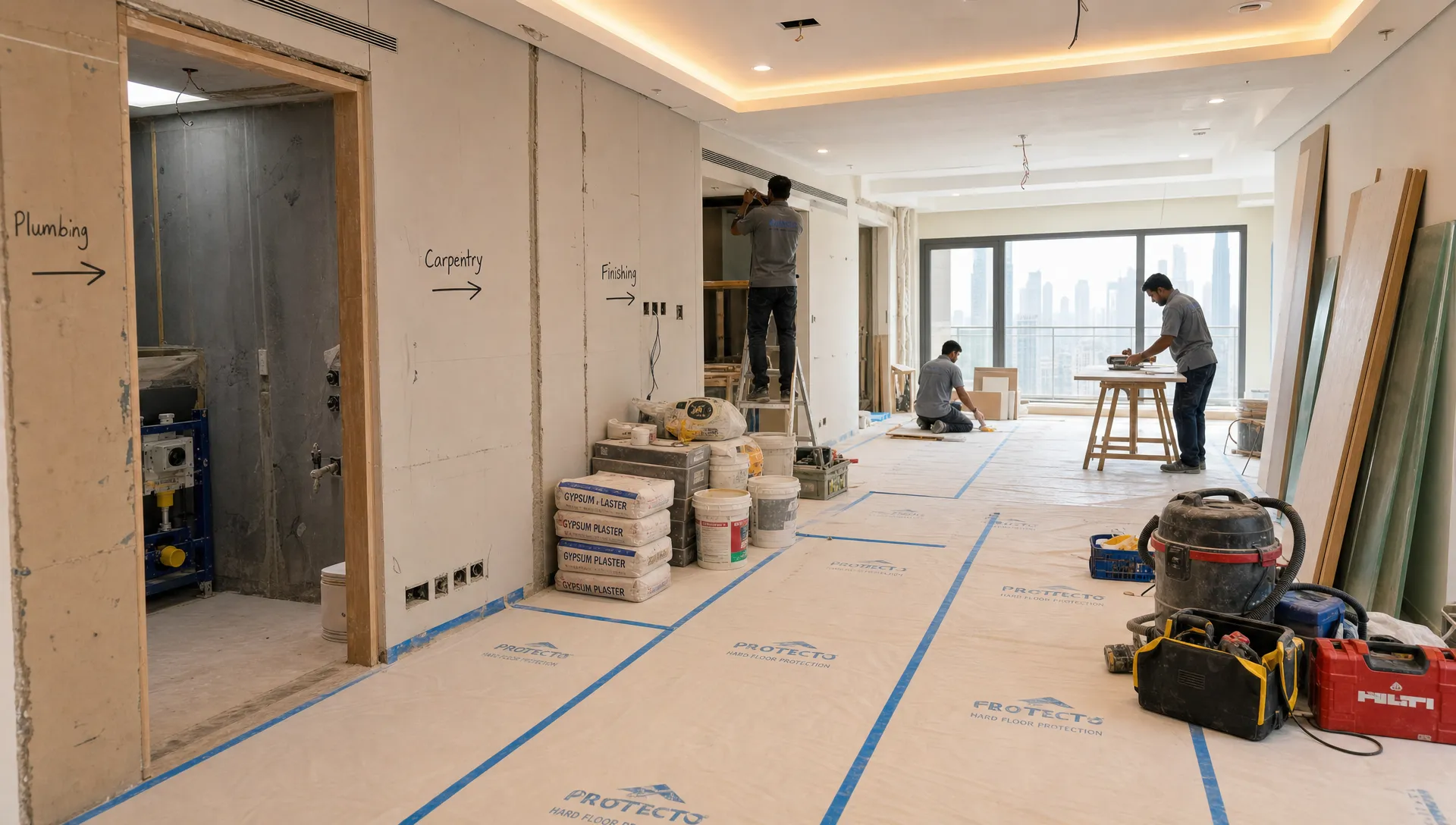
A typical renovation sequence may include protection work, demolition, civil modifications, plumbing and electrical rough-ins, AC coordination, waterproofing, plastering, tiling, ceiling work, carpentry measurements, flooring, painting, fixture installation, final carpentry, cleaning, snagging, and handover. The exact order changes depending on the project, but the principle stays the same: each trade should enter when the site is ready for its work.
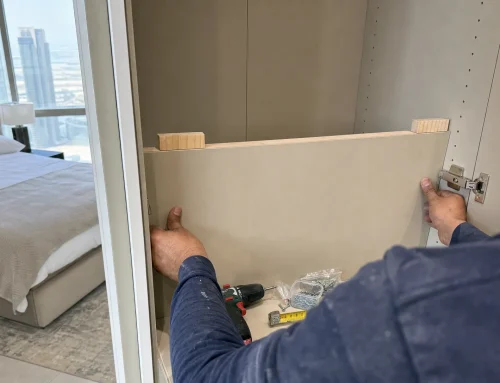
For example, painting too early may mean walls are damaged during cabinet installation. Installing wooden flooring before heavy works are complete can expose it to scratches and dust. Closing ceilings before MEP checks are complete can make later repairs more expensive.
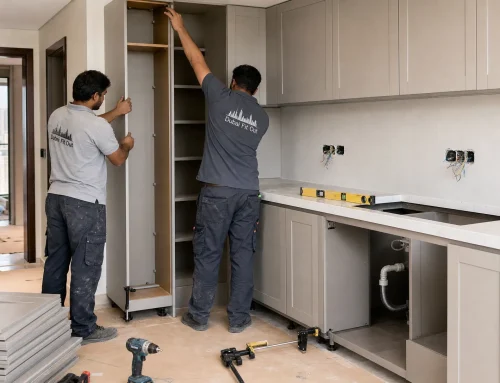
A renovation company manages these handoffs so each stage is completed, inspected, and ready for the next.
Procurement planning prevents avoidable downtime
Materials control the rhythm of a renovation. If tiles, sanitaryware, doors, fittings, lights, or custom carpentry materials are not ready when needed, site progress slows. In Dubai, some products may be available immediately, while imported or custom items can take longer.
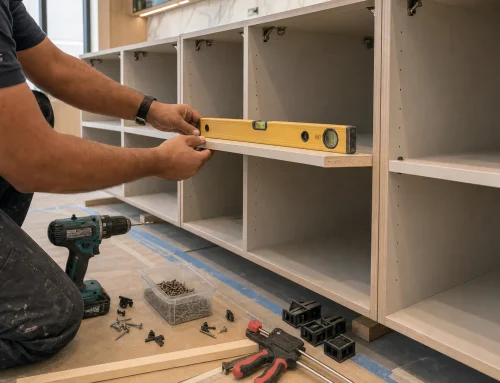
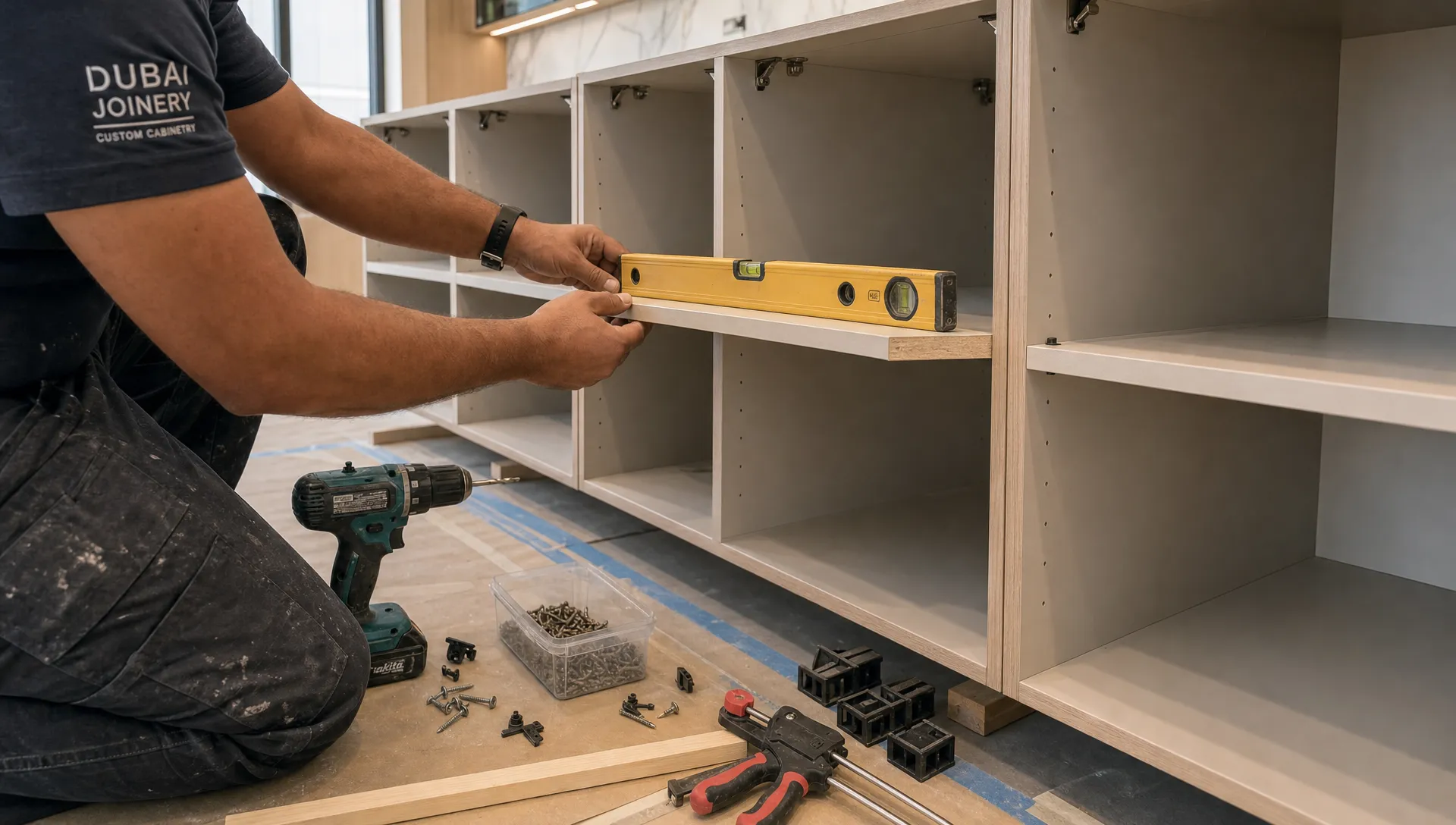
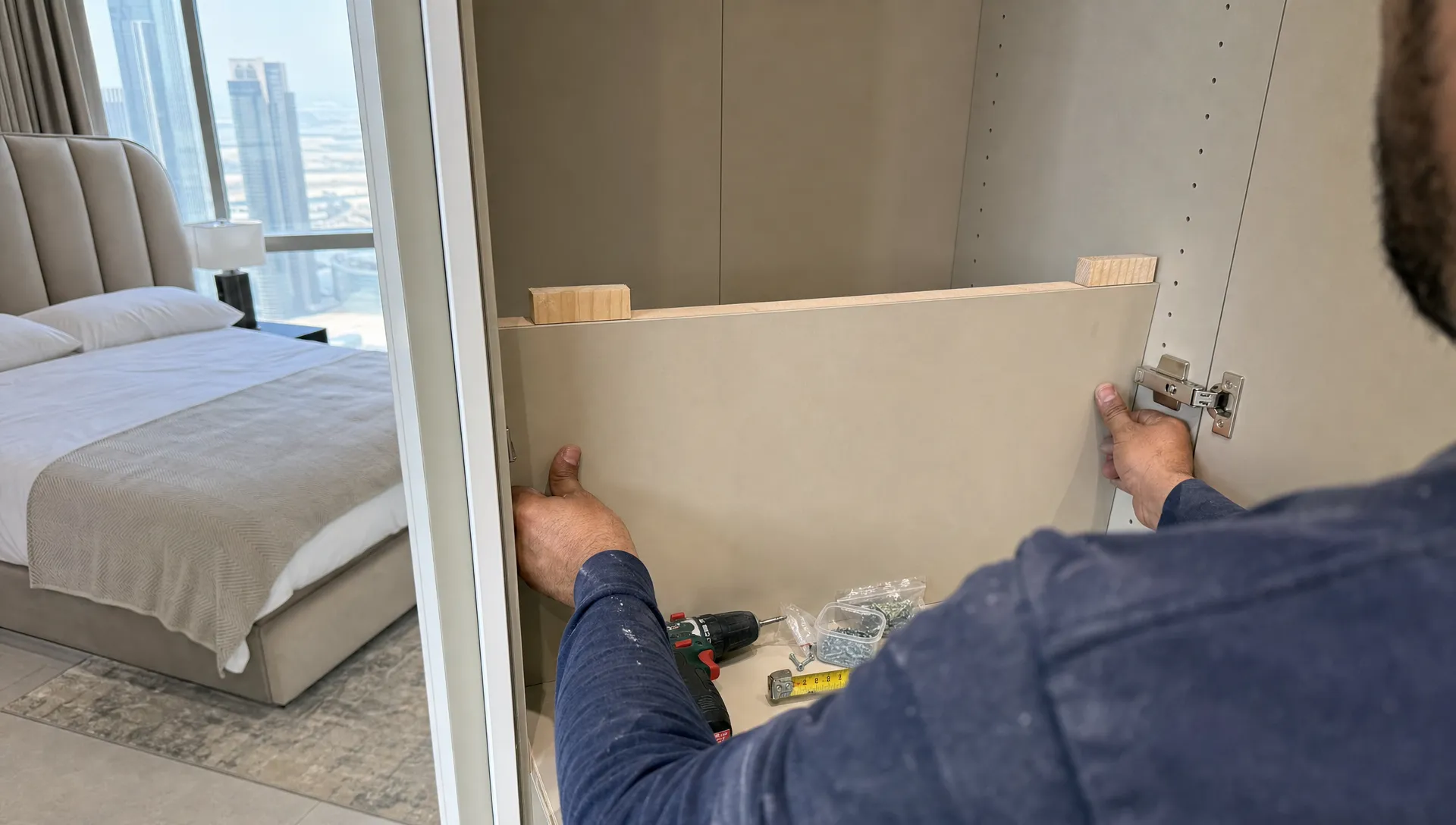
A professional property renovation company improves procurement flow by identifying long-lead items early. It can also help the client understand which decisions must be finalized first. For instance, kitchen design cannot be locked without appliance dimensions. Bathroom work may depend on shower mixer type, drain location, vanity size, and tile selection. Wardrobes and custom carpentry require measurements, finish approvals, and production time.
Good procurement is not only about buying materials. It is about aligning purchasing with the site schedule so materials arrive when they are needed, not too late and not so early that they clutter or risk damage on site.
Communication turns uncertainty into action
Even well-planned renovations involve daily decisions. The difference between a smooth project and a stressful one is often communication. A reliable renovation company sets clear channels for updates, approvals, site questions, change requests, and issue resolution.
For homeowners, this reduces the feeling of being pulled into every small site problem. For contractors, it reduces delays caused by waiting for decisions. For everyone, it creates accountability.
Clear communication should cover:
- What work has been completed
- What work is planned next
- Which decisions are pending from the client
- Which materials are approved, ordered, or delayed
- Whether any site condition has changed the plan
- How changes affect cost or timeline
This is especially important when the client is not living near the property or is managing the renovation while working full-time. The project should not depend on guesswork or informal verbal decisions that are forgotten later.
Managing changes without derailing the project
Changes are normal in renovation. A client may choose a different tile, add storage, upgrade lighting, or change a bathroom layout after seeing the space opened up. Sometimes changes are caused by hidden site conditions, such as damaged pipes or uneven subfloors.
The issue is not whether changes happen. The issue is how they are managed.
A professional company protects project flow by documenting change requests, confirming cost impact, checking schedule impact, and making sure affected trades are informed before the work continues. This prevents a small change from becoming a chain reaction of confusion.
For example, moving a vanity may affect plumbing, tile cuts, mirror placement, lighting, and carpentry. If the change is approved without checking these connected items, the project may lose time later. A structured change process keeps the renovation flexible without letting it become uncontrolled.
Quality checks at each stage reduce final rework
Poor project flow often becomes visible at the end, when the client sees defects during handover. But most defects begin earlier. A tile alignment issue starts during layout. A paint defect may come from poor surface preparation. A door alignment problem may relate to frame installation or floor levels.
A property renovation company improves flow by checking quality throughout the job instead of waiting until the final day. Stage-by-stage checks help identify problems while they are still easy to correct.
Important quality checkpoints may include waterproofing before tiling, plumbing pressure checks where applicable, electrical point verification, tile levels and alignment, ceiling and wall surface preparation, cabinet measurements, flooring installation conditions, paint finish inspection, and final fixture testing.
These checks reduce rework, protect the schedule, and give clients more confidence that hidden elements have not been rushed.
Why project flow matters for occupied homes and businesses
Not every property can be treated like an empty construction site. Many Dubai renovations happen in occupied homes, tenanted apartments, villas with families nearby, or commercial spaces that need to reopen quickly. In these situations, flow is not just about contractor efficiency. It affects daily life, comfort, privacy, and business continuity.
For homes, smoother flow can reduce dust exposure, noise disruption, room downtime, and repeated movement of furniture. For commercial properties, it can reduce closure periods and help teams plan around trading hours, inspections, and fit-out milestones.
A renovation company can phase the work when needed. For example, a villa may be renovated by zones, or a commercial unit may prioritize essential areas first. Phasing requires careful sequencing because each completed area must be protected while work continues elsewhere.
How clients can support smoother renovation flow
A good renovation company carries the main responsibility for planning and coordination, but clients also play an important role. The smoother the decision-making process, the easier it is to keep the site moving.
Clients can help by confirming the scope early, approving drawings and finishes on time, being realistic about budgets, avoiding frequent design reversals, and responding quickly to key questions. It also helps to decide who has final approval authority if several family members, partners, or business stakeholders are involved.
Before starting, many property owners benefit from using a structured preparation document. This renovation work checklist for a smoother Dubai project is a practical starting point for organizing scope, approvals, budget, and handover expectations.
Choosing the right property renovation company in Dubai
The right company is not only the one that offers an attractive quotation. It is the one that can explain how the project will be planned, who will coordinate the site, how approvals will be handled, what decisions are needed before work begins, and how quality will be checked.
When comparing renovation companies, look for signs of process maturity. A professional team should be able to discuss site assessment, scope documentation, scheduling, procurement, supervision, communication, and snagging. It should also be transparent about areas where cost or timing may change due to hidden site conditions or client-requested variations.
A strong renovation partner will not promise that every project is effortless. Instead, it will show how it reduces friction, manages risk, and keeps the work moving with fewer surprises.
Frequently Asked Questions
How does a property renovation company improve project flow? A property renovation company improves project flow by planning the scope, sequencing trades, coordinating materials, managing approvals, communicating updates, and checking quality at each stage so the project moves with fewer delays.
Why do renovation projects in Dubai need strong coordination? Dubai projects may involve building management rules, authority requirements, community guidelines, delivery access, and specialist trades. Strong coordination helps prevent delays caused by missed permissions, late materials, or poorly timed work.
Can better planning reduce renovation costs? Better planning can reduce avoidable costs by limiting rework, rushed purchases, idle labour, and late design changes. It may not remove every unexpected issue, but it gives the project a clearer structure for controlling decisions.
When should I contact a renovation company? It is best to contact a renovation company before finalizing layouts, materials, or budgets. Early input helps align design ideas with site conditions, approvals, procurement timelines, and realistic execution steps.
What should I prepare before meeting a renovation company? Prepare your goals, property type, preferred timeline, budget range, photos or drawings if available, and a list of areas you want to renovate. The clearer your brief, the easier it is to create a smooth project plan.
Plan your renovation with a clearer process
A smooth renovation is not accidental. It comes from careful planning, organized sequencing, timely decisions, and experienced site coordination. Whether you are upgrading a villa, remodeling a kitchen, renovating a bathroom, improving interiors, or planning fit-out work, the right process can make the experience more predictable from start to finish.
Best Renovation provides renovation services in Dubai for homes, villas, kitchens, bathrooms, interiors, fit-out works, plumbing, carpentry, wooden flooring, and wall painting. To discuss your property and plan the next step, visit Best Renovation.