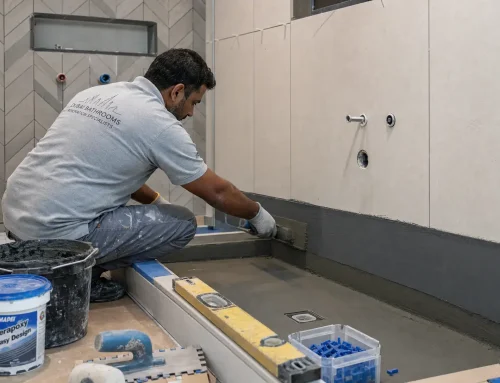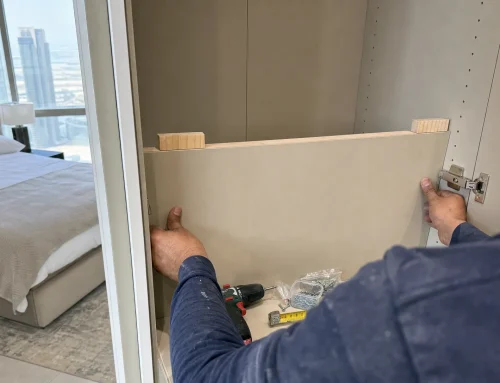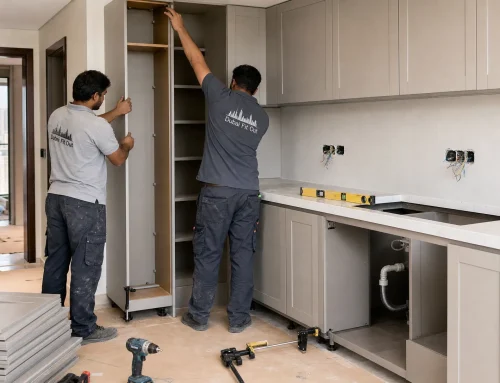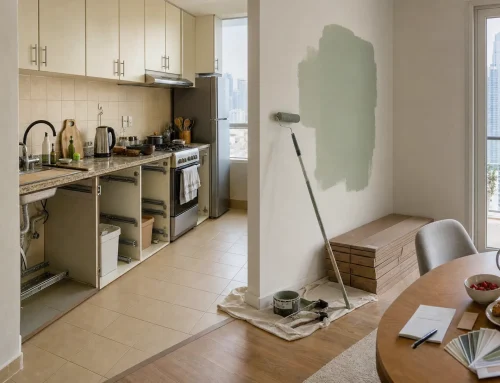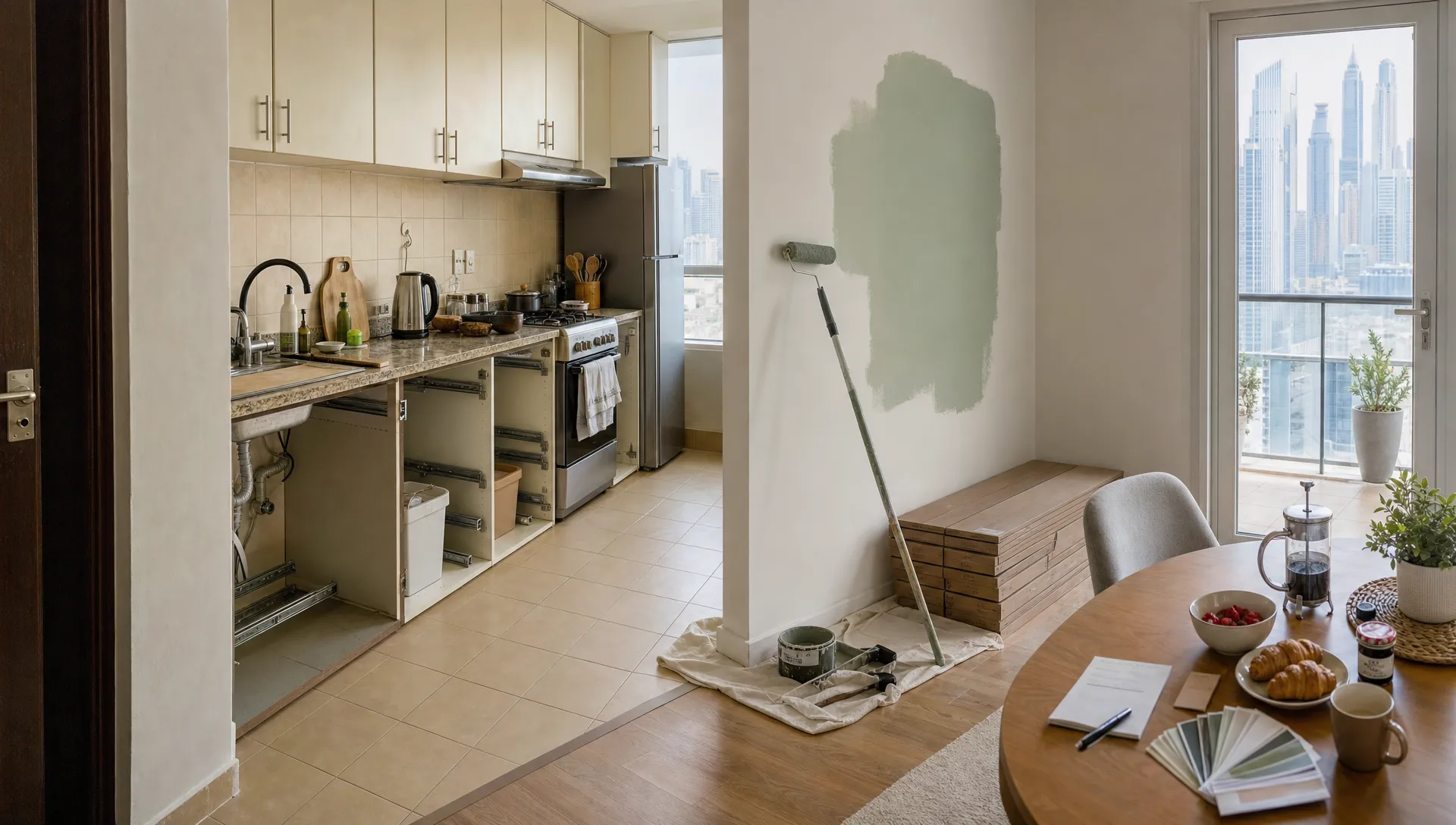
Hiring a renovation contractor is one of the most important decisions you will make before upgrading a villa, apartment, townhouse, kitchen, bathroom, or commercial space. The right team can turn a stressful project into a structured, well-managed experience. The wrong one can lead to delays, hidden costs, poor finishes, and avoidable disputes.
In Dubai, the decision matters even more because renovations often involve developer approvals, building management rules, strict community guidelines, premium materials, and climate-specific requirements such as waterproofing, ventilation, AC performance, and heat-resistant finishes. If you are searching for a contractor for home renovation, the goal is not simply to find the lowest quote. It is to find a qualified, transparent, and detail-focused partner who can deliver the result you expect.
This guide walks you through how to hire confidently, what to check before signing, which questions to ask, and how to compare contractors without getting misled by attractive but incomplete offers.
Start With a Clear Renovation Brief
Before you contact any contractor, define what you want to achieve. Many homeowners begin with a general idea, such as making the kitchen more modern or refreshing the entire home, but contractors need specific details to prepare accurate proposals.
Your renovation brief should explain the type of property, the areas you want to renovate, the problems you want to solve, your preferred style, your expected timeline, and your budget range. For example, a kitchen remodel may involve new cabinetry, plumbing adjustments, stone countertops, lighting, flooring, appliance installation, and painting. A full home renovation may include interior design, MEP upgrades, bathrooms, carpentry, flooring, wall painting, and fit-out work.
A clear brief helps contractors quote on the same scope, which makes comparison easier. It also reduces misunderstandings later, especially when deciding what is included and what is treated as an extra.
If you are still shaping your ideas, you can explore broader planning advice in this home renovation Dubai guide before requesting quotations.
Check Experience With Your Type of Property
Not every renovation contractor is suitable for every project. A team that handles basic painting may not be the right choice for a luxury villa renovation with custom joinery, marble finishes, smart lighting, bathroom remodeling, and outdoor upgrades. Likewise, apartment renovations require experience with building access, service elevators, noise rules, waste removal, and management approvals.
Ask contractors to show projects similar to yours. For a villa, look for experience with layouts, extensions, bathrooms, kitchens, flooring, exterior areas, and landscaping coordination. For an apartment, look for compact space planning, storage solutions, acoustic control, plumbing limitations, and high-rise building procedures. For a commercial renovation, check whether they understand fit-out sequencing, safety, durability, and practical workflow.
Portfolio review is a common way to assess quality in premium service industries. People often study before-and-after results before trusting a specialist, whether for interiors or a personal style service such as Kimistry Hair Boutique, because finished work reveals taste, consistency, and attention to detail. Use the same mindset when reviewing a renovation contractor: do their completed projects match the standard you want in your own home?
Verify Licensing, Insurance, and Approval Knowledge
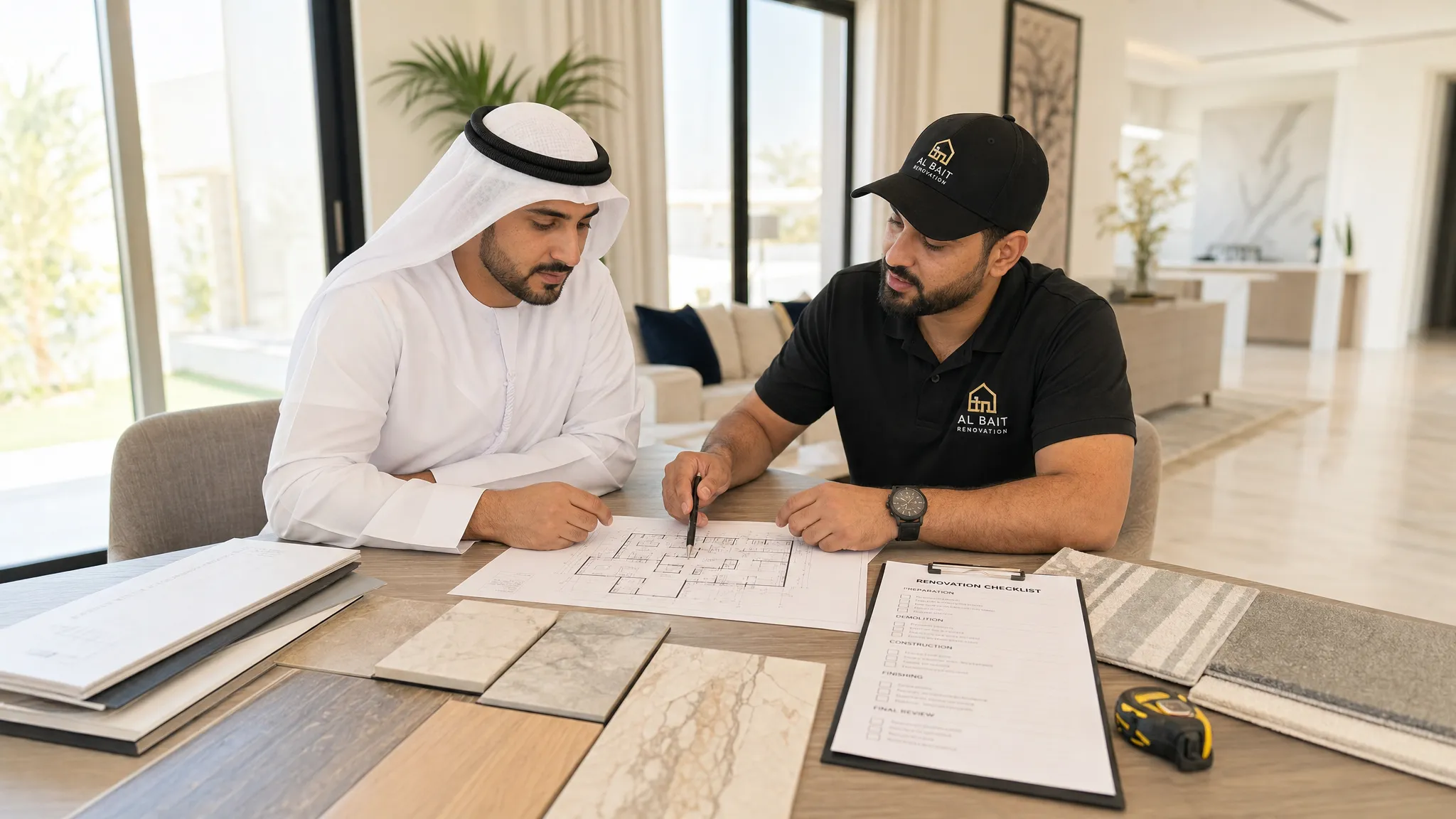
A professional renovation contractor in Dubai should be able to provide proof of a valid trade license and explain how approvals are handled for your type of work. Depending on the property, renovation may require approval from the developer, building management, Dubai Municipality, community management, or other relevant authorities. Requirements vary based on whether the work is cosmetic, structural, MEP-related, external, or within a managed building.
Do not accept vague promises such as, “No approval is needed,” without explanation. Some simple decorative work may be straightforward, but structural changes, plumbing relocation, electrical modifications, facade changes, extensions, and major fit-out work often require formal review.
A reliable contractor should also take site safety seriously. Ask about insurance, worker safety practices, dust protection, floor protection, debris disposal, and how they manage work in occupied homes. These details may not be glamorous, but they protect your property and reduce risk.
| What to Check | What to Ask | Why It Matters |
|---|---|---|
| Trade license | Can you share your valid UAE trade license and relevant activity? | Confirms the business is legitimate and properly registered. |
| Similar experience | Have you completed projects like mine in Dubai? | Shows whether the team understands your property type and scope. |
| Approvals | Which approvals may be required for this renovation? | Helps avoid delays, fines, or rejected work. |
| Insurance and safety | How do you protect workers, residents, and the property? | Reduces liability and damage risk. |
| Project management | Who will supervise the work daily? | Ensures accountability and communication. |
| Warranty or aftercare | What happens if a defect appears after handover? | Gives clarity after completion. |
Compare Detailed Quotations, Not Just Final Prices
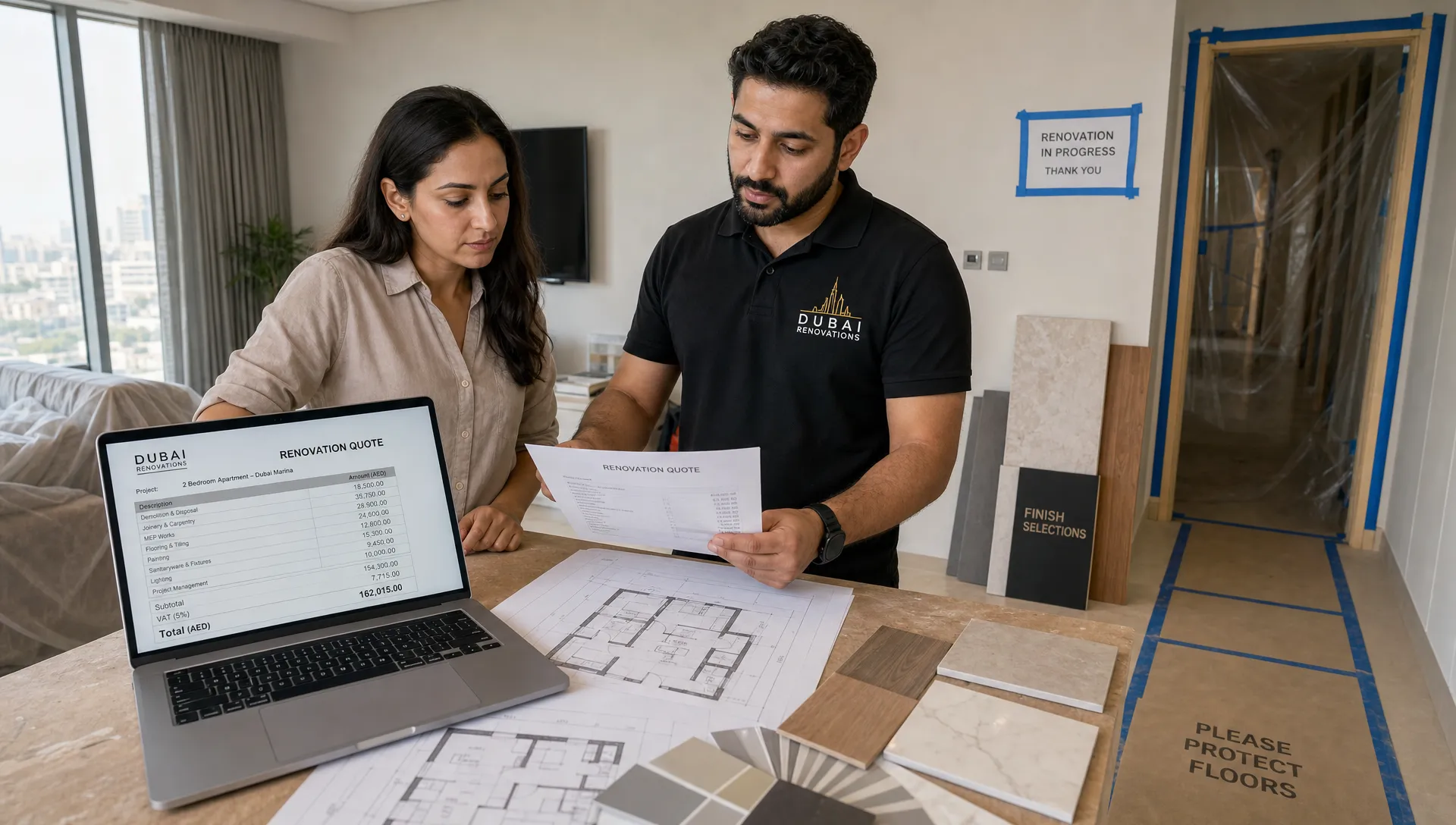
One of the biggest mistakes homeowners make is comparing only the total amount at the bottom of each quotation. A lower quote may exclude essential work, use lower-grade materials, ignore approvals, or leave design details unresolved. A higher quote may include better supervision, stronger materials, and a more complete scope.
Ask for a detailed quotation that breaks down major items such as demolition, civil work, plumbing, electrical work, waterproofing, carpentry, flooring, painting, fixtures, fittings, lighting, waste removal, and project management. For kitchens and bathrooms, make sure the quote specifies materials, hardware, waterproofing systems, countertop types, sanitaryware allowances, and installation details.
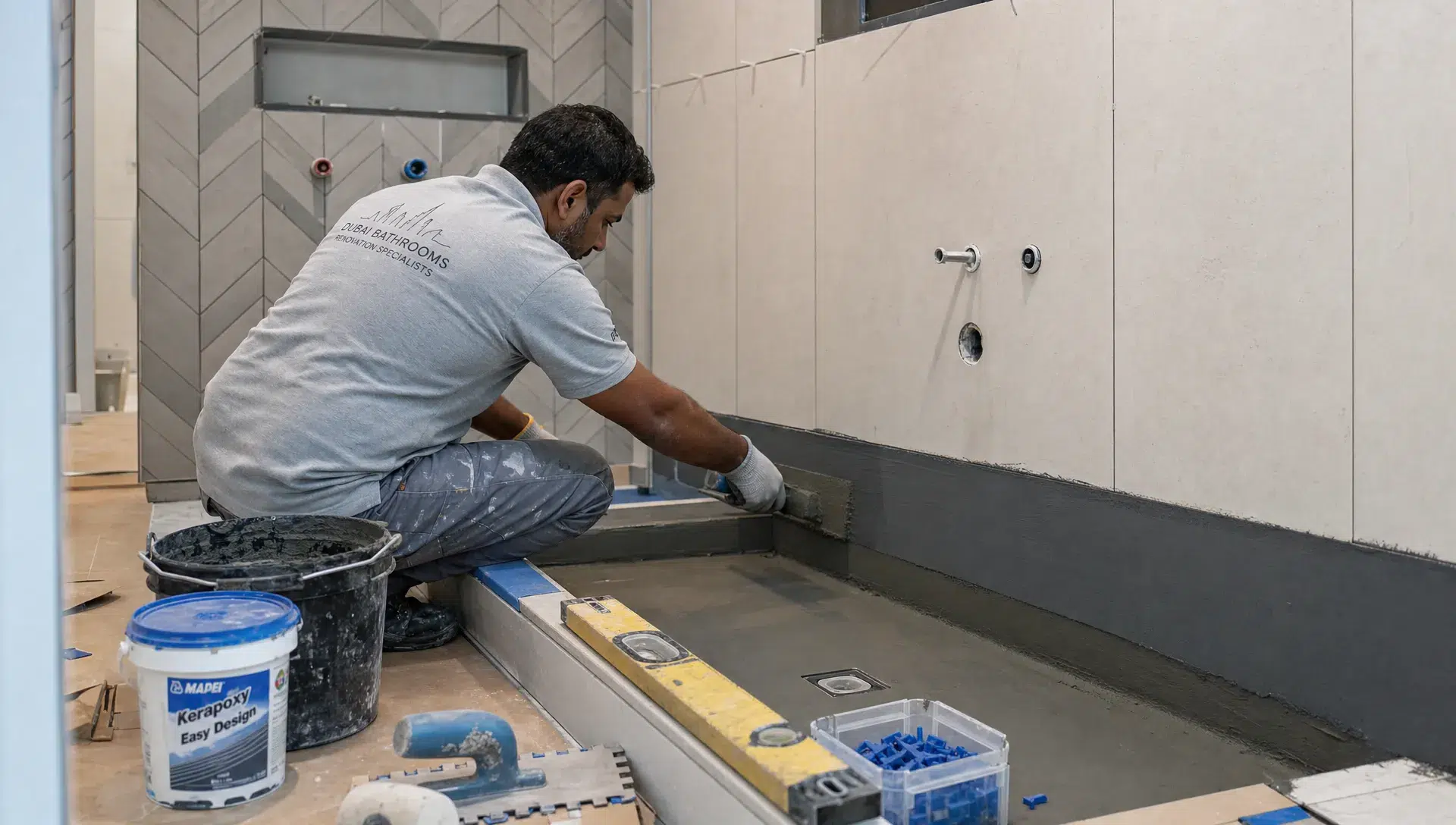
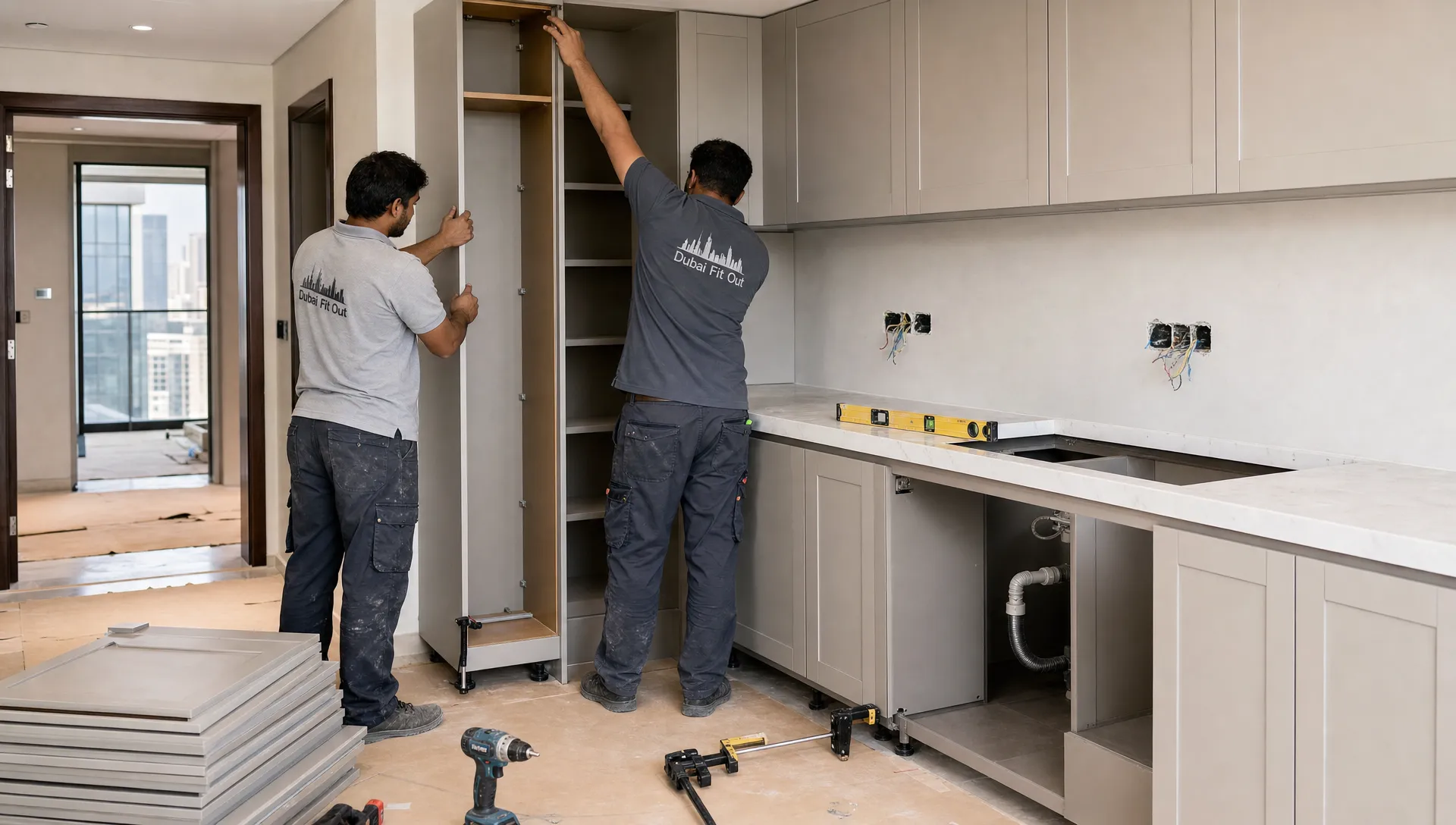
If you are planning a kitchen upgrade, review what professional kitchen work typically includes through this kitchen renovation service overview. For wet areas, especially in Dubai homes where moisture and AC condensation can affect finishes, bathroom scope should be particularly clear. You can also compare planning points in this bathroom renovation Dubai resource.
Understand What Is Included and Excluded
A strong quotation should make the contractor’s responsibility obvious. If something is unclear, ask before signing. Common disputes often happen because homeowners assume that certain items are included while contractors consider them optional extras.
Pay special attention to exclusions. These may include authority fees, developer NOC fees, upgraded fixtures, appliances, loose furniture, decorative lighting, special paint effects, imported materials, smart home devices, custom glass, landscaping, or hidden repair work discovered after demolition.
There is nothing wrong with exclusions if they are transparent. The problem is when the quotation looks attractive because it hides important costs.
| Quotation Item | Good Sign | Warning Sign |
|---|---|---|
| Scope of work | Clear room-by-room or trade-by-trade breakdown | One-line quote with little detail |
| Materials | Brand, type, finish, or allowance stated | Generic terms like “premium quality” only |
| Timeline | Estimated start date, duration, and milestones | No schedule or unrealistic promise |
| Payment terms | Linked to progress stages | Large advance with no clear milestone |
| Approvals | Responsibility explained | Contractor avoids the topic |
| Variations | Written change order process | Verbal agreement only |
| Handover | Snagging, cleaning, and final inspection included | No final quality check mentioned |
Interview the Contractor Before You Commit
A site visit and conversation can reveal more than a quotation. Use the meeting to judge communication, technical understanding, and professionalism. The best contractors ask detailed questions, inspect the property carefully, explain constraints honestly, and do not pressure you into instant decisions.
Prepare a short list of questions before the meeting:
- Have you handled this type of renovation in Dubai before?
- Who will be my main point of contact during the project?
- How often will I receive progress updates?
- What approvals may be required before work starts?
- How do you handle design changes after work begins?
- What materials do you recommend for Dubai’s climate?
- How do you protect floors, furniture, elevators, corridors, and neighboring units?
- What is your snagging and handover process?
Listen carefully to how the contractor responds. A trustworthy professional will explain trade-offs clearly. For example, they may tell you that relocating plumbing can increase cost and approval complexity, or that a particular finish may not perform well in humid areas. That kind of honesty is valuable.
Review the Contractor’s Process
A renovation project should follow a structured process. The exact steps depend on project size, but a professional contractor should be able to explain how your project will move from consultation to design, approvals, execution, inspection, and handover.
For a larger home renovation, the process usually includes an initial site survey, scope discussion, design development, material selection, quotation, approvals, procurement, site preparation, construction, finishing, snagging, and final handover. For smaller works such as wall painting, wooden flooring, or carpentry, the process may be simpler, but it still needs scheduling, protection, quality checks, and clear completion standards.
A contractor without a process may rely too heavily on improvisation. That can create confusion once multiple trades are working on site. Plumbing, electrical, carpentry, flooring, painting, and fit-out work must be sequenced correctly to avoid rework.
Look for Practical Design Advice, Not Just Execution
The best contractor for home renovation is not only a builder. A strong renovation partner can help you make practical decisions that improve daily living. This is especially important in Dubai, where many homes need smarter storage, better cooling efficiency, durable finishes, and layouts that support family life and entertaining.
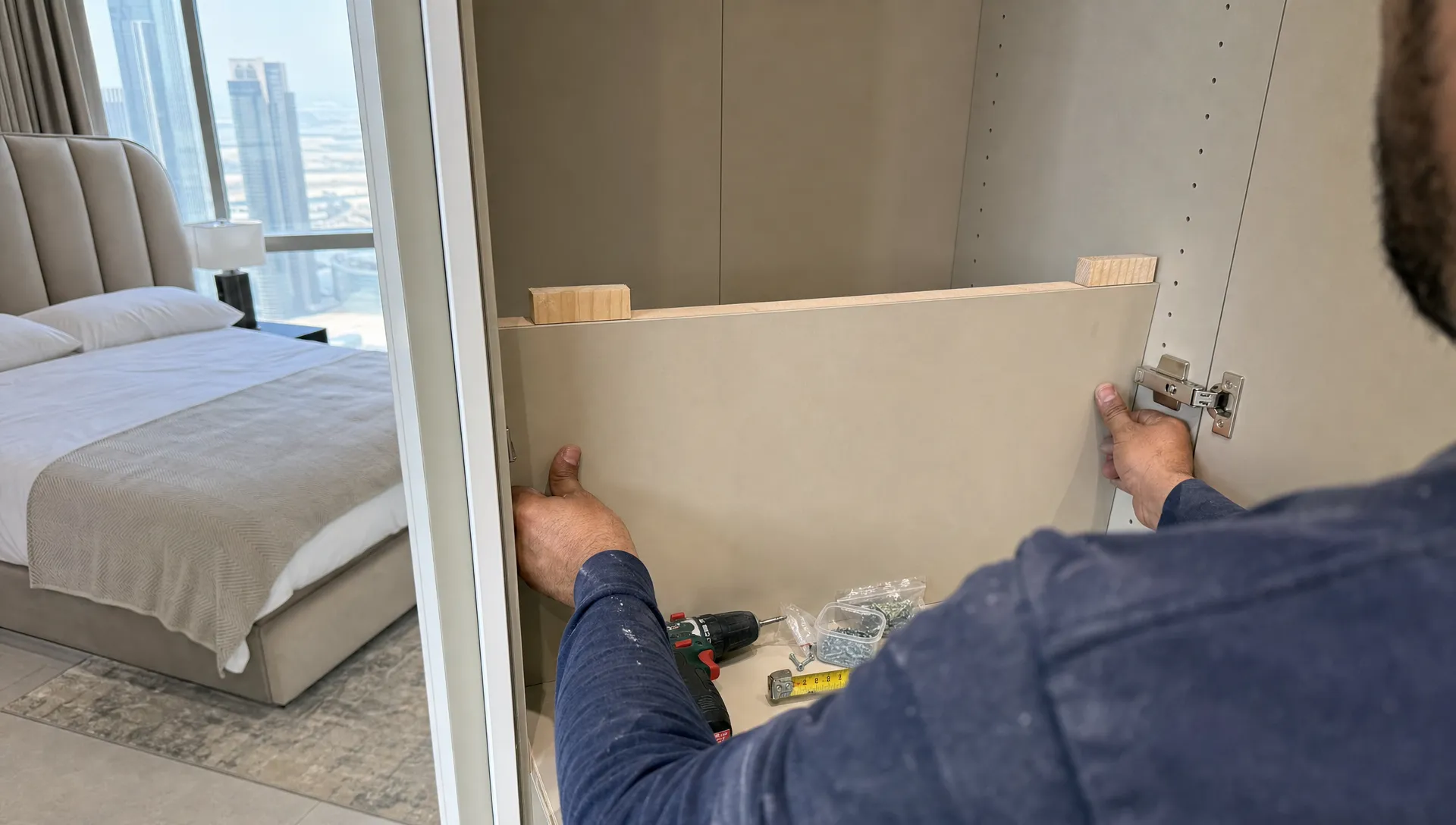
For example, a good contractor may suggest anti-slip bathroom tiles, moisture-resistant cabinetry, better under-sink access, layered lighting, built-in wardrobes, more durable flooring, or ventilation improvements. In villas, they may advise on outdoor material selection, heat exposure, waterproofing, and indoor-outdoor transitions. In apartments, they may recommend space-saving joinery, lighter finishes, and careful MEP planning.
You are not only paying for labor. You are paying for judgment, coordination, and experience.
Beware of Red Flags
Some warning signs appear early. If you notice them during the quotation stage, think carefully before proceeding. A contractor who is difficult to communicate with before receiving payment may become even harder to manage later.
Common red flags include:
- Refusing to provide license details or company information.
- Giving a quote without visiting the site for anything beyond minor work.
- Offering a very low price without explaining materials or scope.
- Asking for a large cash payment upfront.
- Avoiding written contracts, drawings, or specifications.
- Promising unrealistic timelines just to win the job.
- Dismissing approvals or building management rules.
- Showing no clear project supervisor or communication plan.
A professional contractor will not object to reasonable due diligence. In fact, organized clients usually make projects smoother for everyone.
Put Everything in Writing
Once you choose a contractor, do not rely on verbal agreements. A written contract protects both sides and sets expectations clearly. It should include the full scope, drawings or design references, material specifications, payment schedule, estimated timeline, responsibilities, approval requirements, variation process, site rules, warranty terms, and handover procedure.
For payment schedules, avoid paying the full amount before the work is complete. A reasonable structure is usually tied to project milestones, such as mobilization, completion of civil work, completion of MEP rough-ins, installation of finishes, and final handover. The exact schedule depends on project type, procurement needs, and materials, but it should always be transparent.
If you make changes during the project, request a written variation order. This should state the cost impact, timeline impact, and revised scope. Changes are normal in renovation, especially after demolition reveals hidden conditions, but they should be documented.
Visit the Site at Key Milestones
Even if your contractor manages the work professionally, you should stay involved. Site visits help you catch issues early and confirm that the design is developing as expected. You do not need to inspect every screw, but you should review important stages before they are covered by finishes.
Key inspection moments include demolition completion, plumbing and electrical rough-ins, waterproofing before tiling, flooring preparation, cabinetry measurements, paint sample approval, fixture installation, and final snagging.
During snagging, check doors, drawers, tiles, grout lines, silicone finishing, paint consistency, lighting, switches, water pressure, drainage, AC vents, flooring transitions, and overall cleanliness. A good contractor will expect this and resolve legitimate snags before final handover.
Balance Cost, Quality, and Trust
Hiring the best contractor is not about choosing the most expensive team or the cheapest one. It is about finding the best fit for your scope, expectations, budget, and property. A contractor who communicates clearly, documents details, understands Dubai requirements, and takes pride in finishing will often save you money in the long run by reducing mistakes and delays.
If you are comparing several companies, use a simple scoring system. Rate each contractor from 1 to 5 for experience, quotation detail, communication, timeline realism, approval knowledge, material quality, and overall trust. This makes your decision less emotional and more objective.
For additional comparison guidance, you can read this guide on how to compare renovation companies in Dubai.
Why Dubai Homeowners Choose a Professional Renovation Team
Dubai homes often combine luxury expectations with technical demands. A beautiful finish is important, but it must be supported by correct preparation, reliable MEP work, waterproofing, proper installation, and durable materials. This is why working with a qualified renovation team matters.
Best Renovation provides residential and commercial renovation services in Dubai, including home renovation, villa renovation, kitchen remodeling, bathroom renovation, interior design, fit-out solutions, plumbing, carpentry, wooden flooring, and wall painting. If your project involves multiple trades, choosing a coordinated team can make planning and execution easier.
Whether you are upgrading a family villa, modernizing an apartment, remodeling a kitchen, refreshing bathrooms, or planning a full interior fit-out, the hiring process should always begin with clarity, verification, and a written scope.
Frequently Asked Questions
How do I choose the best contractor for home renovation in Dubai? Start by defining your scope, then check licensing, similar project experience, quotation detail, approval knowledge, communication style, and contract terms. The best choice is usually the contractor who is transparent, technically capable, and realistic about cost and timeline.
Should I hire the cheapest renovation contractor? Not always. A very low quote may exclude important items or use lower-grade materials. Compare scope, specifications, supervision, approvals, and warranty terms before deciding.
How many renovation quotes should I get? For most projects, two to three detailed quotes are enough. Too many quotes can become confusing unless every contractor is pricing the same scope and material standard.
Do I need approvals for home renovation in Dubai? It depends on the property and scope. Cosmetic work may be simpler, while structural changes, MEP modifications, external works, and major fit-outs may require developer, building management, or authority approvals.
What should be included in a renovation contract? The contract should include scope of work, drawings or references, materials, payment schedule, timeline, approvals, variation process, warranty terms, and handover requirements.
Can I live in my home during renovation? It depends on the scope. Minor work may be manageable, but major kitchen, bathroom, flooring, plumbing, or full-home renovation can create dust, noise, and access issues. Ask the contractor to explain the safest and most practical arrangement.
Ready to Hire With Confidence?
A successful renovation starts long before construction begins. It starts with the right contractor, a clear scope, realistic planning, and honest communication.
If you are planning a home, villa, apartment, kitchen, bathroom, interior design, or fit-out project in Dubai, Best Renovation can help you turn your ideas into a practical, stylish, and well-executed space. Share your renovation goals, request a consultation, and take the next step toward a home that works beautifully for your lifestyle.