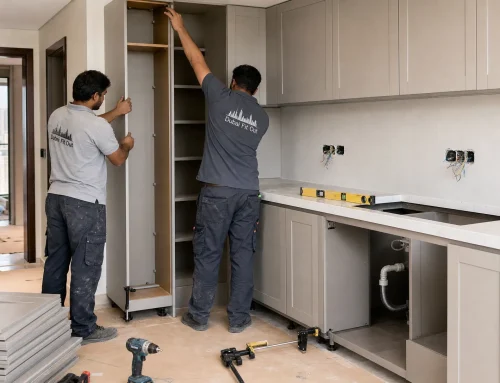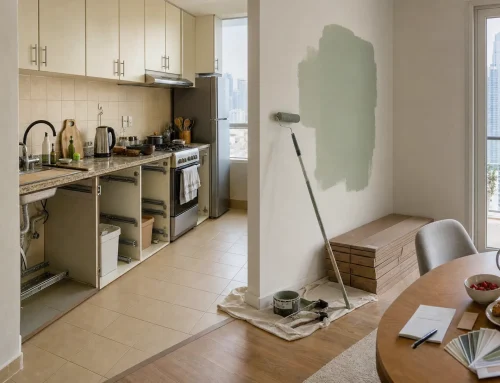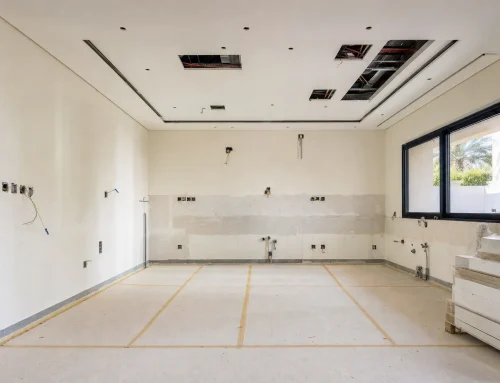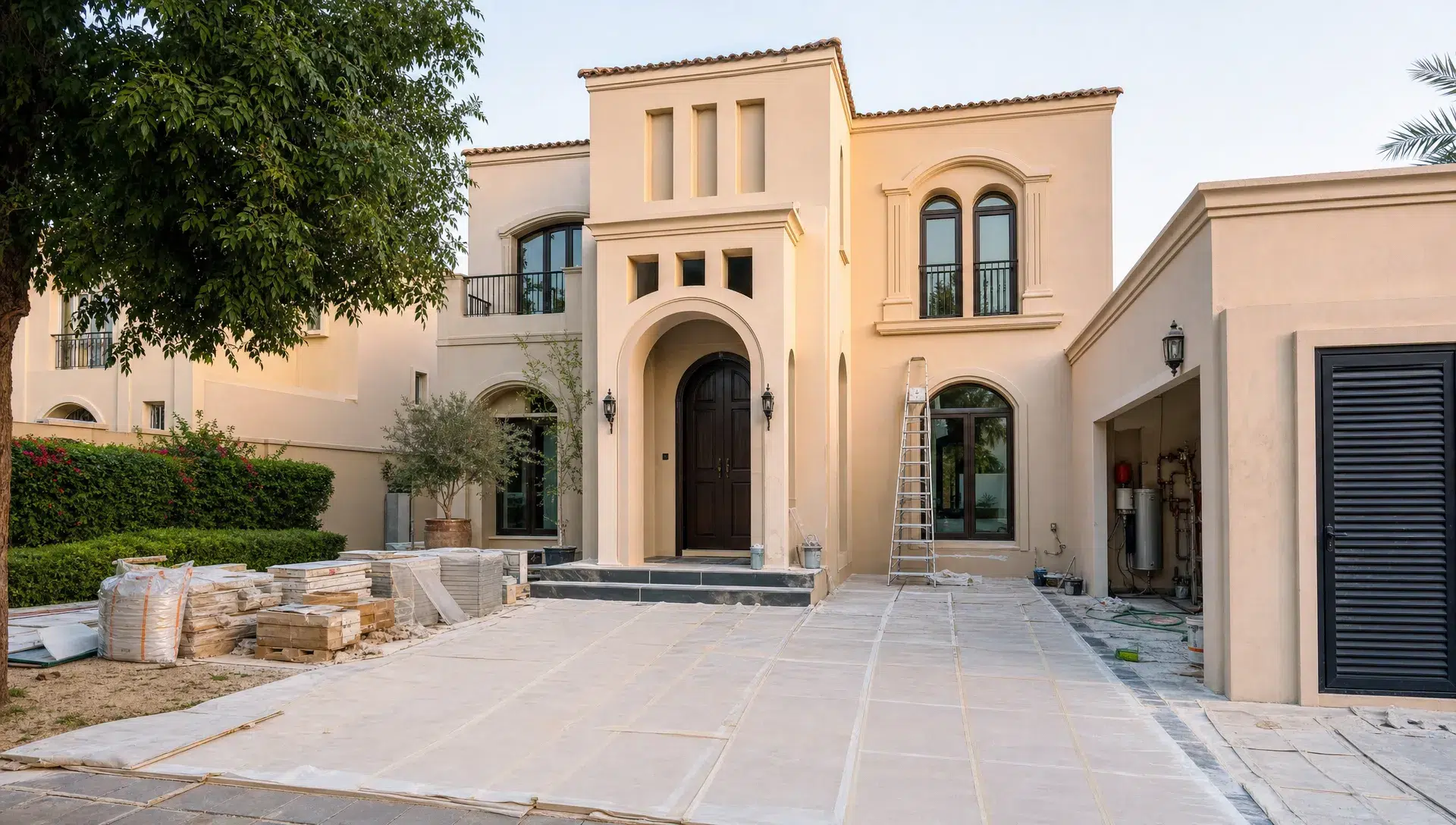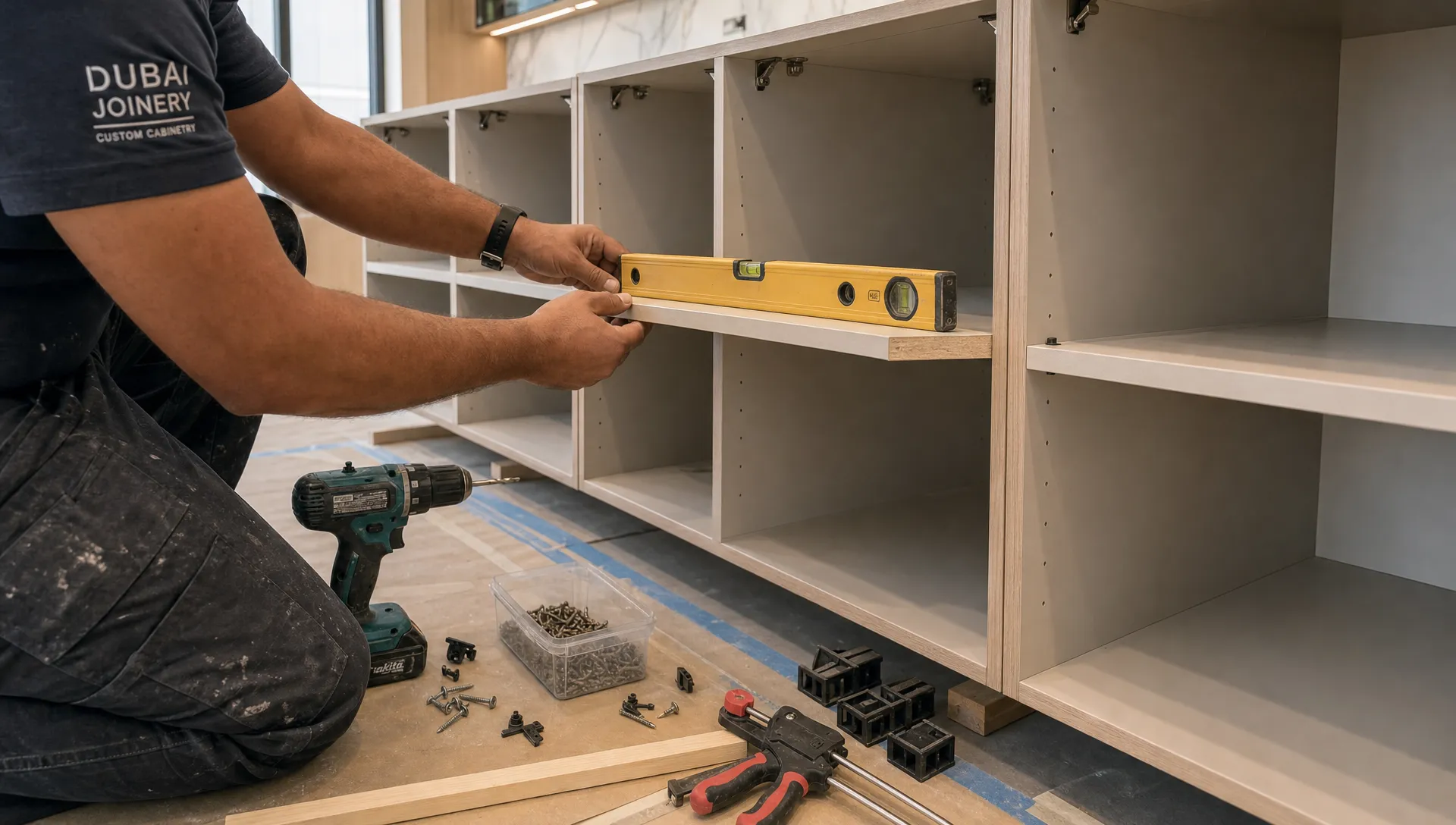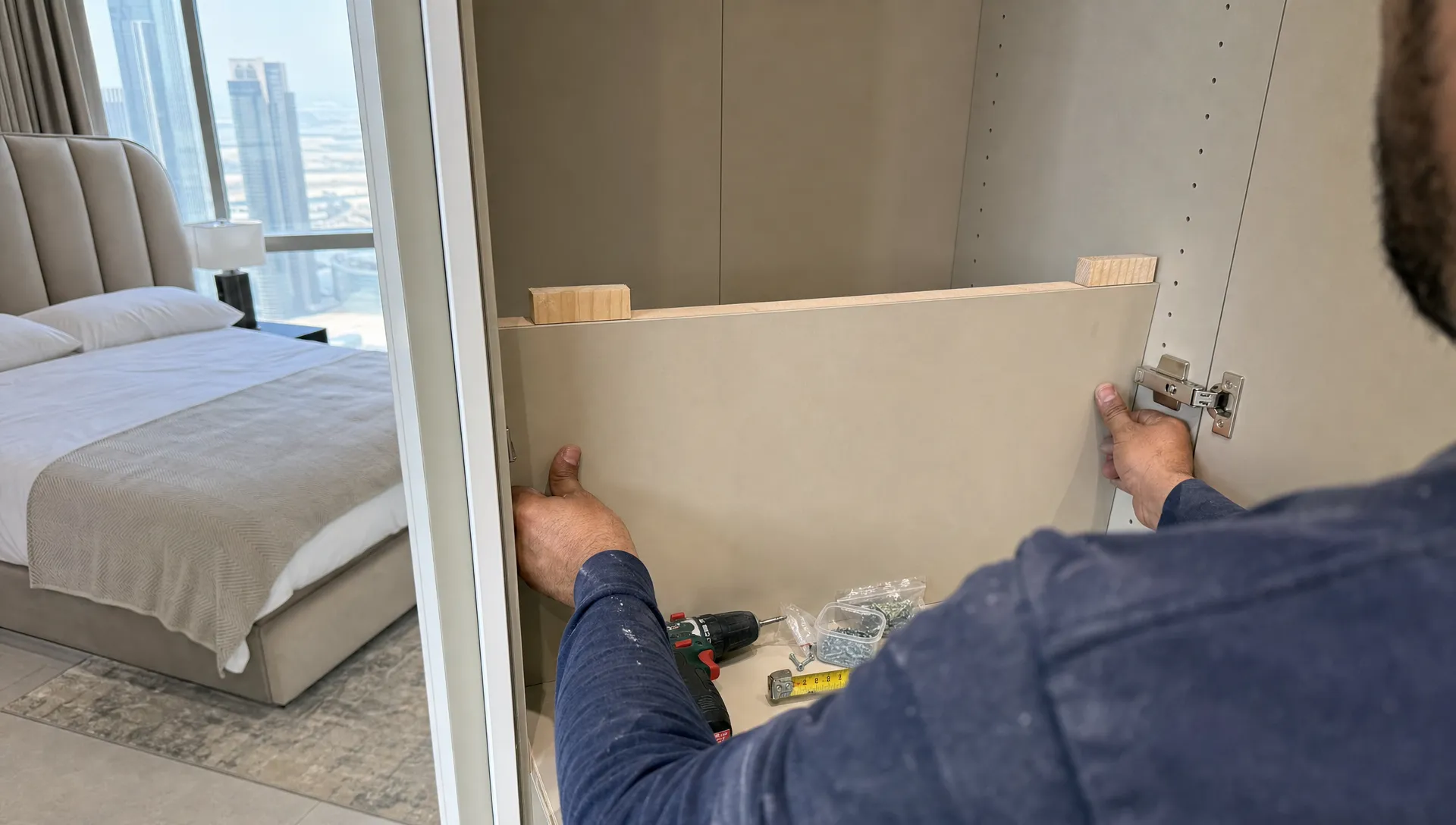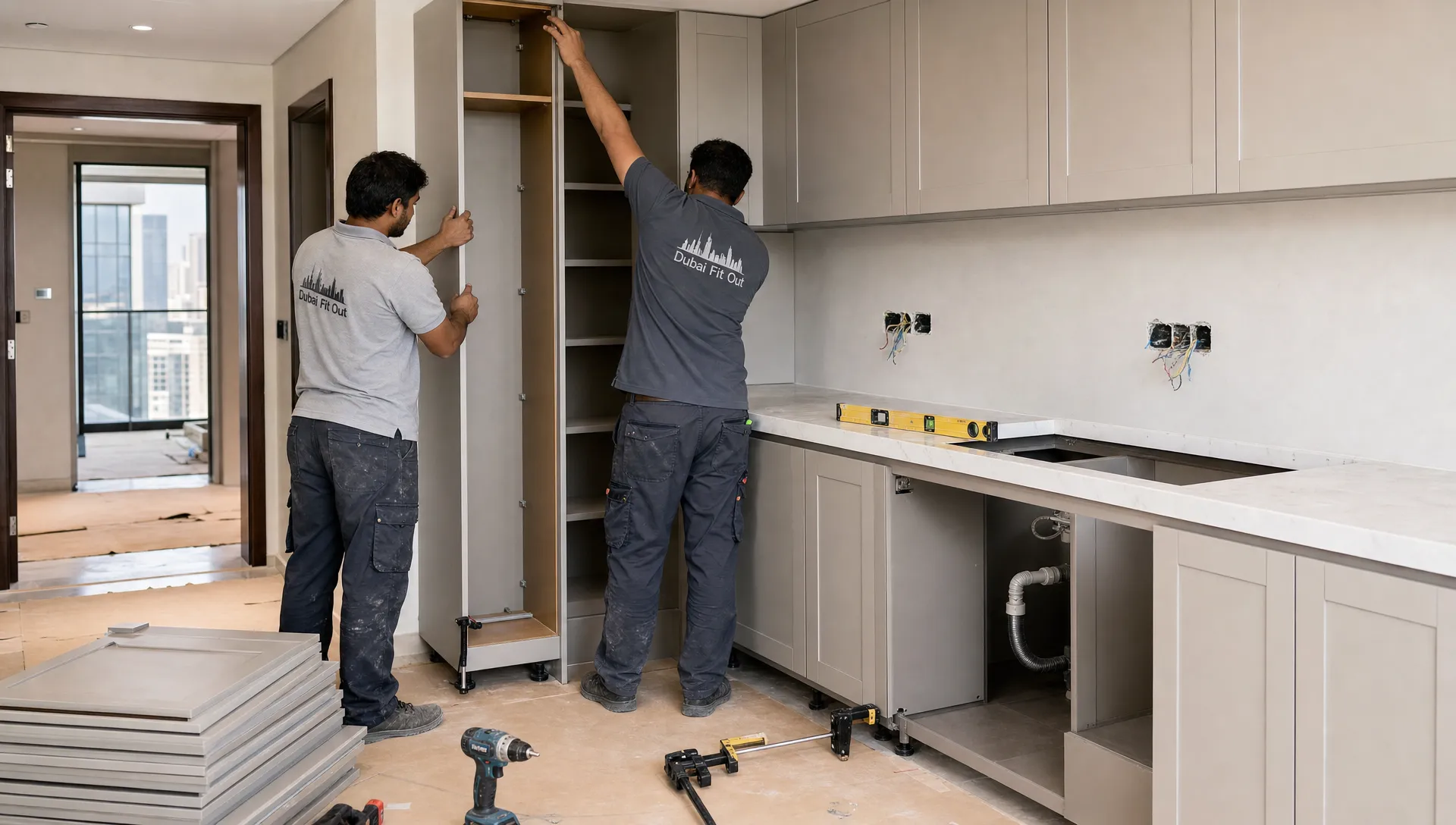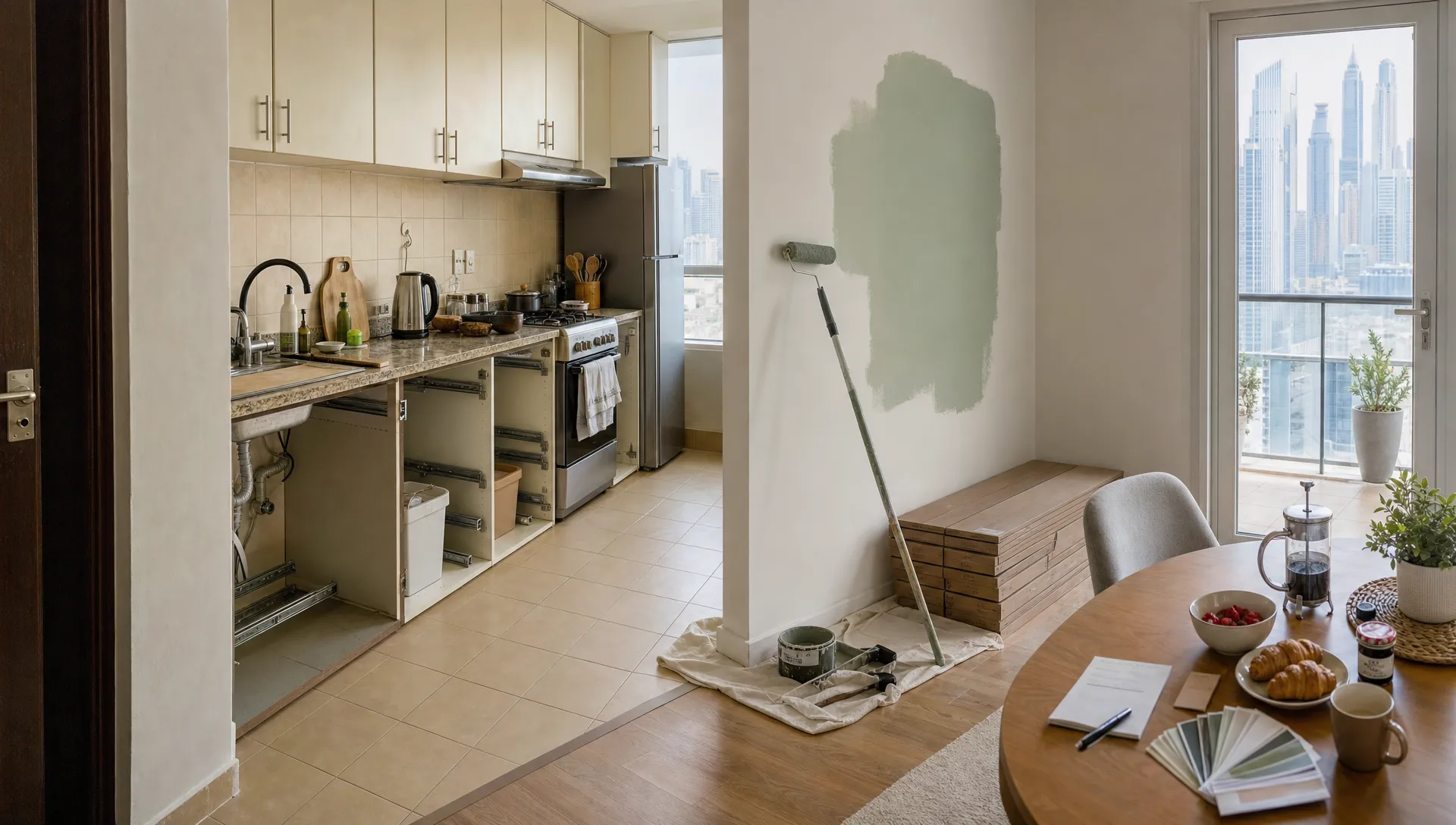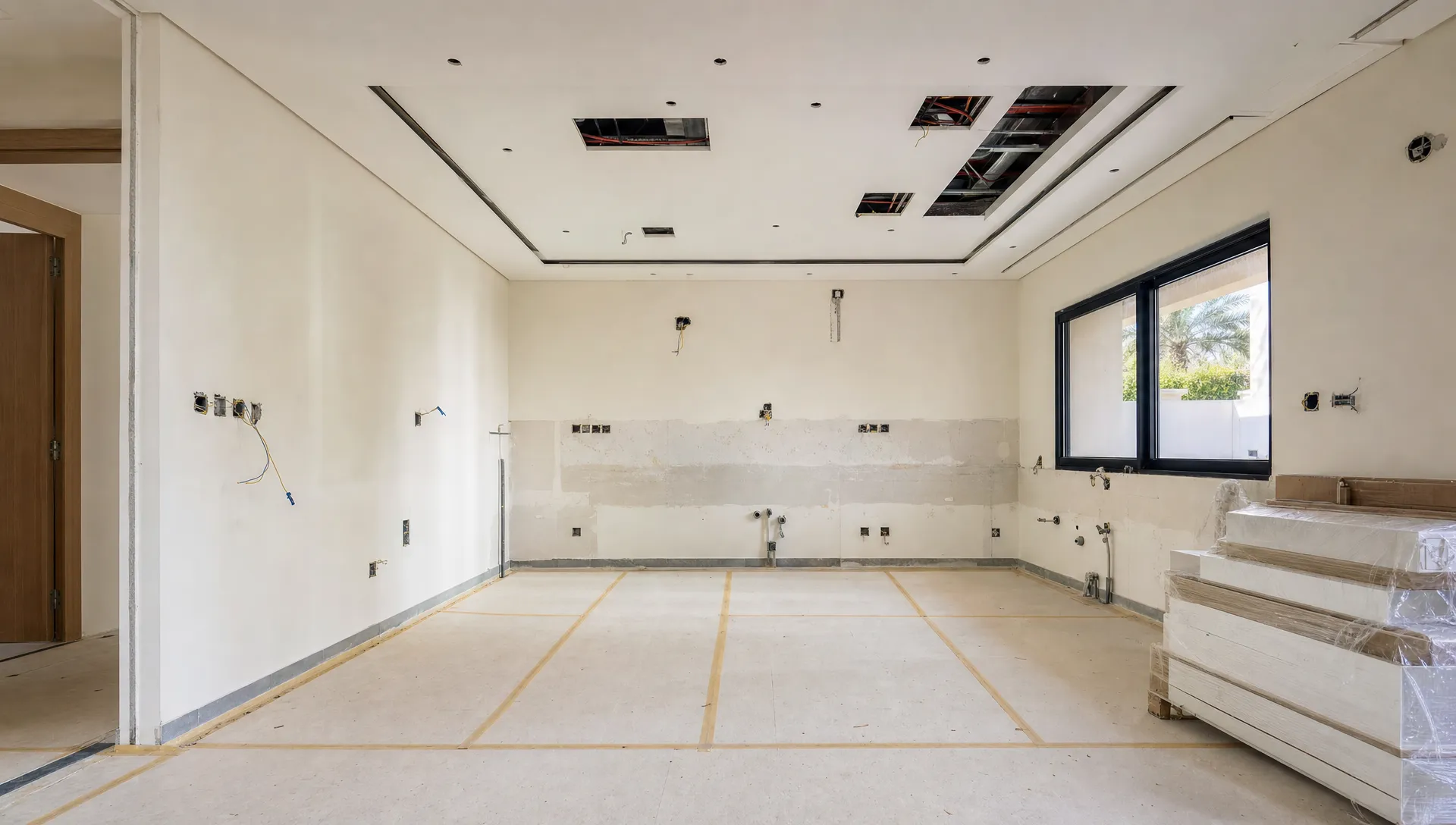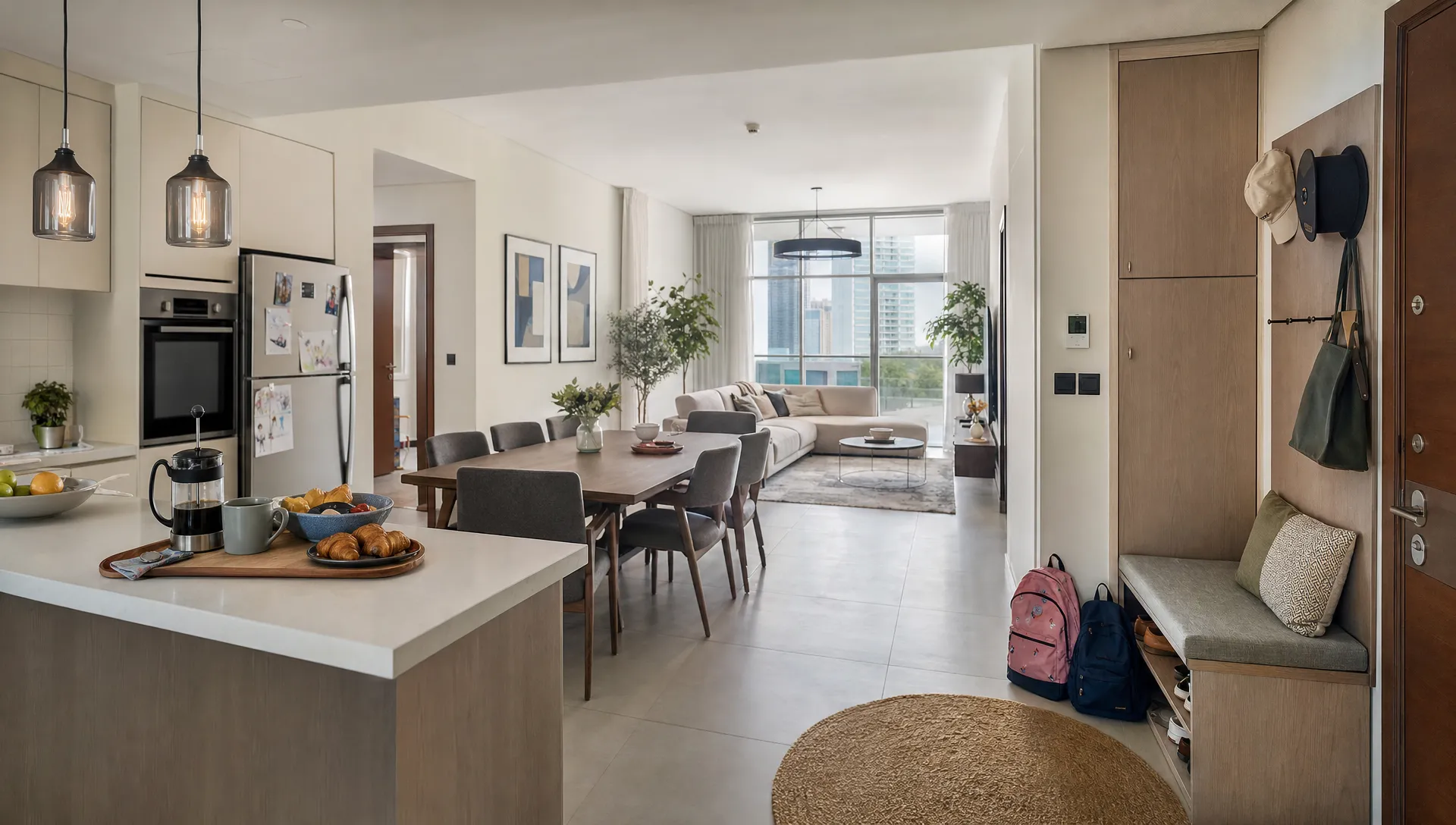
Modern living asks more from a home than attractive finishes. In Dubai, the best interiors handle heat, family routines, entertaining, hybrid work, storage and easy maintenance without feeling crowded. If you want to renovate home interior spaces successfully, start with how each room should work before choosing tiles, paint or furniture. A beautiful result matters, but the real win is an interior that feels calm, practical and tailored to the way you live every day.
Start With Modern Living, Not a Mood Board
A mood board can help you define a style, but it should not be the first decision. Modern interiors work because the layout, lighting, storage, materials and services support daily life. Before you decide on marble-look porcelain tiles or a feature wall, look at what currently slows you down at home.
In many Dubai apartments and villas, the problems are familiar: a kitchen that feels closed off from family life, a living room with poor lighting, a bathroom that lacks storage, bedrooms with oversized furniture or a hallway that becomes a dumping ground for shoes and bags. These issues cannot be fixed by decoration alone.
Before you renovate home interior spaces, write down the repeated frustrations in each room. Note where clutter gathers, which doors swing awkwardly, where the AC feels uneven, which sockets are inconvenient and where natural light is being blocked. This gives your renovation a practical brief instead of a vague request for a “modern look.”
A good renovation plan connects function with style. If your household cooks often, kitchen workflow deserves more attention than a decorative island. If you host guests, seating flow and lighting scenes matter. If you have children, pets or frequent visitors, durability should sit high on the priority list.
How to Renovate Home Interior Spaces Around Daily Routines
Modern living is not one design style. It is a way of planning a home so rooms can adapt to real needs. A compact apartment might need concealed storage and flexible furniture, while a villa might benefit from better zoning between formal entertaining, family time and quiet work areas.
Start by mapping what happens from morning to night. This simple step helps you see which rooms need more openness, which need privacy and which technical upgrades should be handled before finishes are installed. For a deeper look at designing around routines, Best Renovation also discusses how interior design renovations can transform everyday living in Dubai homes.
| Daily need | Interior response | Why it improves modern living |
|---|---|---|
| Hybrid work | Quiet work nook, acoustic treatment, better task lighting | Reduces distraction without needing a separate office |
| Family meals | Improved kitchen access, durable counters, practical dining flow | Makes cooking and gathering easier |
| Entertaining | Layered seating, dimmable lighting, guest-friendly circulation | Creates comfort without crowding |
| Storage | Built-in joinery, concealed cabinets, organized wardrobes | Keeps the home visually calm |
| Cooling comfort | Better airflow planning, window treatments, suitable materials | Helps rooms feel comfortable in Dubai’s climate |
The goal is not to copy a showroom. The goal is to create an interior that supports your weekday routines, weekend hosting and long-term comfort.
Rework the Layout Before You Spend on Finishes
A practical way to renovate home interior layouts is to study movement first. Walk through your home and notice every pinch point. Can two people pass comfortably in the kitchen? Does the dining table block access to the balcony? Is the TV wall forcing the sofa into an awkward position? These small daily irritations often reveal where layout changes will have the biggest impact.
Open-plan living remains popular, but modern planning is less about removing every wall and more about creating better connections. A kitchen can feel open to the living area while still using a peninsula, glass partition or ceiling detail to define zones. A family room can feel generous without losing a quiet reading corner or children’s play area.
For larger homes, zoning becomes even more important. Formal living, family living, dining, work and guest areas should not compete with one another. Good circulation makes a home feel larger because movement is natural and furniture is not fighting the architecture. If space planning is your main challenge, these renovation house design tips for better space planning can help you think beyond surface upgrades.
Do not finalize flooring, ceiling designs or joinery until the layout is settled. Changing the plan later can lead to rework, wasted materials and mismatched details.
Choose Finishes That Handle Dubai Life
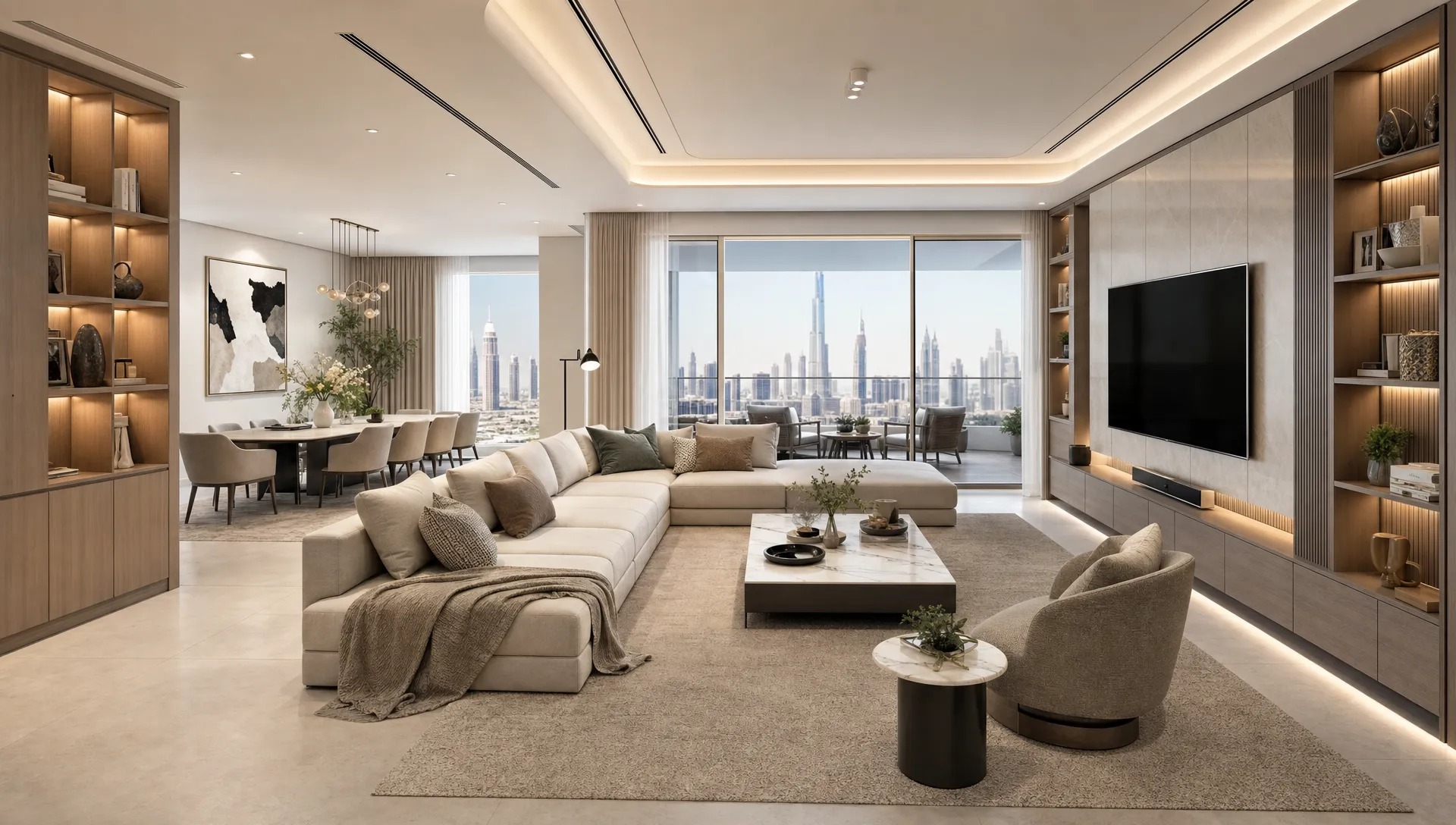
When you renovate home interior surfaces, choose materials for appearance, maintenance and comfort. Dubai homes deal with strong sunlight, dust, air conditioning, humidity changes and frequent cleaning. A finish that looks beautiful on day one should still feel appropriate after years of daily use.
For flooring, porcelain tiles are popular because they are durable, easy to clean and available in stone or wood effects. Engineered wood or high-quality wooden flooring can add warmth in bedrooms and living areas, but the specification and installation quality matter. In wet areas, slip resistance and proper waterproofing are more important than trend-led tile choices.
Walls also deserve practical thinking. Light, warm neutrals can make rooms feel larger and brighter, but a completely flat white interior can look cold under strong daylight. Consider washable paints for family areas, textured feature walls in moderation and moisture-resistant finishes for bathrooms and kitchens.
The most modern homes often feel simple because the material palette is controlled. Instead of using a different tile, paint color and metal finish in every room, repeat a few strong choices across the interior. This creates calmness and makes future repairs or upgrades easier.
Upgrade Kitchens and Bathrooms With Function First
Kitchens and bathrooms carry a large share of daily use, so they deserve careful planning. A modern kitchen is not only about glossy cabinets or an island. It should make cooking, cleaning, storage and movement easier. The classic work triangle can still help, but today’s kitchens also need space for small appliances, recycling, pantry storage and family interaction.
In apartments, a kitchen renovation might focus on opening sightlines, adding full-height cabinetry and improving countertop space. In villas, the opportunity might be to create a family kitchen with a breakfast area, a separate prep zone or a better connection to outdoor dining.
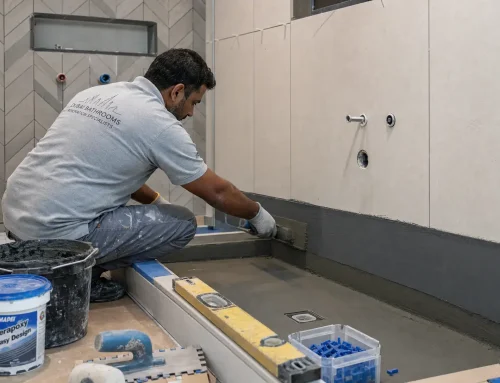
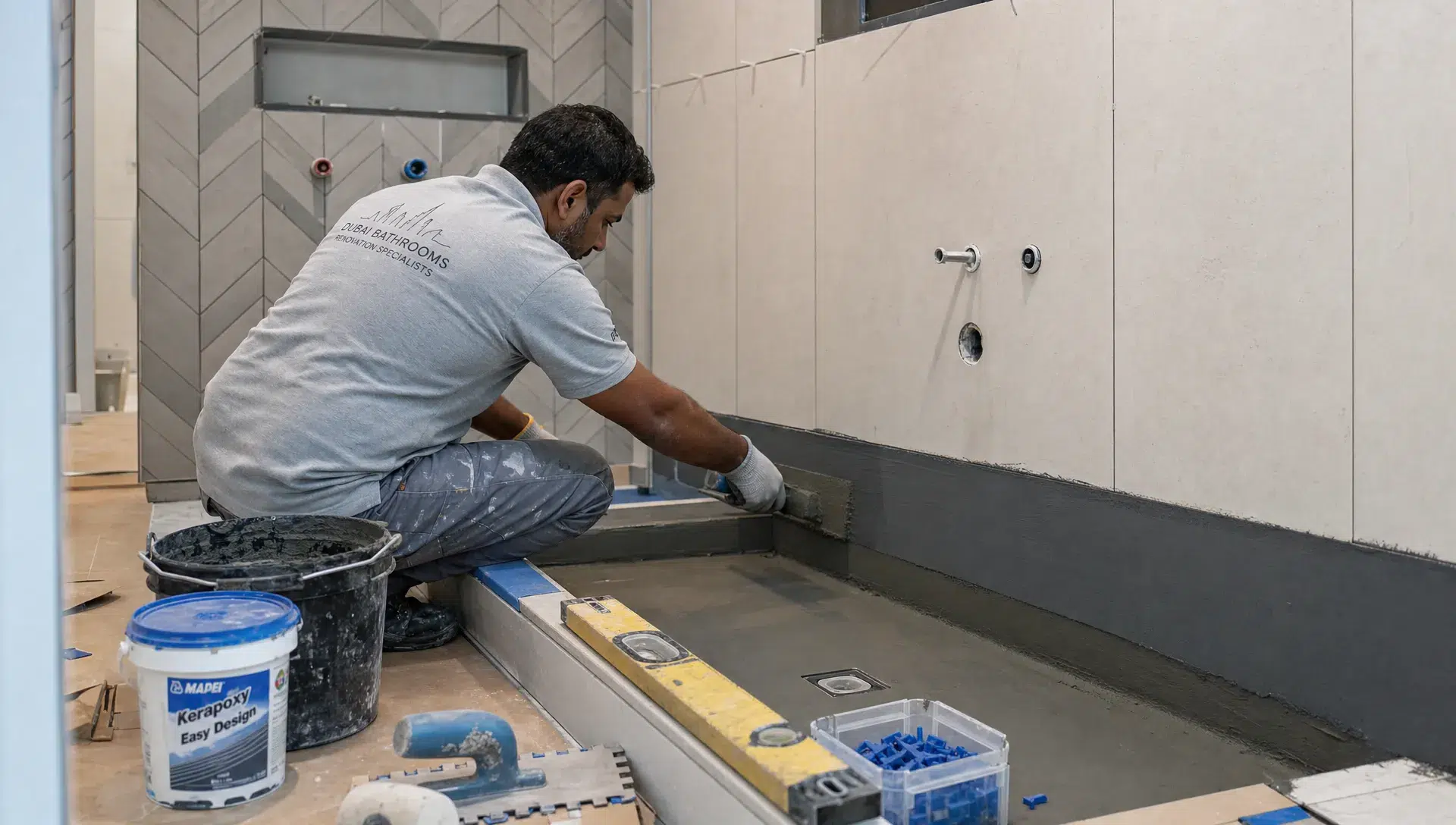
Bathrooms need equal attention to technical detail. Good waterproofing, drainage slope, ventilation, lighting and storage are the difference between a stylish bathroom and one that becomes frustrating. Wall-hung vanities, mirrored cabinets, recessed shelves and frameless glass can help smaller bathrooms feel more spacious.
If you renovate home interior wet areas, involve experienced plumbing, electrical and fit-out professionals early. Moving drainage points, altering shower zones or changing lighting positions can affect timelines and approvals, especially in apartments or managed communities.
Plan Lighting, Cooling and Smart Controls Together
Lighting is one of the quickest ways to make an interior feel modern, but it is often treated too late. A single ceiling light in the middle of each room rarely supports modern living. Most homes need layers: ambient lighting for general brightness, task lighting for reading or cooking and accent lighting for texture, art or joinery.
In Dubai, lighting should also work with cooling and window treatments. Strong daylight is valuable, but glare and heat gain can make rooms uncomfortable. Sheer curtains, blackout layers, blinds or UV-conscious glazing solutions can help balance brightness and comfort.
Smart controls can add convenience when they are planned around real habits. Dimming, AC scheduling, motorized curtains, motion sensors and scene controls can all make sense, but they should not complicate basic use. If technology is part of your plan, review these smart home renovation ideas for modern Dubai living before walls, ceilings and wiring are finalized.
The best time to renovate home interior lighting and controls is before ceiling works, painting and built-in joinery begin. Retrofitting later can mean visible trunking, patchwork repairs or avoidable expense.
Keep the Whole Interior Cohesive
A modern home should feel connected from room to room, even when each space has a different function. Cohesion does not mean every room must look identical. It means the flooring transitions, wall colors, joinery profiles, lighting temperature, metal finishes and door details feel intentional.
Start with a whole-home palette. Choose your main floor finish, primary wall color, joinery tone, metal finish and lighting temperature before designing individual rooms. Then allow each space to have its own accent through textiles, artwork, tiles or feature lighting.
This approach is especially useful when renovating in phases. If you update the living room now and the bedrooms later, a clear design language prevents the home from becoming a patchwork of unrelated choices. It also helps your contractor coordinate details such as skirting, door frames, cabinetry edges and ceiling lines.
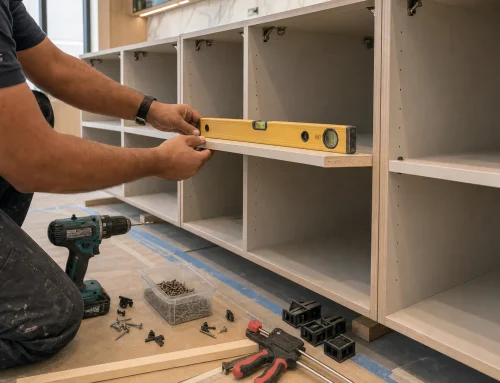
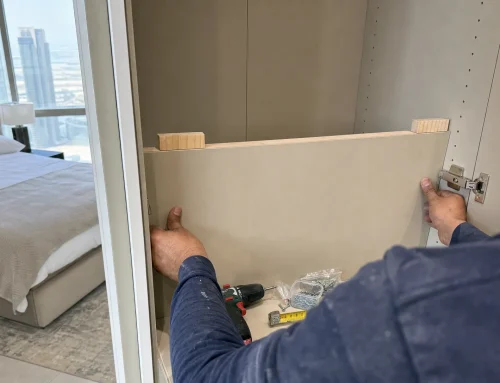
Storage should be part of the visual plan as well. Built-in wardrobes, TV units, shoe cabinets, pantry cupboards and bathroom vanities can make the home feel cleaner when they share consistent proportions and finishes.
Budget, Approvals and Contractor Coordination
A modern interior renovation needs a realistic budget, but the budget should be organized by priority, not just by room. Structural changes, MEP works, waterproofing, flooring preparation and quality carpentry often matter more than decorative upgrades because they affect comfort and durability.
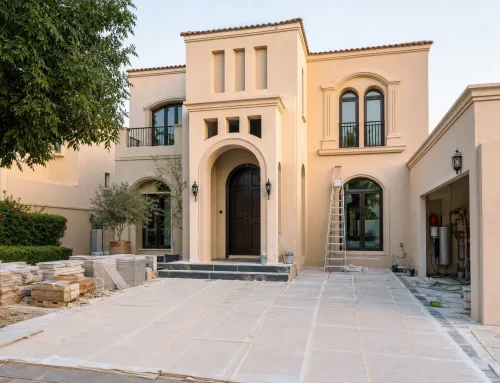
In Dubai, you may also need approvals from your building management, developer, community or relevant authority depending on the property type and scope of work. Apartment renovations usually require more coordination around service access, working hours, waste removal, lift protection and noise rules. Villas may involve more flexibility, but technical works still need proper planning.
When you renovate home interior areas with a contractor, ask for a clear scope of work that separates demolition, civil works, electrical, plumbing, AC coordination, carpentry, flooring, painting and final snagging. This makes it easier to compare quotations and reduces misunderstandings once work begins.
A strong contractor should also sequence the project properly. Demolition comes before rough services, waterproofing before tiling, ceiling closures after electrical checks and painting after dusty works are complete. Good sequencing protects the finish quality and helps avoid delays.
Common Mistakes to Avoid
Many renovation problems start with decisions made too quickly. Buying furniture before finalizing the layout can create cramped circulation. Choosing tiles without confirming lighting can change how colors appear. Installing joinery before checking wall levels can lead to uneven gaps. These mistakes are avoidable with proper site assessment and planning.
Another common issue is focusing only on visible finishes. Modern living depends on what sits behind the surface: wiring, plumbing, waterproofing, ventilation, AC performance and wall preparation. If these details are rushed, the home may look finished but perform poorly.
Avoid copying trends without checking whether they suit your home. Dark kitchens, microcement bathrooms, fluted panels, open shelving and dramatic lighting can all look excellent in the right setting. They can also become difficult to maintain or visually heavy if used without restraint.
The safest approach is to renovate home interior spaces with a balance of timeless base choices and selective trend-led accents. Keep expensive, permanent elements calm and durable, then add personality through furniture, lighting, rugs, art and accessories.
Frequently Asked Questions
How long does it take to renovate a home interior in Dubai? Timelines depend on property size, scope, approvals, material availability and contractor scheduling. A light refresh may take a few weeks, while a full interior renovation with kitchens, bathrooms, flooring and MEP changes can take significantly longer.
Should I renovate one room at a time or the whole home together? Whole-home renovation gives better design consistency and can be more efficient for flooring, ceilings and services. Phased renovation can work if you have a clear master plan, especially when budget or living arrangements require spreading the work over time.
What makes an interior feel modern without becoming too trendy? A modern interior usually combines clean planning, practical storage, layered lighting, durable finishes and a restrained palette. Trend pieces work best as accents rather than permanent, high-cost elements.
Do I need approvals for an interior renovation in Dubai? It depends on your property, building management and renovation scope. Always check approval requirements before demolition, plumbing changes, electrical changes, wall modifications or work that affects common areas.
What should I discuss with a contractor before work starts? Discuss the scope, drawings, material specifications, timeline, payment stages, approval responsibilities, site protection, waste removal and snagging process. Clear documentation reduces disputes and keeps expectations realistic.
Plan a Home Interior That Works Beautifully
A successful renovation is not only about making a home look new. It is about improving the way the space supports your routines, comfort and long-term lifestyle. If you want to renovate home interior spaces with a practical, design-led approach, Best Renovation can help with home renovation, villa renovation, kitchen remodeling, bathroom renovation, interior design, fit-out solutions, plumbing, carpentry, wooden flooring and wall painting.
To discuss your project with a Dubai renovation team, visit Best Renovation and start planning an interior that feels modern, functional and built around the way you live.