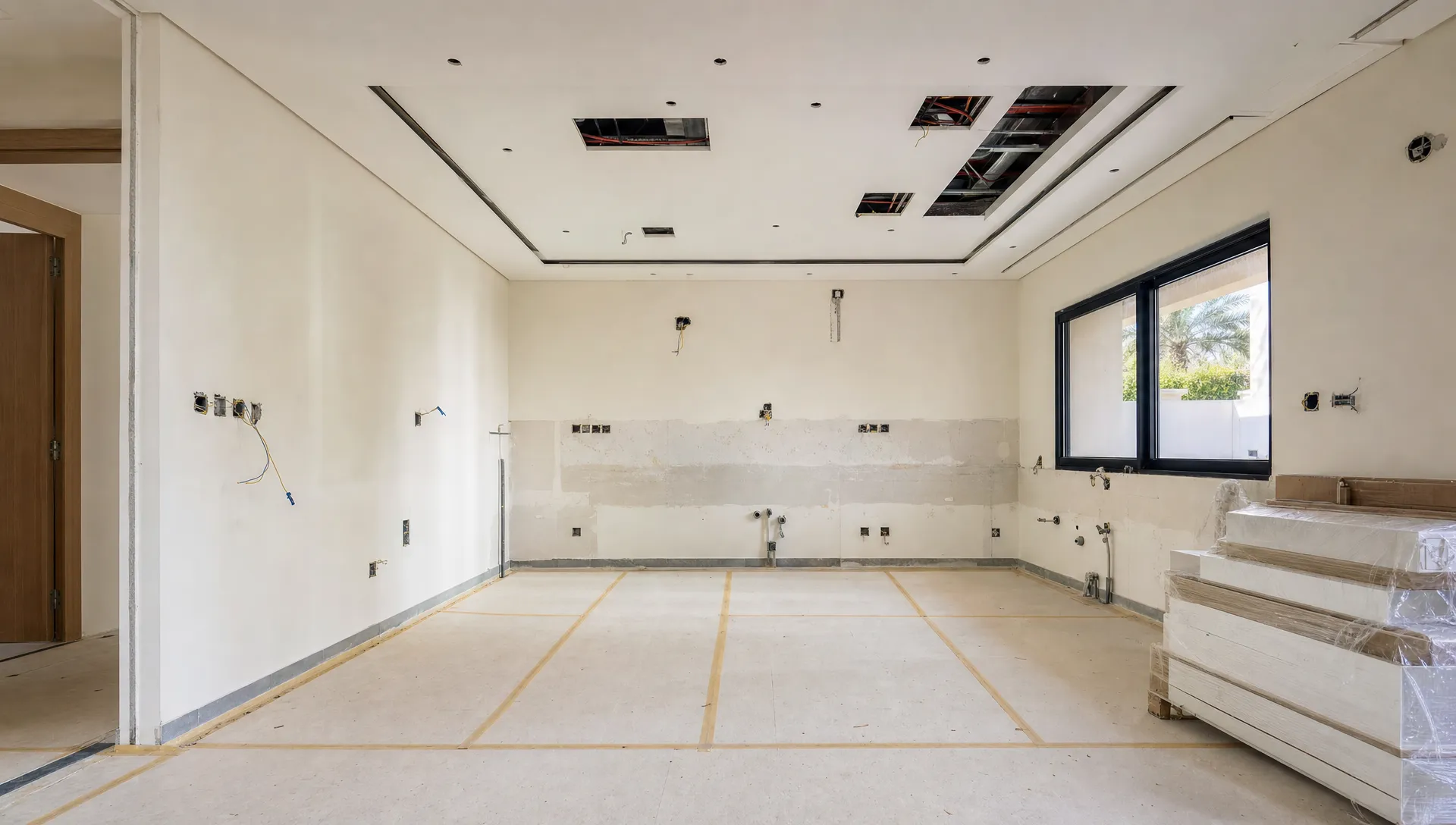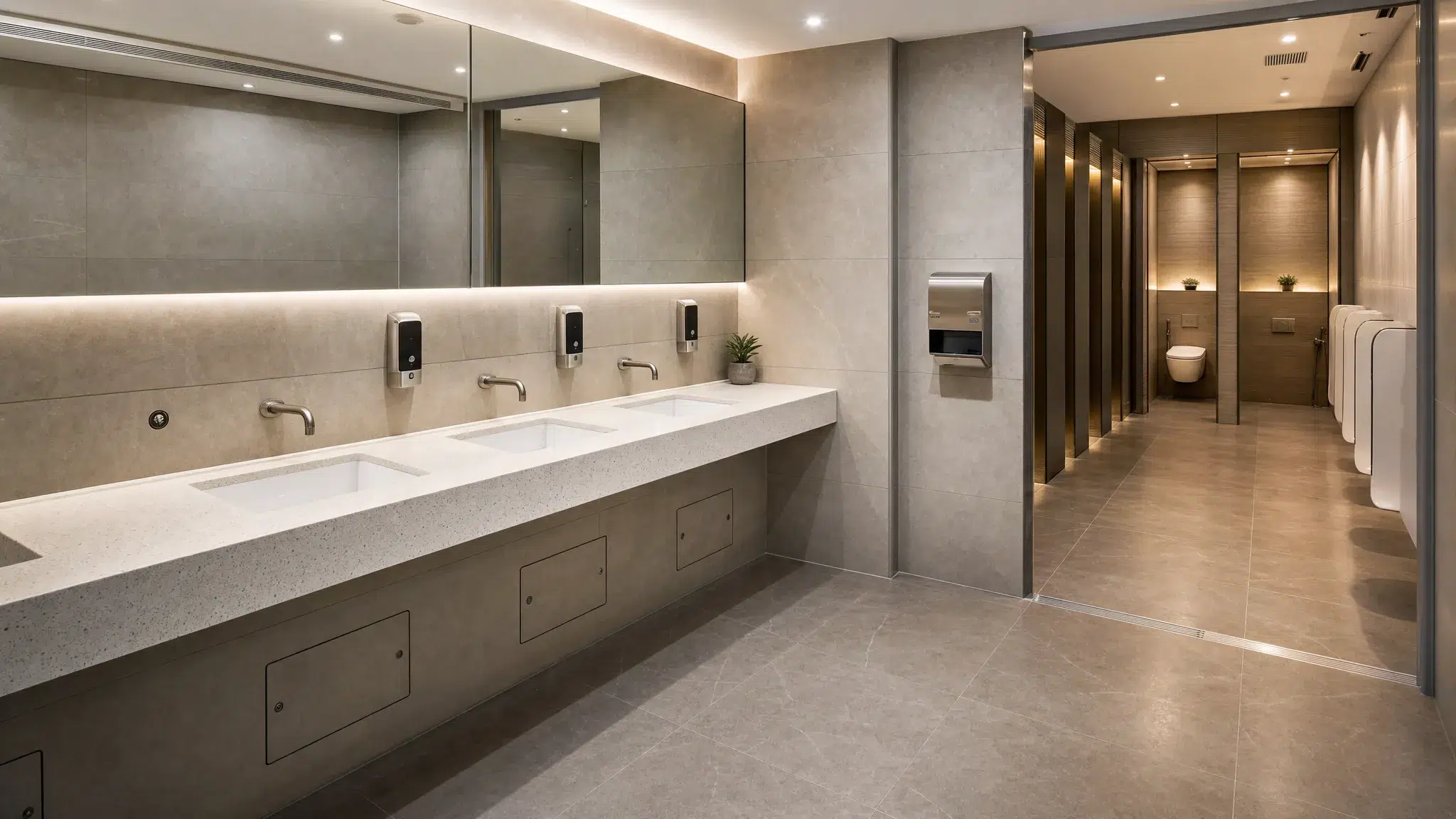
A commercial bathroom is one of the most used spaces in any workplace, retail outlet, restaurant, clinic, gym or hospitality venue. When it is poorly designed, hygiene problems appear quickly: lingering odours, wet floors, stained grout, overflowing bins, touch-heavy surfaces and fixtures that are difficult to clean.
Good commercial bathroom renovations solve these issues at the source. Instead of focusing only on appearance, a hygiene-led renovation improves layout, airflow, water control, surface durability, cleaning access and day-to-day maintenance. For Dubai businesses, where high footfall, humidity and premium customer expectations all matter, this can make a major difference to user confidence and brand perception.
Why Hygiene Should Lead Commercial Bathroom Design
Commercial washrooms are not the same as residential bathrooms. They handle more users, more frequent cleaning, stronger chemicals, heavier doors, more water exposure and tighter operational requirements. A beautiful finish will not perform well if the floor stays wet, the cubicles are poorly ventilated or the handwashing area becomes crowded at peak times.
The World Health Organization has consistently emphasized hand hygiene as one of the most important ways to reduce the spread of germs. In a commercial setting, that means the bathroom must make hygienic behaviour easy. Users should be able to enter, use the facilities, wash and dry their hands, and leave without unnecessary contact or confusion.
For businesses, a hygienic bathroom also supports:
- Better customer and visitor impressions
- Improved staff comfort and wellbeing
- Fewer maintenance complaints
- Reduced risk of leaks, mould and odours
- Easier cleaning routines for facility teams
- A more professional commercial environment
If you are planning a wider workplace or retail upgrade, it is worth treating the washroom as a core part of the project rather than a small finishing item. Best Renovation’s guide to commercial renovation services in Dubai explains how washrooms fit into broader fit-out, MEP, flooring and interior upgrade plans.
What Makes a Commercial Bathroom Hygienic?
A hygienic commercial bathroom is not defined by one feature. It is the result of many design and construction decisions working together. The best renovations reduce touchpoints, prevent standing water, improve air movement, use cleanable materials and allow staff to maintain the space efficiently.
| Hygiene challenge | Renovation response | Practical benefit |
|---|---|---|
| Crowded handwashing areas | Better fixture placement and traffic flow | Less contact between users |
| Wet or slippery floors | Correct floor slope, drains and slip-resistant tiles | Safer, drier washrooms |
| Stained grout and mould | Durable grout, waterproofing and quality sealants | Easier cleaning and longer-lasting finishes |
| Odours | Strong ventilation and reliable plumbing traps | Fresher user experience |
| High-touch surfaces | Sensor taps, flush systems and dispensers | Reduced hand contact |
| Difficult maintenance | Access panels and robust commercial fixtures | Faster repairs with less disruption |
The goal is not to create a sterile-looking space. A commercial bathroom can still feel stylish, branded and welcoming. The difference is that every design choice should support cleanliness, safety and durability.
Start With the Layout, Not the Tiles
Many businesses begin by choosing tiles, colours and fittings. Those details matter, but hygiene starts with layout. If users are forced to cross paths awkwardly, queue in front of cubicle doors or touch multiple handles before washing their hands, the bathroom will never feel properly efficient.
A good layout considers entry and exit flow, the number of fixtures needed for occupancy, the position of washbasins, cubicle privacy, accessibility and cleaning access. In high-traffic spaces such as malls, offices, gyms and restaurants, doorless entry designs may be suitable where privacy and building conditions allow. Where doors are necessary, handles and push plates should be easy to clean and positioned logically.
For larger commercial premises, separating staff and customer bathrooms can also improve hygiene management. Staff facilities may need lockers, utility storage or shower access, while customer bathrooms usually need a more refined presentation and faster user turnover.
It is also important to plan for the cleaning team. A hygienic bathroom should include sensible storage for consumables, safe access to valves and enough clearance around fixtures for mops, machines and manual cleaning.
Choose Touchless Fixtures Carefully
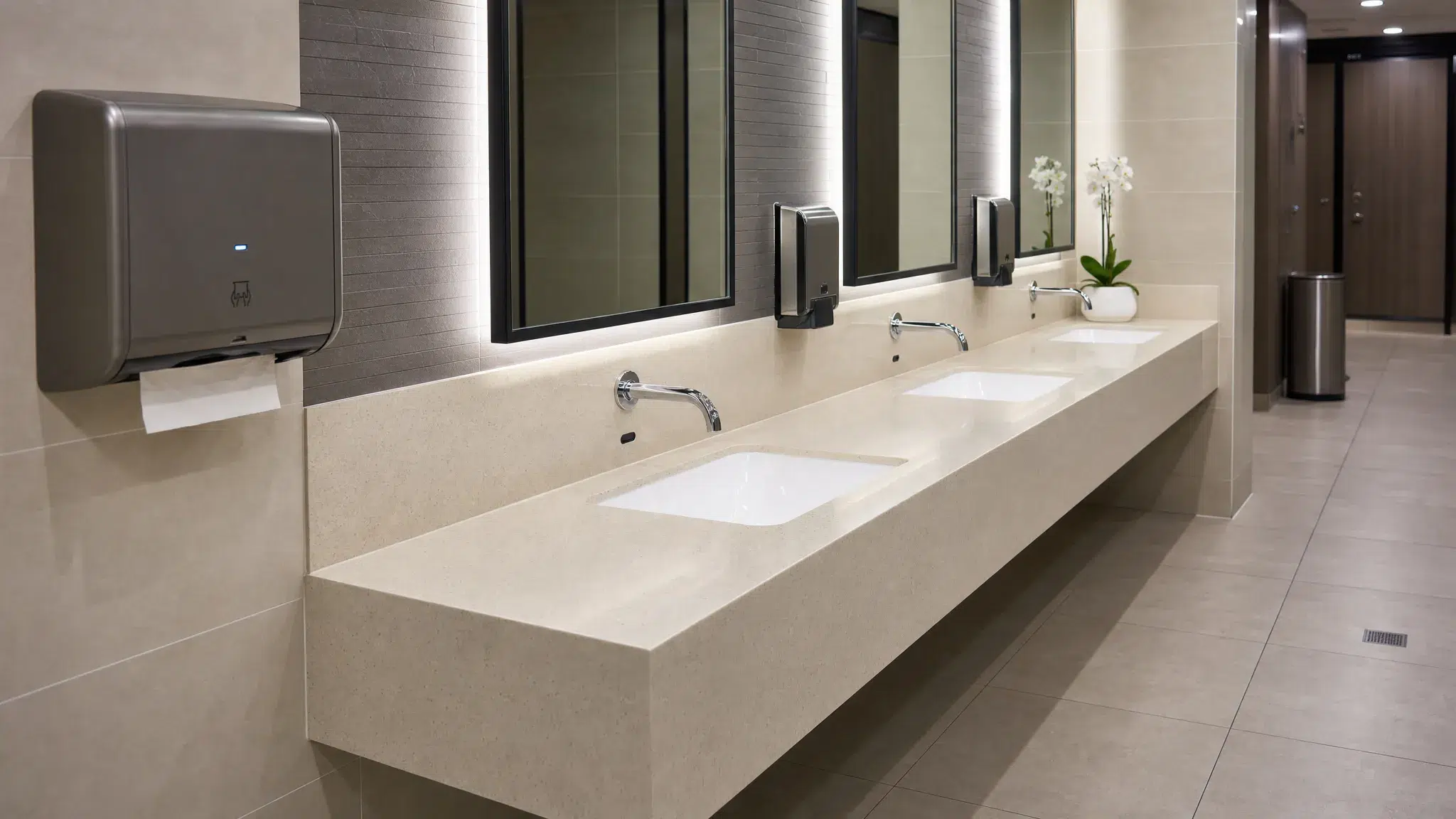
Touchless technology is one of the most effective upgrades in hygiene-focused commercial bathroom renovations. Sensor taps, automatic flush valves, soap dispensers, hand dryers and paper towel dispensers reduce the number of surfaces users need to touch.
However, touchless fixtures only work well when they are selected and installed correctly. Low-quality sensors can waste water, fail during busy periods or frustrate users. In Dubai commercial projects, where washrooms may see continuous use throughout the day, reliability matters more than novelty.
When selecting touchless systems, consider water pressure compatibility, power supply, battery access, sensor range, maintenance requirements and spare part availability. A good contractor should coordinate plumbing, electrical points and fixture specifications before installation begins.
Touchless does not mean maintenance-free. Sensors, spouts and dispensers still need regular cleaning. The benefit is that they reduce unnecessary hand contact while creating a more modern and professional user experience.
Use Materials That Are Easy to Clean and Hard to Damage
The wrong material choice can turn a new bathroom into a maintenance problem within months. Porous surfaces, rough textures and excessive grout lines collect dirt and moisture. Delicate finishes may look impressive on day one but struggle under commercial use.
For hygiene-led commercial bathrooms, durable and cleanable materials are usually the best choice. Large-format porcelain or ceramic tiles reduce grout lines. Solid-surface or compact laminate countertops resist moisture better than many porous alternatives. Wall panels can be useful in selected settings where fewer joints are desired. Stainless steel accessories can perform well in high-use areas when they match the design concept.
Flooring needs special attention. It must be slip-resistant, easy to clean and suitable for wet conditions. Very glossy floors may look luxurious, but they can become unsafe when wet. Textured floors improve grip, but if the texture is too deep, cleaning becomes harder. The right balance depends on the business type, cleaning method and expected foot traffic.
Waterproofing, Grout and Sealants Are Hygiene Features
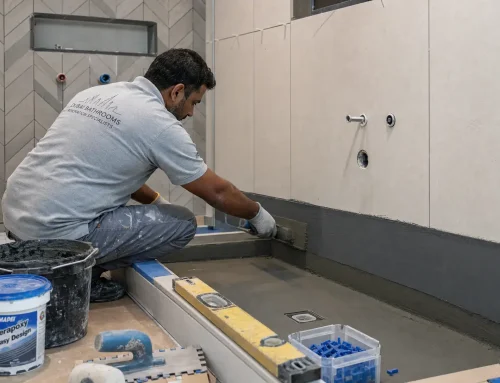
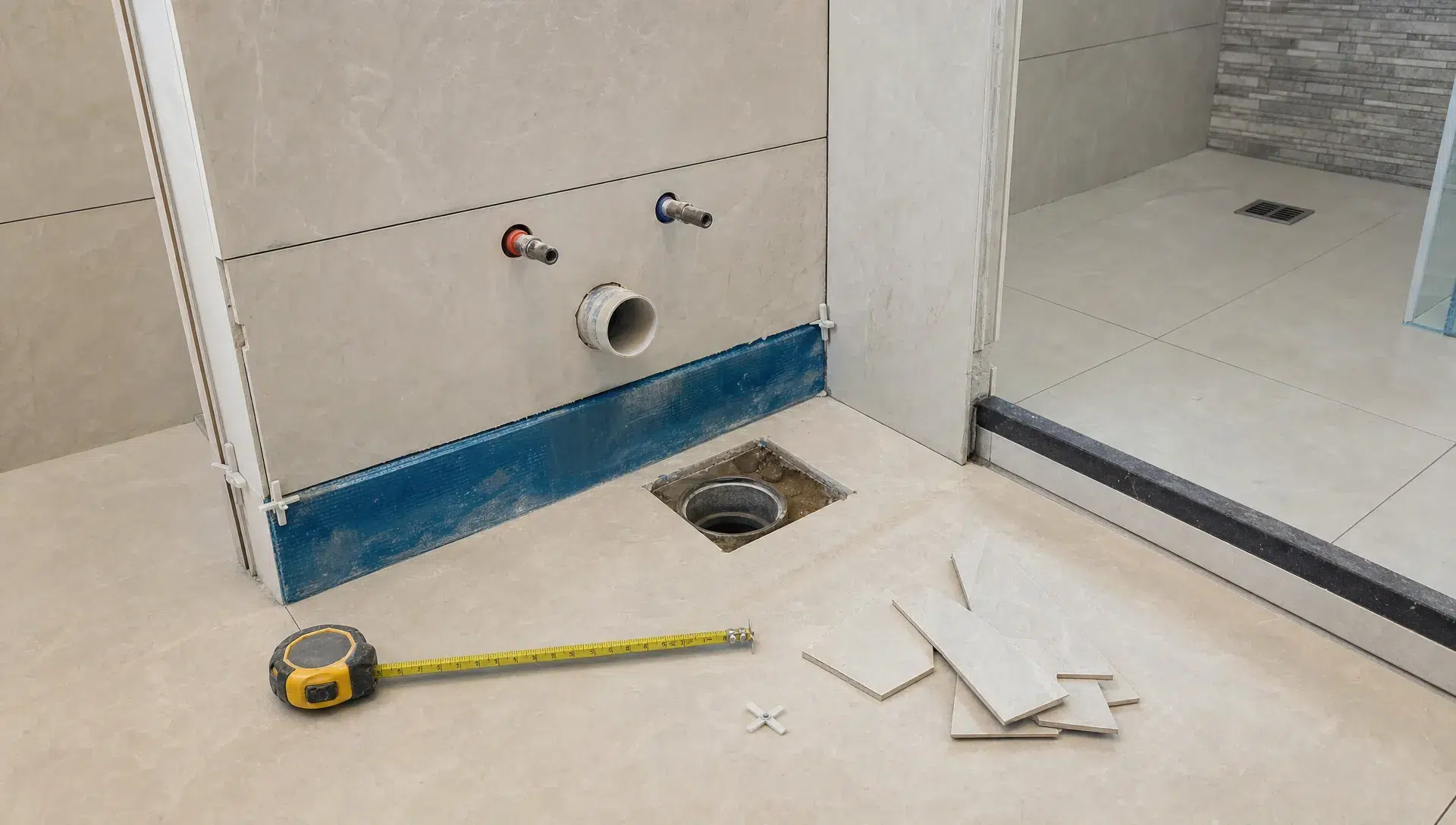
Waterproofing is often hidden behind tiles, but it has a direct impact on hygiene. When waterproofing fails, moisture can reach walls, floors and concealed cavities. This may lead to stains, odours, mould growth and expensive repairs.
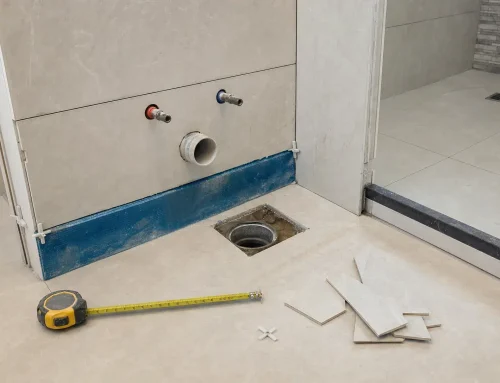
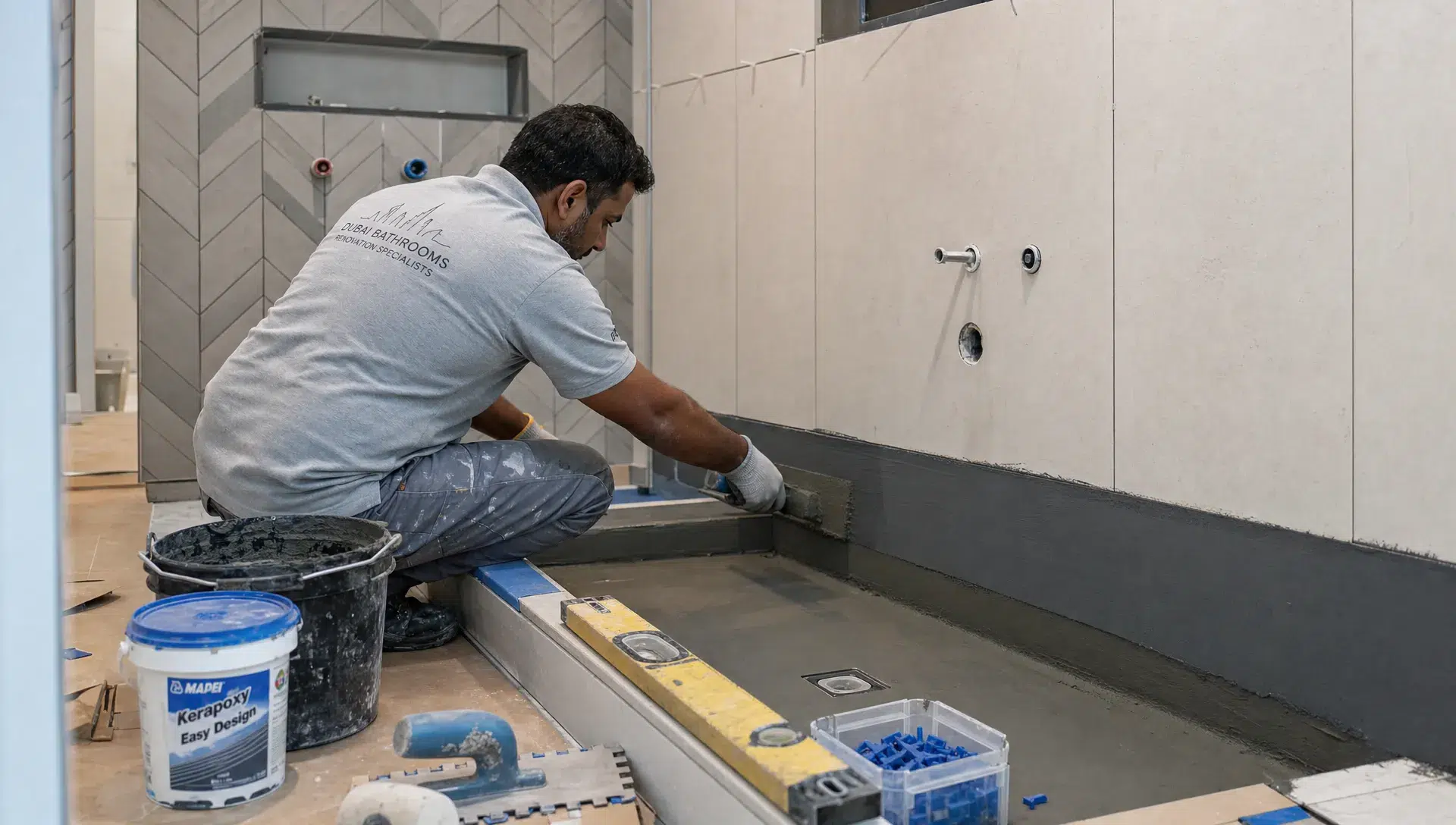
A proper commercial bathroom renovation should include careful substrate preparation, suitable waterproof membranes, correct floor slopes and tested drainage. Wet zones such as shower areas, washbasin walls and floor transitions need particular attention.
Grout and sealant quality are equally important. Dirty or cracked joints make even a premium bathroom look unhygienic. They also allow moisture to penetrate where it should not. In specialist wet-area work, dedicated jointing expertise can be the difference between a neat finish and long-term maintenance issues, as seen with experienced sealing companies such as professional bathroom sealing contractors that focus specifically on durable joint and sealant work.
For Dubai businesses, this is especially relevant because air-conditioned interiors, humidity and frequent cleaning cycles can put stress on bathroom joints. Using the correct sealant for movement joints, corners and sanitaryware edges helps prevent cracks and water seepage.
Improve Ventilation to Control Odours and Moisture
A commercial bathroom can have premium tiles and fixtures but still feel unpleasant if ventilation is weak. Poor airflow allows humidity, odours and airborne contaminants to remain in the room. Over time, it can also contribute to mould, peeling paint and ceiling damage.
Ventilation planning should consider exhaust capacity, duct routes, make-up air, humidity control and maintenance access. In Dubai buildings, washroom ventilation often needs to work alongside air conditioning systems, so coordination between MEP and interior fit-out teams is essential.
Signs that ventilation needs improvement include persistent odours, fogging mirrors, damp ceilings, mould around joints, slow drying floors and complaints from users. During renovation, it is much easier to upgrade ducts, fans and ceiling access than after finishes are complete.
Lighting also supports cleanliness. Bright, even lighting helps cleaning teams see spills, stains and supply issues. Motion sensors can reduce energy use, but they should be set so lights do not switch off while users are inside cubicles.
Plan Plumbing for Reliability and Cleanliness
Plumbing is another hidden system that affects hygiene every day. Weak flushing, slow drainage, leaking traps and poor water pressure can quickly damage the user experience. Commercial bathrooms need fixtures and pipework designed for heavier use than a typical home bathroom.
A reliable plumbing plan should cover water supply, drainage, shut-off valves, access panels, pressure control and fixture compatibility. Floor drains should be placed where water naturally travels, not where they are easiest to install. Slopes must be accurate, especially in shower rooms, gym changing areas and staff facilities.
Water-saving fixtures are a smart choice, but they should still perform properly. Very low-flow products can cause user frustration if they are not suitable for the site. The best approach is to balance water efficiency with practical handwashing, flushing and cleaning requirements.
For hygiene and business continuity, maintenance access is essential. Concealed cisterns, sensor valves and pipe connections should not be buried behind finishes without access. A beautiful bathroom that requires tile removal for basic repairs is not a good commercial investment.
Make Cleaning Easier Through Design Details
The easiest bathroom to keep clean is the one designed with cleaning in mind. Small details can reduce labour time, improve hygiene and extend the life of finishes.
Wall-hung toilets and vanities make floor cleaning easier because there are fewer base edges and corners. Coved skirting can reduce dirt build-up at wall and floor junctions. Recessed dispensers and bins can keep surfaces clear. Rounded corners, simple profiles and fewer decorative grooves all help cleaning teams work faster.
Cubicle partitions should be moisture-resistant and durable. Doors, locks and hinges need to withstand repeated use. If hardware corrodes or loosens quickly, the space feels poorly maintained even if the rest of the renovation is new.
Consumable placement is also part of hygiene. Soap, hand drying and bins should be exactly where users need them. If bins are too far from hand dryers or paper towel dispensers, waste often ends up on countertops or floors.
Match the Renovation to Your Business Type
Different commercial spaces have different hygiene priorities. A clinic bathroom is not planned the same way as a restaurant washroom, and a gym changing area has different needs from an office restroom.
| Business type | Hygiene priorities | Useful renovation upgrades |
|---|---|---|
| Offices | Staff comfort, easy maintenance, odour control | Touchless taps, better ventilation, durable cubicles |
| Restaurants and cafes | Customer impression, handwashing flow, fast cleaning | Premium finishes, sensor fixtures, clear basin zones |
| Gyms and wellness centres | Wet floors, showers, odour and humidity | Anti-slip flooring, strong drainage, improved exhaust |
| Clinics and salons | Higher cleanliness expectations and user trust | Non-porous surfaces, hands-free fixtures, bright lighting |
| Retail and malls | Heavy foot traffic and frequent cleaning | Robust fixtures, larger wash areas, vandal-resistant accessories |
| Hotels and hospitality | Brand experience and premium finish durability | Luxury materials, concealed maintenance access, refined lighting |
| Schools and nurseries | Safety, supervision and easy cleaning | Child-appropriate fixtures, anti-slip floors, durable partitions |
This is why a site survey matters. The best renovation plan depends on user volume, cleaning frequency, building systems, brand positioning and authority requirements.
Reduce Downtime During Commercial Bathroom Renovation
For most Dubai businesses, downtime is a major concern. A washroom renovation can affect staff, customers and operations if it is not planned properly. The solution is to coordinate the work before demolition begins.
Phasing can keep part of the facilities operational while another area is renovated. After-hours or weekend work may be useful in offices, retail spaces and hospitality venues. Temporary washroom arrangements may be required for larger projects. Materials should be approved and ordered early, especially tiles, partitions, sanitaryware and sensor fixtures with lead times.
Approvals and NOCs should also be checked before starting, particularly when plumbing, drainage, electrical systems, layout changes or building common areas are involved. Requirements can vary by property type, free zone, landlord, community or building management.
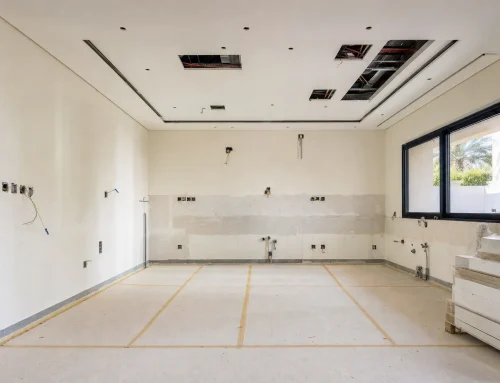
A clear programme should identify demolition, MEP rough-in, waterproofing, inspection, tiling, fixture installation, testing, snagging and handover cleaning. Rushing waterproofing or testing is a common mistake because defects may not appear immediately, but they can become costly later.
Hygiene-Focused Renovation Checklist
Before approving the final bathroom design, review the project through a hygiene and maintenance lens. This helps prevent decisions that look attractive in drawings but fail in daily use.
- Is the layout easy to understand and comfortable at peak times?
- Are handwashing, drying and waste disposal positioned logically?
- Are floors slip-resistant and correctly sloped toward drains?
- Are walls, counters and partitions made from moisture-resistant materials?
- Are grout lines minimized where possible?
- Are all wet areas properly waterproofed before tiling?
- Is ventilation strong enough for humidity and odour control?
- Are touchless fixtures reliable and easy to maintain?
- Are valves, cisterns and sensors accessible for repairs?
- Has the cleaning team’s workflow been considered?
This checklist is simple, but it can save a business from expensive rework and recurring hygiene complaints.
Common Mistakes That Undermine Bathroom Hygiene
One of the biggest mistakes in commercial bathroom renovations is prioritizing appearance over performance. High-end materials are valuable, but only if they can handle real use. A delicate wall finish beside a busy basin area may stain quickly. A dramatic dark floor may show water marks all day. A complex vanity detail may trap dirt in corners.
Another common mistake is ignoring ventilation until the end. Once ceilings are closed and finishes are complete, improving airflow becomes more disruptive. Ventilation should be part of the early MEP plan, not an afterthought.
Poor waterproofing is also a major risk. If membranes, slopes and sealants are not installed correctly, water damage may develop behind the scenes. By the time odours, stains or loose tiles appear, repairs can be more expensive than doing the work correctly from the start.
Finally, some businesses choose fixtures based only on upfront cost. In commercial bathrooms, cheap taps, flush systems, locks and dispensers often fail faster under heavy use. A better value approach considers life cycle cost, spare parts, warranty terms and ease of maintenance.
How Best Renovation Supports Commercial Bathroom Projects in Dubai
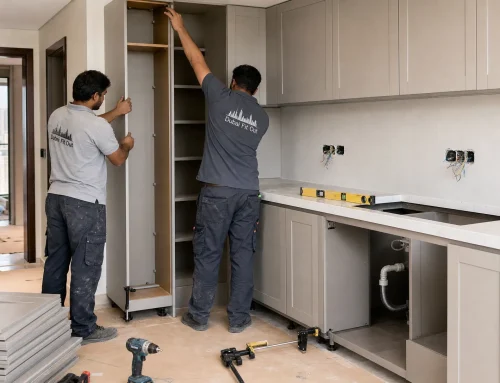
Commercial bathroom renovations require coordination between design, plumbing, waterproofing, tiling, carpentry, painting, lighting and fit-out teams. Best Renovation provides residential and commercial renovation services in Dubai, including bathroom renovation, interior design, fit-out solutions, plumbing, carpentry, wooden flooring and wall painting.
For businesses, this means the bathroom can be planned as part of a complete commercial upgrade rather than as an isolated repair. Whether you are improving an office washroom, upgrading a restaurant bathroom or renovating facilities in a villa-style commercial property, a structured approach helps protect hygiene, durability and brand image.
You can also explore Best Renovation’s dedicated bathroom renovation services in Dubai for more ideas on layouts, finishes and remodeling options.
Frequently Asked Questions
What is the most important hygiene upgrade in a commercial bathroom renovation? The most important upgrade depends on the current problem, but touchless handwashing fixtures, proper ventilation, waterproofing and easy-clean surfaces usually provide the strongest hygiene improvements.
Are touchless fixtures worth it for commercial bathrooms? Yes, when good-quality products are selected and installed correctly. Touchless taps, flush systems and dispensers reduce hand contact and create a more modern user experience, but they still require regular maintenance.
How can a business reduce downtime during bathroom renovation? Downtime can be reduced through phased work, after-hours scheduling, early material procurement, temporary facilities and clear coordination between plumbing, electrical, tiling and fit-out teams.
Which materials are best for hygienic commercial bathrooms? Large-format porcelain or ceramic tiles, non-porous countertops, moisture-resistant partitions, quality grout and suitable sanitary sealants are commonly used because they are durable and easier to clean.
Do commercial bathroom renovations in Dubai need approvals? They may require approvals or NOCs depending on the building, landlord, location and scope of work. Plumbing, drainage, electrical and layout changes should always be checked before work begins.
Upgrade Your Commercial Bathroom With Hygiene in Mind
A hygienic commercial bathroom is not just cleaner. It is easier to maintain, safer for users and better aligned with the standards customers and employees expect in Dubai.
If your washrooms have odour issues, water damage, outdated fixtures or poor cleaning access, Best Renovation can help you plan a practical, durable and professional upgrade. Contact Best Renovation to discuss commercial bathroom renovations in Dubai and create a space that supports hygiene from the layout to the final finish.