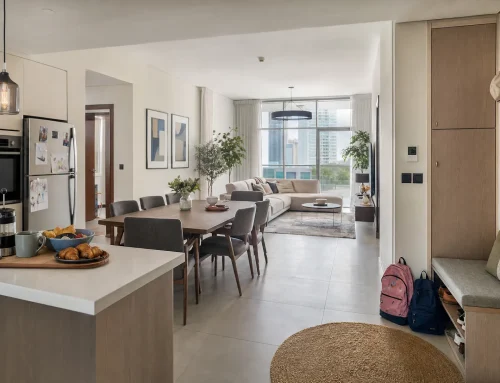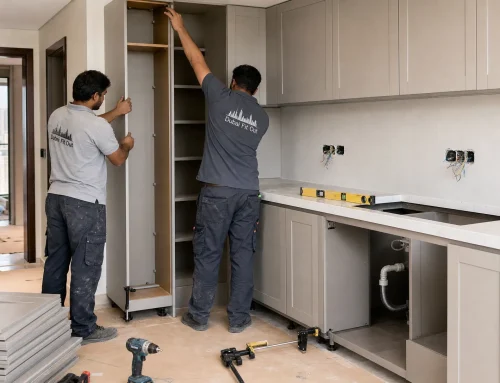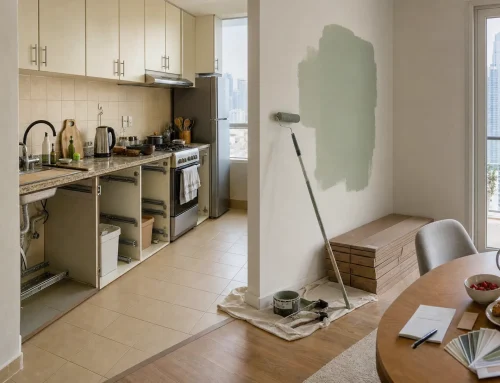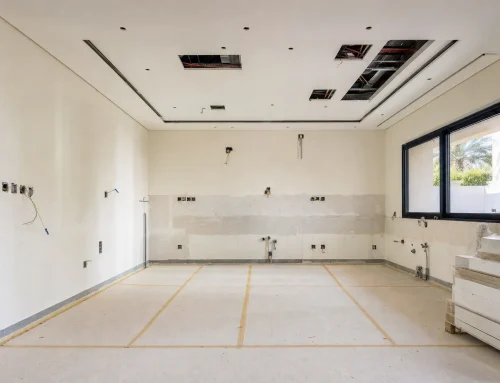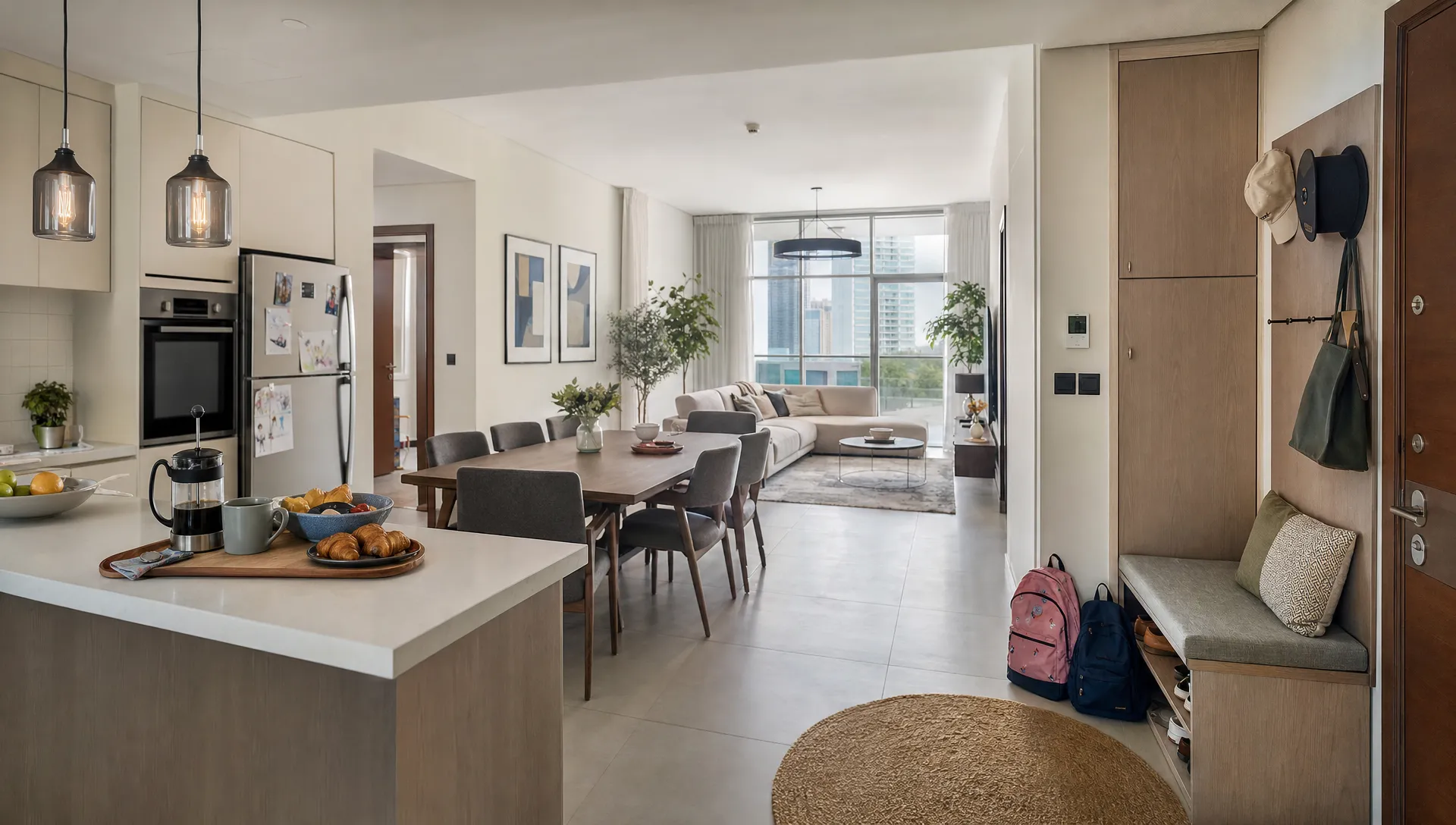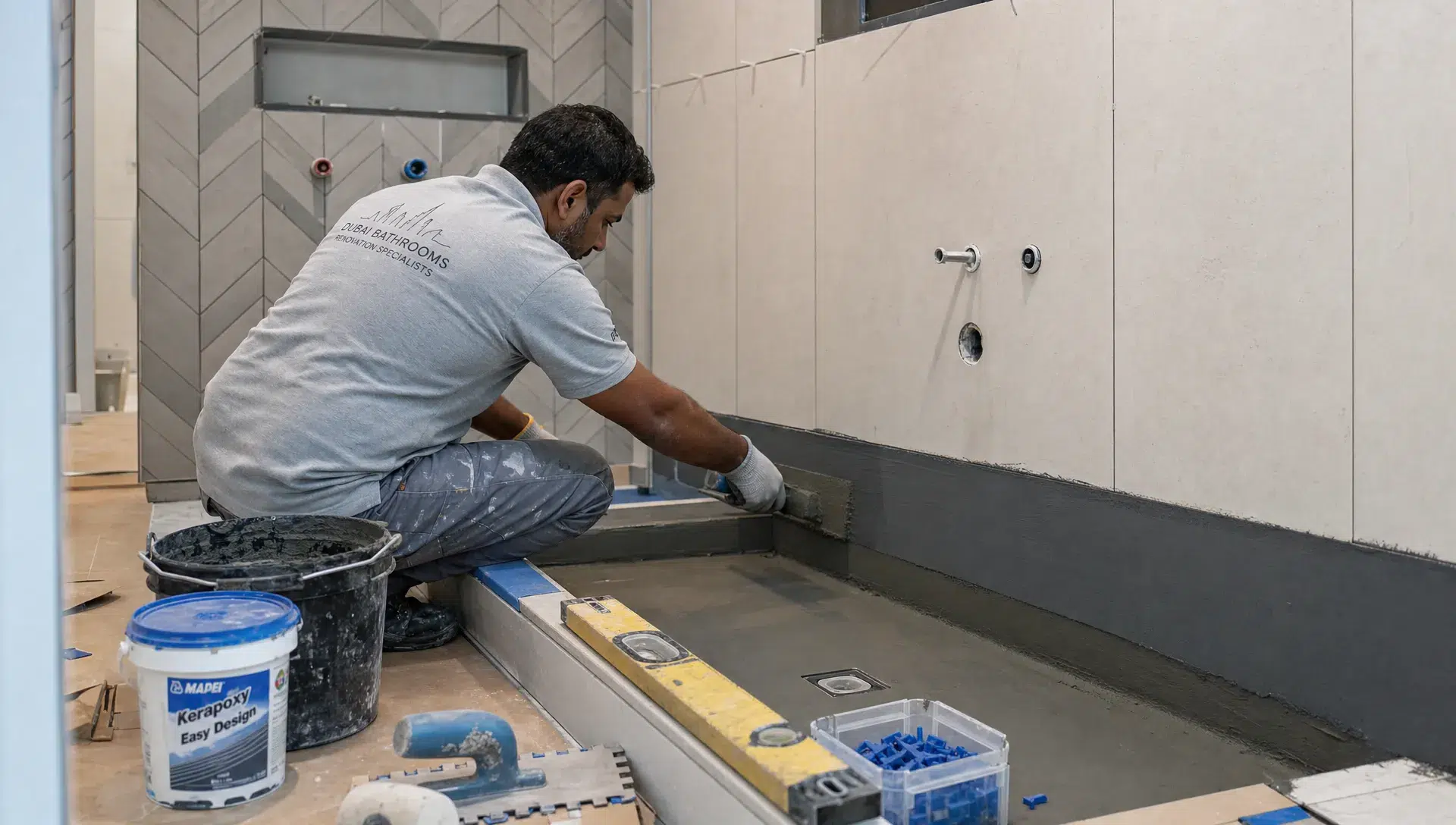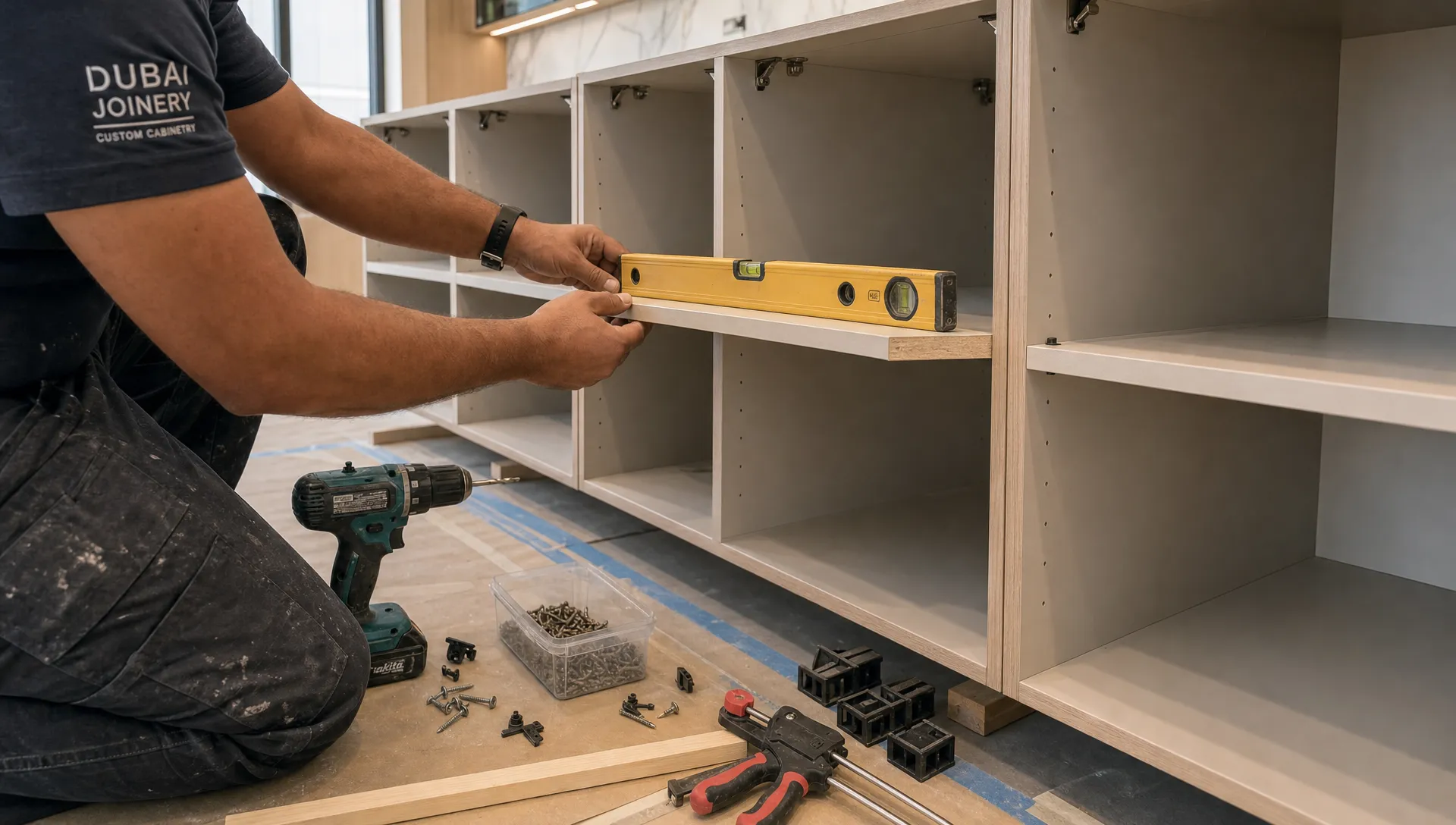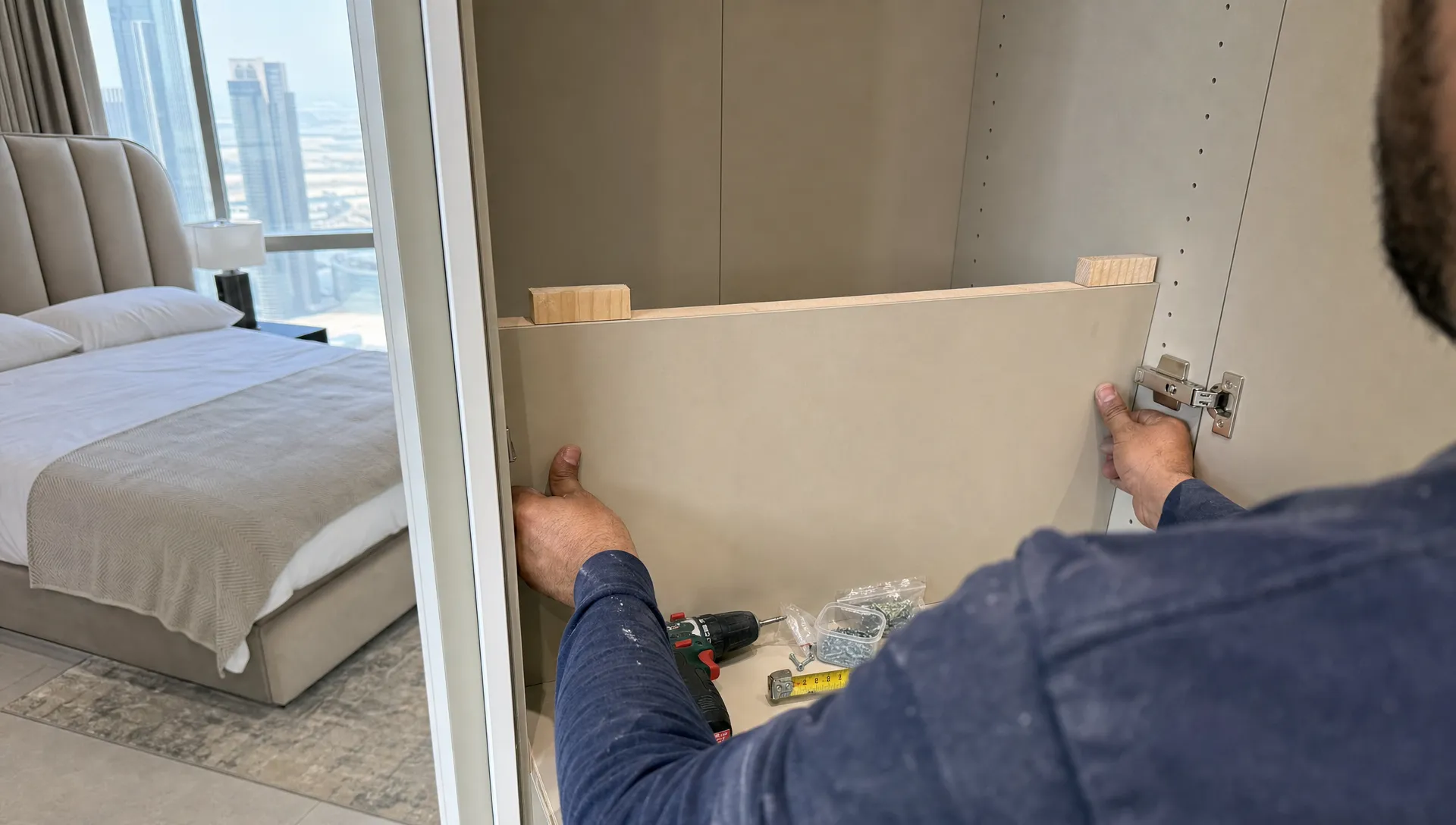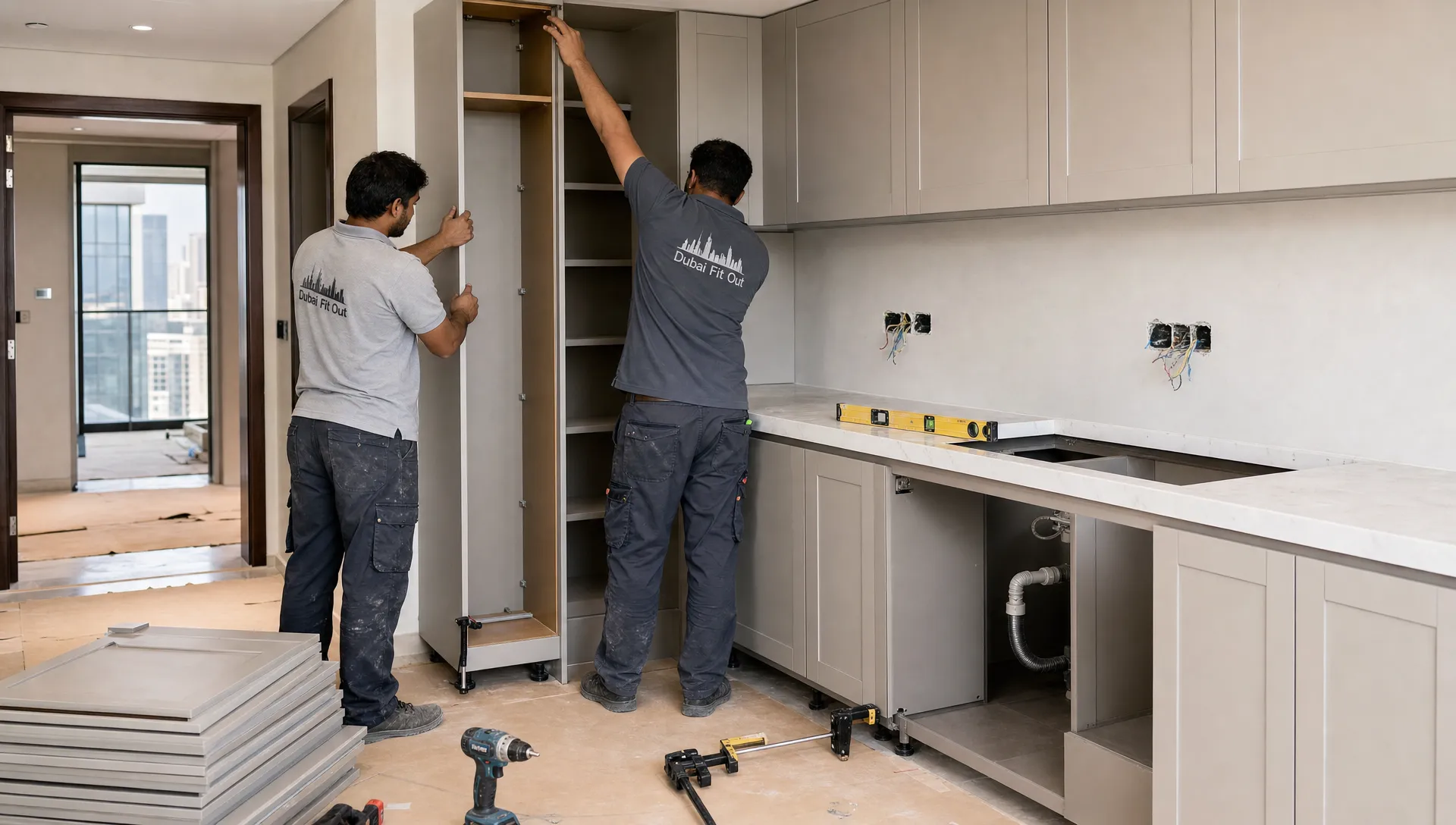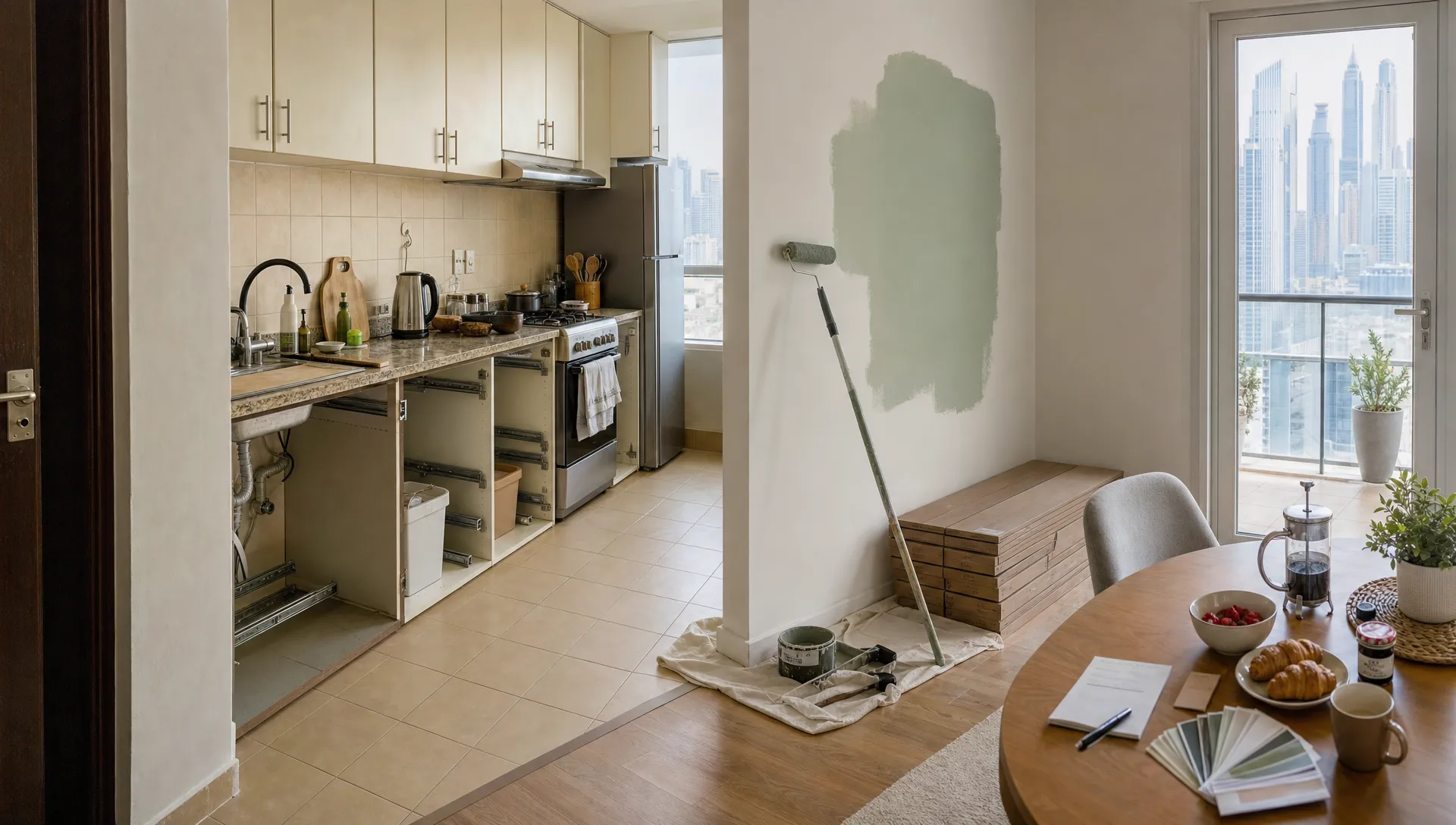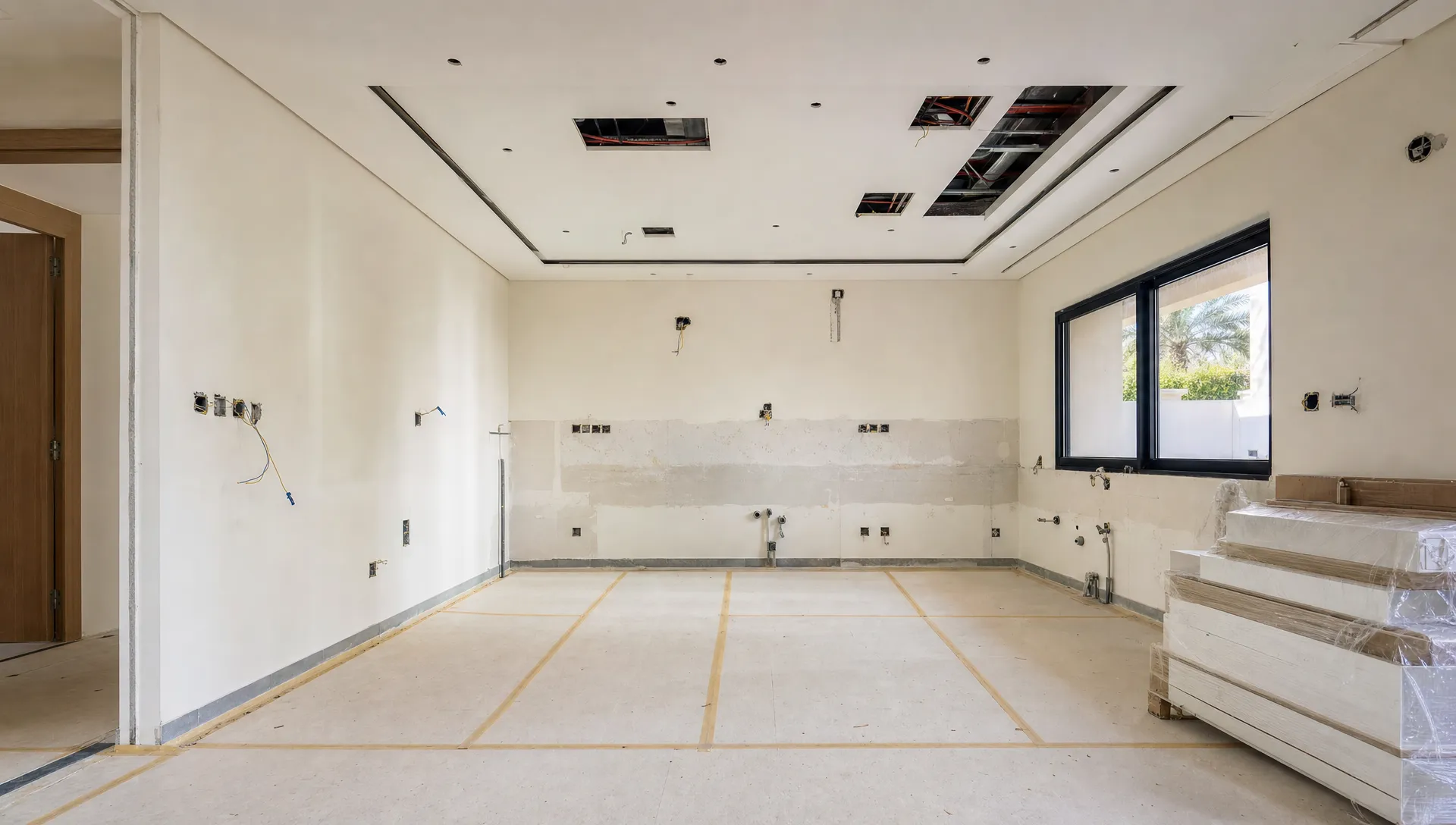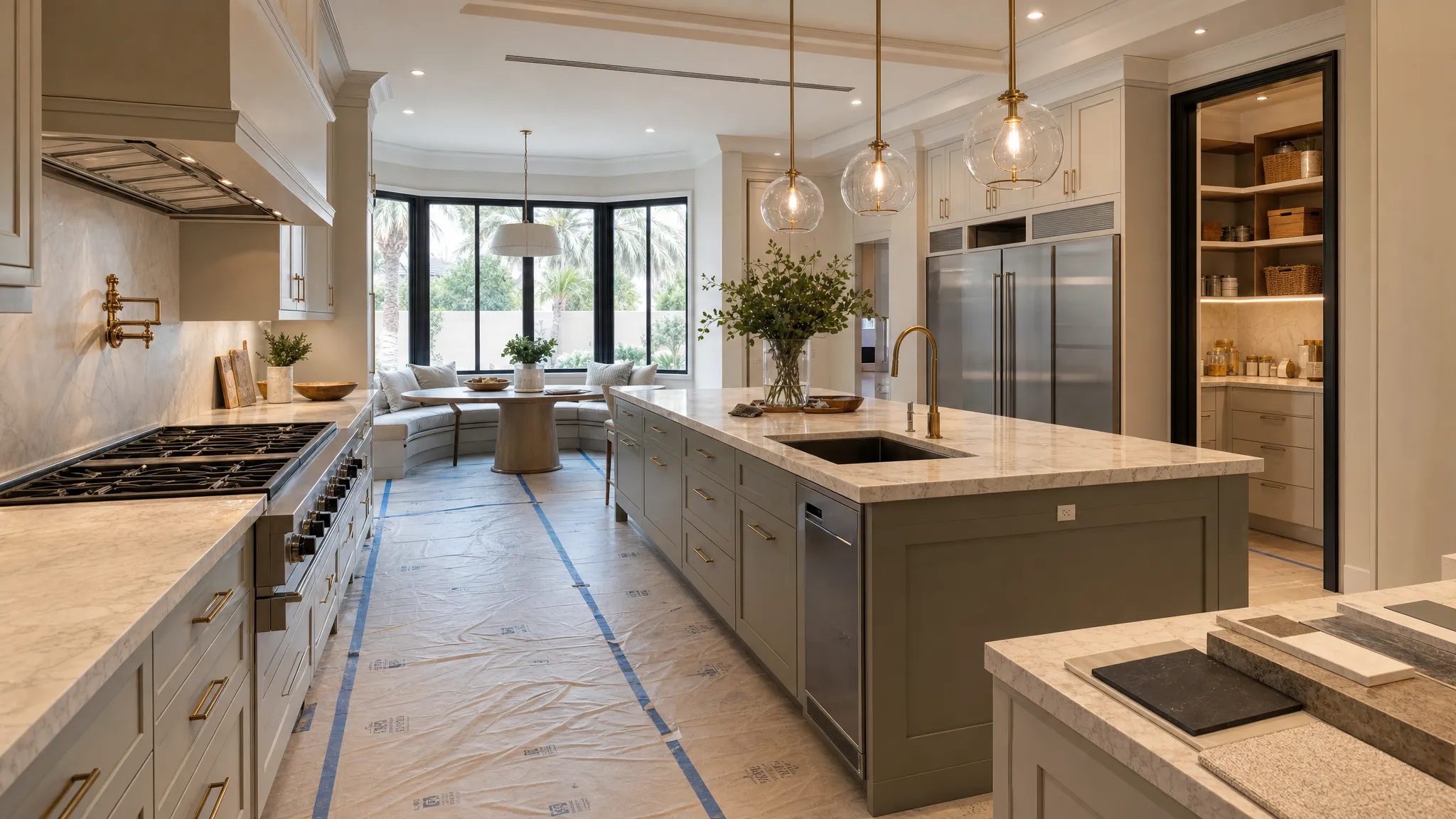
A modern family kitchen in Dubai has to do much more than look beautiful. It needs to handle school mornings, weekend gatherings, family meals, coffee breaks, home deliveries, storage for bulk groceries, and the realities of cooking in a warm climate. The best kitchen remodeling Dubai projects start with this simple idea: the kitchen should support the way your household actually lives.
For some families, that means an open kitchen with a large island where children can eat breakfast and do homework. For others, it means a practical closed cooking area, a separate wet kitchen, or extra pantry storage for a busy villa household. The right design is not about copying a showroom. It is about creating a space that feels elegant, organized, easy to clean, and comfortable every day.
Below are practical kitchen remodeling ideas for Dubai homeowners who want a family-friendly kitchen that still feels stylish, premium, and future-ready.
Start With a Family-First Kitchen Brief
Before choosing cabinet colors or countertop samples, define how your family uses the kitchen. A strong brief helps your contractor, interior designer, and fit-out team make smarter decisions about layout, MEP services, storage, lighting, and materials.
Think about the kitchen during a normal weekday, not only during dinner parties. Who cooks most often? Do children use the space independently? Do you need a breakfast zone? Is there a helper’s kitchen or utility area? Do you prefer open-plan entertaining, or do you cook dishes that require more separation and ventilation?
Helpful questions to answer before starting include:
- How many people use the kitchen at the same time?
- Do you need a dining table, breakfast bar, or both?
- Should the kitchen connect to the living room, garden, or outdoor majlis?
- What appliances do you use daily, weekly, and rarely?
- Do you need extra pantry space for bulk shopping?
- Are there children, elderly family members, or pets to consider?
Once these answers are clear, the remodeling process becomes more focused. You can prioritize function first, then refine the style around your lifestyle.
Choose a Layout That Supports Family Flow
The most successful family kitchens reduce friction. People should be able to move between the fridge, sink, hob, oven, pantry, and dining area without bumping into each other. In Dubai villas and larger apartments, this often means creating zones rather than relying on one large open space.
Open-Plan Kitchens With Soft Zoning
Open kitchens remain popular because they connect cooking, dining, and living areas. They are ideal for families who want to supervise children, host guests, and make the kitchen feel like the social heart of the home.
The key is soft zoning. A kitchen island, change in ceiling detail, pendant lighting, or different flooring border can define the kitchen without fully closing it off. This keeps the space visually open while still making it feel organized.
For families who entertain often, consider placing the sink and prep area slightly away from the main seating view. This allows the kitchen to stay practical without making daily mess the first thing guests see.
Closed Kitchens for Privacy and Cooking Control
A closed kitchen can be the smarter option for households that cook frequently, use strong spices, or prefer privacy while preparing meals. In Dubai, closed kitchens are still very practical because they help contain heat, aroma, and noise.
A closed design does not have to feel old-fashioned. Glass partitions, sliding doors, internal windows, and bright finishes can make the kitchen feel connected while still offering separation. This is especially useful in apartments where full layout changes may be limited by building rules.
Wet and Dry Kitchen Concepts
Many modern family homes benefit from a wet and dry kitchen arrangement. The wet kitchen handles heavy cooking, washing, and preparation. The dry kitchen can become a stylish serving, coffee, breakfast, and entertaining area.
This approach works especially well in villas where there is more flexibility to create a back kitchen, service kitchen, or utility extension. It allows the visible kitchen to remain clean and elegant while the practical cooking zone does the heavy work.
| Family need | Kitchen remodeling idea | Why it works |
|---|---|---|
| Busy mornings | Breakfast counter with nearby pantry | Keeps cereals, coffee, lunch boxes, and small appliances in one zone |
| Entertaining guests | Island facing the living or dining area | Lets hosts cook and socialize at the same time |
| Heavy cooking | Separate wet kitchen or enclosed cooking zone | Helps control heat, steam, and cooking smells |
| Children at home | Rounded edges, durable surfaces, accessible snack drawers | Improves safety and independence |
| Large households | Tall pantry cabinets and deep drawers | Reduces clutter and improves grocery storage |
Make the Island Work Harder
A kitchen island is often the centerpiece of a modern family kitchen, but it should be designed around real use. A beautiful island that blocks circulation or lacks storage can quickly become frustrating.
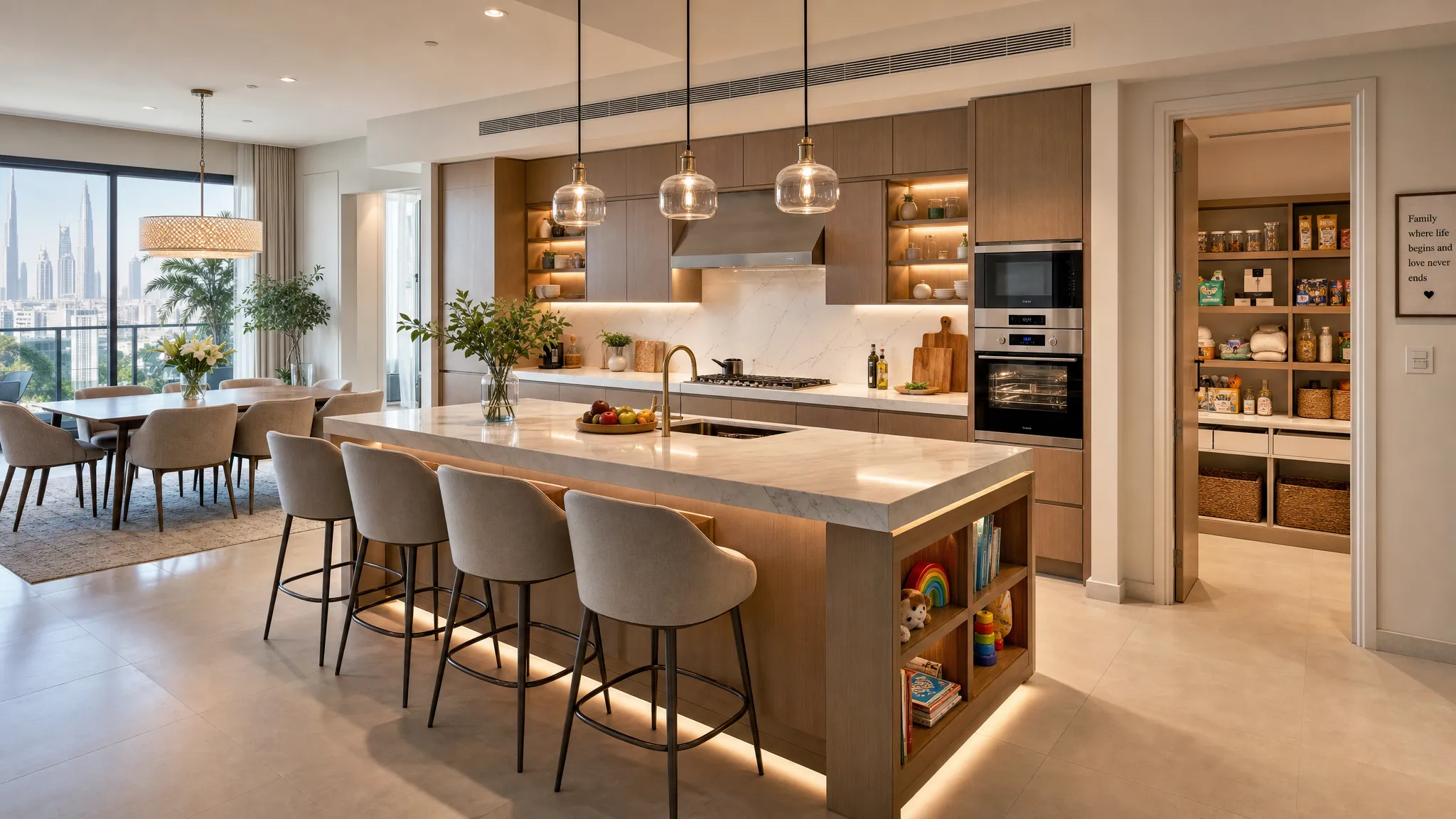
For family living, the island can combine several functions: food preparation, casual dining, storage, charging points, display shelving, and a serving area for gatherings. If children will sit at the island, choose durable stools, comfortable overhang depth, and surfaces that resist stains.
Pay attention to walkway clearance around the island. As a practical benchmark, many kitchens feel more comfortable with around 90 to 120 cm of circulation space where possible, especially near ovens, dishwashers, and fridge doors. Your contractor should confirm what works based on the actual room dimensions, appliance specifications, and cabinet layout.
If space is limited, a peninsula may be more practical than a freestanding island. It can still provide seating and extra worktop space without interrupting movement.
Build Storage Around Daily Habits
Family kitchens collect items quickly: lunch boxes, bottles, cookware, snacks, cleaning supplies, small appliances, trays, and seasonal serving pieces. Good storage planning is what keeps a modern kitchen looking calm after the renovation is complete.
Deep drawers are often more practical than standard lower cabinets because they let you see and reach items easily. Tall pantry units can store groceries, appliances, and bulk items without taking over the worktop. Pull-out corner systems help reduce wasted space in L-shaped and U-shaped kitchens.
An appliance garage is also worth considering. It keeps toasters, blenders, mixers, and coffee machines accessible but hidden when not in use. For families, this one detail can make a big difference to the visual cleanliness of the kitchen.
A dedicated breakfast or coffee station can improve the morning routine. Place mugs, coffee, tea, cereal, bread, spreads, and small appliances in one area so children and adults are not crossing the main cooking zone during busy hours.
Select Materials That Handle Dubai Family Life
Dubai kitchens need materials that can cope with heat, humidity, frequent cleaning, and heavy use. For family homes, durability matters as much as style. A finish may look beautiful in a sample, but it should also resist stains, scratches, fingerprints, moisture, and daily wear.
Quartz, porcelain, and selected natural stones are common choices for premium countertops. Porcelain is valued for heat and stain resistance, while quartz is popular for its consistent appearance and easy maintenance. Natural stone can be stunning, but it usually needs more care and proper sealing.
For cabinetry, high-quality laminate, veneer, lacquer, and painted finishes can all work, depending on budget and maintenance expectations. Families with young children may prefer finishes that hide fingerprints and are easy to wipe clean. Matte surfaces can look elegant, but very dark matte finishes may show marks more easily, so sample testing is important.
Flooring should be easy to clean and comfortable for daily use. Porcelain tiles are a practical choice in many Dubai kitchens because they are durable and moisture-resistant. If you prefer a warmer look, wood-effect porcelain or suitable engineered flooring can create a softer family feel while maintaining practicality.
| Kitchen element | Family-friendly option | Planning note |
|---|---|---|
| Countertops | Quartz or porcelain | Choose based on heat resistance, stain resistance, and maintenance needs |
| Cabinet fronts | Durable laminate, veneer, or quality painted finish | Test fingerprints and cleaning before final approval |
| Flooring | Porcelain tile or wood-effect porcelain | Prioritize slip resistance and easy cleaning |
| Backsplash | Large-format tile, porcelain slab, or glass | Fewer grout lines can mean easier maintenance |
| Hardware | Soft-close hinges and drawer runners | Reduces noise and improves everyday comfort |
Plan Lighting for Cooking, Dining, and Mood
Lighting can transform the entire kitchen experience. A single ceiling light is rarely enough for a modern family kitchen. Instead, use layered lighting that supports different activities at different times of day.
Task lighting is essential above countertops, the sink, hob, and island. Under-cabinet LED strips help reduce shadows while preparing food. Pendant lights above the island can create a focal point, but they should not block sightlines across an open-plan space.
Ambient lighting softens the kitchen in the evening, especially when it connects to a living or dining area. Accent lighting inside display cabinets or open shelves can add a premium feel without making the room too bright.
In family homes, consider separate lighting circuits. This lets you use bright task lighting while cooking, softer lighting during dinner, and low-level lighting at night when someone enters the kitchen for water or a snack.
Do Not Treat Ventilation and MEP as Afterthoughts
The hidden systems behind a kitchen renovation are just as important as the visible finishes. Plumbing, electrical points, drainage, ventilation, gas lines where applicable, and appliance connections all need careful planning before cabinets are manufactured.
Ventilation is especially important in Dubai homes where cooking heat can quickly affect comfort. A properly specified cooker hood, suitable ducting route, and well-planned air movement help control steam, odor, and grease. In apartments, ducting options may be limited by building rules, so this should be checked early.
Electrical planning should include today’s appliances and future needs. Families often need power for coffee machines, air fryers, microwaves, mixers, charging stations, water filters, dishwashers, ovens, and smart devices. Adding sockets after installation is more difficult, so decide locations before final drawings are approved.
For any kitchen remodeling Dubai project, MEP work should be handled by qualified professionals and coordinated with building or community requirements. This helps prevent delays, safety issues, and costly rework.
Add Smart Features Without Overcomplicating the Kitchen
Smart kitchen upgrades can improve comfort, but the best choices are the ones your family will actually use. Smart lighting scenes, motion sensors, energy-efficient appliances, water-saving mixers, and app-connected devices can all be useful when planned properly.
For families, smart features should make routines easier, not more complicated. For example, sensor lighting inside pantry cabinets helps children find snacks safely. A smart lighting scene can switch the kitchen from cooking mode to dinner mode. Touchless or easy-control faucets can support hygiene during food preparation.
Avoid adding technology just for novelty. If a feature is difficult to maintain, hard to repair, or not supported by your daily habits, it may not be worth the investment. A good renovation contractor can help balance smart convenience with long-term reliability.
Design for Children, Guests, and Multi-Generation Living
Modern family living in Dubai often includes children, visiting relatives, grandparents, house helpers, and frequent guests. A kitchen should be comfortable for all of them.
Rounded countertop edges, soft-close drawers, anti-slip flooring, and safe appliance placement can reduce everyday risks. If children will access snacks or dishes, create low drawers that are away from the hob and oven. If elderly family members use the kitchen, prioritize clear walkways, good lighting, easy-grip handles, and seating nearby.
For entertaining, think about how food moves from kitchen to table. A serving counter, beverage fridge, coffee station, or dining-side storage can make hosting smoother. In villas, the kitchen may also connect to an outdoor dining terrace, barbecue area, or poolside lounge, so door placement and traffic flow matter.
If your renovated kitchen will support a rental property, home business, or design-led portfolio, it is also worth thinking about how the space photographs and presents online. A well-designed kitchen can become a strong visual asset, and services such as fixed-price web design and mobile-first website builds can help property owners or small businesses showcase polished interiors professionally.
Apartment vs Villa Kitchen Remodeling in Dubai
Kitchen remodeling in Dubai is not the same for every property type. Apartments and villas come with different opportunities, restrictions, and approval requirements.
In apartments, plumbing stacks, ventilation routes, service shafts, and building management rules often influence what can be changed. Noise working hours, lift access, material delivery, and waste removal should also be planned carefully. The design focus is usually space optimization, storage, compact appliances, and finishes that make the kitchen feel larger.
In villas, there may be more flexibility to expand, open walls, connect to outdoor areas, or create a wet and dry kitchen setup. However, villa work may involve community approvals, structural checks, MEP upgrades, and more coordination across rooms. Larger projects should be planned with a realistic timeline, especially when custom cabinetry, stone, flooring, and appliances have lead times.
If you are unsure how much of your kitchen can be changed, start with a site survey and measured drawings. Best Renovation provides kitchen renovation services in Dubai for homeowners who want practical planning, design support, and professional execution.
Build the Renovation Sequence Before Ordering Finishes
Many kitchen delays happen because design decisions, site conditions, approvals, and materials are not coordinated early enough. A clear project sequence protects the budget and helps avoid last-minute changes.
| Stage | What happens | Why it matters |
|---|---|---|
| Site survey | Measurements, service checks, existing condition review | Confirms what is possible before design is finalized |
| Concept design | Layout, storage plan, finishes, appliance positions | Aligns the kitchen with family lifestyle |
| Technical planning | MEP, lighting, plumbing, ventilation, cabinetry drawings | Reduces rework during construction |
| Approvals and access planning | Building or community requirements, delivery rules, work timing | Helps prevent avoidable delays |
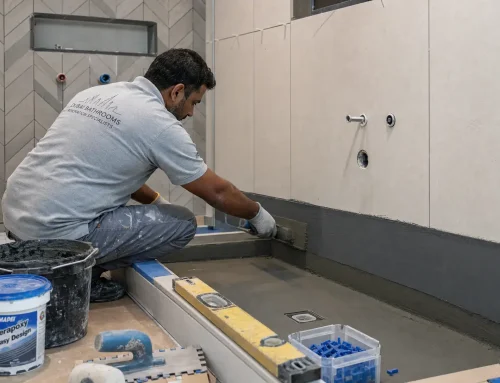
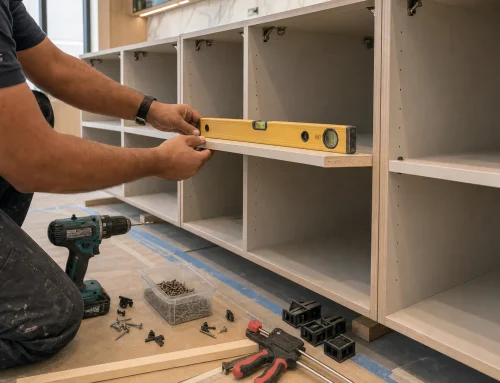
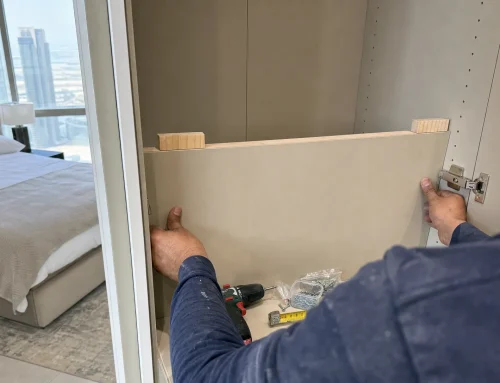
| Execution | Demolition, MEP, flooring, cabinets, countertops, painting | Coordinates trades in the right order |
| Snagging and handover | Final checks, adjustments, cleaning, client review | Ensures the kitchen is ready for daily use |
Do not rush the design freeze. Once cabinetry is in production or stone is cut, changes become more expensive. It is better to spend extra time reviewing drawings, appliance specifications, socket locations, and storage details before work begins.
Style Ideas That Feel Modern Without Becoming Cold
A family kitchen should feel welcoming, not like a showroom that no one wants to touch. In Dubai homes, modern warmth is often achieved through soft neutral palettes, textured cabinet finishes, warm wood tones, stone-look surfaces, and layered lighting.
Instead of relying only on white and grey, consider beige, greige, taupe, olive, sand, walnut, bronze, or soft black accents. These tones work well with Dubai’s bright natural light and can suit both apartments and villas.
A seamless look can be created with integrated appliances, handleless cabinets, concealed storage, and large-format backsplashes. To avoid a flat design, introduce texture through fluted glass, ribbed wood, stone veining, brushed metal handles, or a feature pendant light.
The goal is balance. A kitchen should be polished enough for entertaining but relaxed enough for family breakfast, school bags, quick meals, and daily cooking.
Common Kitchen Remodeling Mistakes to Avoid
Even a beautiful kitchen can disappoint if practical details are missed. One common mistake is choosing finishes before confirming layout and services. Another is underestimating storage, especially in family homes where groceries, cookware, and appliances accumulate quickly.
Poor lighting is another frequent issue. If task lighting is missing, the kitchen may look stylish but feel uncomfortable to use. Similarly, weak ventilation can make cooking less pleasant, particularly in open-plan layouts.
Homeowners should also avoid selecting appliances too late. Cabinet dimensions, electrical load, ventilation, and countertop cut-outs often depend on exact appliance specifications. Finalize these details early so the fit-out team can coordinate accurately.
Finally, do not choose a contractor only on the lowest quote. Kitchen remodeling involves carpentry, plumbing, electrical work, tiling, painting, countertop installation, and finishing. A detailed scope, clear drawings, quality materials, and experienced project management usually matter more than the cheapest starting price.
Frequently Asked Questions
What is the best kitchen layout for modern family living in Dubai? The best layout depends on your household. Open-plan kitchens work well for social families, closed kitchens suit frequent cooking and privacy, and wet-dry kitchen concepts are ideal for larger villas or households that need both entertaining space and heavy cooking support.
Do I need approvals for kitchen remodeling in Dubai? It depends on the property, building, community, and scope of work. Cosmetic upgrades may be simpler, while plumbing, electrical, ventilation, wall changes, or major layout changes may require approvals or NOCs. Always check with your building management, developer, and contractor before starting.
Which materials are best for a family kitchen in Dubai? Durable, easy-clean materials are usually best. Quartz or porcelain countertops, porcelain flooring, quality cabinet finishes, large-format backsplashes, and soft-close hardware are practical options for busy family use.
Can I remodel a small apartment kitchen to feel more spacious? Yes. Space-saving cabinetry, lighter finishes, integrated appliances, reflective backsplashes, under-cabinet lighting, and better drawer organization can make a compact kitchen feel larger and more functional.
How can I make my kitchen safer for children? Use rounded edges where possible, soft-close drawers, anti-slip flooring, safe appliance placement, child-friendly storage zones, and good lighting. Keep sharp tools, cleaning products, and hot cooking areas away from children’s easy reach.
Plan Your Family Kitchen With Best Renovation
A successful kitchen remodel is not only about new cabinets and countertops. It is about creating a kitchen that supports your family’s routines, looks elegant, handles Dubai’s climate, and stays practical for years.
Best Renovation provides home renovation, kitchen remodeling, bathroom renovation, villa renovation, interior design, fit-out, plumbing, carpentry, wooden flooring, and wall painting services in Dubai. If you are planning a family-focused kitchen upgrade, the team can help you turn your ideas into a functional, stylish, and well-executed space.
Explore Best Renovation’s home renovation services in Dubai and start planning a kitchen that works beautifully for modern family living.