A successful bathroom remodeling project is not just about choosing elegant tiles or a rainfall shower. The decisions you make before work begins often determine whether the bathroom remodeling project feels smooth and rewarding, or stressful and expensive.
In Dubai, bathroom remodeling comes with a few extra considerations: apartment and villa layouts vary widely, building management approvals may be needed, moisture control is critical, and materials must handle heat, humidity and daily use. Avoiding the most common bathroom remodeling mistakes early can protect your budget, timeline and final result.
Below are the bathroom remodeling mistakes worth fixing before the first tile is removed to ensure a successful bathroom remodeling outcome.
Starting Without a Clear Scope of Work
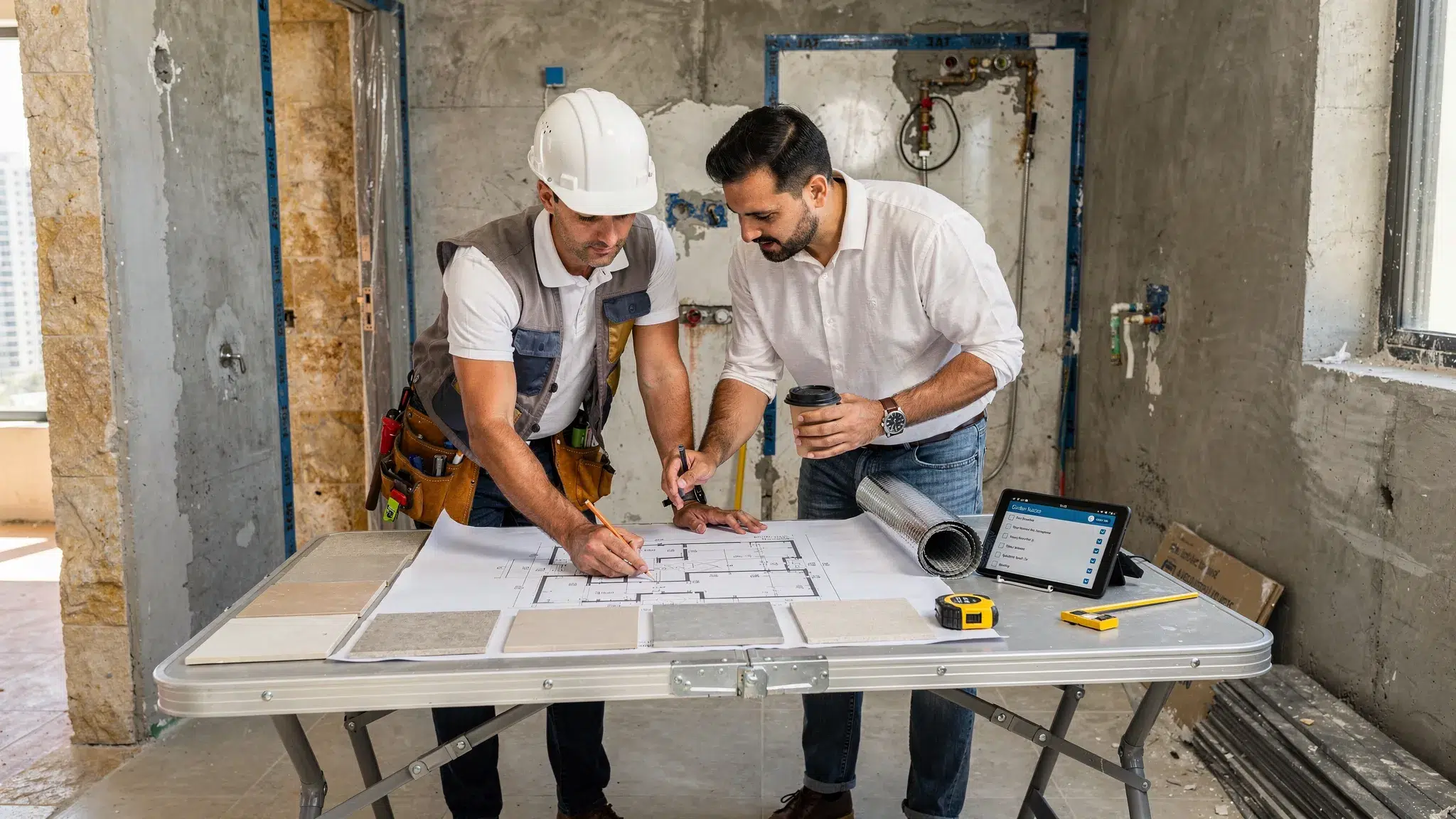
One of the biggest mistakes homeowners make is approaching a bathroom remodel with only a general idea of what they want. “Make it modern” or “upgrade everything” is not enough for a contractor to price, plan or execute the work properly.
Defining your goals for bathroom remodeling can help guide your decisions.
A clear scope should define what stays, what changes and what level of finish you expect. Are you replacing sanitaryware only, or changing the layout? Will plumbing points move? Do you need new lighting, ceiling work, waterproofing, cabinetry, tiling and ventilation? Each of these affects cost and duration.
When outlining your bathroom remodeling plans, consider factors such as functionality and aesthetics.
Before requesting quotations, list the main elements of the remodel:
- Flooring and wall tiles
- Shower, bathtub, toilet and basin
- Vanity, mirror and storage
- Plumbing and drainage changes
- Lighting, switches and exhaust fan
- Waterproofing and ceiling work
- Painting, silicone sealing and finishing
This makes quotations easier to compare and reduces the chance of hidden extras later.
Ignoring the Existing Bathroom Remodeling Layout
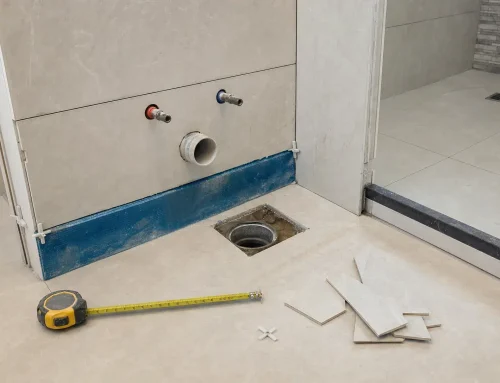
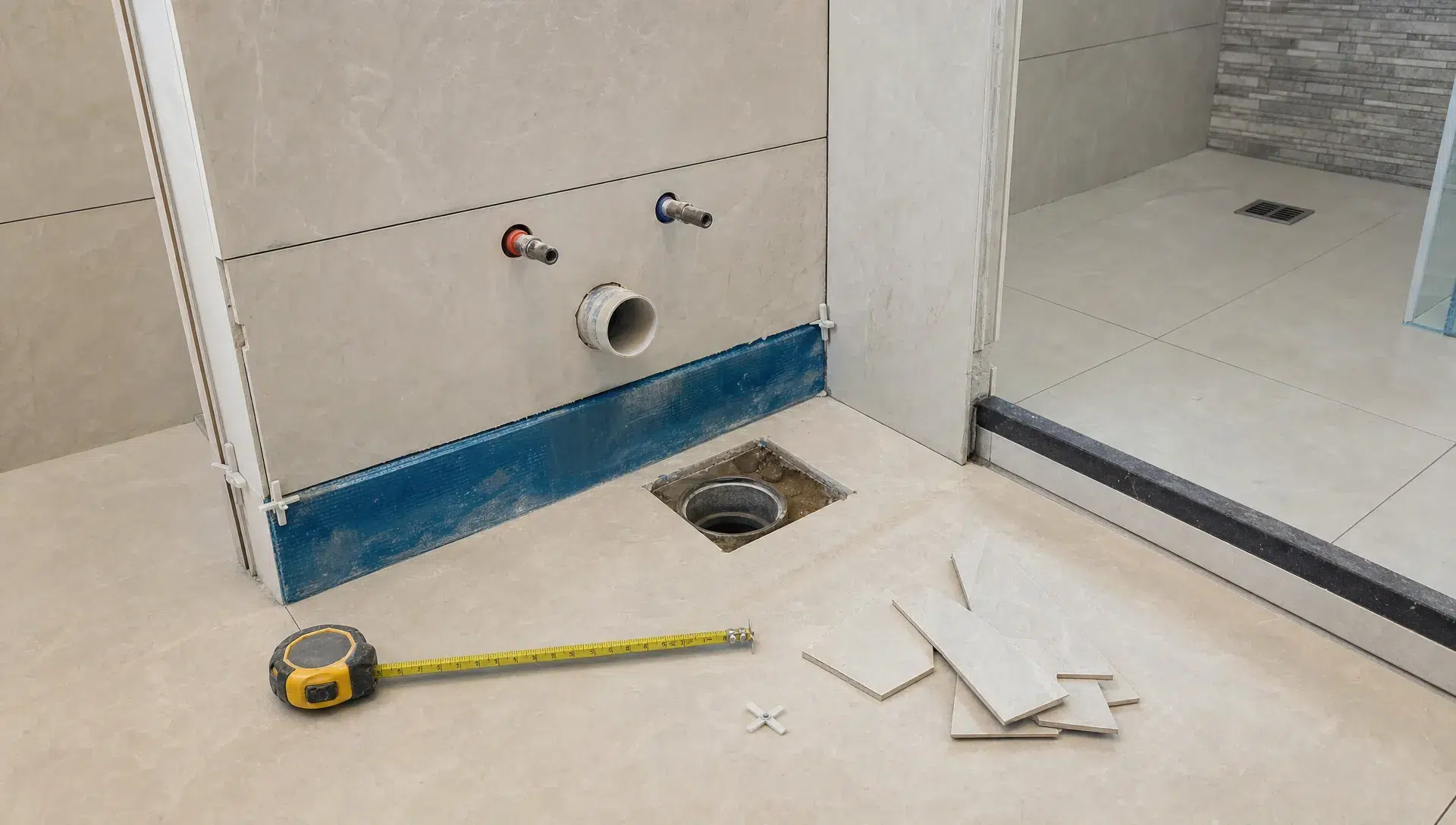
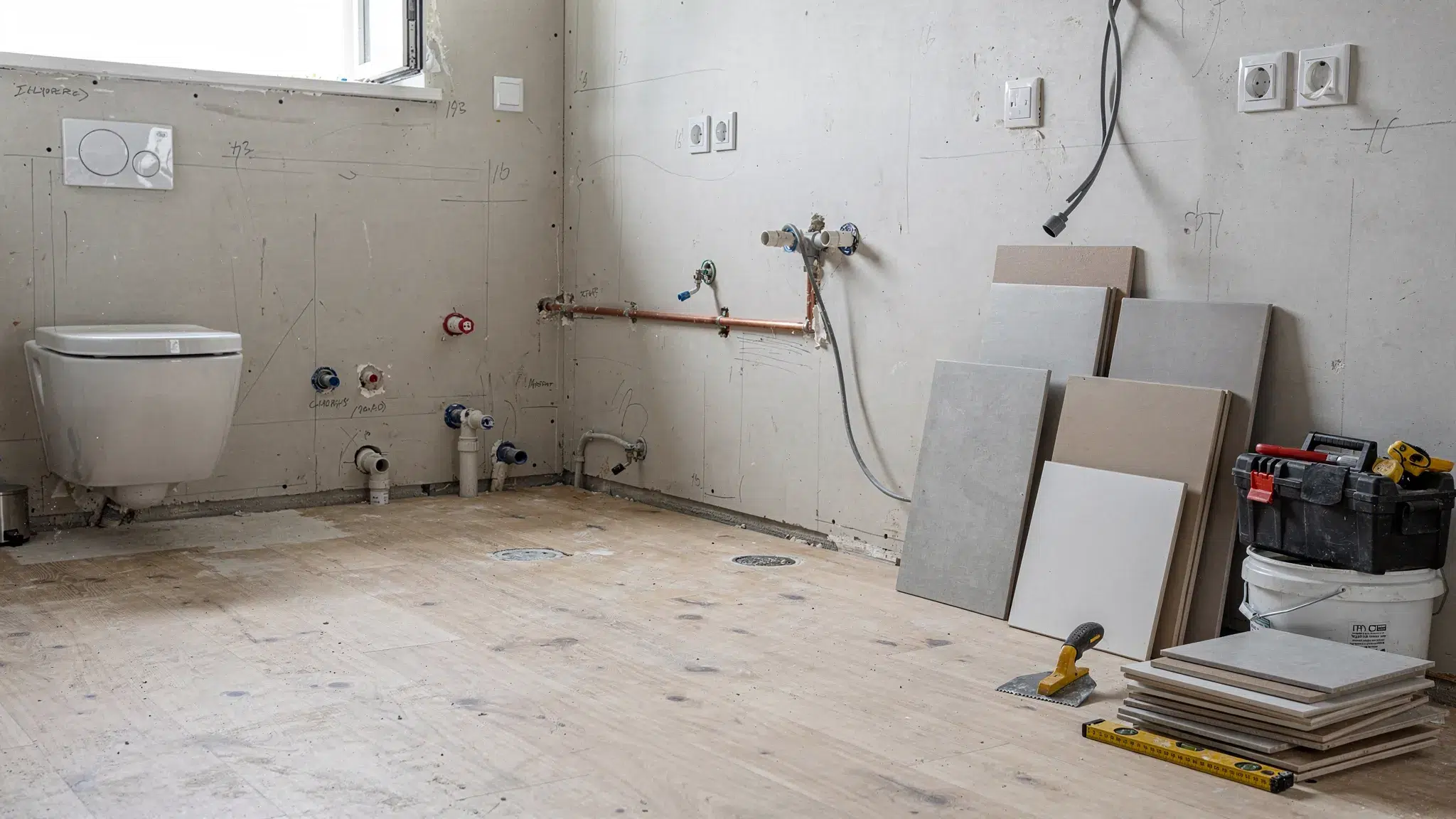
A beautiful design can quickly become expensive if it fights against the existing plumbing and drainage. Moving a toilet, shower or floor drain is sometimes possible, but it needs careful technical planning. In apartments especially, slab levels, drainage routes and building regulations can limit what can be changed.
Keeping major plumbing points close to their existing positions often helps control the budget. If you want to relocate fixtures, ask your contractor to assess the drainage slope, floor build-up, waterproofing implications and access for future maintenance before committing to the design.
This does not mean you must keep an impractical layout. It means the new plan should balance aesthetics with engineering. A smart bathroom remodeling plan improves movement, storage and comfort without creating avoidable technical risks.
A smart bathroom remodeling plan considers both layout and aesthetics.
Underestimating Waterproofing
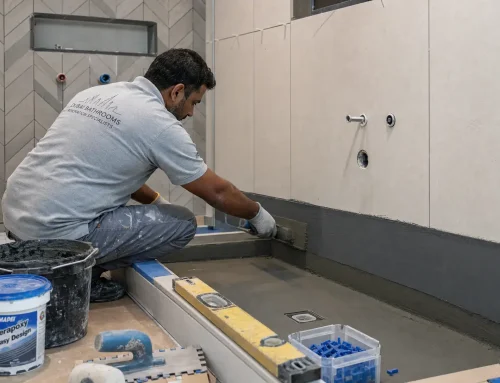
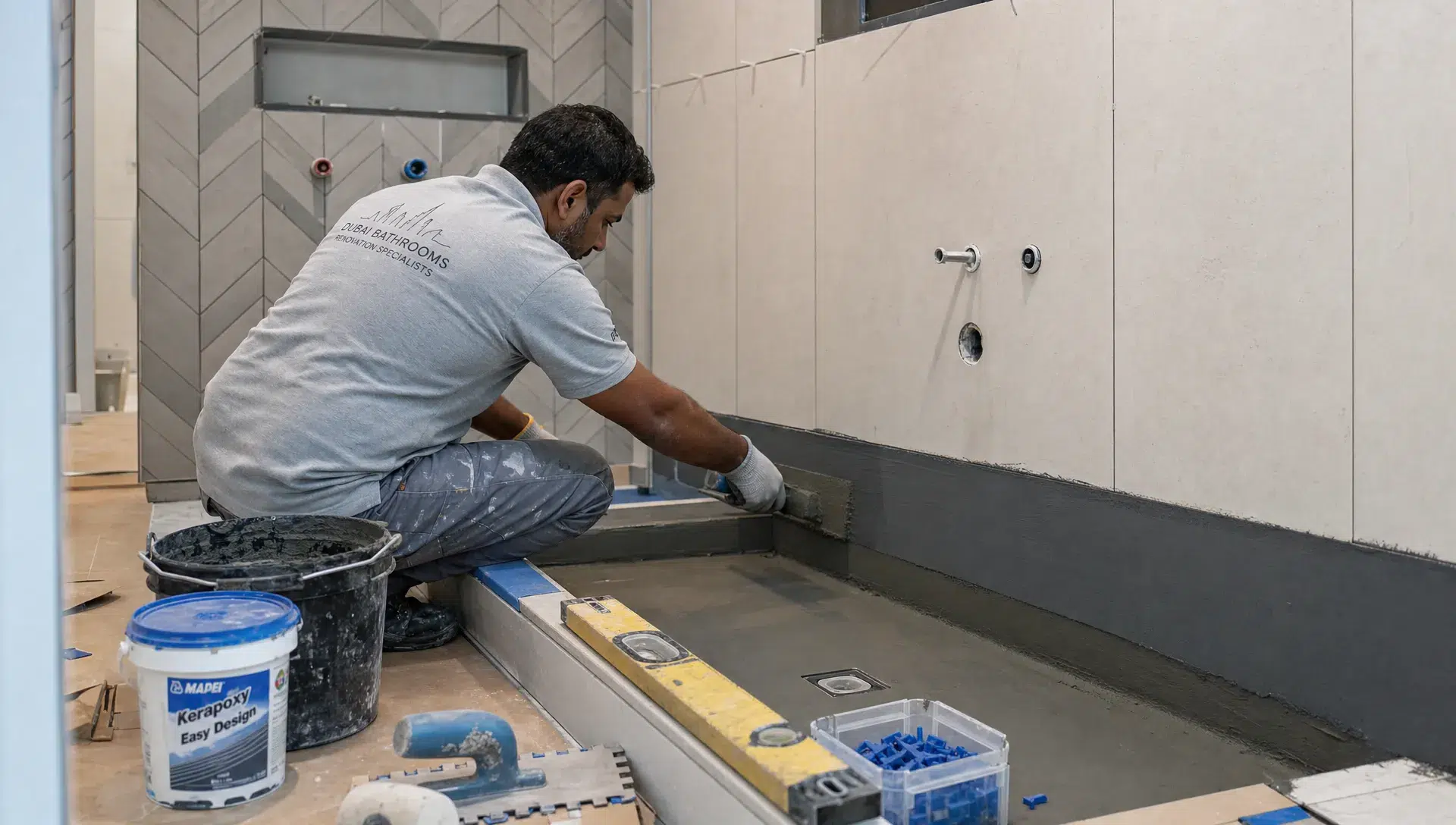
Waterproofing is one of the least glamorous parts of bathroom renovation, but it is also one of the most important. Poor waterproofing can lead to leaks, damaged ceilings, swollen cabinetry, mould, unpleasant smells and disputes with neighbours or building management.
In wet areas such as showers, floors and wall junctions, waterproofing should be treated as a core part of the project, not an optional upgrade. The quality of surface preparation, membrane application and curing time matters just as much as the product used.
Ask your contractor what waterproofing system will be used, where it will be applied and how the area will be tested before tiling. Skipping this conversation can be far more expensive than doing the work correctly from the start.
Choosing Materials Based Only on Looks
Choosing materials wisely is crucial in bathroom remodeling to avoid future issues.
Dubai bathrooms need materials that can handle humidity, frequent cleaning and daily wear. A tile may look perfect in a showroom, but it may not be the best choice for a wet floor, a family bathroom or a compact guest washroom.
For flooring, slip resistance matters. For shower walls, water absorption and grout maintenance should be considered. For vanity cabinets, moisture resistance is essential. Natural stone may look luxurious, but it can require sealing and more maintenance than porcelain or ceramic alternatives.
Consider all aspects of materials when planning your bathroom remodeling.
Here is a simple comparison to guide early material decisions:
Proper material selection is essential for a successful bathroom remodeling project.
| Bathroom element | Common mistake | Better planning approach |
|---|---|---|
| Floor tiles | Choosing polished tiles that become slippery when wet | Select suitable anti-slip finishes for wet zones |
| Wall tiles | Picking textured tiles that are hard to clean | Use texture thoughtfully, especially away from heavy splash areas |
| Vanity cabinet | Using wood finishes without moisture protection | Choose moisture-resistant materials and proper sealing |
| Grout | Treating grout colour as purely decorative | Consider stain resistance, maintenance and cleaning frequency |
| Fixtures | Buying based only on style | Check size, compatibility, water pressure and after-sales support |
Good material selection is about balancing style, safety and durability.
Forgetting Ventilation
Proper ventilation is vital in bathroom remodeling to ensure a healthy environment.
Bathrooms generate moisture every day. Without proper ventilation, humidity lingers on mirrors, ceilings, grout lines and cabinets. Over time, this can contribute to mould, peeling paint, bad odours and faster material deterioration.
Many Dubai bathrooms rely on mechanical exhaust fans, especially in apartments or internal bathrooms with no window. During planning, check whether the existing fan works properly, whether the ducting is adequate and whether the fan location makes sense for the new layout.
A more luxurious bathroom still needs practical airflow. Ventilation should be discussed early, especially if you are adding a larger shower enclosure, false ceiling, recessed lighting or new cabinetry.
Not Checking Approvals Before Work Begins
Confirming approvals is essential to avoid delays in bathroom remodeling.
Approval requirements vary depending on the property type, community, developer, building management and scope of work. A simple cosmetic refresh may be straightforward, while work involving plumbing, drainage, walls, electrical points or noisy demolition may require permissions.
In Dubai, it is common for apartment buildings and gated communities to have their own renovation procedures. Some projects may also involve municipal or utility-related requirements depending on the nature of the work. Homeowners can refer to official entities such as Dubai Municipality and DEWA for general guidance, but your contractor should also be familiar with local approval processes.
Starting demolition without approval can cause delays, fines, access issues or forced stoppages. Before signing off the schedule, confirm who is responsible for obtaining permissions, submitting documents and coordinating with building management.
Setting an Unrealistic Budget
A realistic budget for bathroom remodeling should include all potential costs.
Bathroom remodeling costs can vary widely depending on size, layout changes, material choices and the quality of finishes. A budget based only on tile prices and sanitaryware is incomplete. Labour, waterproofing, plumbing, electrical work, disposal, delivery, carpentry and finishing details all matter.
It is also wise to keep a contingency for surprises. Older villas and apartments may reveal hidden plumbing issues, damaged screed, uneven walls or previous poor workmanship once demolition begins. A realistic contingency helps you make better decisions without panic.
Instead of asking only for the cheapest quote, ask for a detailed breakdown. A low price may exclude important items that appear later as variations. A transparent quotation should make it clear what is included, what is excluded and what assumptions have been made.
Buying Fixtures Before Technical Checks
Thorough checks can prevent issues in bathroom remodeling.
Many homeowners fall in love with a basin, tap, toilet or shower system before confirming whether it suits the bathroom. This can lead to installation problems, pressure issues, awkward clearances or additional modifications.
Before purchasing fixtures, confirm key technical details with your contractor. Wall-mounted toilets may need concealed cisterns and sufficient wall depth. Rain showers may need suitable water pressure. Large vanities may block doors, sockets or cleaning access. Freestanding bathtubs need space around them to look good and function comfortably.
The best sequence is simple: finalise the layout, confirm technical requirements, then purchase fixtures that match the plan.
Overlooking Storage and Daily Use
A bathroom can look beautiful in a render and still feel frustrating in real life. Storage is often the missing piece. Toothbrushes, skincare products, towels, cleaning supplies, hair tools and spare toiletries all need a place to go.
Think about who will use the bathroom and how often. A guest powder room needs different storage from a family bathroom. A master bathroom may need dual access, better lighting, larger drawers and more countertop space.
Built-in niches, mirrored cabinets, vanity drawers and tall storage units can keep the space clean and organised. However, they must be planned before tiling, plumbing and electrical work begin.
Poor Lighting Planning
Good storage solutions enhance a bathroom remodeling project significantly.
Bathroom lighting should do more than brighten the room. It should support grooming, relaxation and safety. A single ceiling light often creates shadows around the face, while poorly placed lights can make even premium finishes look flat.
A good lighting plan usually combines ambient, task and accent lighting. Vanity lighting should reduce shadows. Shower lighting should be suitable for wet areas. Night lighting can be useful in family homes. Switch positions also need to be convenient and compliant with safety requirements.
Discuss lighting early because it affects ceiling design, wiring, mirror selection and cabinetry.
Choosing the Wrong Contractor
Choosing the right contractor is crucial for successful bathroom remodeling.
Bathroom renovation requires coordination between several trades, including plumbing, tiling, waterproofing, electrical work, carpentry, painting and finishing. If one step is poorly managed, it can affect everything that follows.
Look for a contractor with relevant bathroom remodeling experience, not just general repair experience. Ask to see past projects, review the proposed process and make sure communication is clear from the start. The right team should be able to explain technical limitations, suggest practical alternatives and provide a structured plan.
Best Renovation provides renovation and fit-out services in Dubai, including bathroom renovation, plumbing, tiling, carpentry, interior design and space planning. Working with a team that can coordinate these services helps reduce gaps between design decisions and site execution.
Rushing the Timeline
Rushing through bathroom remodeling can lead to mistakes.
A bathroom remodel involves sequential work. Demolition must happen before plumbing. Waterproofing needs proper preparation and curing. Tiles need accurate setting and drying time. Silicone, fixtures and accessories come near the end. Rushing any of these steps can affect durability and finish quality.
If you have only one bathroom at home, timing becomes even more important. Discuss temporary arrangements, work hours, access, material delivery and noisy activities before the project begins. In apartments, building rules may limit working hours, lift usage and disposal procedures.
A realistic timeline is not a delay. It is a safeguard against poor workmanship.
Making Too Many Design Changes Mid-Project
Limit design changes during bathroom remodeling to maintain the timeline.
Changing your mind after work starts is sometimes unavoidable, but frequent changes can disrupt the schedule and increase costs. A new tile size may affect setting patterns. A different vanity may need plumbing adjustments. Moving a mirror light may require rewiring.
The best way to avoid this is to make key decisions before demolition. Approve the layout, tile selection, sanitaryware, vanity design, lighting locations and accessory positions early. If a change is necessary, ask for the cost and time impact in writing before proceeding.
Not Thinking About Maintenance
A remodel should look good on handover day, but it should also be easy to maintain. Small choices can make a big difference over time.
Maintenance considerations are vital for a lasting bathroom remodeling.
Large-format tiles can reduce grout lines, but they need skilled installation. Matte black fixtures can look striking, but water marks may show more easily. Open shelving looks stylish, but it can collect dust and clutter. Complex shower screens may need more cleaning than simpler designs.
When comparing design options, ask yourself how the bathroom will look after six months of real use. The best bathroom is one that fits your lifestyle, not only your mood board.
A Better Way to Plan Your Bathroom Remodel
Before starting, take time to align the design, technical requirements and budget. A well-planned bathroom remodeling project should answer these questions clearly:
A comprehensive bathroom remodeling plan can lead to better outcomes.
- What is the exact scope of work?
- Which plumbing points will stay or move?
- What waterproofing system will be used?
- Are approvals or building management permissions required?
- Which materials are confirmed and available?
- How long will the work take?
- What is included in the quotation?
- Who will coordinate each trade?
If these answers are clear, the project is already on stronger ground.
Frequently Asked Questions
How long does bathroom remodeling take in Dubai? Timelines vary based on the bathroom size, scope of work, approvals, material availability and whether plumbing or layout changes are required. A cosmetic upgrade is usually faster than a full remodel with demolition, waterproofing, tiling, electrical work and custom carpentry.
Do I need approval to remodel a bathroom in Dubai? It depends on your property, building management, community rules and the type of work involved. Changes to plumbing, drainage, electrical points or structural elements may require approvals. Always confirm requirements before work starts.
What is the most important part of a bathroom renovation? Waterproofing and plumbing are among the most critical elements because failures can cause expensive damage. Design and finishes matter, but the hidden technical work determines long-term performance.
Can I renovate a bathroom without changing the layout? Yes. Many bathrooms can be significantly improved by upgrading tiles, sanitaryware, lighting, storage, ventilation and finishes while keeping plumbing points in place. This can often reduce cost and complexity.
How do I avoid hidden costs during bathroom remodeling? Start with a detailed scope, request an itemised quotation, confirm exclusions, check material selections early and keep a contingency for unexpected site conditions. Clear communication with your contractor is essential.
Plan Your Bathroom Renovation With Confidence
Planning your bathroom remodeling thoroughly ensures a smoother process.
Bathroom remodeling is easier when design, technical planning and site execution are handled together. Before you start, make sure your layout, waterproofing, materials, approvals, budget and contractor responsibilities are clearly defined.
If you are planning a bathroom renovation in Dubai, Best Renovation can help with remodeling, plumbing, tiling, carpentry, interior design and fit-out solutions tailored to your home. Get expert support before work begins, so your new bathroom is built to look good and perform well for years.
For your next bathroom remodeling project, consider expert assistance to achieve the best results.