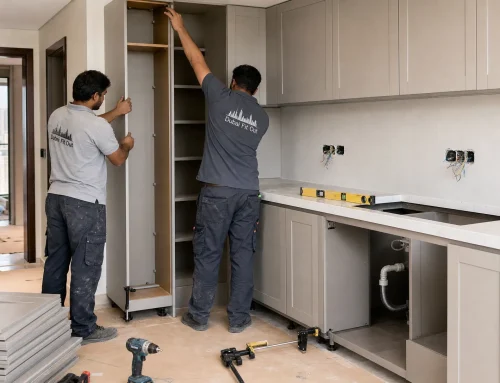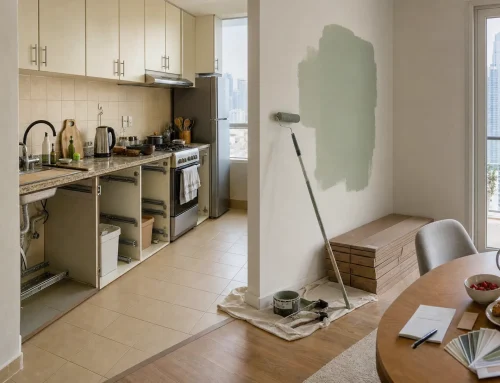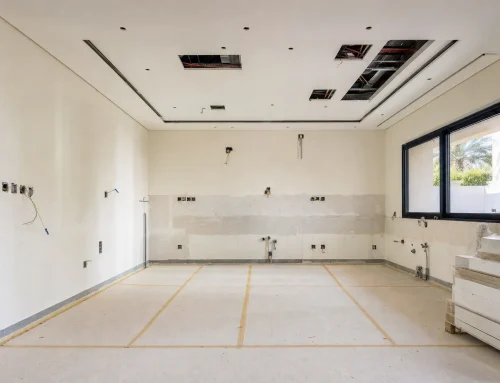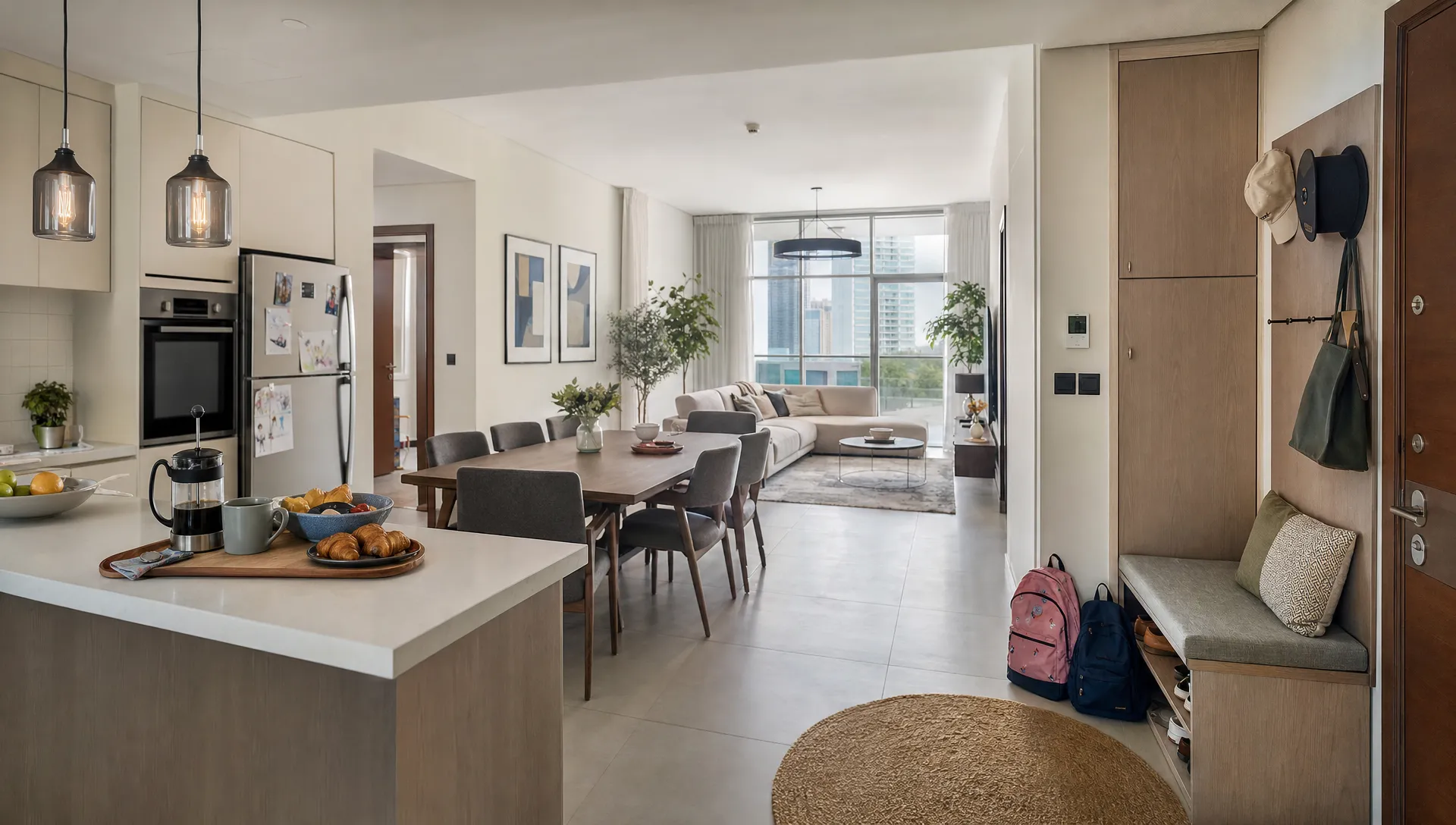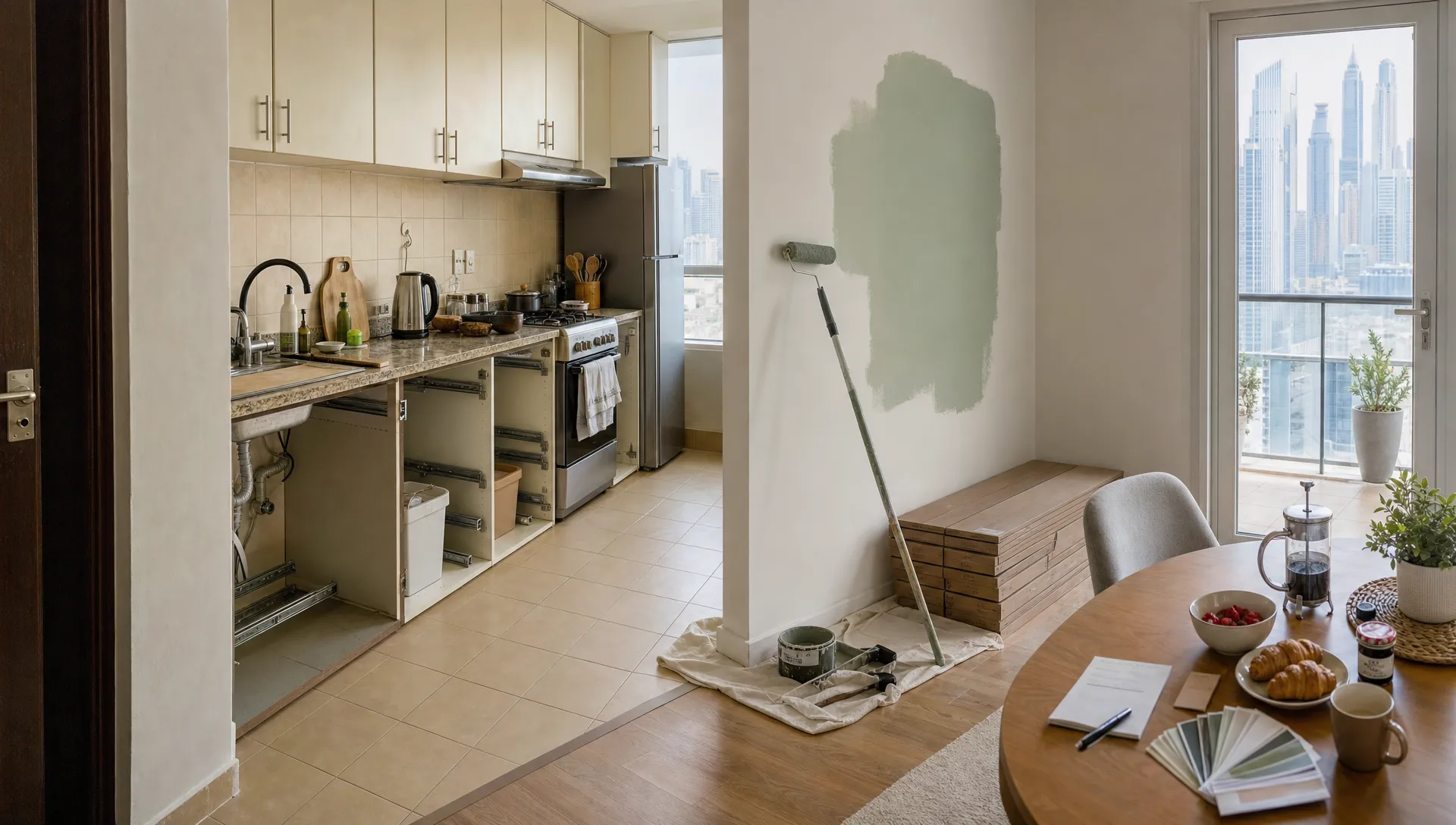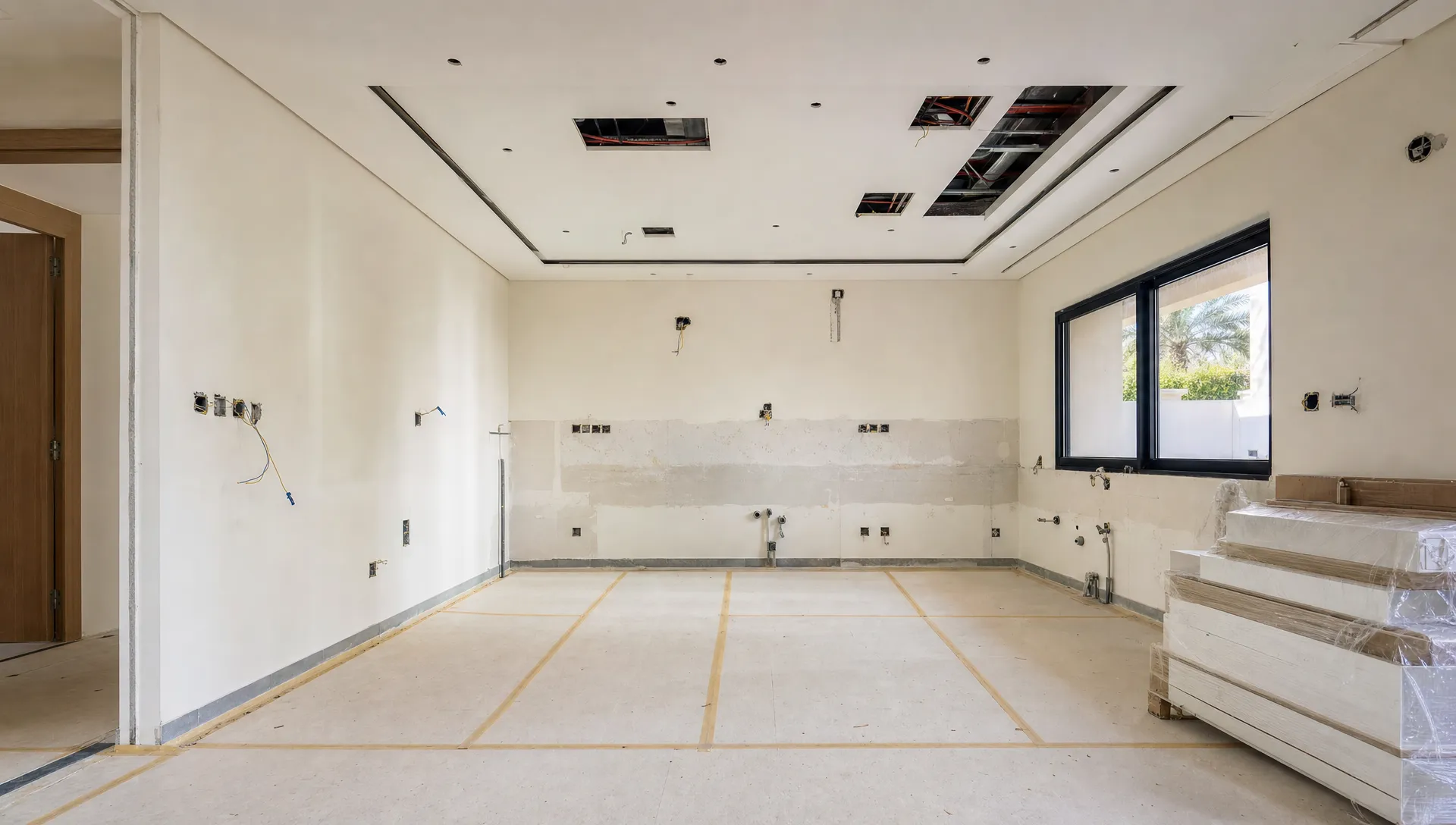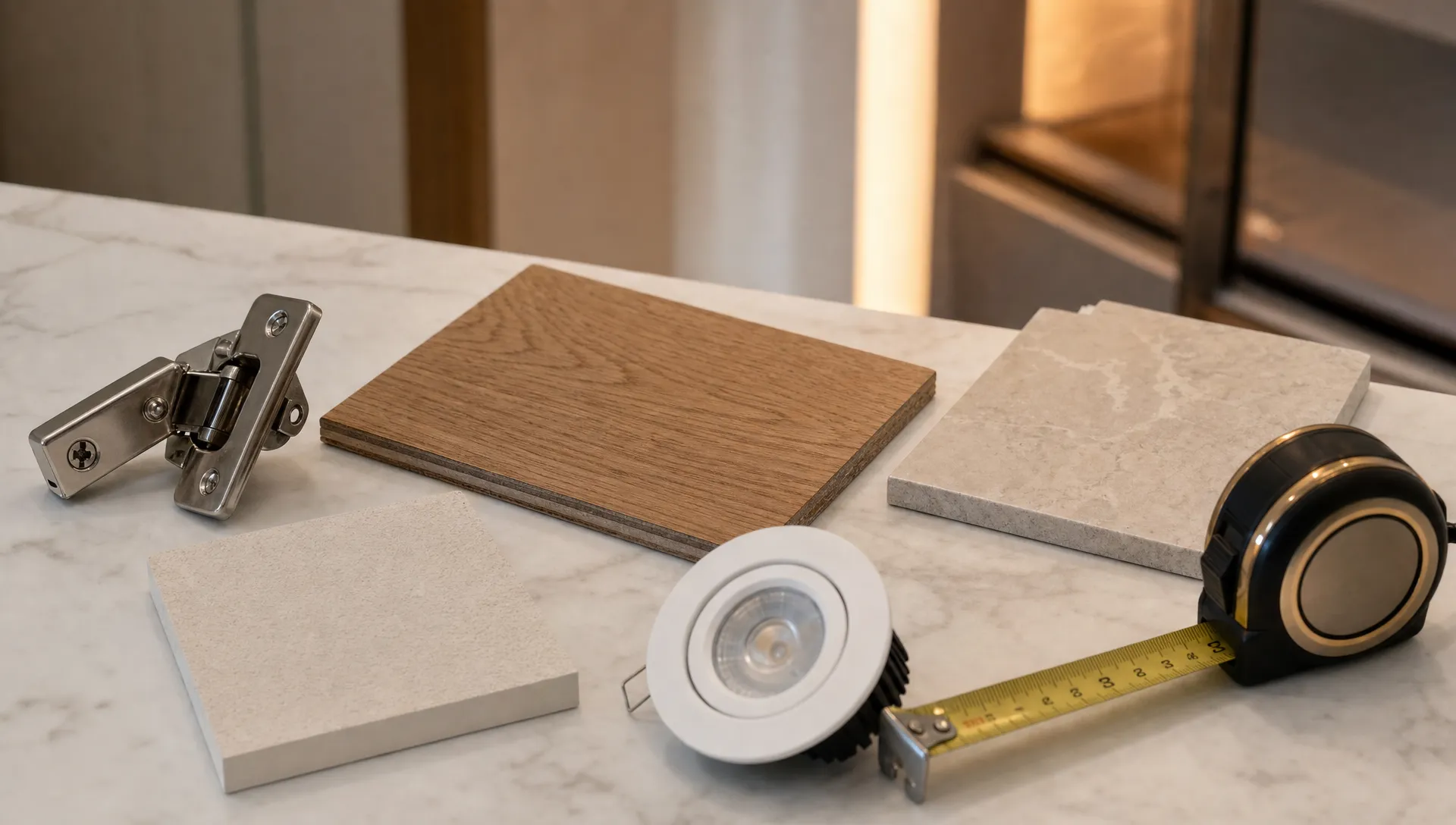
Beautiful interiors are easy to admire, but the best renovations are felt long before they are photographed. They make the morning rush smoother, reduce clutter, improve comfort during Dubai summers and help every room support the way you actually live.
That is the real value of interior design renovations. They go beyond changing colours or replacing furniture. A well-planned renovation studies how people move, cook, rest, work, host and store daily essentials, then reshapes the home around those habits.
In Dubai homes, this matters even more. Apartments often need smarter storage and better light control. Villas may need improved flow between indoor and outdoor areas. Family homes need durable finishes, efficient cooling and rooms that adapt as routines change.
What interior design renovations really change
A surface-level makeover can make a room look fresh for a few months. A thoughtful interior design renovation changes how the room performs for years. It considers the hidden decisions behind everyday comfort: where switches are placed, how cabinets open, whether the dining area feels connected to the kitchen and whether flooring can handle sand, pets, children or frequent guests.
The strongest results happen when design and technical work are planned together. Layout changes affect lighting. Bathroom upgrades affect plumbing. New flooring affects door levels and skirting. Built-in carpentry affects sockets, air-conditioning placement and cleaning access. If you are comparing different approaches, this guide to planning home renovation and interior design together is a useful starting point.
A successful renovation should answer one practical question: will this home be easier and more pleasant to live in after the work is complete?
Start with daily routines, not a mood board
Many homeowners begin with saved images, hotel bathrooms or luxury villa interiors. Inspiration helps, but it should not lead the entire project. A beautiful design can still fail if it ignores how the household functions.
Before choosing marble-effect tiles, wall colours or joinery finishes, map the routines that happen every day. This keeps the renovation grounded and helps avoid expensive changes that look impressive but add little value to daily life.
Ask questions such as:
- Where does clutter appear by the end of each day?
- Which rooms feel too dark, too hot or too crowded?
- Do guests, children or domestic staff need separate movement routes?
- Is the kitchen designed for actual cooking or only for display?
- Are wardrobes and storage areas deep enough for Dubai living needs?
- Which spaces feel unused because the layout or furniture does not support them?
These answers shape a better brief for contractors and designers. They also help separate meaningful upgrades from decorative extras.
Improve flow before improving finishes
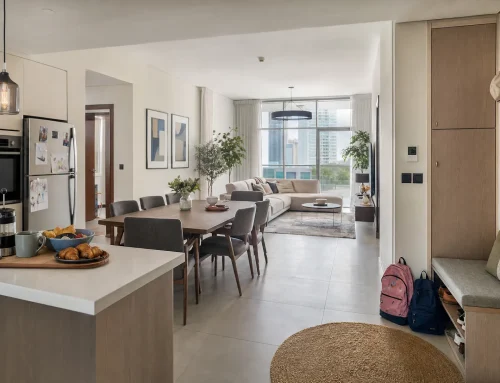
The layout is the quiet structure behind every good interior. If movement through the home feels awkward, even premium finishes will not solve the problem. In many Dubai apartments, living and dining areas compete for the same space. In villas, large rooms can feel underused because furniture is pushed to the walls or circulation paths are unclear.
Interior design renovations can correct these issues by creating stronger zones. A living room might gain a defined media wall, a reading corner and a compact dining area without feeling crowded. A villa entrance can be redesigned with concealed shoe storage, wall cladding and softer lighting so it feels welcoming rather than busy. A corridor can become useful with shallow cabinetry or display shelving instead of remaining empty.
| Everyday issue | Renovation response | Daily benefit |
|---|---|---|
| Living room feels cluttered | Built-in media unit with closed storage | Fewer visible wires, remotes and loose items |
| Dining table blocks movement | Reposition furniture and adjust lighting points | Better circulation and a more comfortable eating area |
| Entrance collects shoes and bags | Add concealed cabinets and durable flooring | Cleaner first impression and easier organisation |
| Bedrooms lack calm | Improve wardrobes, lighting and wall finishes | Better rest and less visual noise |
| Balcony feels disconnected | Align flooring tones, seating and access points | More usable indoor-outdoor living |
Good flow does not always require removing walls. Sometimes the biggest improvement comes from repositioning furniture, widening a passage, changing a door swing or designing storage around real movement patterns.
Make kitchens and bathrooms work harder
Kitchens and bathrooms have a major effect on everyday living because they are used repeatedly and rely on both design and technical quality. Renovating these spaces only for appearance can lead to frustration if storage, ventilation, plumbing or lighting are not handled properly.
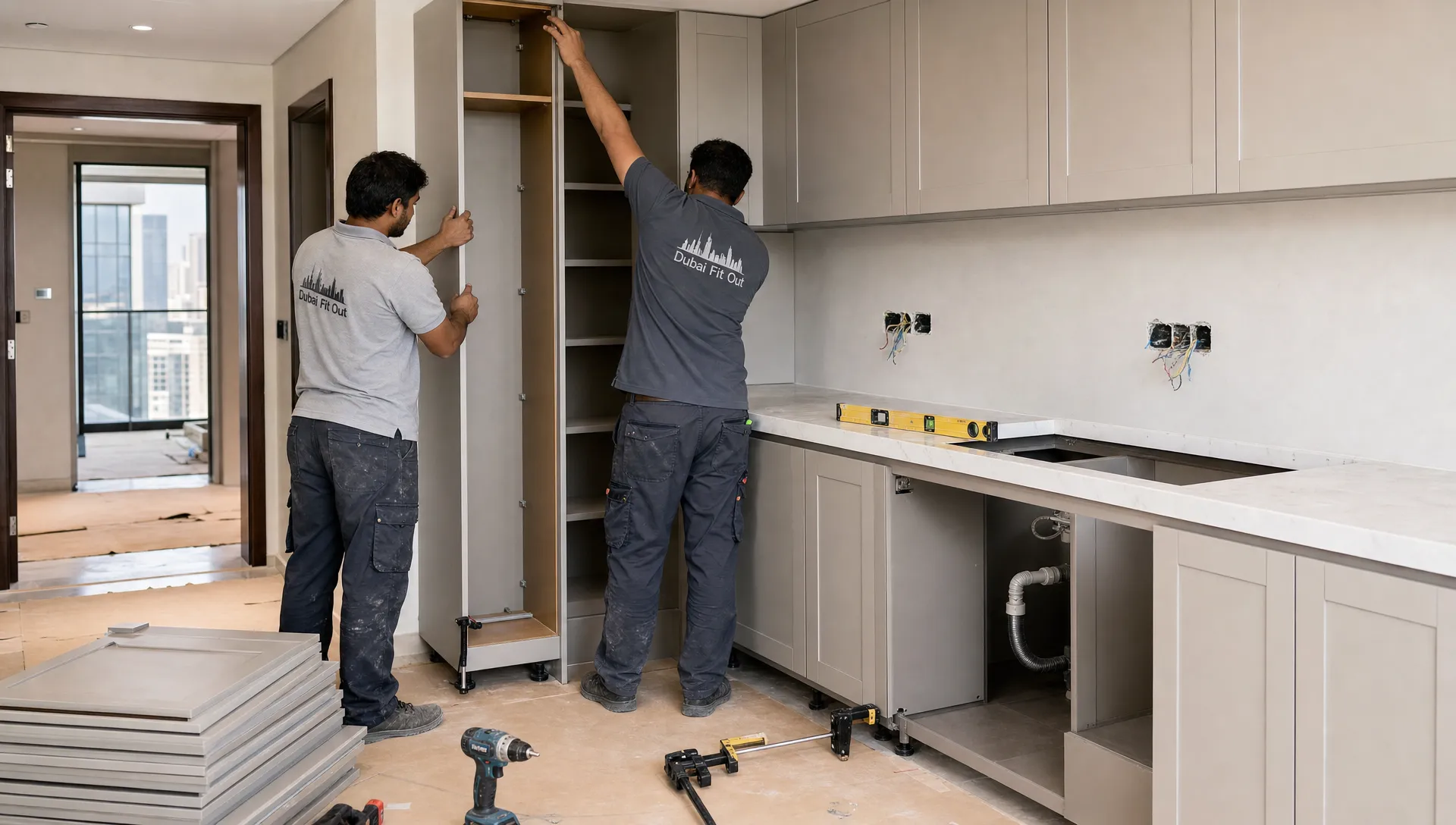
A practical kitchen renovation starts with the cooking routine. In a Dubai family home, the kitchen may need space for bulk groceries, separate preparation zones, heat-resistant surfaces and easy-clean finishes. In an apartment, the priority may be compact storage, better task lighting and a layout that prevents the kitchen from visually overpowering the living area.
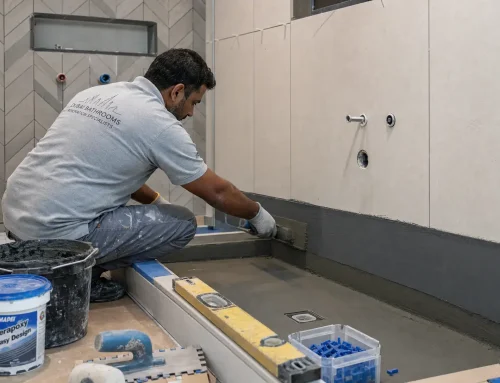
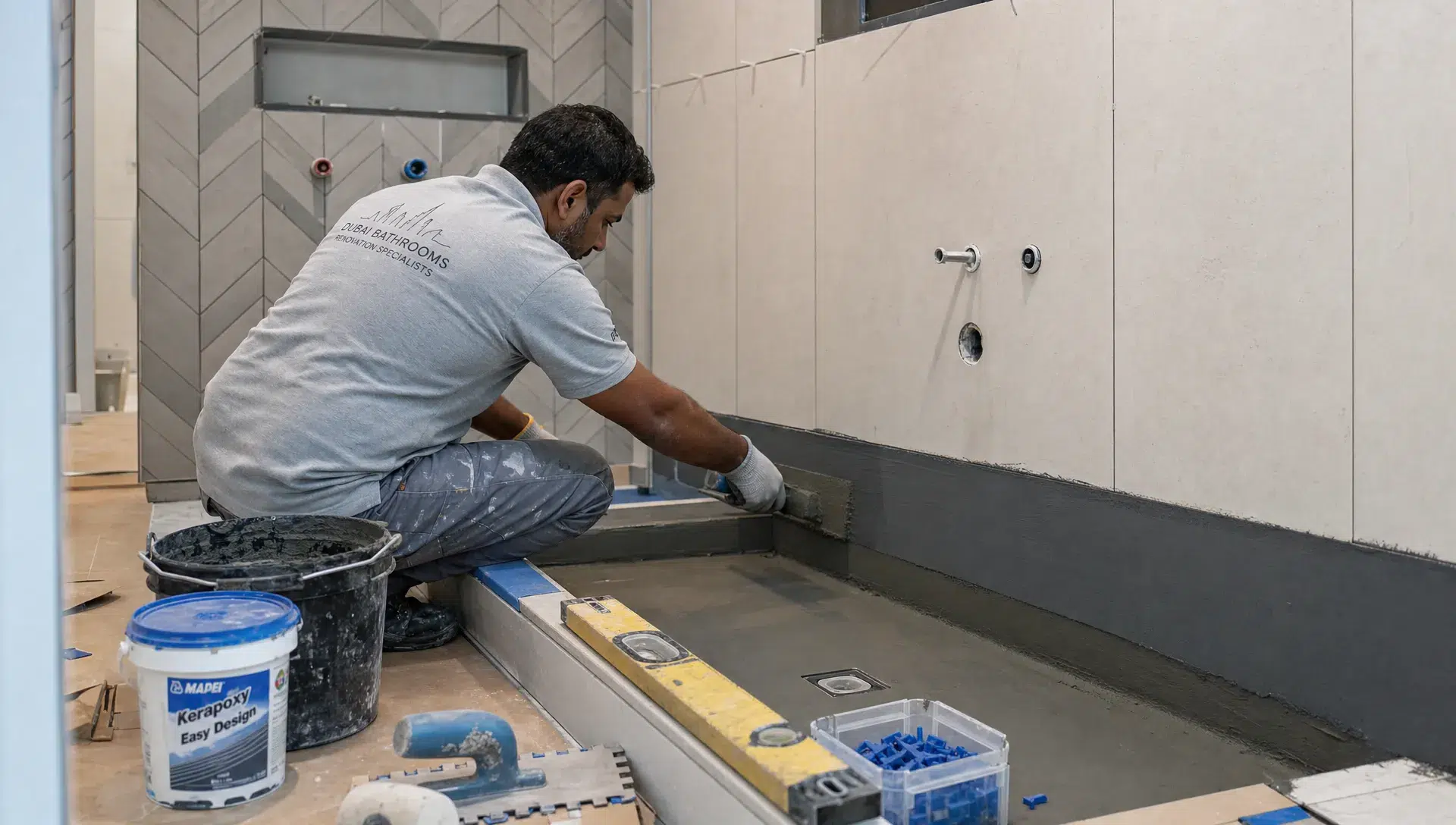
Bathroom renovations need the same discipline. A calm bathroom is not created by tiles alone. It comes from proper waterproofing, well-planned lighting, accessible storage, quality fixtures and surfaces that can handle humidity. Wall-mounted vanities can make compact bathrooms feel lighter, while recessed niches reduce clutter in showers.
The best renovations combine visible beauty with invisible reliability. Plumbing lines, drainage slopes, extractor performance and material compatibility all affect how the finished room performs after the first few weeks.
Use lighting as a design tool, not an afterthought
Lighting changes how a renovated interior feels at every hour of the day. One ceiling light in the centre of a room rarely supports modern living. It may leave corners dark, create glare on screens or make a beautiful finish look flat.
Layered lighting is more effective. Ambient lighting gives general brightness. Task lighting supports cooking, reading, grooming or working. Accent lighting highlights textures, shelving, artwork or wall panels. In Dubai homes, lighting also helps soften interiors that receive strong daylight for part of the day but feel dim in the evening.
A good renovation plan decides lighting positions before ceilings, carpentry and wall finishes are finalised. This prevents last-minute compromises and keeps the design clean.
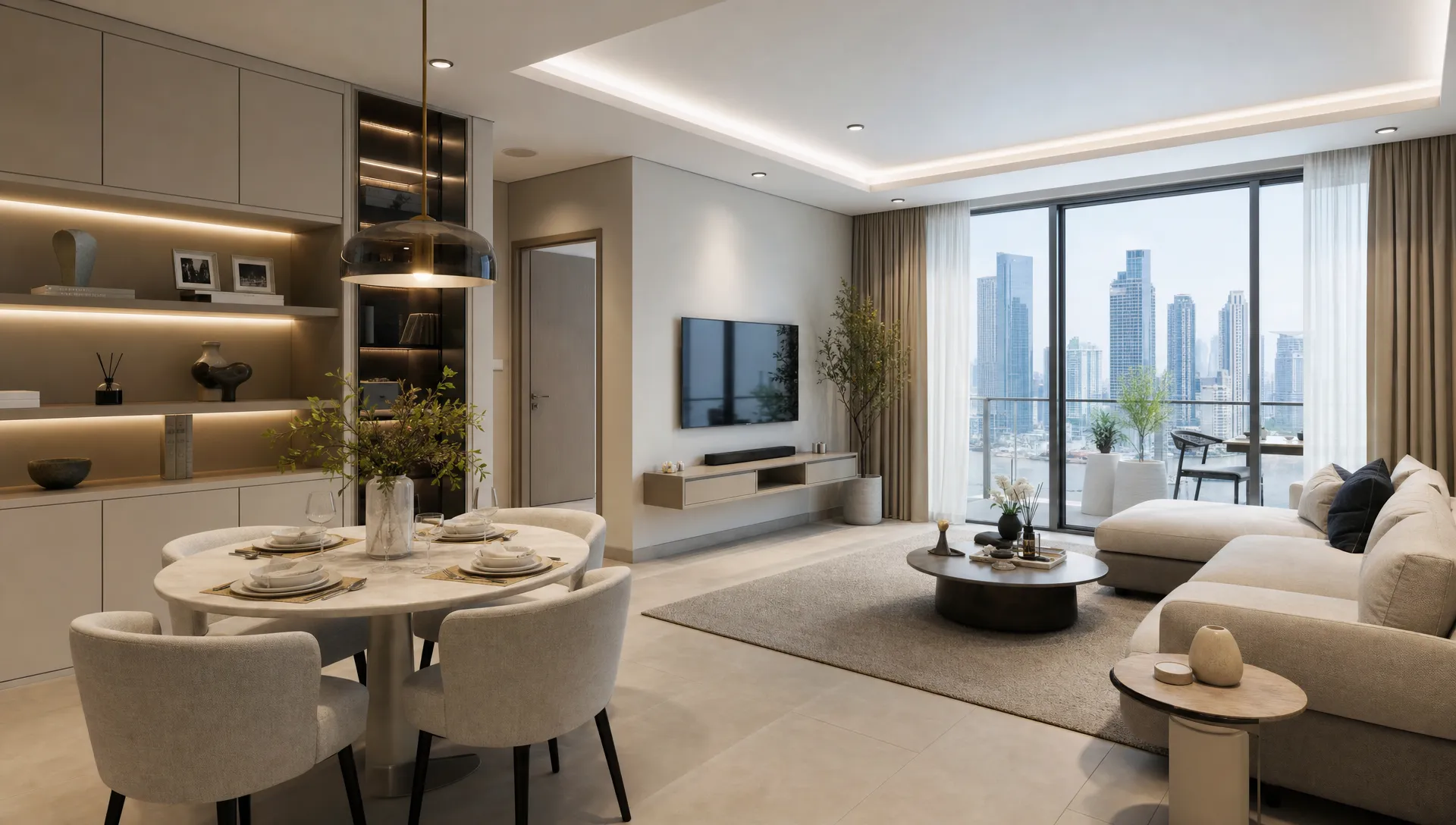
Choose materials for climate, maintenance and comfort
Interior design renovations should look good on day one and remain practical after months of use. Dubai's climate, dust, strong sunlight and frequent air-conditioning make material selection especially important.
Highly polished surfaces can look elegant, but they may show footprints or glare. Dark cabinets can feel dramatic, but they may reveal dust more quickly. Natural textures can add warmth, but they need to be chosen carefully in wet or high-traffic areas.
| Design element | Practical choice | Why it works for everyday living |
|---|---|---|
| Flooring | Porcelain tiles, engineered wood or quality vinyl depending on room use | Supports durability, comfort and easier cleaning |
| Walls | Washable paint, textured finishes or feature cladding in selected areas | Adds character without making maintenance difficult |
| Kitchen counters | Durable stone, quartz or other suitable solid surfaces | Handles daily preparation and repeated cleaning |
| Wardrobes | Moisture-aware boards and ventilated storage planning | Helps protect clothing and stored items |
| Curtains and blinds | UV-conscious fabrics and layered window treatments | Improves privacy, light control and cooling comfort |
The goal is not to choose the most expensive finish. The goal is to choose materials that match the way the space is used. For more room-by-room inspiration, these interior renovation ideas for a Dubai home show how finishes, layout and light can work together.
Add storage that disappears into the design
Storage is one of the biggest reasons a renovation changes daily life. When storage is badly planned, every surface becomes a temporary shelf. When it is well designed, the home feels calmer because belongings have a clear place to go.
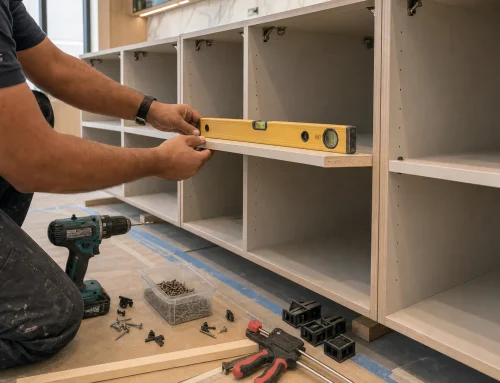
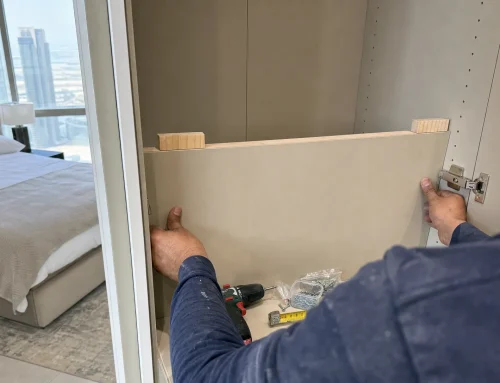
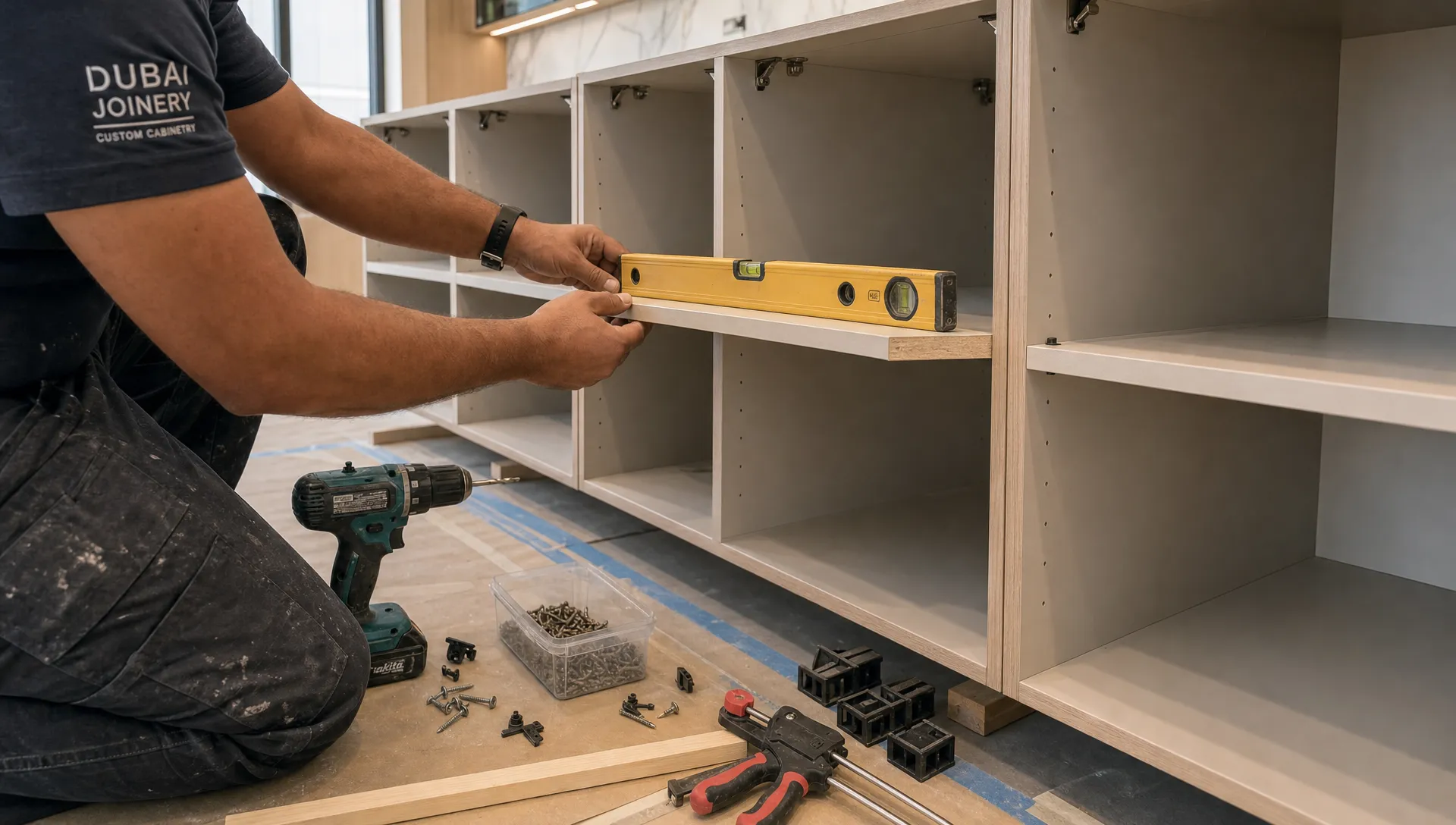
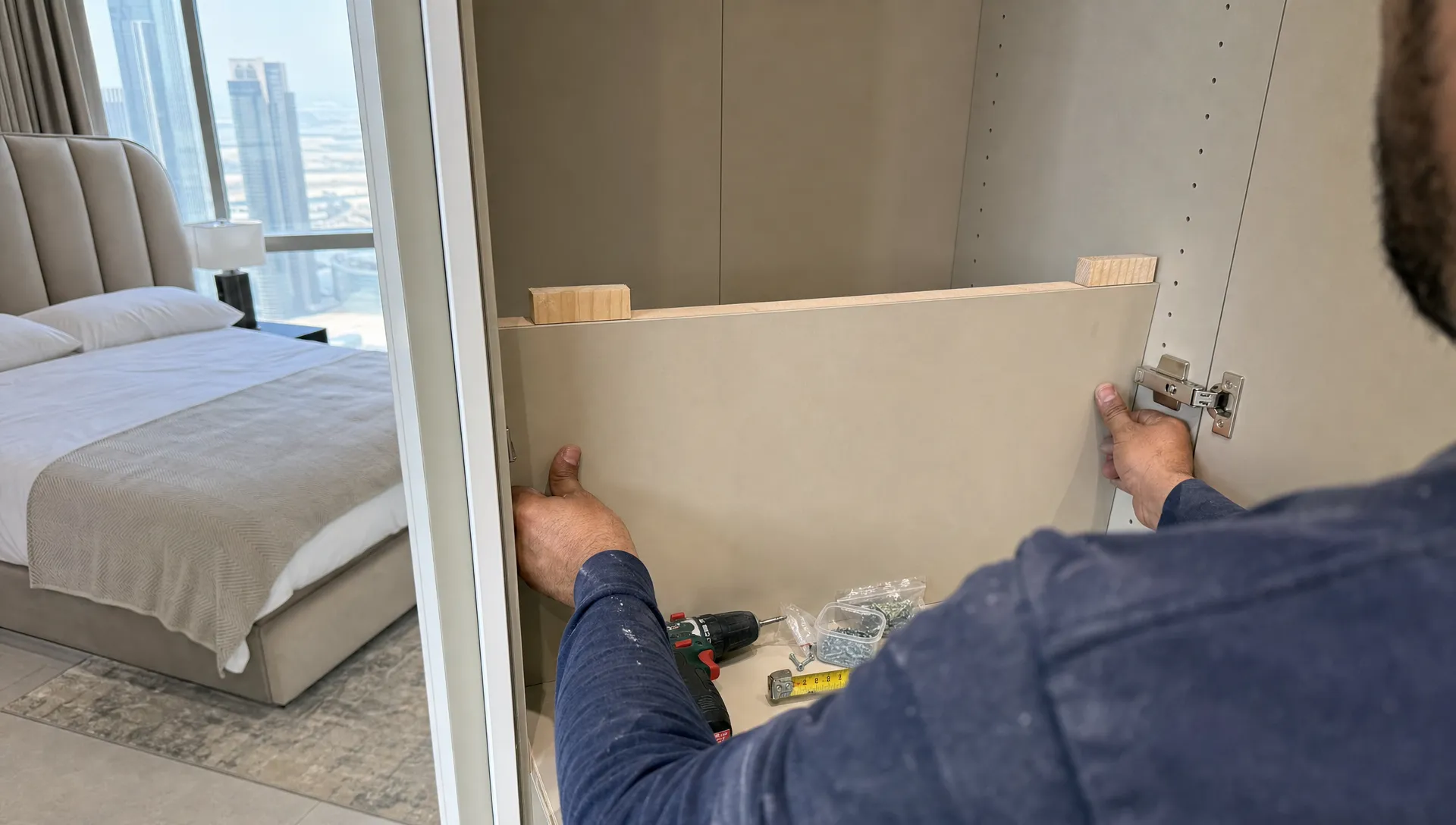
Built-in carpentry can transform wasted space around TV walls, beds, corridors, staircases and entrances. In bedrooms, floor-to-ceiling wardrobes can be designed around clothing types, luggage, seasonal items and accessories. In living areas, closed storage keeps visual clutter away while open shelving can be reserved for display pieces.
The key is balance. Too much closed cabinetry can make a home feel heavy. Too much open shelving increases cleaning and styling pressure. A good interior designer or renovation contractor will plan storage around both appearance and daily use.
Renovate around the type of home you live in
The right interior design renovation depends on the property. A compact apartment, a townhouse and a villa do not need the same design strategy.
Apartments often benefit from multifunctional furniture, lighter palettes, reflective surfaces and built-in storage that does not reduce circulation. Villas can support bolder zoning, larger kitchens, upgraded bathrooms, feature staircases and stronger indoor-outdoor connections. Townhouses may need careful planning because rooms can be narrow, making furniture scale and lighting especially important.
For homeowners struggling with circulation, furniture placement or awkward rooms, these renovation house design tips for better space planning offer a useful way to think through the layout before committing to finishes.
Avoid renovations that only look good online
Some renovation choices photograph well but become inconvenient quickly. Oversized islands can restrict kitchen movement. Open shelves can collect dust. Glossy floors can create glare. A bathroom with no practical storage may look minimal for a photo but feel frustrating every morning.
Common mistakes include:
- Choosing finishes before solving layout problems
- Ignoring air-conditioning vents, sockets and switch locations
- Using trendy materials in areas that need heavy-duty performance
- Underestimating storage for shoes, cleaning tools and luggage
- Installing decorative lighting without enough task lighting
- Treating contractor coordination as separate from design planning
A renovation should improve the real home, not only the photos of it. If a design decision makes cleaning harder, reduces comfort or blocks movement, it needs to be questioned.
Work with contractors who understand both design and execution
Interior design renovations involve many moving parts: demolition, electrical work, plumbing, carpentry, flooring, painting, ceiling details, approvals and installation sequencing. When these are managed separately, small errors can become expensive delays.
A professional renovation team should help connect the design vision with the practical work needed to deliver it. That means checking measurements, understanding building restrictions, coordinating trades and advising on materials that suit the property. This is especially valuable for major upgrades where kitchens, bathrooms, flooring and built-in joinery are being renovated together.
Best Renovation provides home renovation, villa renovation, kitchen and bathroom remodeling, interior design, fit-out solutions, plumbing, carpentry, wooden flooring and wall painting services in Dubai. For homeowners planning larger changes, working with experienced house renovation services can simplify coordination and reduce the risk of design details being lost during execution.
Frequently Asked Questions
What are interior design renovations? Interior design renovations combine space planning, finishes, lighting, storage and technical upgrades to improve how a home looks and functions. They may include kitchens, bathrooms, flooring, carpentry, wall finishes and full-room redesigns.
How do interior design renovations improve daily living? They make routines easier by improving movement, storage, comfort, lighting and maintenance. A good renovation reduces friction in everyday tasks such as cooking, dressing, hosting, cleaning and relaxing.
Should I hire an interior designer or a renovation contractor first? For the best result, design and execution should be discussed together early. An interior designer shapes the concept and layout, while a renovation contractor checks technical feasibility, sequencing and installation details.
Which rooms usually give the biggest lifestyle improvement? Kitchens, bathrooms, living rooms and entrances often create the strongest daily impact because they are used frequently. Bedrooms and storage areas also make a major difference when they are redesigned around comfort and organisation.
Can interior design renovations increase property value in Dubai? They can support value when the work improves layout, finishes, storage, bathrooms, kitchens and overall usability. The impact depends on the property, location, material quality and standard of workmanship.
Transform your home around the way you live
The most successful renovation is not just stylish. It makes your home easier to use, more comfortable to maintain and better suited to your routines. If you are planning interior design renovations in Dubai, Best Renovation can help with home renovation, villa upgrades, kitchen and bathroom remodeling, interior design, fit-out work, carpentry, plumbing, wooden flooring and wall painting.
To start shaping a home that works better every day, visit Best Renovation and discuss your renovation goals with a Dubai renovation team.