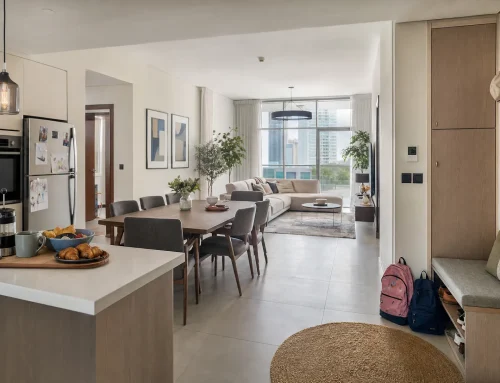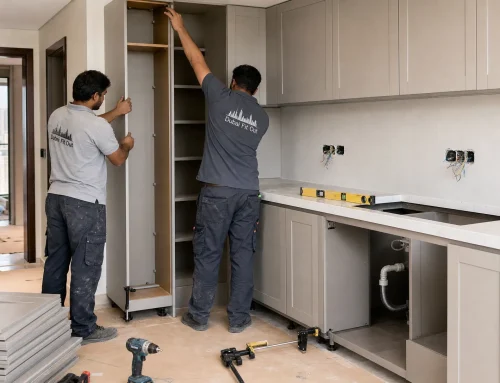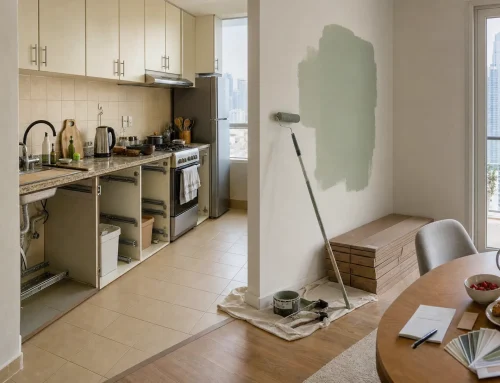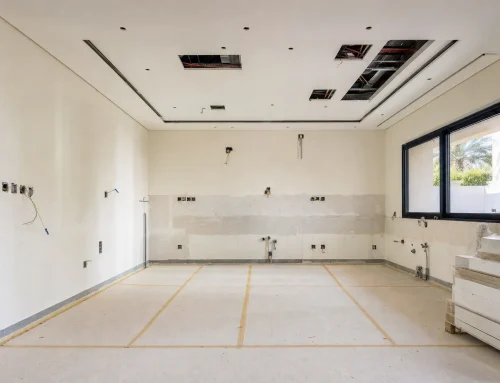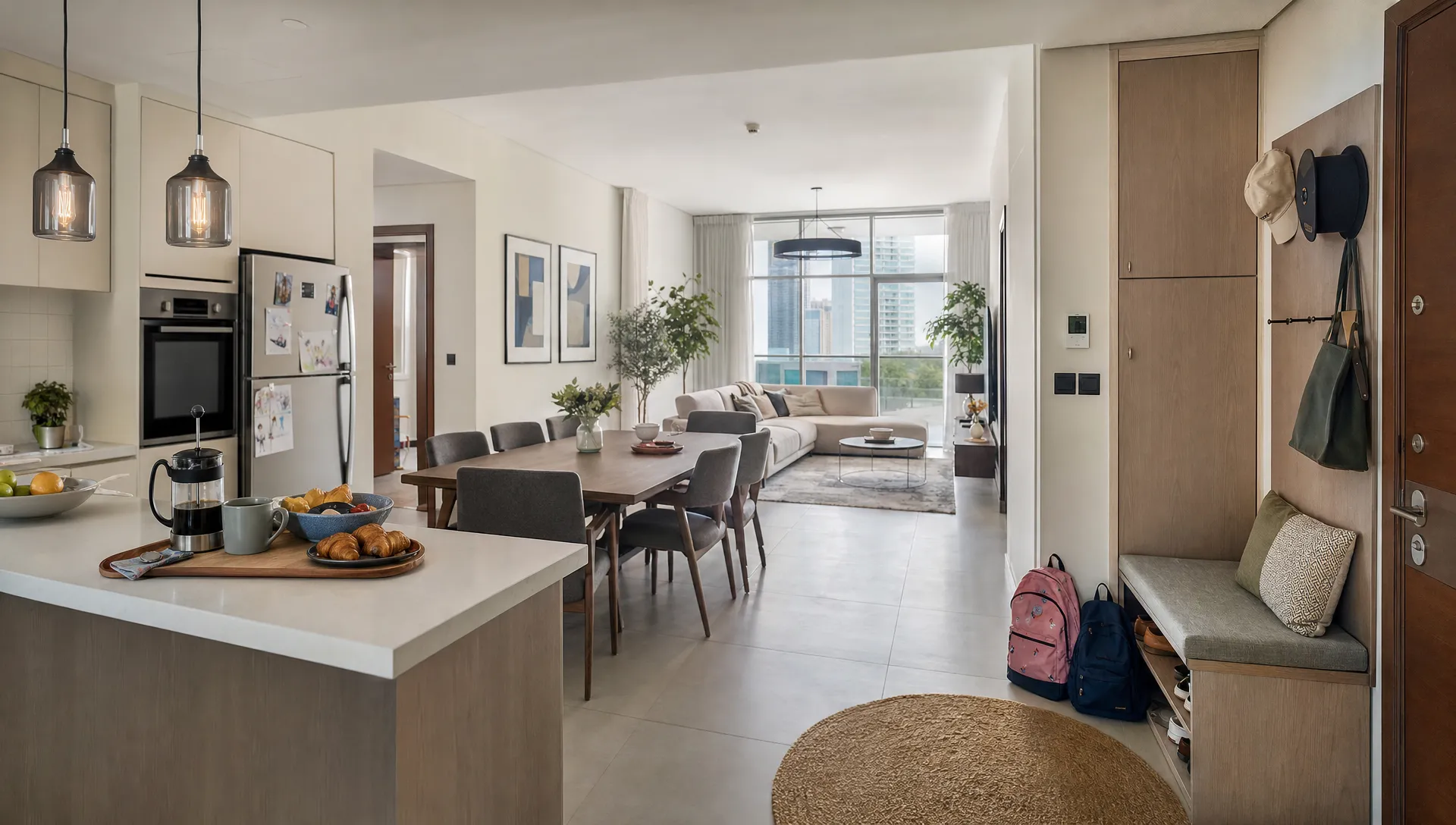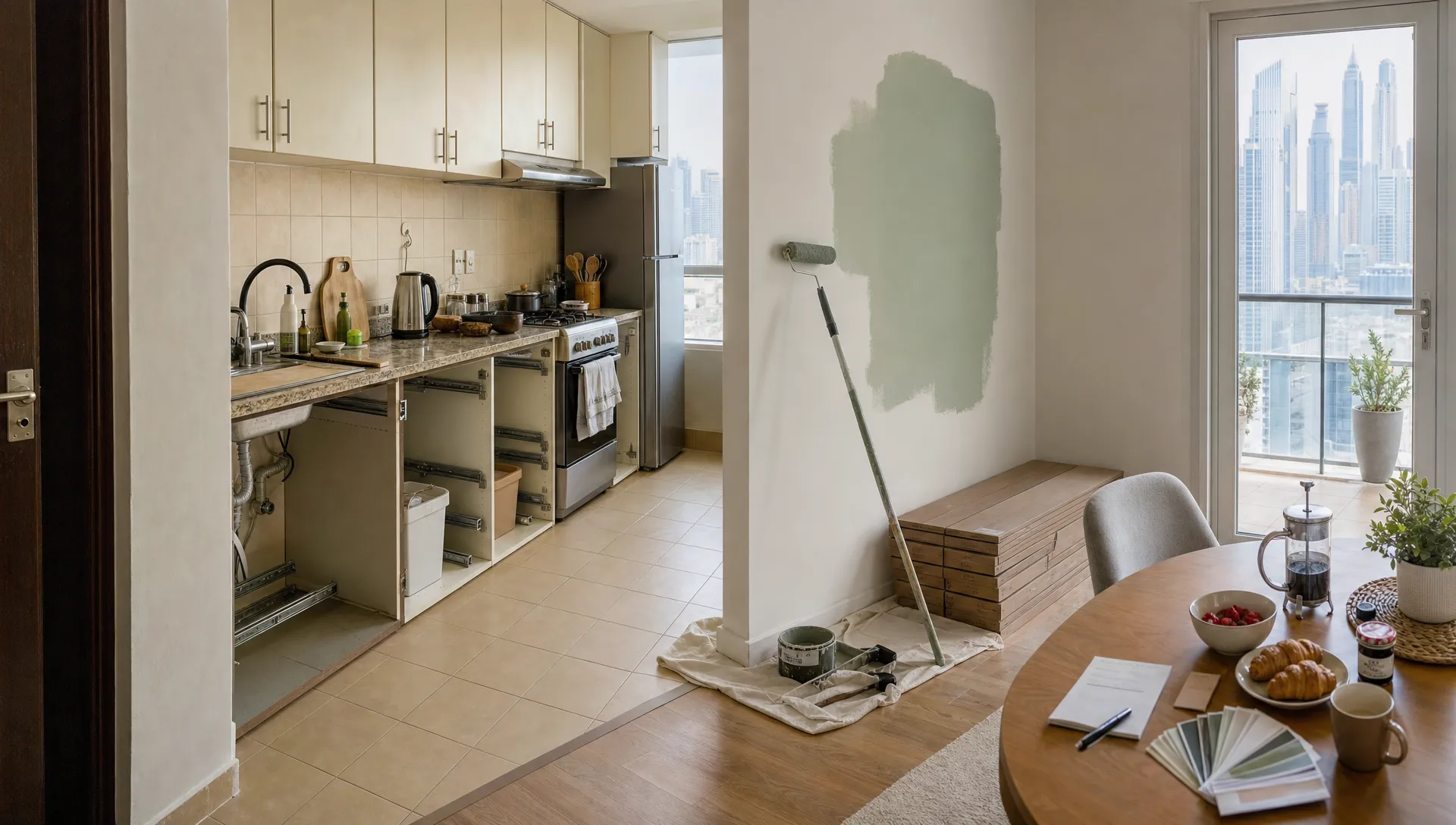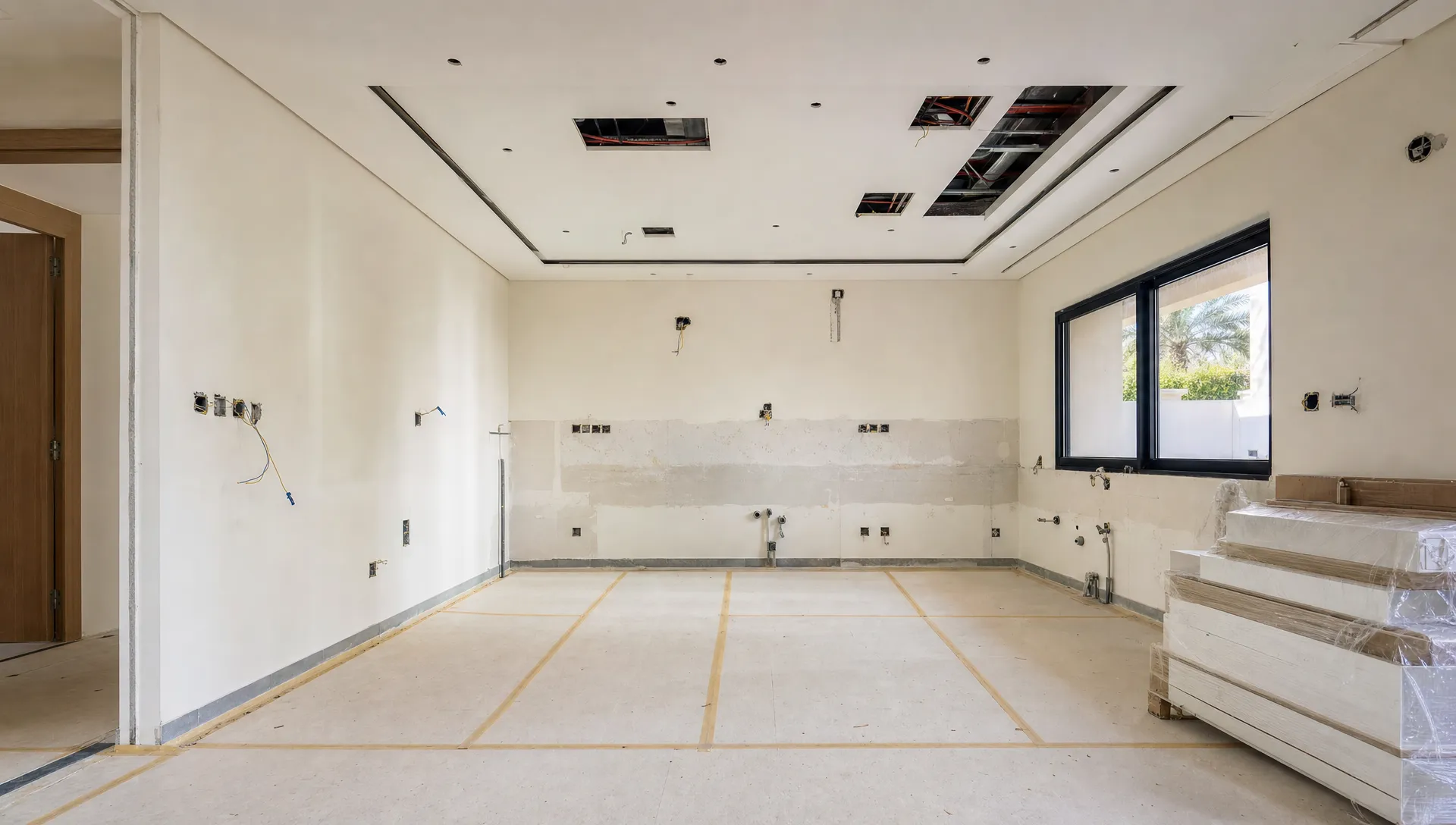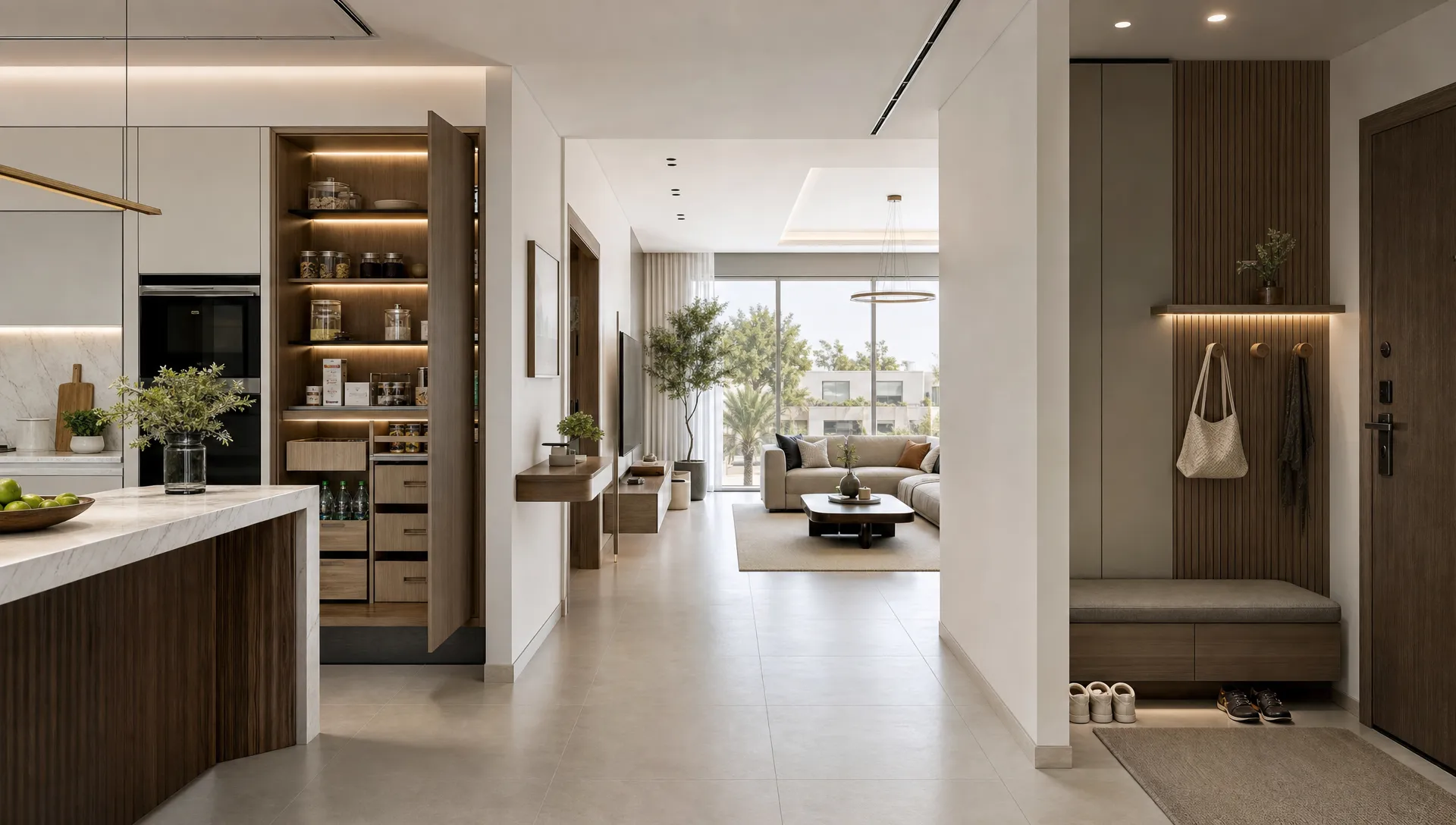
A home can look beautiful and still feel awkward to live in. The kitchen may be too cramped during breakfast, the bathroom may lack storage, the living room may not support the way your family gathers, or the villa entrance may collect shoes, bags and deliveries with nowhere for them to go.
That is where custom renovations make the difference. Instead of copying a showroom layout or following a generic trend, a custom renovation reshapes your home around how you actually live. In Dubai, where homes range from compact apartments to large villas, this kind of tailored planning can improve comfort, movement, storage, privacy and long-term value.
The goal is not to renovate more. It is to renovate more intelligently.
What makes a renovation truly custom?
A custom renovation begins with your routines, not with materials. Before choosing tiles, cabinets or paint colours, the planning process should answer practical questions about the people using the space.
How many people cook at the same time? Do you host often? Do you need a quiet work area? Are there children, elderly family members or live-in staff to consider? Does the home need better storage for seasonal items, sports equipment or travel luggage? These details shape a renovation that feels natural once it is complete.
Custom renovations usually involve a combination of layout changes, built-in carpentry, kitchen or bathroom redesign, lighting upgrades, flooring, wall finishes and technical work such as plumbing or electrical adjustments. The best results happen when these elements are planned together rather than treated as separate jobs.
For homeowners who want a broader look at planning from lifestyle to finishes, Best Renovation’s guide to home renovation design services that improve daily living is a useful companion to this topic.
Start with a daily living audit
Before any drawings are prepared, walk through your home at different times of day and note where friction appears. This simple audit often reveals the most valuable renovation opportunities.
A home that works better usually solves small repeated problems. These problems may not feel dramatic on their own, but they affect daily comfort because you experience them every morning, evening and weekend.
Look for issues such as:
- Narrow walkways where people often bump into each other
- Kitchen counters that become cluttered because storage is not close enough
- Bathrooms with poor lighting, weak ventilation or limited shelving
- Living rooms where furniture blocks movement
- Bedrooms without enough wardrobe space
- Entrances without practical storage for shoes, bags and deliveries
- Laundry areas that are difficult to access or poorly organised
This audit gives your contractor or designer a clear brief. Instead of saying “make the home modern,” you can say “make breakfast easier for a family of five,” “create hidden storage in the living room,” or “improve privacy between the majlis and family areas.” That level of clarity leads to better design decisions.
Layout changes that improve movement
One of the biggest advantages of custom renovations is the ability to improve flow. In many homes, especially older villas or apartments, the layout may no longer match modern living habits.
Open-plan living can work well when it is properly zoned, but removing walls is not always the answer. Sometimes a half partition, a wider doorway, a sliding door or better furniture placement can create the same feeling of openness without sacrificing privacy or air conditioning efficiency.
In Dubai villas, layout planning often needs to balance formal and informal areas. A family may want a polished entrance and guest reception space, while still needing a relaxed family lounge, practical dining area and service zones that do not interrupt daily life. Custom renovation allows these zones to feel connected without becoming chaotic.
Apartments benefit from different choices. Since structural changes may be limited, the focus often shifts to smarter circulation, built-in storage, compact kitchen planning, multi-use furniture and lighting that makes rooms feel larger.
Kitchens designed around how you cook
The kitchen is one of the clearest examples of why custom planning matters. A generic kitchen may look attractive, but if the sink, hob, fridge and storage are poorly placed, everyday cooking becomes frustrating.
A custom kitchen renovation should consider food preparation, cleaning, appliance use, family traffic and storage habits. For some households, that means a large island with seating. For others, it means a closed kitchen with strong ventilation, easy-clean finishes and a separate pantry zone.
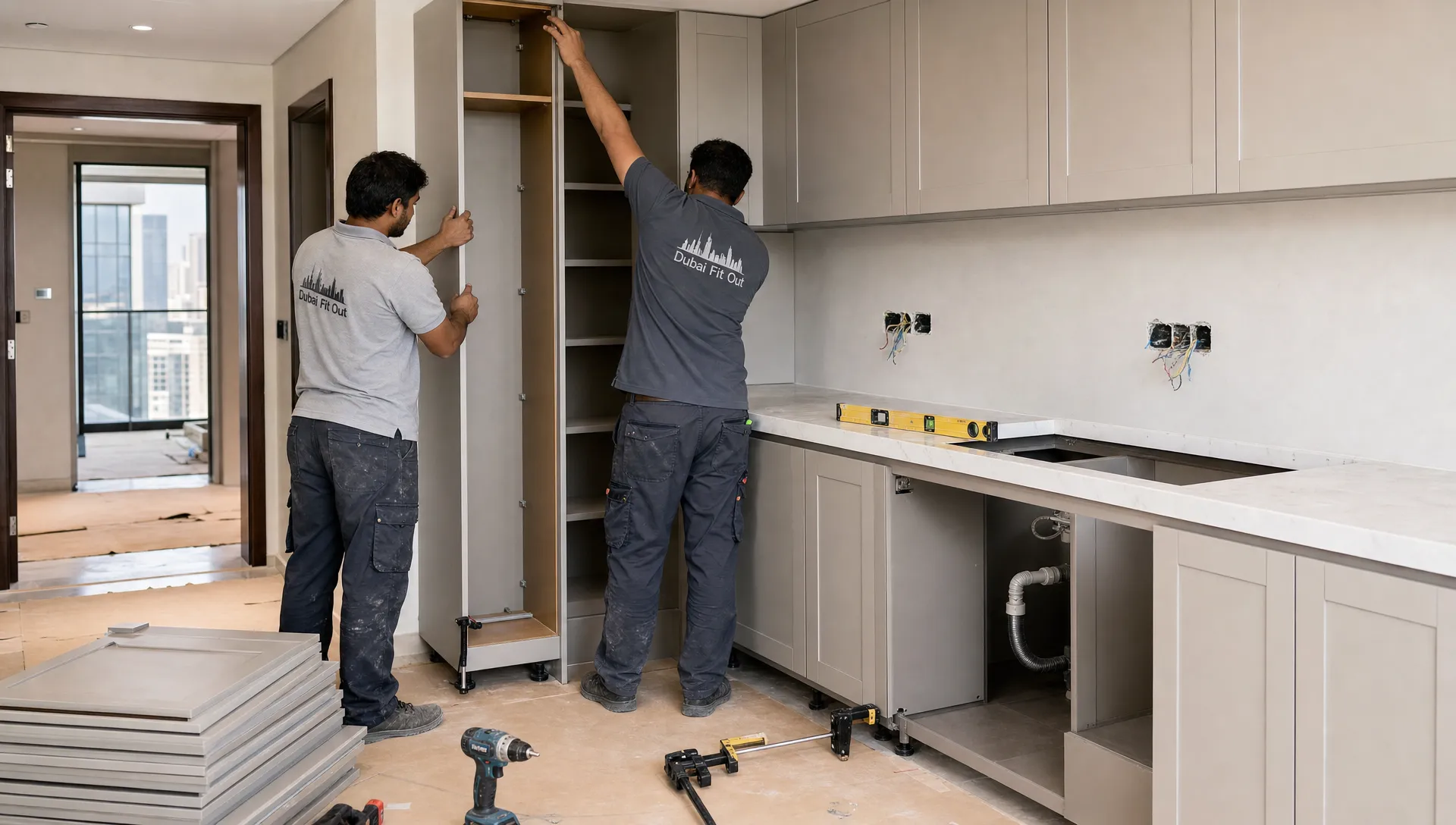
Useful custom kitchen upgrades can include deep drawers for pots, vertical pull-outs for spices, hidden bins, appliance garages, full-height pantry cabinets and task lighting under wall units. If you cook frequently, the height of counters, the durability of worktops and the distance between key zones matter as much as the cabinet finish.
For Dubai homes, material choice is especially important. Kitchens need surfaces that handle heat, humidity, frequent cleaning and heavy use. A beautiful finish that stains easily or requires delicate care may not be the best choice for a busy family home.
Bathrooms that support comfort and privacy
A bathroom renovation should improve more than appearance. The best custom bathrooms feel calm, easy to clean and practical at peak times of day.
Storage is often the missing element. Recessed niches, mirrored cabinets, floating vanities and concealed shelving can keep daily products organised without crowding the counter. Lighting should also be layered, with bright task lighting near the mirror and softer ambient light for a more relaxed feel.
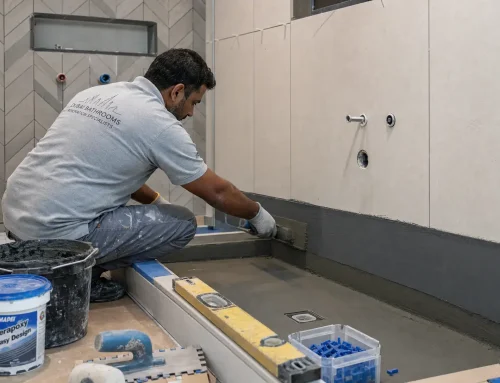
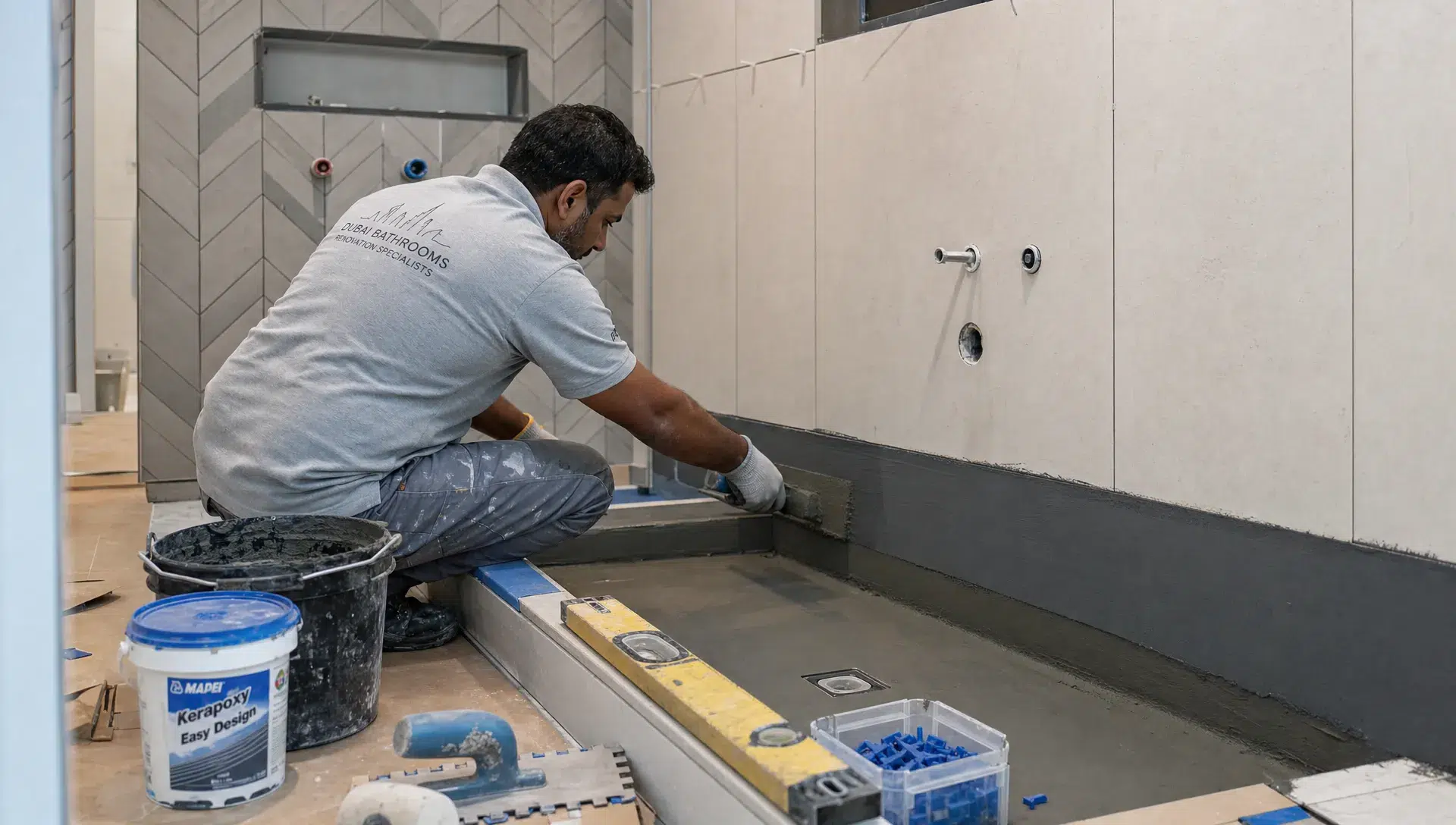
Plumbing planning matters too. Moving fixtures can transform a bathroom, but it must be done carefully to maintain proper drainage, waterproofing and access for maintenance. In apartments, building rules may restrict how far plumbing can be moved, so a good renovation plan works within those limits rather than forcing an impractical layout.
For family bathrooms, consider slip-resistant flooring, easy-access showers and storage that children can reach safely. For master bathrooms, comfort features such as a larger shower, double vanity or improved ventilation can make the space feel more functional every day.
Built-in storage that reduces clutter
Clutter is often a design problem, not a discipline problem. If your home has no proper place for everyday items, surfaces will quickly fill up no matter how often you tidy.
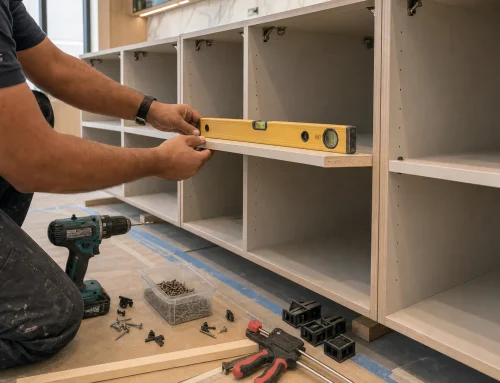
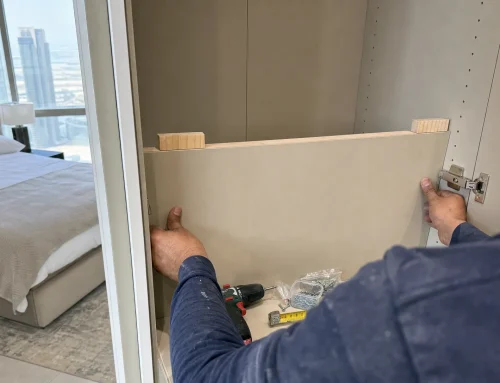
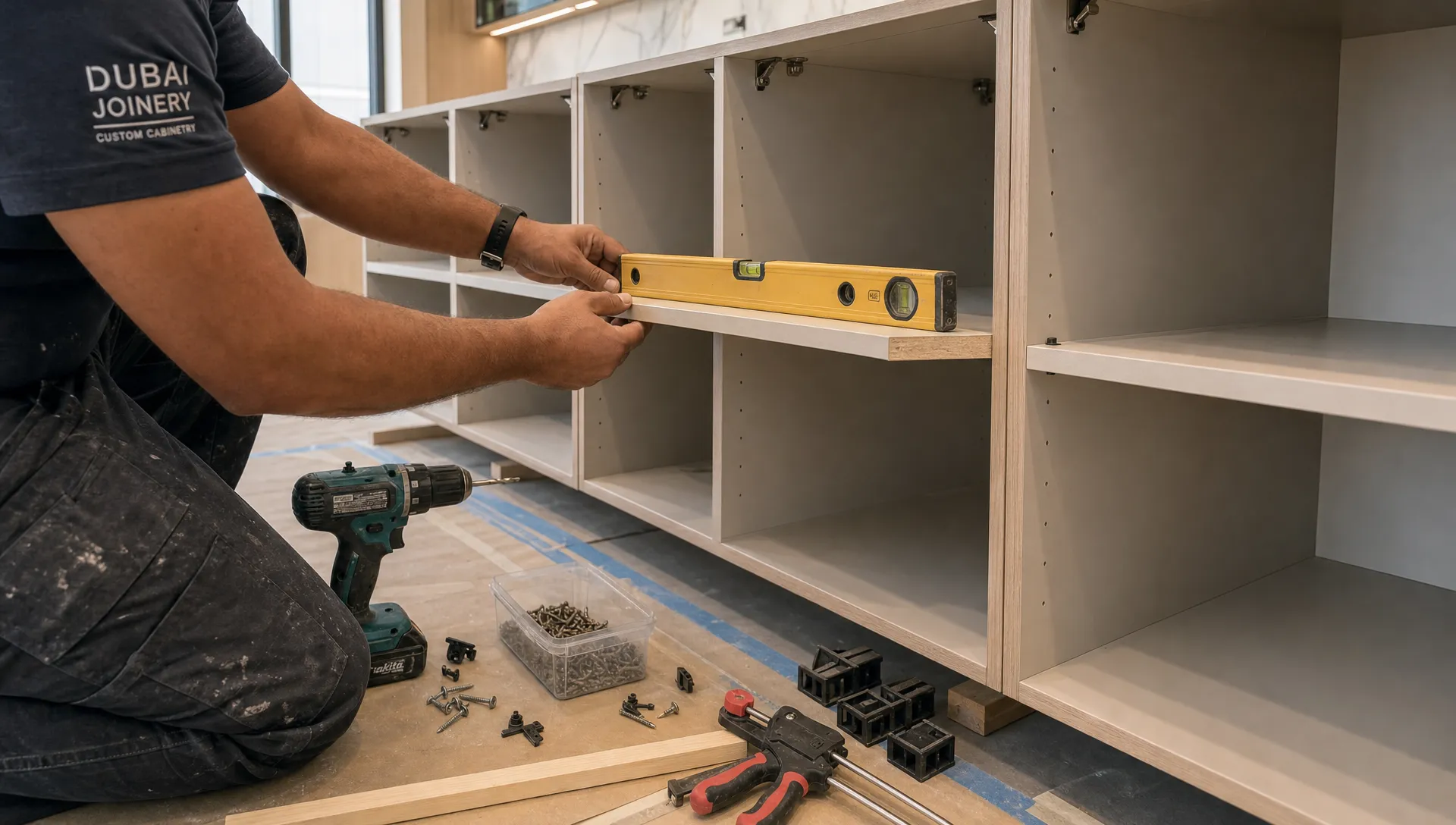
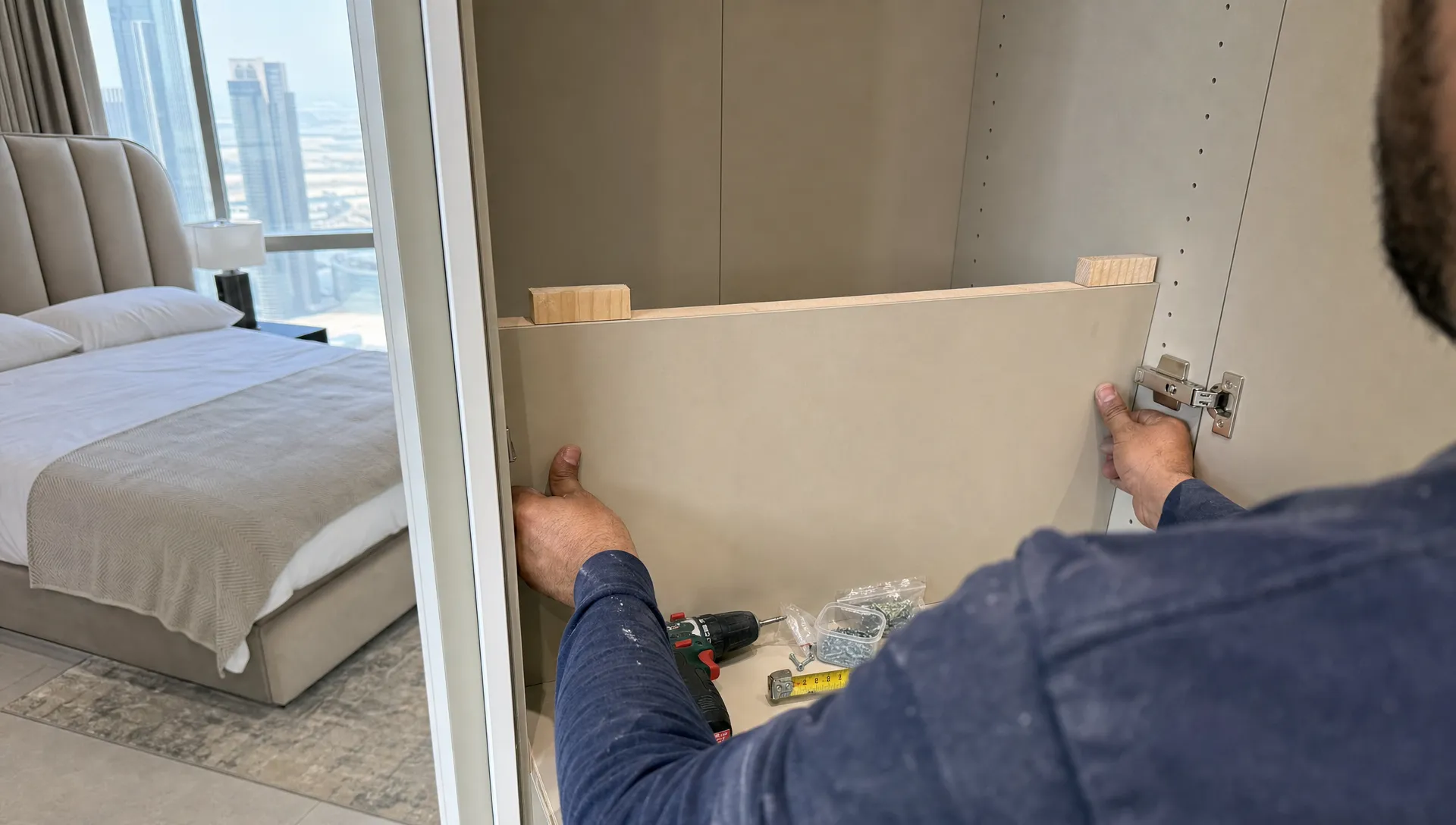
Custom carpentry can solve this without making rooms feel smaller. Built-in wardrobes, window seats with storage, TV walls with concealed cabinets, under-stair storage and custom laundry units can make unused areas work harder.
The key is to design storage around real categories of belongings. Shoes need different storage than handbags. Cleaning supplies need different access than guest bedding. Children’s toys need a different system than formal dining items.
| Area of the home | Custom renovation idea | Everyday benefit |
|---|---|---|
| Entrance | Built-in shoe and bag storage | Keeps the arrival area tidy and easier to clean |
| Kitchen | Pantry wall with pull-out storage | Reduces counter clutter and improves meal preparation |
| Living room | Concealed media and display units | Hides cables, devices and everyday items |
| Bedroom | Floor-to-ceiling wardrobes | Uses vertical space and improves organisation |
| Bathroom | Vanity drawers and recessed niches | Keeps toiletries accessible without visual clutter |
| Laundry area | Custom shelving and work counter | Makes washing, folding and storage more efficient |
When storage is built into the architecture of the home, it feels intentional rather than added later.
Lighting that makes each room easier to use
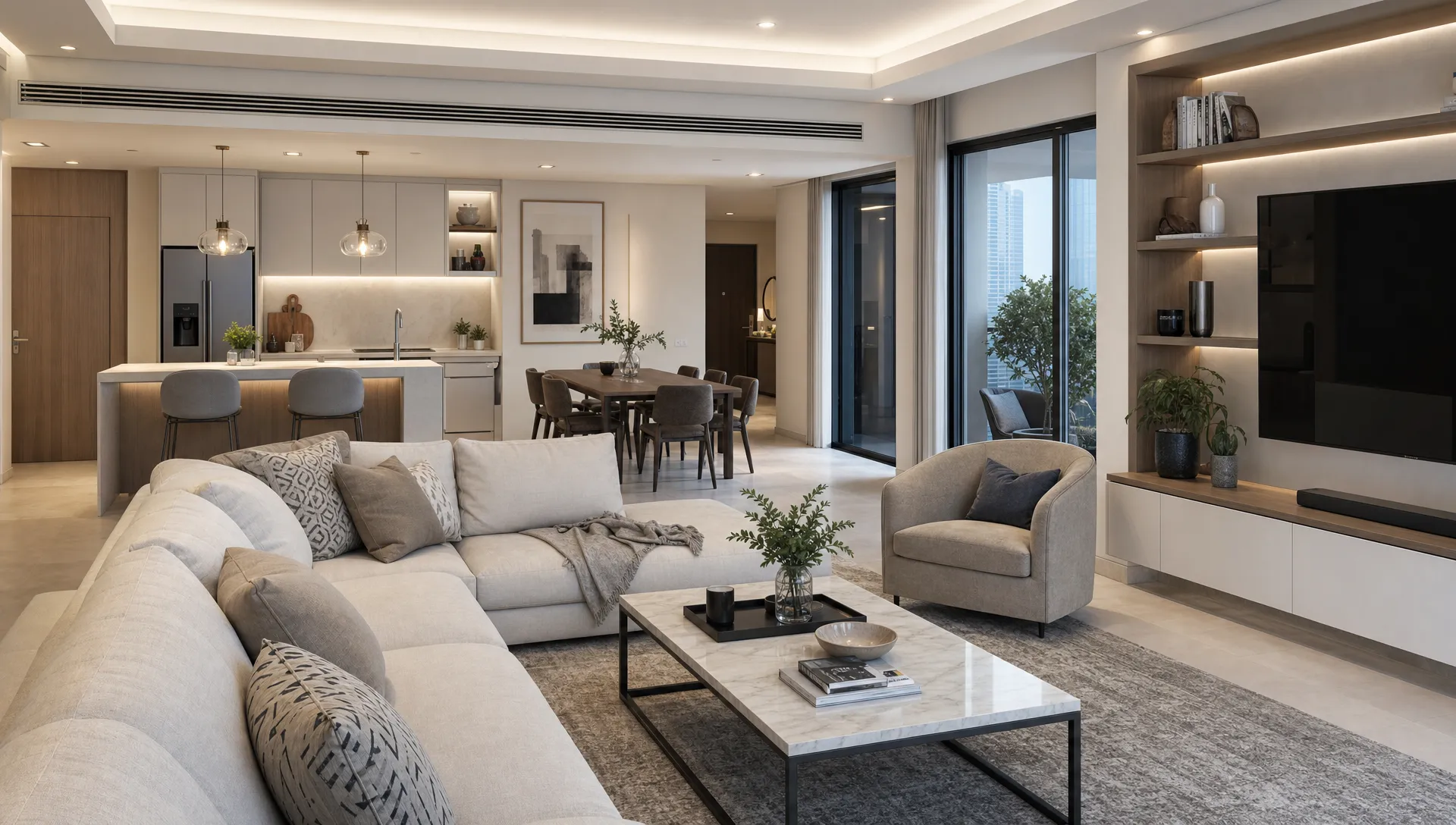
Lighting is one of the most underestimated parts of a custom renovation. A room can have premium finishes and still feel uncomfortable if the lighting is flat, harsh or badly placed.
Good lighting plans use layers. Ambient lighting gives the room general brightness. Task lighting supports activities such as cooking, reading, grooming or working. Accent lighting highlights shelves, textured walls or architectural details.
In Dubai homes, lighting also affects heat and energy comfort. LED lighting is now the practical standard for most renovation projects because it is efficient and available in a wide range of colour temperatures. Warm white lighting can make living rooms and bedrooms feel softer, while neutral white is often better for kitchens, bathrooms and home offices.
Custom renovations also create the opportunity to reposition switches and sockets. This may sound minor, but it has a big effect on daily convenience. Bedside switches, kitchen appliance points, charging stations and outdoor lighting controls should be planned before walls are finished.
Materials that suit Dubai homes
A home that works better should also be easier to maintain. In Dubai, materials need to cope with strong sunlight, air conditioning, dust, humidity in wet areas and regular cleaning.
For flooring, porcelain tiles, engineered wood and high-quality vinyl are common choices depending on the room and design goal. Wooden flooring can add warmth, but the product and installation method must suit local conditions. Bathrooms and kitchens need slip resistance, moisture resistance and proper waterproofing.
Wall finishes should also be chosen with lifestyle in mind. A matte wall may look elegant but show marks in a busy hallway. Washable paint can be a smarter choice for homes with children or frequent guests. In high-impact areas, wall panels or durable textured finishes can protect surfaces while adding character.
Custom does not always mean expensive. It means appropriate. A durable mid-range material in the right place often performs better than a delicate luxury finish used in the wrong room.
Custom renovations for villas vs apartments
The best renovation strategy depends heavily on property type. A villa usually offers more freedom for layout changes, outdoor improvements, service areas and room conversions. An apartment often requires tighter planning because space, building systems and owner association rules may limit what can be changed.
Villa renovations may focus on majlis upgrades, family lounges, kitchen expansion, bathroom improvements, bedroom suites, staircases, outdoor areas, staff rooms, storage rooms and parking entrances. They may also involve more extensive plumbing, carpentry, flooring and painting work.
Apartment renovations often focus on space efficiency. Built-ins, compact kitchens, bathroom upgrades, better lighting and flexible furniture can make a smaller home feel much more comfortable. Because apartment renovations may involve building approvals, working hours and service lift access, coordination is especially important.
If your project involves several rooms or technical trades, it helps to understand how professional teams structure the process. The article on how residential renovation contractors plan better homes explains the value of a clear brief, site assessment, scheduling and coordination.
Plan technical work early
Custom renovations often involve hidden technical decisions. Plumbing routes, electrical load, waterproofing, drainage, AC placement and ceiling access can all affect what is possible.
These items should be reviewed before finalising the design. For example, a kitchen island may need floor power or plumbing. A bathroom layout change may require drainage checks. A new ceiling design may affect AC vents or lighting positions. Built-in wardrobes may need ventilation if they are placed in areas exposed to humidity.
When technical planning is left until late, homeowners may face delays, compromises or extra costs. When it is handled early, the finished renovation looks better and performs better.
A coordinated contractor can bring together interior design, carpentry, plumbing, flooring, wall painting and fit-out work so that the renovation is not managed as a series of disconnected tasks.
Balance style, function and value
Custom renovations should reflect your taste, but they should also make sense for the property. In Dubai’s competitive property market, buyers and tenants often respond well to practical upgrades that make a home feel easier to live in.
Kitchens, bathrooms, storage, flooring, lighting and layout improvements usually have broad appeal because they affect daily comfort. Highly personal design features can still be included, but it is wise to place them where they can be changed without major cost later.
A balanced renovation often follows three principles. First, invest more in high-use areas. Second, choose durable finishes for surfaces that receive daily wear. Third, keep the home’s overall style consistent so rooms do not feel disconnected.
For more inspiration on combining function with visual appeal, you can explore these renovation ideas for a home that add style and function.
Common mistakes to avoid
Many renovation problems begin before work starts. Rushing the planning stage, copying designs from unrelated homes or choosing materials based only on photos can lead to disappointing results.
Avoid these common mistakes:
- Starting work without a clear scope and room-by-room priorities
- Choosing finishes before confirming layout and technical requirements
- Underestimating storage needs
- Ignoring lighting until the end of the project
- Moving plumbing without proper waterproofing and drainage checks
- Selecting delicate materials for high-traffic family areas
- Forgetting maintenance access for AC, plumbing or electrical systems
A renovation should not only look complete on handover day. It should still feel practical months and years later.
How to brief your renovation contractor
A strong brief helps your contractor translate your goals into practical design and construction decisions. Instead of focusing only on style references, include details about how each room should function.
Share who uses the room, what currently frustrates you, what you want to keep, what must change and what level of maintenance you are comfortable with. If you have preferred materials or colours, include them, but leave room for professional advice based on site conditions.
Photos of designs you like can help, but explain what you like about them. Is it the lighting, the layout, the cabinet style, the colour palette or the sense of openness? This avoids misunderstandings and keeps the renovation focused on outcomes rather than copying an image.
Best Renovation provides home, villa, kitchen and bathroom remodeling, along with interior design, fit-out, plumbing, carpentry, wooden flooring and wall painting services in Dubai. For homeowners planning a tailored upgrade, that range of services can help keep design and execution aligned.
Frequently Asked Questions
What are custom renovations? Custom renovations are home upgrades planned around your specific lifestyle, property layout and daily needs. They can include layout changes, built-in storage, kitchen remodeling, bathroom renovation, lighting, flooring, painting, plumbing and interior design.
Are custom renovations only for luxury homes? No. Custom planning is useful for apartments, townhouses and villas at different budget levels. The main benefit is making the available space work better, whether the project is a full villa renovation or a focused kitchen upgrade.
Which rooms benefit most from custom renovation? Kitchens, bathrooms, entrances, living rooms and bedrooms often benefit the most because they affect daily routines. Storage areas, laundry spaces and home offices can also improve significantly with tailored planning.
Do I need approvals for custom renovations in Dubai? It depends on the property type, building rules and scope of work. Structural changes, plumbing changes, electrical work and some fit-out activities may require approvals from relevant authorities, developers or building management. A qualified renovation contractor can guide you through the process.
How do I know if a custom renovation is worth it? A custom renovation is worth considering if your home feels inefficient, cluttered, outdated or poorly suited to your routine. The strongest projects improve comfort, reduce maintenance problems and make high-use areas easier to enjoy.
Make your home fit the way you live
The best custom renovations do more than refresh a home. They remove daily friction, improve comfort and help every room serve a clear purpose.
If you are planning a home, villa, kitchen or bathroom renovation in Dubai, start with how you live now and what needs to work better. From there, the right design and renovation team can turn those needs into practical, lasting improvements.
To discuss a tailored renovation for your property, visit Best Renovation and explore how professional planning, remodeling and fit-out services can help your home work better every day.