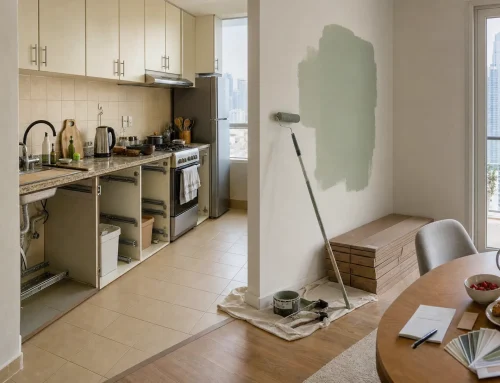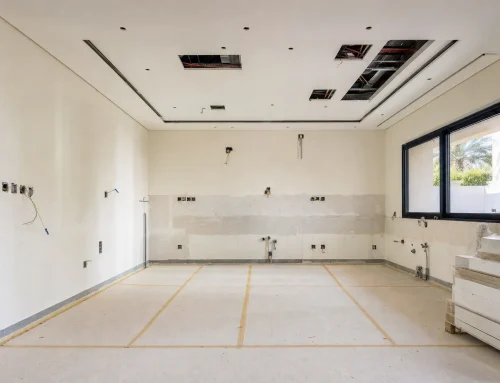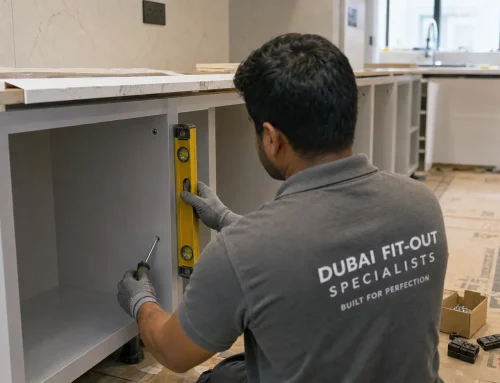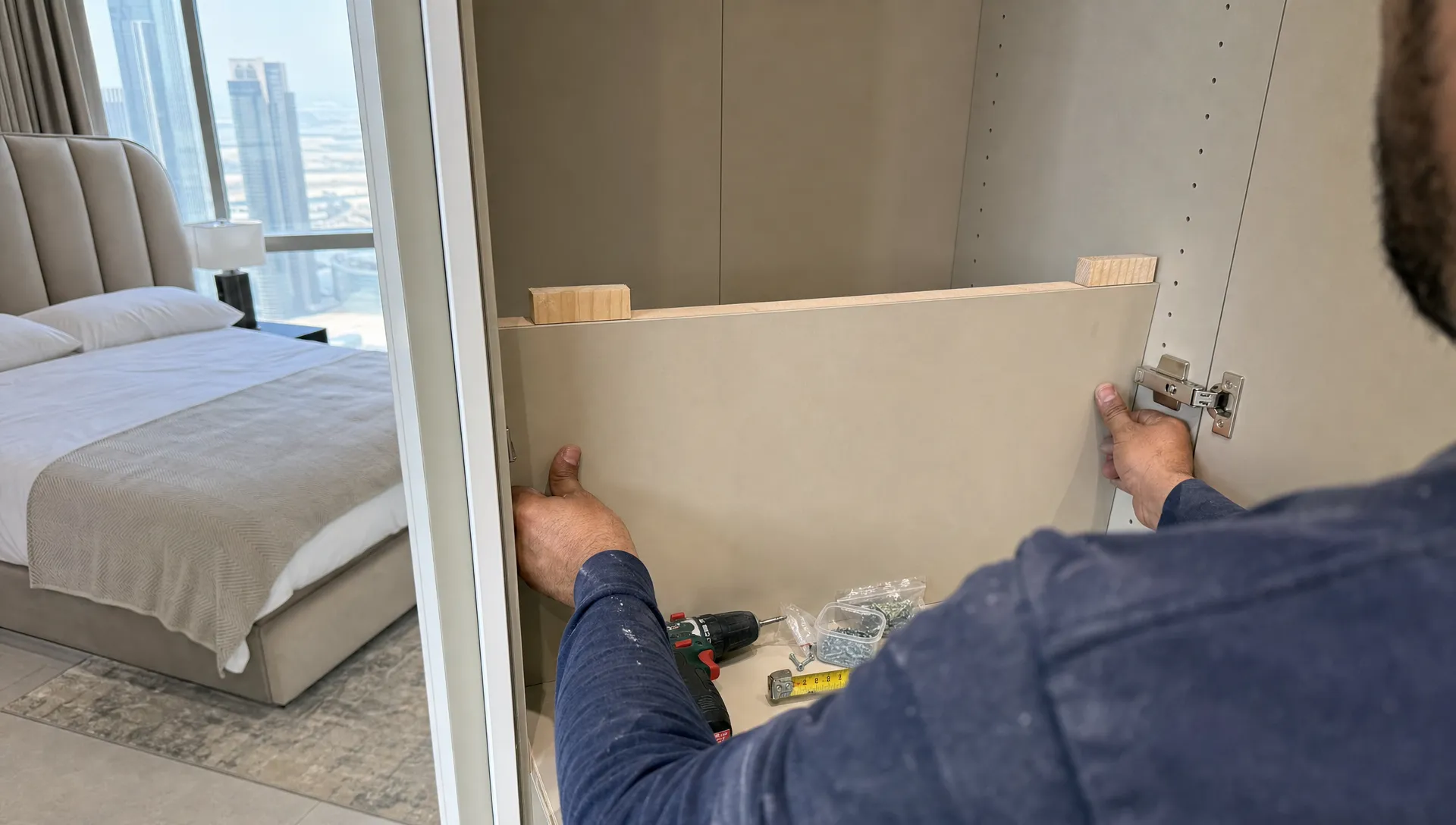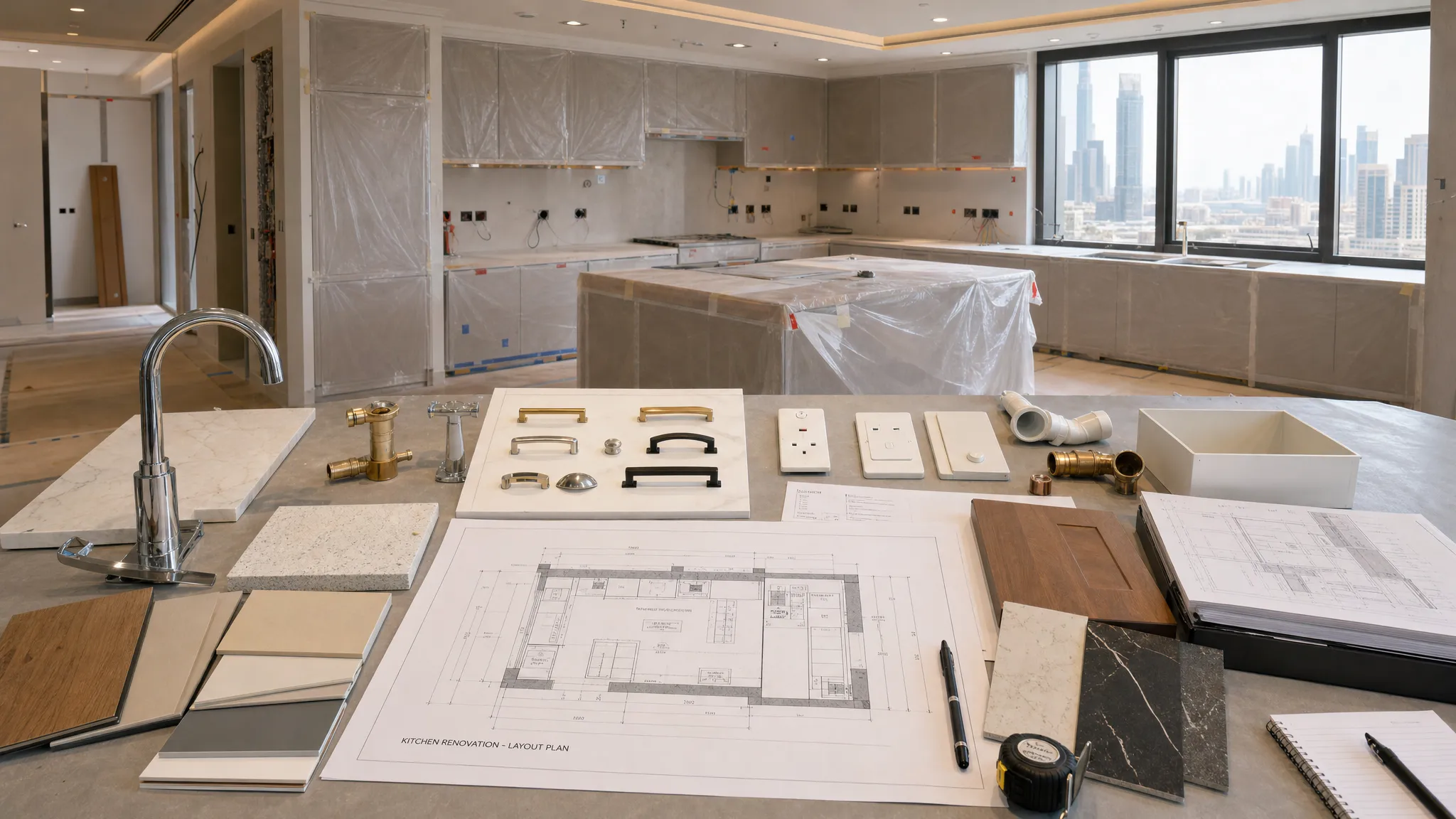
A complete kitchen renovation is not just about choosing cabinets and countertops. In a Dubai home, the best results come from planning the layout, plumbing, electrical work, ventilation, approvals, materials, installation sequence and final handover before any demolition begins.
This checklist is designed for homeowners who want fewer surprises, better workmanship and a kitchen that looks good while supporting everyday cooking, hosting and family life. Use it before speaking to contractors, while comparing quotations and during site inspections.
What a Complete Kitchen Renovation Should Include
A kitchen is one of the most technically demanding rooms in a home. It combines water, electricity, storage, appliances, heat, lighting, ventilation and heavy daily use in one compact space. If one element is missed, the final result can look polished but feel inconvenient.
A proper checklist helps you separate design decisions from technical decisions. Both matter, but technical planning should always come first because it affects safety, durability and installation quality.
| Renovation area | What to confirm | Why it matters |
|---|---|---|
| Layout | Sink, hob, fridge, island, pantry and circulation | Prevents awkward movement and appliance clashes |
| Plumbing | Sink, dishwasher, water filter, drainage and shut-off valves | Reduces leakage risk and future repair disruption |
| Electrical | Sockets, appliance points, lighting circuits and load needs | Supports safe use of modern kitchen appliances |
| Ventilation | Cooker hood, ducting route and AC coordination | Controls cooking smells, heat and moisture |
| Cabinets | Internal storage, finishes, hinges and drawer systems | Improves function and long-term durability |
| Worktops | Material, thickness, edge profile, joints and splashback | Affects maintenance, style and daily usability |
| Flooring | Slip resistance, water resistance and level transitions | Keeps the kitchen safe and easy to clean |
| Approvals | Building rules, developer NOC and work permits if required | Avoids delays, fines and access issues |
| Handover | Snagging, appliance testing, warranties and final cleaning | Ensures the kitchen is ready to use confidently |
Start With a Clear Renovation Brief
Before looking at samples, write a simple brief that explains what the kitchen must achieve. A family kitchen in a villa in Arabian Ranches may need a large pantry, informal breakfast seating and a separate preparation zone. An apartment kitchen in Dubai Marina may need smarter storage, better lighting and quieter work scheduling because of building rules.
Your brief should describe how the kitchen is used now and what is not working. Do you cook daily or mainly entertain guests? Do you need a closed kitchen to contain smells, or an open-plan kitchen connected to the living area? Will domestic staff use a separate service area? Are you renovating for your own lifestyle, rental appeal or resale value?
The more specific your brief is, the easier it becomes for a contractor to provide a realistic quotation. Vague requests often lead to vague pricing, which can create disagreements later.
| Brief question | Decision to make before design |
|---|---|
| Are you keeping the same layout? | Decide whether plumbing and electrical points will move |
| What appliances are changing? | Confirm sizes, built-in requirements and power needs |
| How much storage do you need? | List pantry items, cookware, small appliances and cleaning supplies |
| Who uses the kitchen most? | Plan counter heights, access, safety and traffic flow |
| What is your preferred style? | Choose a direction such as modern, warm minimalist, classic or luxury contemporary |
| What must stay within budget? | Separate essential upgrades from nice-to-have features |
Confirm the Layout Before Choosing Finishes
Finishes are exciting, but layout decisions shape the entire kitchen renovation. A beautiful stone countertop will not compensate for poor circulation, blocked cabinet doors or a fridge placed far from the preparation area.
Start by mapping the main work zones: food storage, preparation, cooking, washing and serving. The traditional work triangle between sink, hob and fridge is still useful, but modern kitchens often include more zones, especially when there is an island, coffee station, baking area or separate wet kitchen.
For apartments, existing service shafts and drainage points may limit how far plumbing can move. For villas, layout changes can be more flexible, but they may involve more MEP coordination, ceiling work and approvals. In both cases, the final layout should be checked before cabinetry production begins.
| Layout option | Best suited for | Watch carefully |
|---|---|---|
| Galley kitchen | Apartments and narrow spaces | Keep enough walkway space and avoid overcrowding appliances |
| L-shaped kitchen | Open-plan family homes | Plan corner storage properly |
| U-shaped kitchen | Larger kitchens with heavy cooking needs | Avoid making the central space too tight |
| Island kitchen | Villas and spacious apartments | Confirm electrical points, seating clearance and countertop support |
| Wet and dry kitchen | Homes with frequent cooking and entertaining | Coordinate ventilation, doors, plumbing and service access |
Check Dubai Approvals, Building Rules and Contractor Credentials
Kitchen work can involve plumbing, electrical upgrades, wall changes, gas connections, ceiling modifications, flooring and waste removal. In Dubai, the exact approval process depends on the property type, building management, developer rules and scope of work.
For apartment renovations, check requirements for work permits, noise timings, lift protection, common area protection, contractor access and debris removal. For villas, confirm whether developer approvals, community rules or municipal approvals apply, especially if you are changing structural elements, wet areas or external openings.
Do not rely on verbal permission. Request written confirmation where needed and keep approved drawings, NOCs and contractor documents organized. A reliable contractor should be comfortable explaining what approvals are required before work starts.
Quality control is important in every construction trade. When comparing specialists, look for the same signals you would expect from specialist contractors with documented workmanship, such as clear scope, material advice, inspection discipline and genuine customer proof.
For Dubai homeowners, this means checking relevant experience, a detailed quotation, trade capability, site supervision and the ability to coordinate carpentry, plumbing, electrical, flooring, painting and fit-out work without leaving gaps between teams.
Build a Realistic Budget With a Detailed Scope
A complete kitchen renovation can vary significantly depending on size, materials, appliance choices, MEP changes and custom joinery. Instead of focusing only on a headline price, ask what is included and what is excluded.
A good quotation should be itemized enough for you to compare contractors fairly. If one quote includes plumbing, electrical work, countertop installation, painting and waste disposal while another excludes them, the cheaper price may not be cheaper in the end.
| Budget line | What should be clarified |
|---|---|
| Demolition | Removal of old cabinets, tiles, countertops, appliances and debris |
| Plumbing | Pipe changes, drainage, fixtures, valves and testing |
| Electrical | New points, switches, lighting, appliance connections and safety checks |
| Cabinets | Carcass material, shutters, hardware, internal accessories and finishing |
| Countertops | Material, templating, cutting, joints, sink cut-out and installation |
| Flooring and walls | Tiles, leveling, grout, paint, skirting and transitions |
| Appliances | Supply, installation responsibility and warranty coordination |
| Variations | How changes are priced, approved and documented |
| Handover | Snagging, cleaning, manuals and final inspection |
Keep a contingency for unexpected site conditions, especially in older homes where hidden plumbing, uneven walls or outdated electrical systems may only become visible after removal. The goal is not to overspend, but to avoid stopping the project because essential work was not planned.
Select Materials That Suit Dubai Homes
Kitchen materials should be chosen for daily performance as much as appearance. Dubai homes often need surfaces that handle heat, humidity, air-conditioning cycles, frequent cleaning and heavy use. A material that looks excellent in a showroom may not be the best choice beside a sink, hob or dishwasher.
For cabinets, ask about the board type, edge protection, moisture resistance, hinges, drawer runners and internal accessories. For countertops, compare stain resistance, heat resistance, maintenance and repair options. Quartz, porcelain, granite and solid surfaces each have different strengths, so the right choice depends on cooking habits and design goals.
Flooring should be easy to clean, stable and safe underfoot. If you are using wood-look flooring, confirm whether it is suitable near wet areas. For walls, washable paint, durable splashbacks and properly sealed grout can make maintenance much easier.
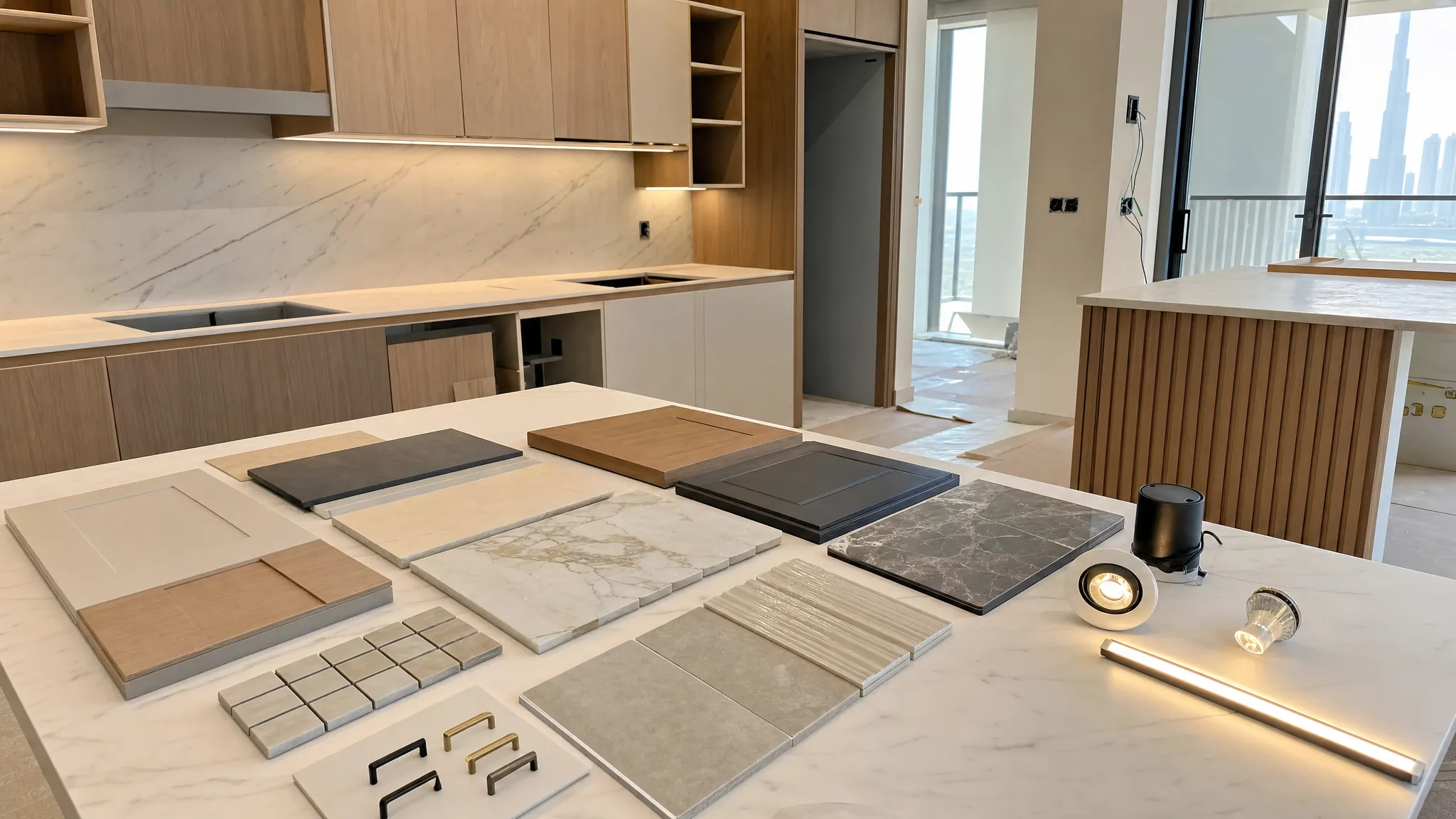
Hardware is often overlooked, but it affects daily satisfaction. Soft-close drawers, strong hinges, pull-out pantry systems and well-designed corner storage can make a compact kitchen feel much larger. If you cook often, prioritize durable internal function before decorative details.
Plan MEP Before Installation Starts
MEP stands for mechanical, electrical and plumbing, and it is the hidden foundation of a successful kitchen. Once cabinets and countertops are installed, changing these systems becomes expensive and disruptive.
Plumbing should be planned around the sink, dishwasher, water filter, ice maker if applicable, washing machine if located in the kitchen and any floor drainage requirements. Confirm access panels and isolation valves so future maintenance does not require breaking cabinets or tiles.
Electrical planning should include dedicated points for major appliances, convenient countertop sockets, under-cabinet lighting, island power if needed and enough capacity for modern kitchen use. Socket placement should be practical but also visually controlled, especially in luxury interiors where clean lines matter.
Ventilation is equally important. A cooker hood must be selected based on cooking style, kitchen size and ducting possibilities. In closed kitchens, extraction helps contain odors. In open kitchens, poor ventilation can affect the entire living area. If ducting is limited, discuss alternative solutions early rather than after the ceiling and cabinets are complete.
Design Storage, Lighting and Daily Usability Together
A kitchen can have expensive finishes and still feel frustrating if storage and lighting are not planned properly. Good kitchen design considers how you unload groceries, where you prepare food, how you clean up and what you need within reach while cooking.
Deep drawers often work better than low shelves because they make pots and pans easier to access. Tall pantry cabinets can reduce clutter. A dedicated appliance zone keeps coffee machines, blenders and toasters from taking over the main worktop. Waste bins should be close to the preparation and cleaning zones, not hidden in an inconvenient corner.
Lighting should combine ambient, task and accent layers. Ceiling lights alone can cast shadows on the worktop, especially if you stand between the light and the counter. Under-cabinet lighting improves preparation areas, while pendant lights can define an island or breakfast counter. For a more detailed look at functional planning, see these kitchen remodeling ideas for modern family living.
Follow the Right Site Sequence
A smooth renovation depends on doing work in the right order. Rushing ahead with visible finishes before hidden services are checked can create rework later. Your contractor should explain the sequence before demolition starts and update you when site conditions change.
| Stage | What happens | Client check |
|---|---|---|
| Site protection | Cover floors, lifts, corridors and nearby rooms | Confirm protection before demolition begins |
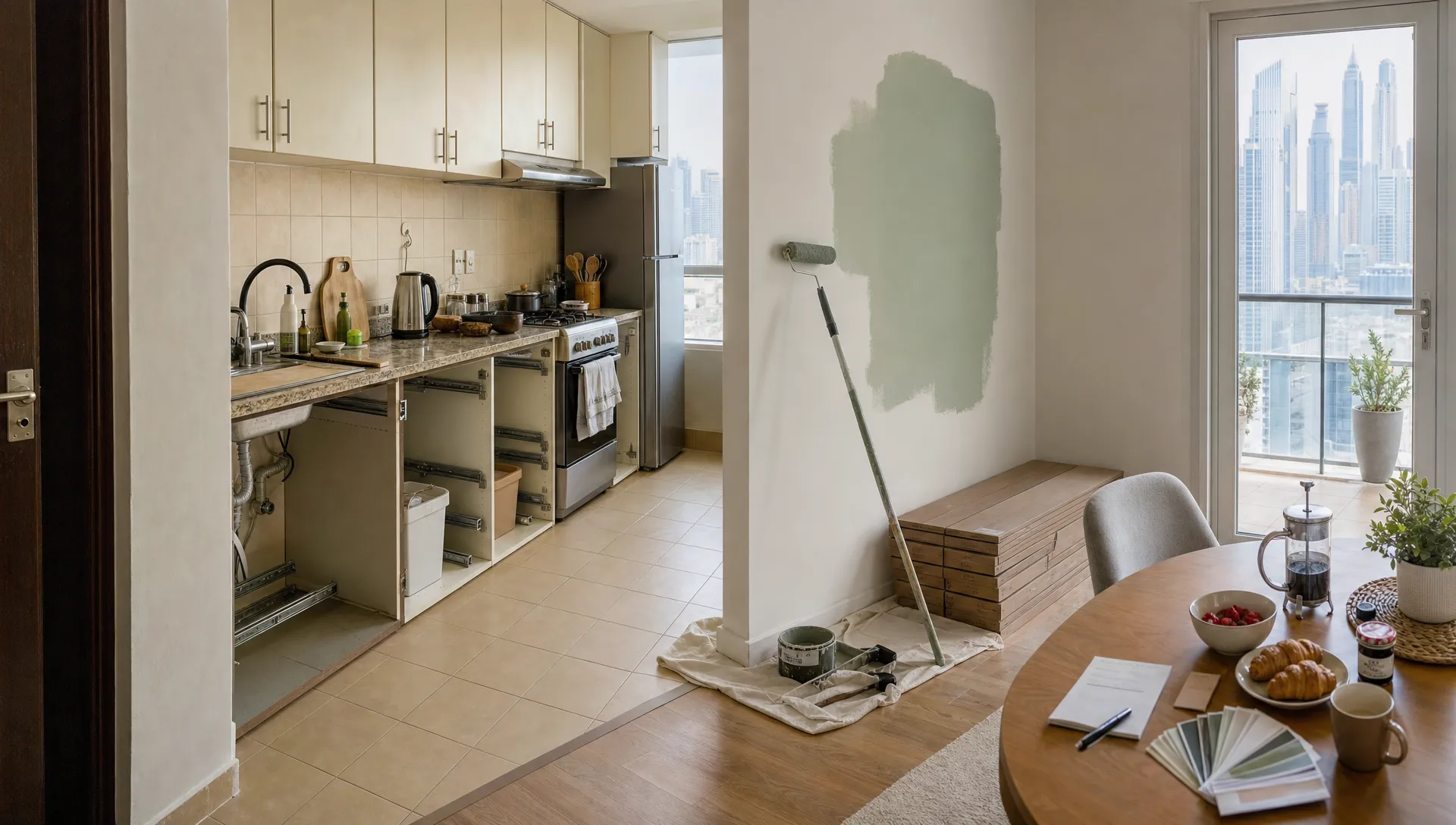
| Demolition | Remove old cabinets, tiles, counters and unwanted services | Check what is being removed and what must stay |
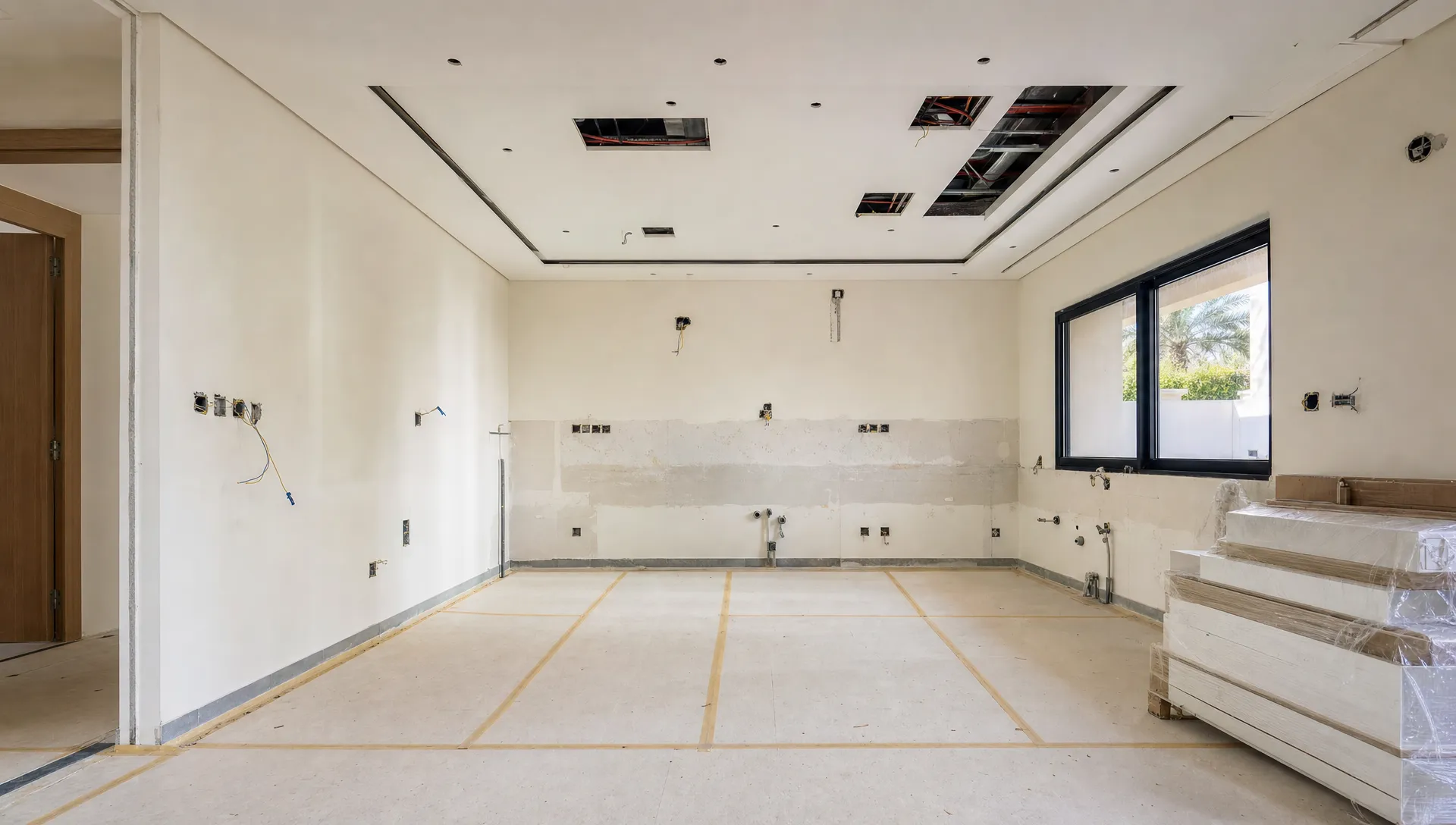
| MEP rough-in | Install or adjust plumbing, electrical and ventilation routes | Review locations before walls or ceilings are closed |
| Wall and floor preparation | Level surfaces, waterproof where needed and prepare finishes | Inspect alignment and substrate quality |
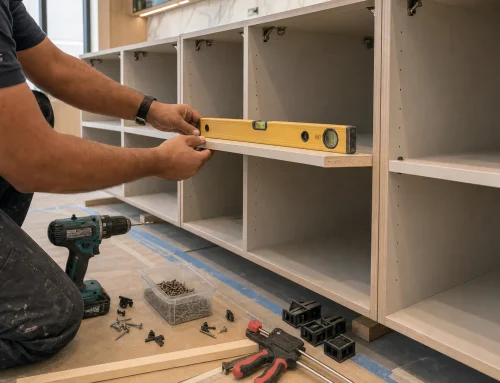
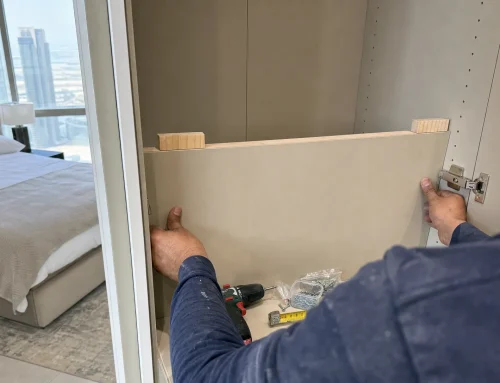
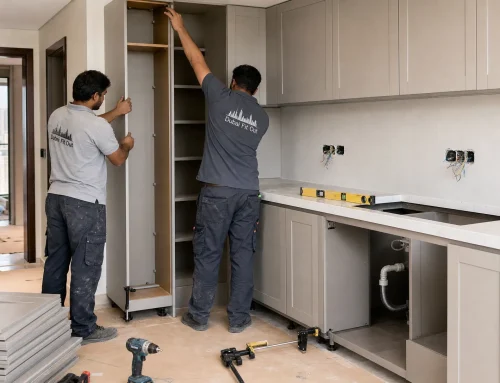
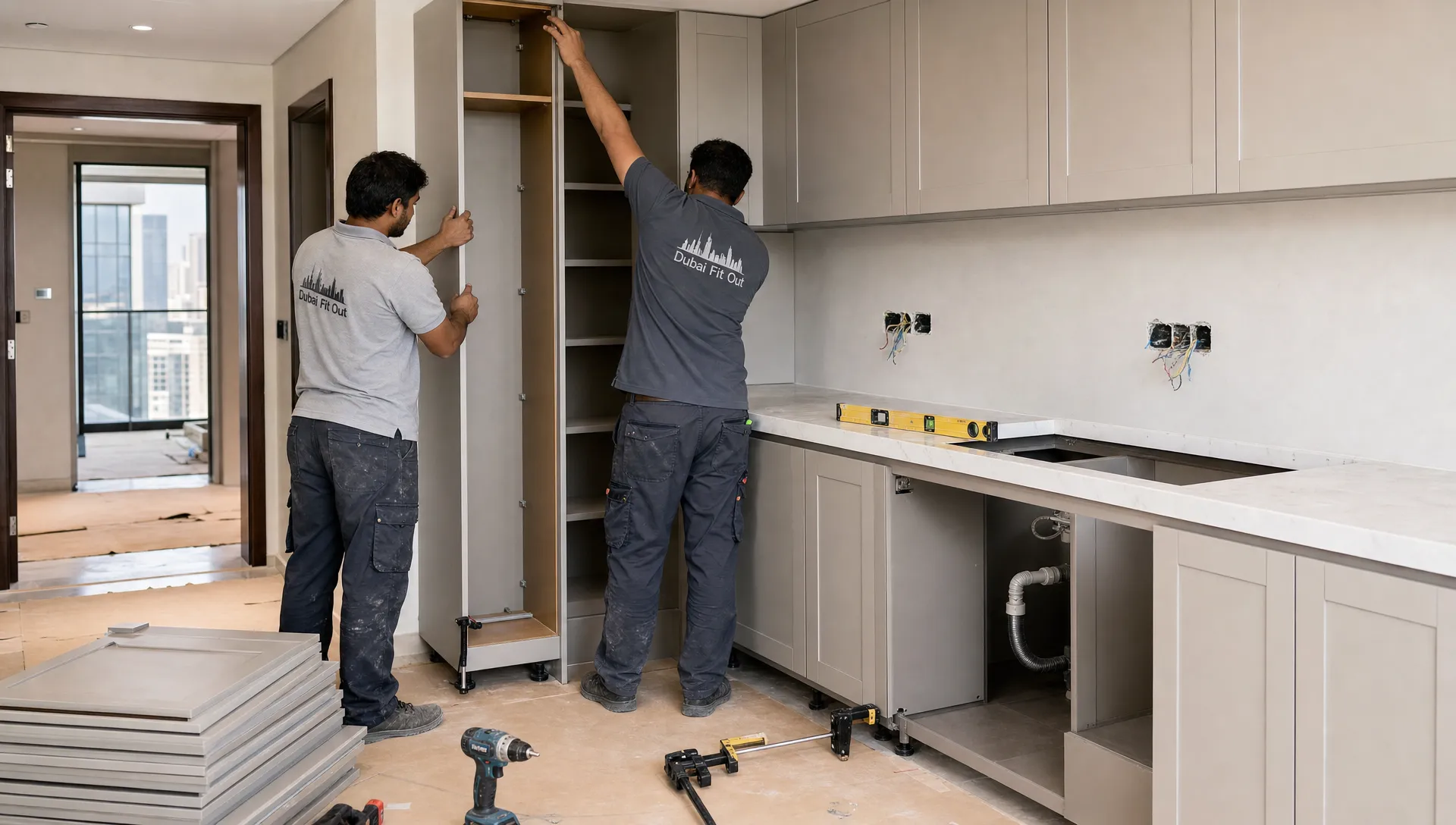
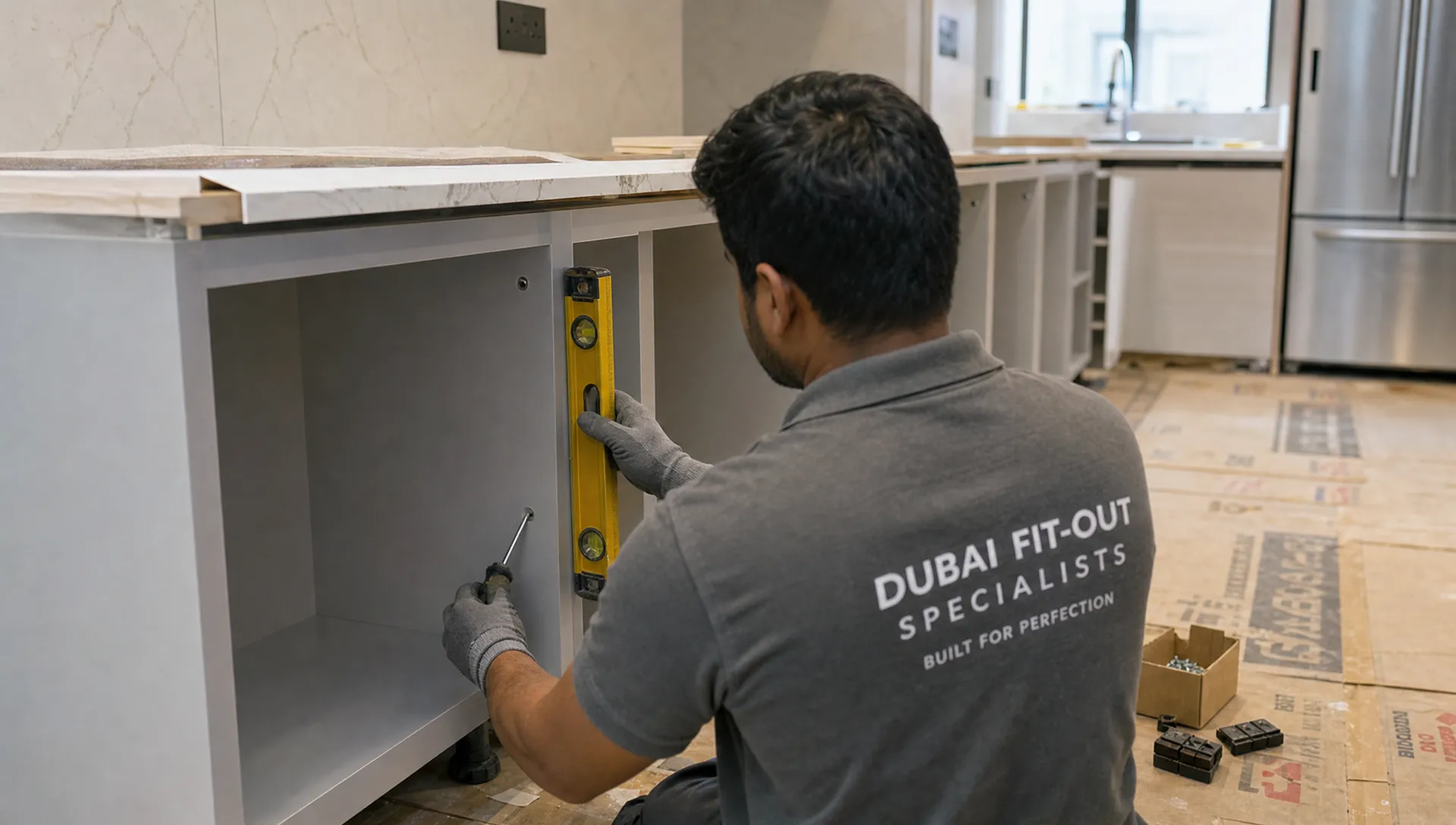
| Cabinet installation | Fix base units, tall units and wall units | Check levels, gaps, door swings and appliance spaces |
| Countertop templating | Measure after cabinets are fixed | Confirm sink, hob and joint positions |
| Final installations | Fit worktops, splashbacks, fixtures, appliances and lights | Test all functions before handover |
| Snagging | Identify and correct defects | Do not close the project until agreed snags are resolved |
This sequence may vary depending on the kitchen type, but the principle remains the same: finalize hidden systems before finishing surfaces.
Inspect Quality Before Handover
The final inspection is your chance to confirm that the kitchen is complete, safe and ready for daily use. Take your time. Open every cabinet, test every drawer, run water through the sink, switch on lights and check appliance fit.
Use this handover checklist before making final acceptance:
- Cabinet doors and drawers align properly and close smoothly.
- Countertop joints, edges and cut-outs are neat and sealed.
- Sink, tap, dishwasher and drainage points are tested for leaks.
- Sockets, switches, lighting and appliance connections work correctly.
- Cooker hood extraction, filters and controls are tested.
- Splashback, grout, silicone and paint finishes are clean and complete.
- Flooring is level, stable and free from visible damage.
- Appliances have manuals, warranty information and installation records.
- All agreed snags are documented with a completion date.
A professional contractor should welcome this process because it protects both the homeowner and the project team. Clear snagging avoids misunderstandings and helps ensure the finished kitchen meets the agreed scope.
Common Mistakes That Reduce Kitchen Renovation Results
Many kitchen problems are preventable. They usually happen when design decisions are made too late, technical work is underestimated or the quotation is not detailed enough.
| Mistake | Why it causes problems | Better approach |
|---|---|---|
| Choosing finishes before layout | Leads to impractical cabinet and appliance positions | Finalize layout and services first |
| Ignoring ventilation | Cooking smells and heat spread through the home | Plan extraction and ducting early |
| Underestimating storage | Worktops become cluttered after move-in | Map storage by daily use |
| Moving plumbing without review | Can create drainage and leakage issues | Confirm feasibility before approval |
| Comparing vague quotes | Hidden exclusions appear during construction | Request itemized pricing |
| Skipping site inspections | Defects are noticed too late | Inspect at MEP, cabinet and handover stages |
| Forgetting building rules | Causes access delays or work stoppages | Confirm permissions before scheduling |
When to Hire a Kitchen Renovation Specialist
If your project only involves repainting cabinets or changing handles, a small upgrade may be enough. But if you are changing layout, replacing cabinets, modifying plumbing, upgrading electrical points, installing new countertops or coordinating multiple trades, a specialist renovation contractor is usually the safer option.
A complete kitchen renovation requires design coordination and site execution. Best Renovation provides kitchen remodeling, interior design, fit-out, plumbing, carpentry, wooden flooring and wall painting services in Dubai, which helps homeowners coordinate the major parts of a kitchen project through one renovation partner. You can explore their kitchen renovation services in Dubai to understand the type of support available for residential projects.
Frequently Asked Questions
What is included in a complete kitchen renovation? A complete kitchen renovation usually includes layout planning, demolition, plumbing, electrical work, ventilation, cabinetry, countertops, backsplash, flooring, lighting, appliance installation, painting, snagging and final handover. The exact scope depends on the property and your goals.
Do I need approvals for a kitchen renovation in Dubai? It depends on the building, community and scope of work. Apartment renovations often require building management approval and work permits. Villas may require developer or authority approvals if structural changes, wet area changes or major MEP work are involved.
How long does a kitchen renovation take? A simple refresh can be completed faster than a full renovation involving custom cabinets, countertops, plumbing and electrical work. Timelines also depend on approvals, material availability, site access and the number of trades involved.
Should I choose appliances before designing the cabinets? Yes. Appliance sizes and installation requirements affect cabinet dimensions, ventilation, electrical points and countertop cut-outs. Confirm major appliances before cabinet production begins.
What is the most important part of a kitchen renovation checklist? The most important step is locking the layout and MEP plan before finishes are ordered. Plumbing, electrical and ventilation decisions affect almost every other part of the kitchen.
Plan Your Kitchen Renovation With Confidence
A better kitchen starts with a better checklist. When the brief, layout, approvals, materials, MEP work and handover checks are planned properly, the renovation is easier to manage and the final result is more practical.
If you are planning a complete kitchen renovation in Dubai, Best Renovation can help you assess the space, define the scope and coordinate the renovation work from design decisions to finishing details. Contact the team to discuss your kitchen goals and take the next step toward a more functional, stylish home.