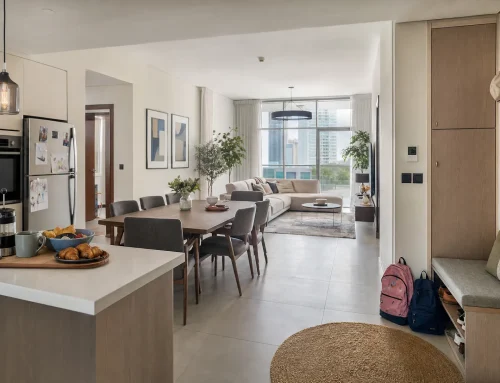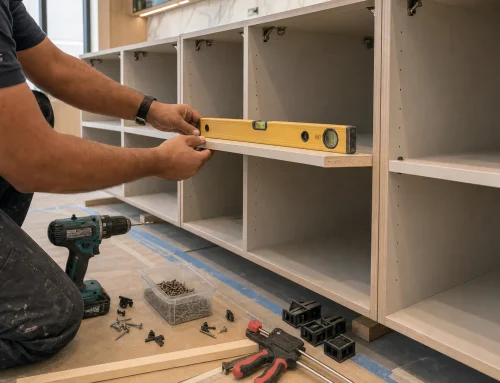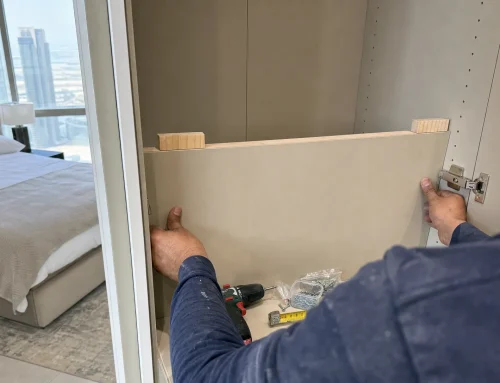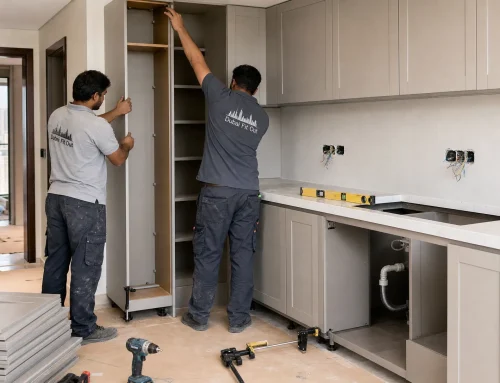
Urban homes work hardest when every square metre has a purpose. In Dubai, a well-planned condominium renovation can turn a compact apartment into a calmer, smarter, and more valuable living space without making it feel overdesigned or crowded.
The best ideas are not just about new finishes. They solve everyday problems: where to store shoes, how to keep a kitchen open but tidy, how to reduce noise from neighbouring units, how to make a small bathroom feel larger, and how to integrate smart technology without sacrificing comfort or privacy.
Below are practical condominium renovation ideas for smarter urban living, especially for Dubai homeowners who want a home that feels modern, efficient, and easy to maintain.
Start With the Reality of Condominium Living
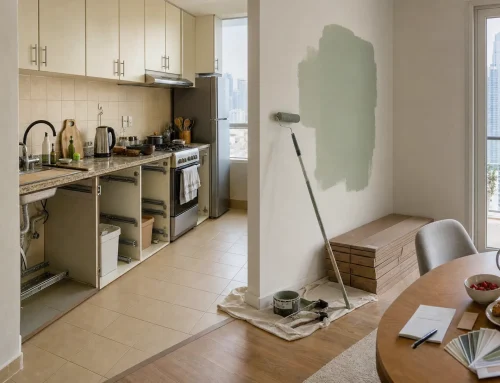
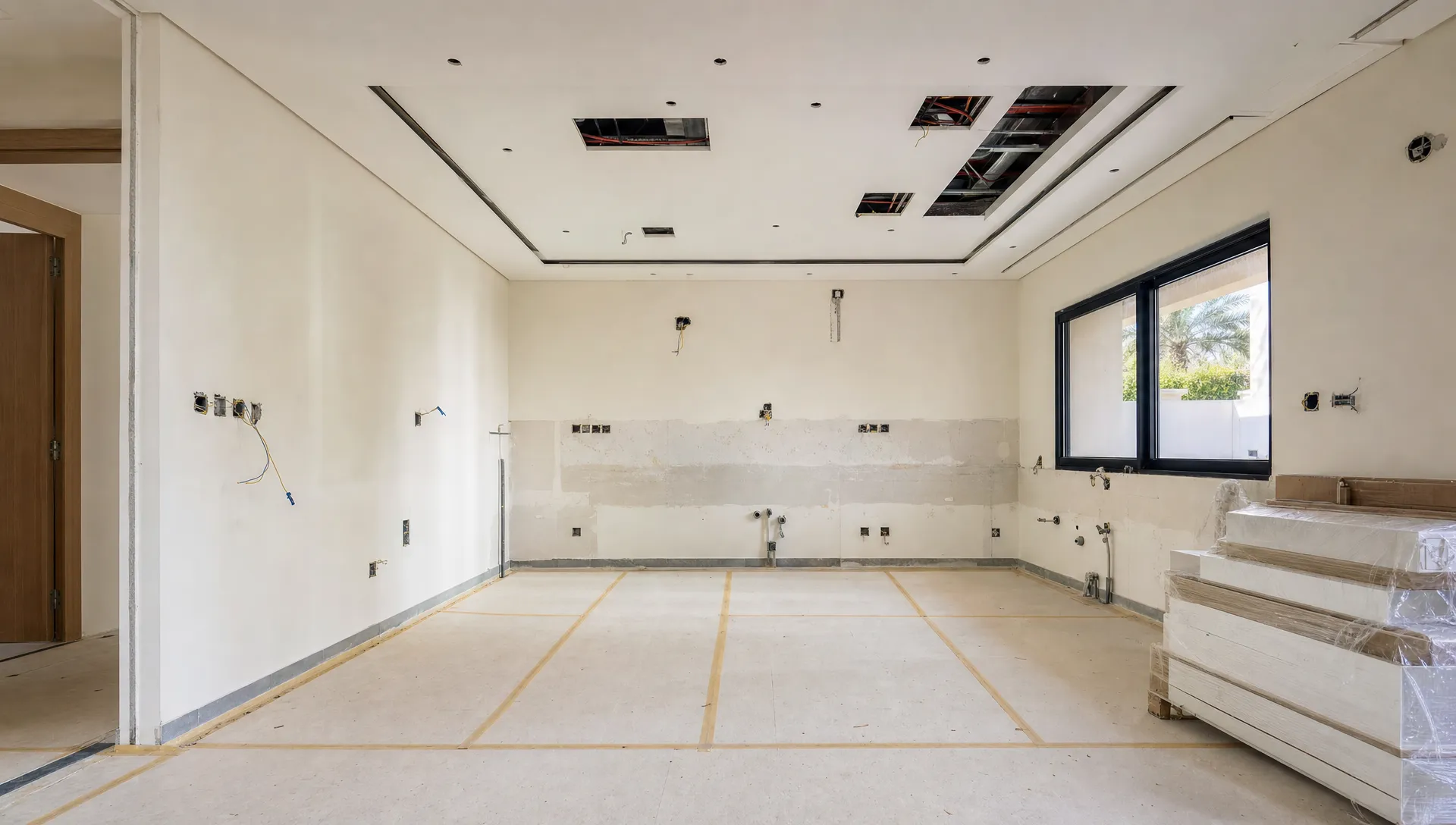
Renovating a condominium is different from renovating a villa. You are working inside a shared building, so the structure, plumbing risers, drainage lines, façade rules, elevator access, and working hours may be controlled by the building management or owners association.
Before choosing tiles or cabinetry, clarify what can and cannot be changed. In many condominium projects, wet areas such as kitchens and bathrooms must remain close to existing drainage points. Balcony changes may be restricted. Heavy demolition, floor hacking, and noisy works may require approvals and scheduled working hours.
A smarter plan begins with three questions:
- What daily frustrations should the renovation solve?
- Which upgrades need building approval before work begins?
- Which changes will add long-term value instead of only short-term style?
If you are still comparing renovation scopes, this guide to apartment renovation in Dubai offers a useful broader overview of modern apartment remodeling considerations.
Use Layout Zoning Instead of Full Open-Plan Design
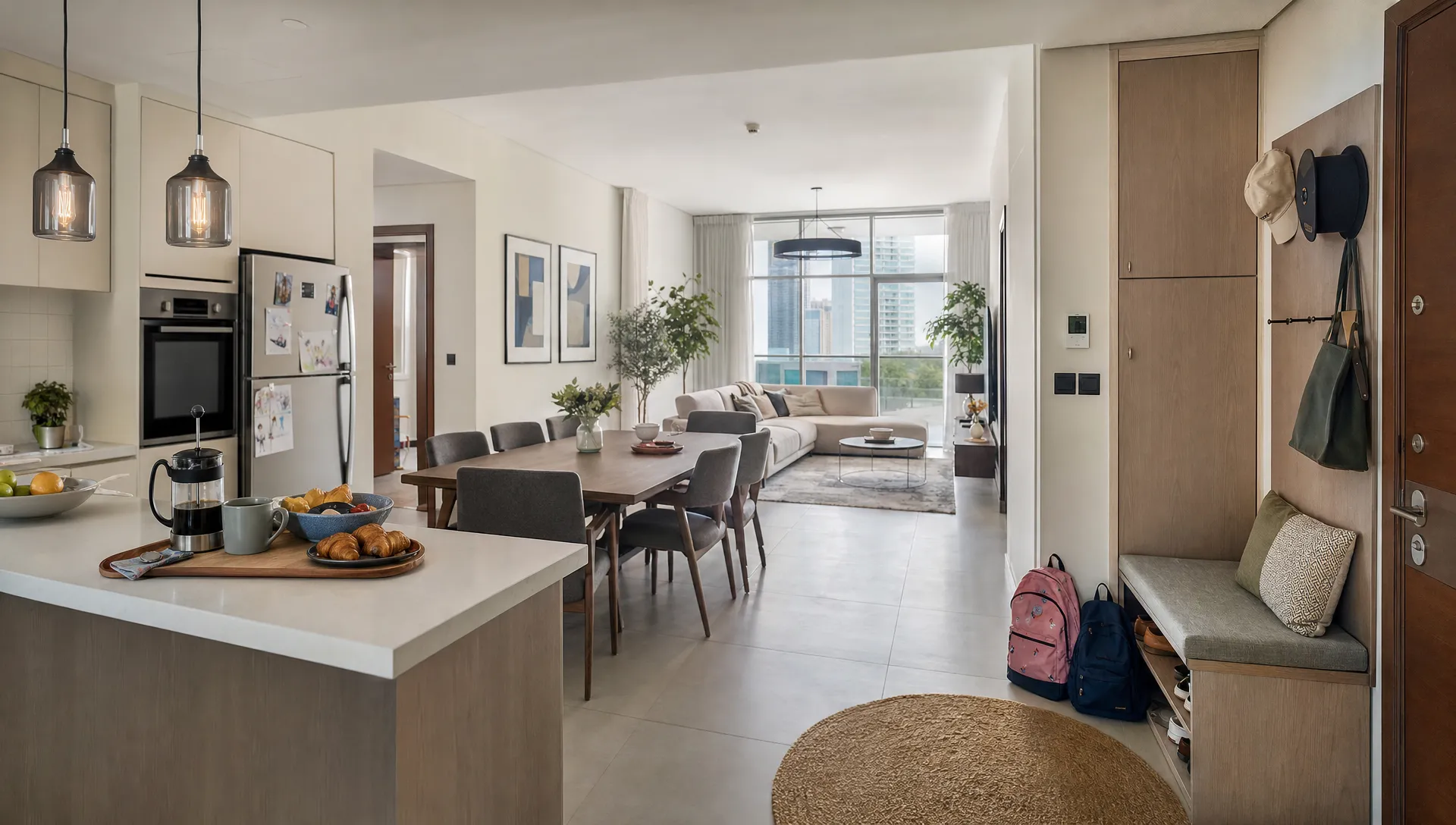
Open-plan living is popular, but in a condominium it can become noisy, cluttered, and impractical if every activity happens in one room. A smarter approach is zoning: keeping the space visually open while giving each function a clear place.
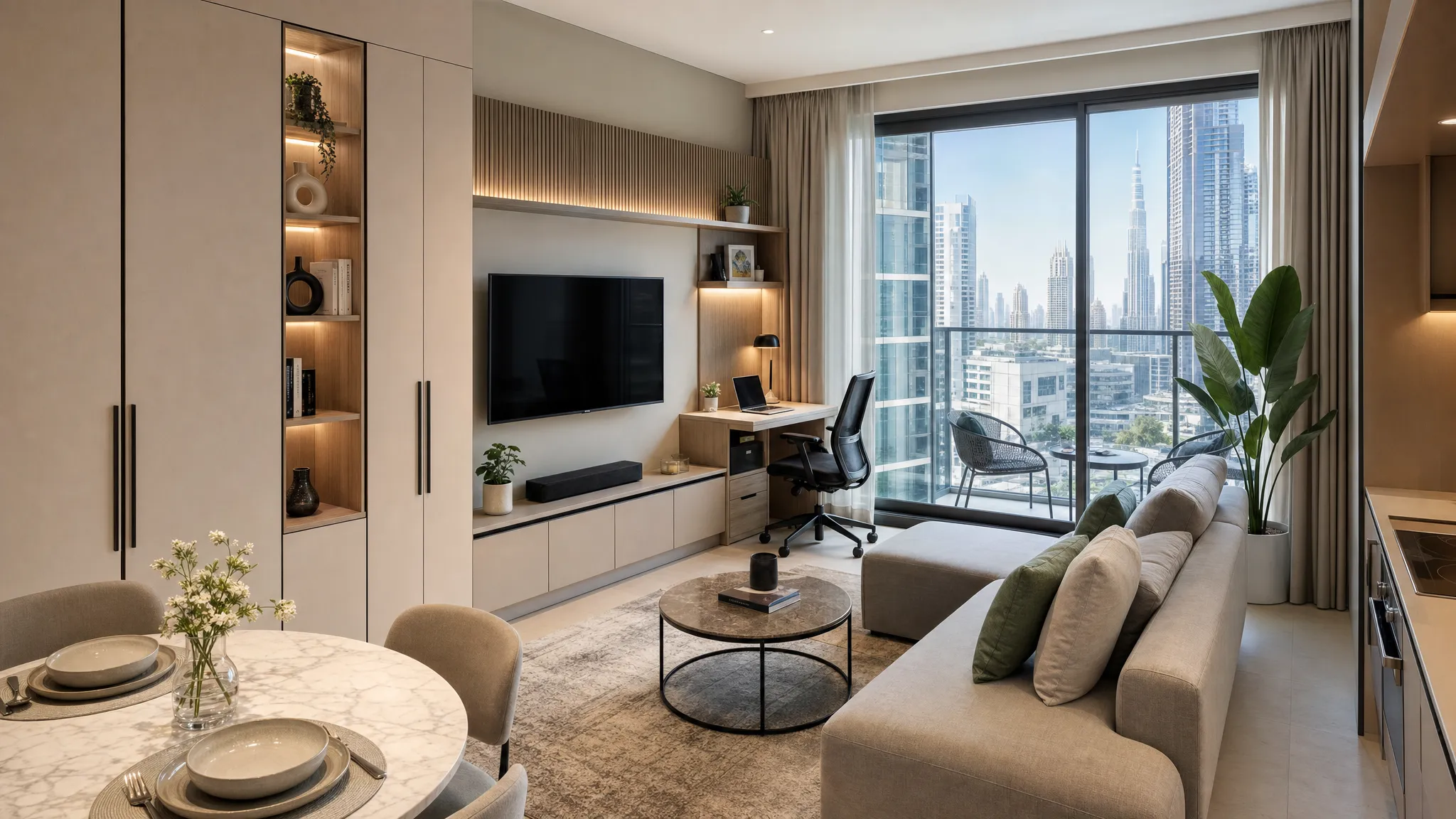
For example, a compact living room can include a media zone, a dining corner, and a small work area without adding solid walls. This can be achieved with ceiling lighting, rugs, low cabinetry, glass partitions, fluted panels, or a change in flooring direction.
In studio and one-bedroom condominiums, zoning is especially valuable. A slim shelving unit can separate the sleeping area from the lounge while still allowing light to pass through. A banquette dining seat can sit against a wall and include storage underneath. A fold-down desk can create a work-from-home station that disappears after office hours.
The goal is not to make the condominium look bigger in photos. The goal is to make it function better from morning to night.
Choose Built-In Storage That Looks Like Architecture
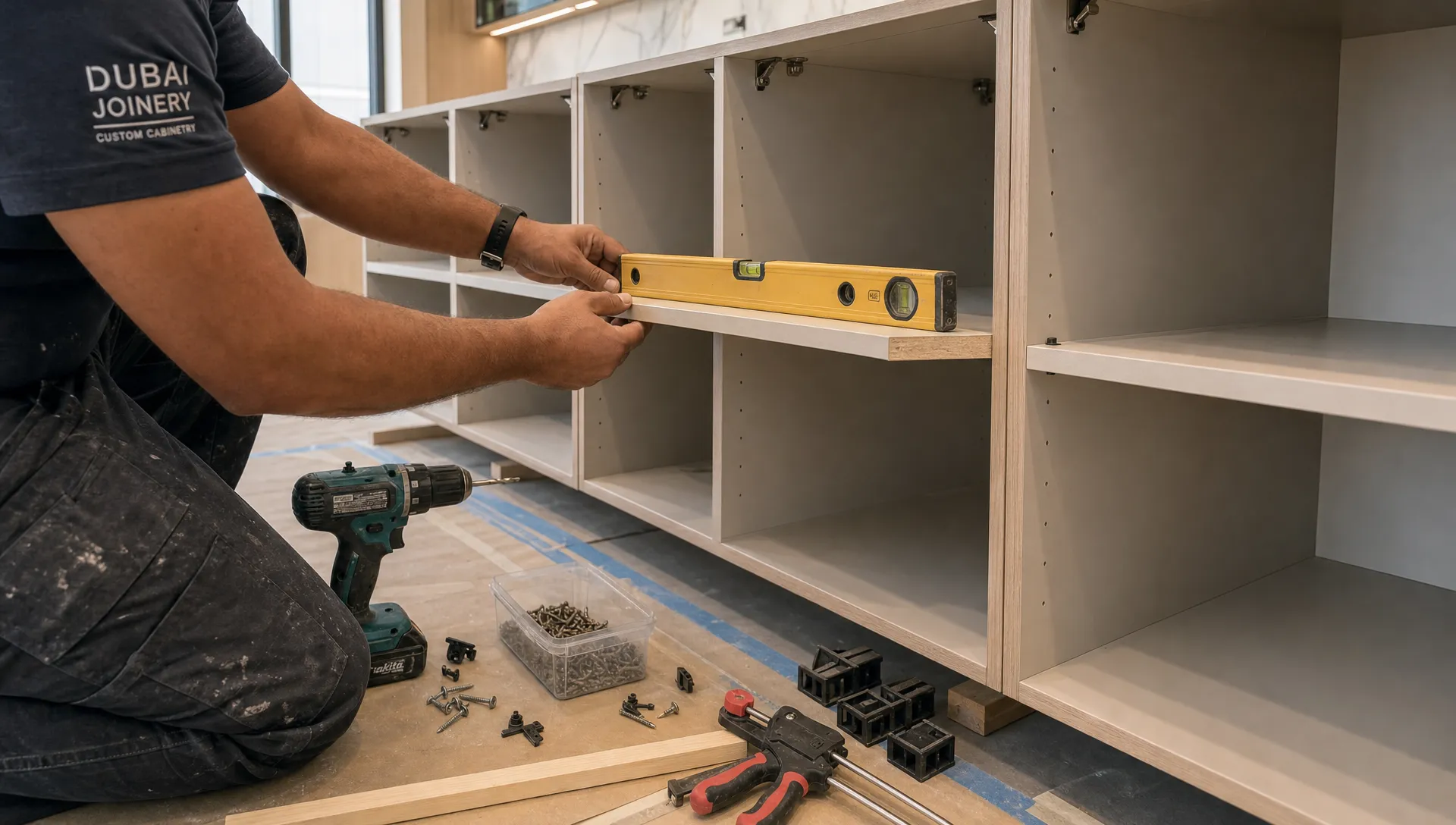
Storage is one of the biggest pain points in urban living. Freestanding cupboards often waste corners, block circulation, and make a small condominium feel busier. Built-in storage solves this by turning unused walls, niches, and awkward corners into practical features.
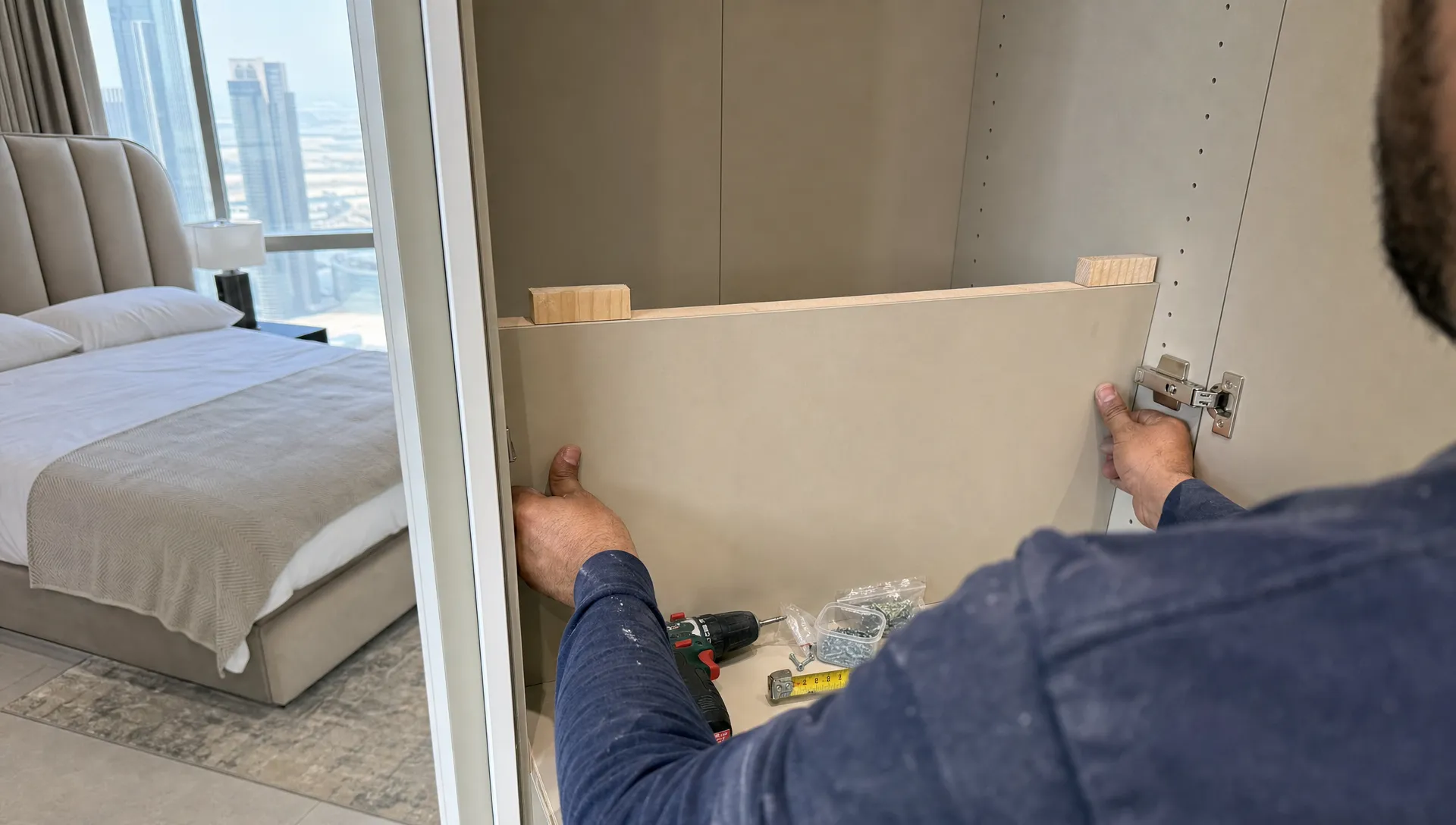
Consider floor-to-ceiling cabinetry in entryways, bedrooms, and corridors. In the entrance, a built-in shoe cabinet with a bench and mirror can make daily routines smoother. In bedrooms, wardrobes can include drawers, hanging space, luggage shelves, and concealed lighting. In living rooms, a media wall can hide cables, routers, gaming equipment, and cleaning tools.
The most successful built-ins share three qualities: they are shallow where space is tight, they use durable finishes, and they blend into the interior palette. Handleless doors, soft-close hardware, and matte finishes create a cleaner look while reducing visual clutter.
For Dubai condominiums, moisture resistance is also important. Kitchens, bathrooms, and laundry cupboards should use suitable materials and proper ventilation, especially where humidity and air-conditioning cycles can affect surfaces over time.
Renovate the Kitchen for Speed, Storage, and Social Living
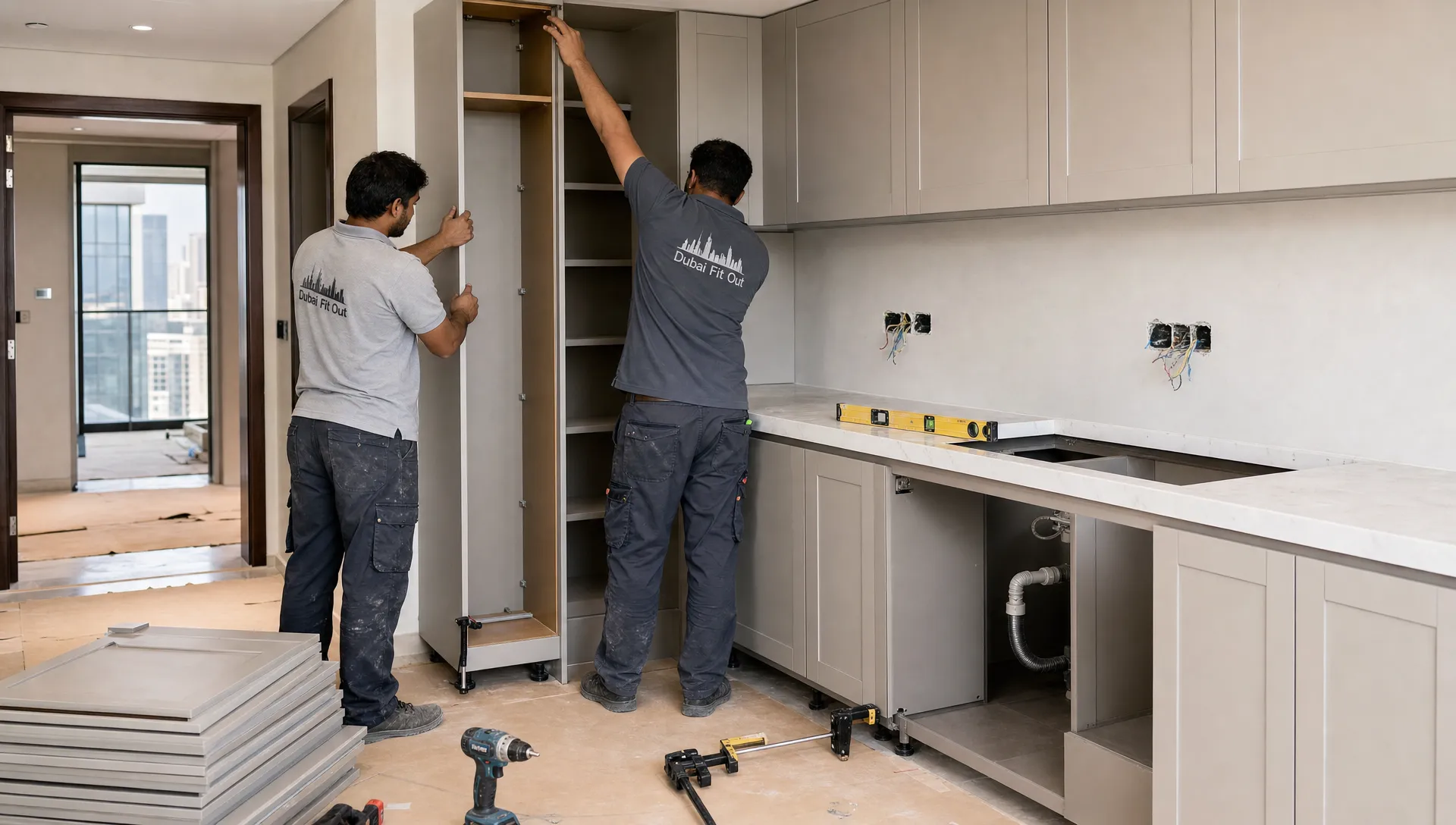
Condominium kitchens need to work efficiently because they are often visible from the living area. A smart kitchen renovation balances beauty with day-to-day practicality.
If the layout allows, an island or peninsula can create extra preparation space, casual seating, and storage. In smaller kitchens, a slim breakfast counter or pull-out worktop may be more realistic. Tall cabinetry can maximise vertical storage, while appliance garages keep the countertop clear.
Lighting is crucial. Under-cabinet LED lighting improves visibility during cooking. Warm pendant lighting above a counter creates atmosphere. Recessed ceiling lights provide even general illumination.
Material choices should support easy maintenance. Quartz or sintered stone countertops, washable wall finishes, durable cabinet laminates, and quality hinges can make a major difference in a high-use kitchen. A neutral palette with one feature texture, such as woodgrain or stone, usually ages better than overly trendy colour combinations.
| Renovation goal | Smart condominium idea | Why it works in urban homes |
|---|---|---|
| More storage | Full-height kitchen cabinets | Uses vertical space without expanding the footprint |
| Less clutter | Concealed appliance zones | Keeps open-plan kitchens visually calm |
| Better flow | Peninsula instead of a large island | Adds function while preserving walking space |
| Easier cleaning | Durable counters and splashbacks | Reduces maintenance in high-use areas |
| Better ambience | Layered task and mood lighting | Makes the kitchen practical and inviting |
Make Small Bathrooms Feel Larger and More Luxurious
Bathroom renovation can dramatically improve condominium living because bathrooms are used multiple times a day and often have limited space. The smartest upgrades focus on visual lightness, storage, water efficiency, and durability.
Wall-mounted vanities make the floor area feel more open. Large mirrors reflect light and visually expand the room. Recessed niches inside shower areas reduce the need for bulky shelves. Glass shower screens are usually cleaner and more space-efficient than shower curtains.
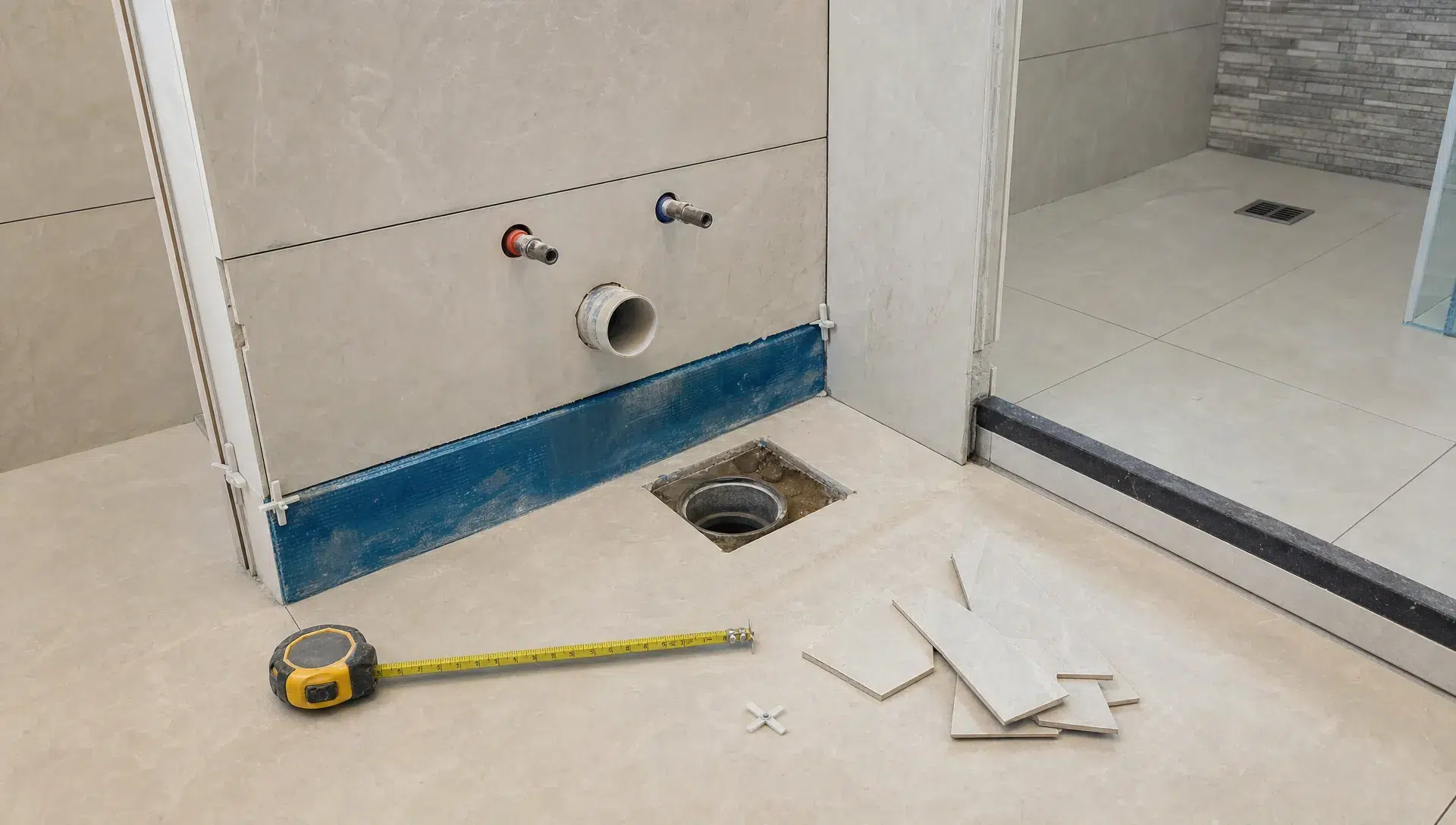
Tile selection also matters. Large-format tiles reduce grout lines and create a more seamless look. Light stone tones, warm greys, soft beige, and subtle textures tend to work well in Dubai homes because they feel bright without being cold. Anti-slip flooring should be considered for safety, especially in family homes.
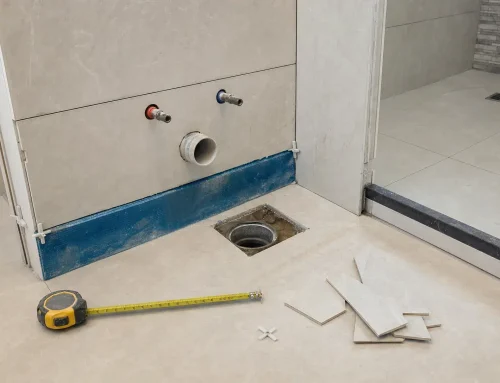
Plumbing should be treated carefully in condominiums. Moving fixtures too far from existing service points can increase complexity and may not be permitted by building rules. A professional renovation contractor can help assess what is practical before demolition begins.
Upgrade Lighting for a Smarter Mood Throughout the Day
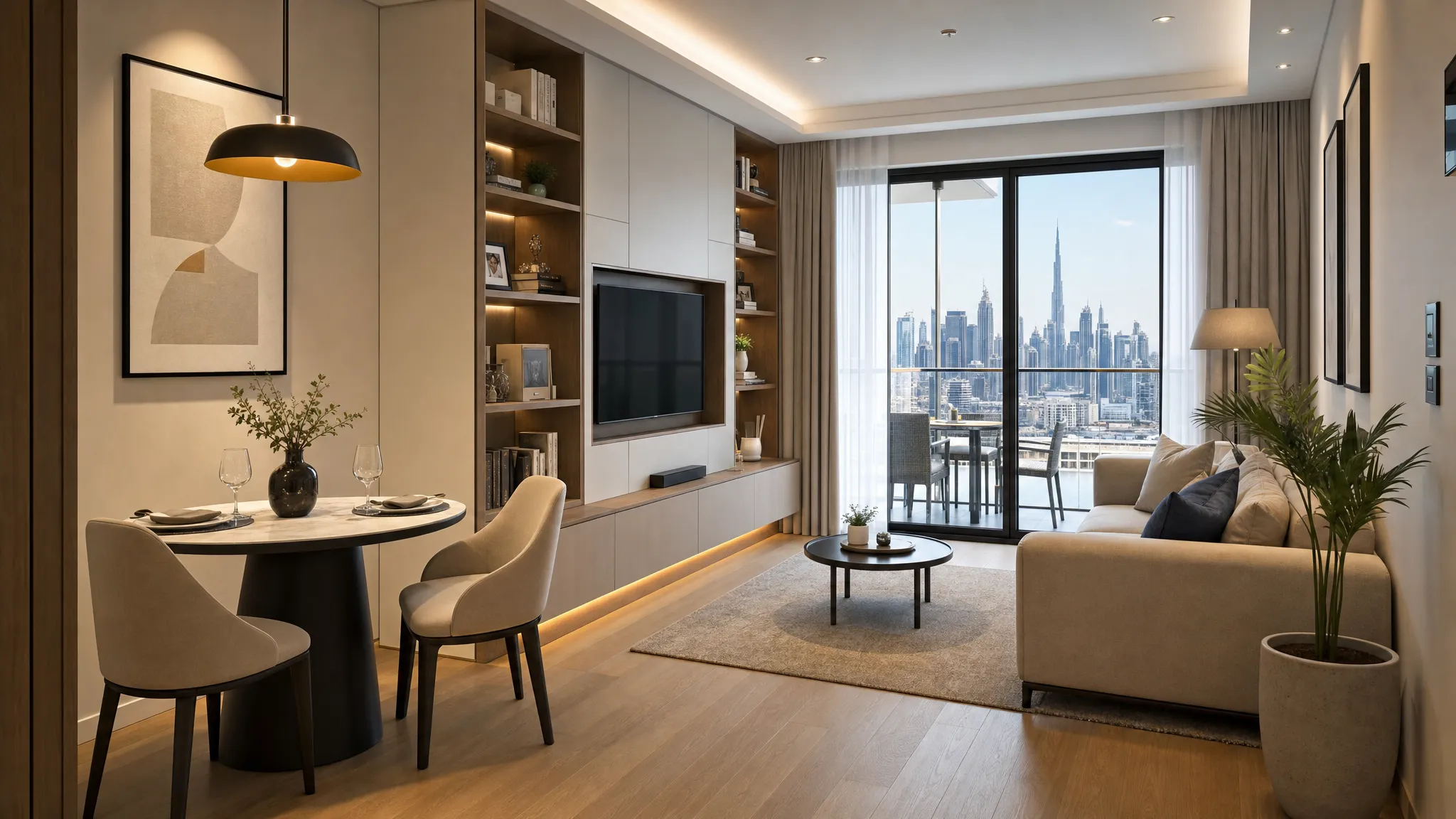
Lighting is one of the highest-impact condominium renovation ideas because it changes how a space feels without requiring extra floor area. Many older apartments rely on a single ceiling light per room, which creates shadows and makes interiors feel flat.
A smarter lighting plan uses layers. Ambient lighting provides general brightness. Task lighting supports activities such as cooking, reading, grooming, or working. Accent lighting highlights textures, art, shelving, or architectural details.
In Dubai condominiums, dimmers and warm colour temperatures can make evenings feel more relaxing after a bright day outside. LED strip lighting under cabinets, inside wardrobes, or along ceiling coves can add a premium feel when used sparingly.
If you are exploring visual upgrades beyond lighting, these interior renovation ideas for a Dubai home can help you connect finishes, colours, flooring, and storage into one cohesive design.
Improve Acoustics for a Quieter Home
Noise control is often overlooked in condominium renovation, yet it has a major effect on comfort. Shared walls, corridors, elevators, street traffic, and neighbouring units can all affect daily life.
You may not be able to control the building, but you can improve your interior. Solid-core doors, acoustic underlays beneath flooring, heavy curtains, upholstered furniture, rugs, and fabric wall panels can reduce echo and soften sound. In bedrooms, wardrobes placed against shared walls can add a useful buffer.
Flooring requires special care. Many buildings have rules about underlay thickness and impact sound reduction, especially when replacing carpet with wood, laminate, or tile. Always check requirements before ordering materials.
A quieter condominium feels more premium, supports better sleep, and makes working from home more comfortable.
Select Materials That Handle Dubai’s Urban Lifestyle
Smart urban living means choosing finishes that look good and stay practical. In Dubai, materials must handle air-conditioning, dust, humidity changes, frequent cleaning, and heavy daily use.
For flooring, engineered wood, quality vinyl, porcelain tile, and laminate can all work depending on the room and budget. The right choice depends on lifestyle: families may prioritise scratch resistance, while professionals may prefer a seamless premium look. In wet areas, slip resistance and moisture durability are more important than appearance alone.
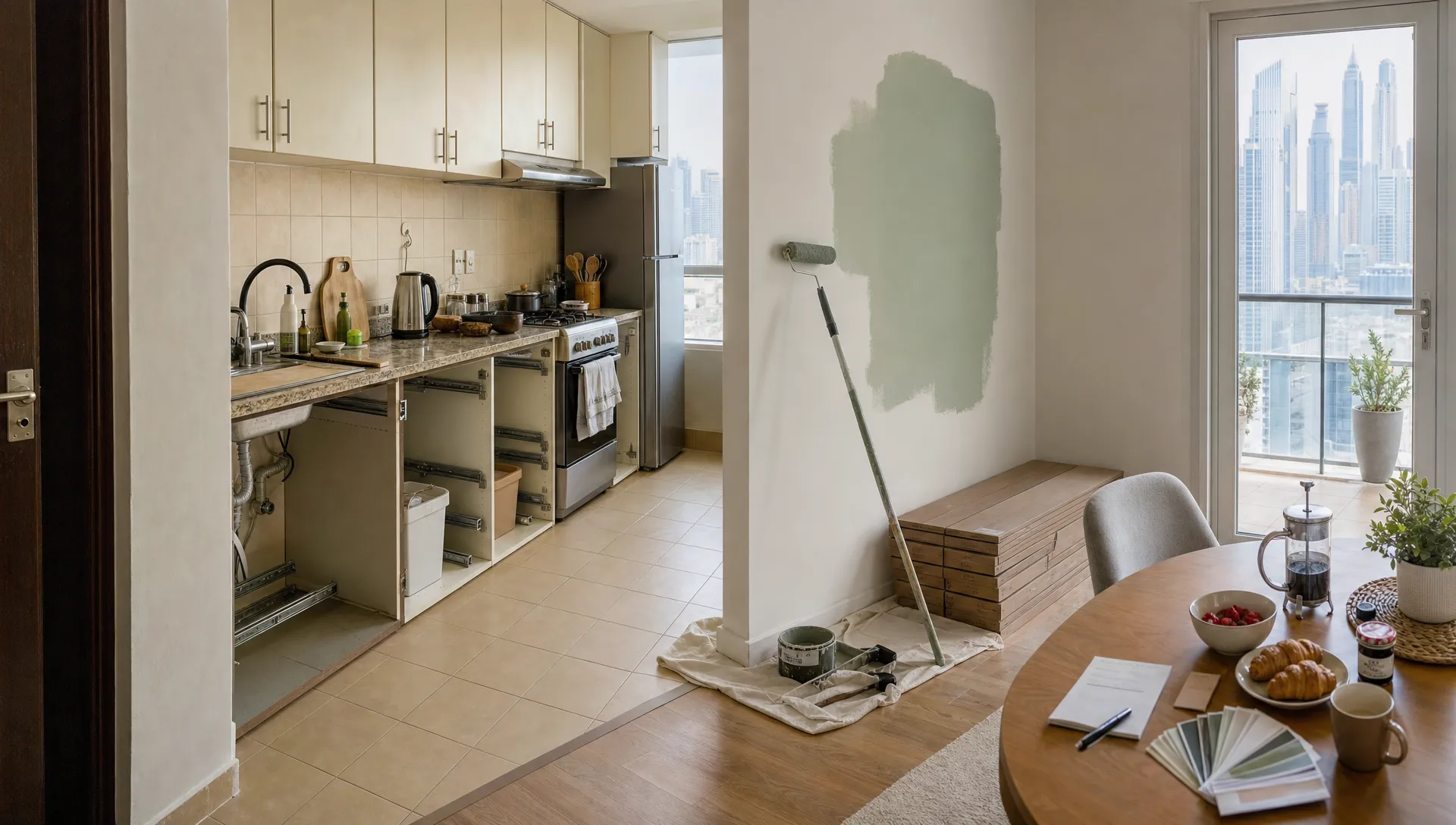
For walls, washable paints and textured feature finishes can refresh the home without overwhelming it. For cabinetry, choose finishes that resist fingerprints and are easy to maintain. For countertops, select materials that can tolerate heat, stains, and daily cleaning.
A good renovation does not chase the most expensive material. It matches the right material to the right use.
Integrate Smart Home Features Carefully
Smart technology can make condominium living more convenient, but it should be planned thoughtfully. Useful upgrades may include smart lighting controls, motorised curtains, smart thermostats, leak sensors, video doorbells, and app-controlled access features where permitted.
The key is to avoid adding technology for its own sake. Focus on features that improve comfort, safety, and energy efficiency. For example, leak sensors near washing machines, water heaters, or kitchen sinks can be especially useful in apartments because water damage can affect neighbouring units.
Privacy should also be part of the conversation. Connected cameras, smart locks, routers, and building access systems collect or transmit data. Homeowners, landlords, and home-office users should take basic precautions such as secure passwords, network separation, software updates, and careful device placement. For organisations managing resident, client, or staff information, guidance from Governance, Risk, and Compliance specialists such as Privacy & Legal Management Consultants Ltd. can be useful when developing privacy-aware policies for connected environments.
Turn the Balcony Into a Practical Extension
If your condominium has a balcony, treat it as valuable living space, while staying within building rules. Even a small balcony can become a breakfast corner, reading spot, mini garden, or evening relaxation area.
Choose weather-resistant furniture, outdoor-rated lighting, and easy-care planters. Avoid permanent changes that may violate façade or community guidelines. If privacy is an issue, consider approved screens, tall planters, or outdoor curtains where allowed.
Balcony flooring should be selected carefully. Clip-on decking, outdoor tiles, or rugs may improve comfort, but they should not block drainage. In Dubai’s climate, materials need to resist heat, dust, and occasional moisture.
A well-designed balcony can make a compact condominium feel more generous without altering the interior footprint.
Design for Work-From-Home Flexibility
Many urban residents now need at least a small work zone. In a condominium, the challenge is creating focus without sacrificing living space.
A dedicated room is not always possible, so look for underused areas: a bedroom corner, corridor niche, window wall, or built-in cabinet. A custom desk with storage above can keep paperwork and devices organised. Good task lighting, cable management, and an ergonomic chair are more important than a large desk.
If the work zone is inside the living room or bedroom, make it visually quiet. Match the desk finishes to surrounding cabinetry, conceal sockets where possible, and use doors or panels to hide the workspace when not in use.
This type of flexible planning is central to good home design. For a deeper look at planning around everyday routines, explore how home renovation design services can improve daily living.
Plan Approvals, Timelines, and Neighbour Impact Early
A smart condominium renovation is not only about design. It is also about execution. Poor planning can lead to delays, complaints, rework, or approval issues.
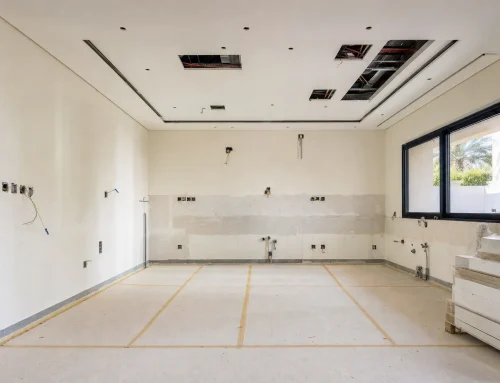
Before work begins, prepare a clear scope of works, drawings where needed, material selections, and a schedule. Confirm building access rules, service elevator timings, debris removal procedures, parking for contractors, and noise restrictions. If plumbing, electrical, or air-conditioning works are involved, make sure qualified specialists are used.
It is also wise to notify neighbours when noisy work is expected. This simple step can reduce tension and help the project run more smoothly.
A professional renovation team can coordinate trades such as carpentry, plumbing, flooring, painting, and fit-out work so the project feels organised rather than stressful.
Frequently Asked Questions
What is the best first step in a condominium renovation? Start with a practical assessment of your layout, storage, building rules, and daily pain points. Once you know what needs to improve, you can plan finishes, budgets, and approvals more accurately.
Can I change the kitchen or bathroom layout in a condominium? Sometimes, but it depends on drainage, plumbing lines, waterproofing requirements, and building management rules. Major changes should be reviewed by experienced renovation professionals before work begins.
How can I make a small condominium feel bigger? Use built-in storage, lighter colours, mirrors, layered lighting, slim furniture, and clear zoning. Avoid oversized furniture and too many contrasting finishes, as they can make compact spaces feel crowded.
Are smart home upgrades worth it in a condo? Yes, when they solve real problems. Smart lighting, leak sensors, thermostats, and motorised curtains can improve comfort and convenience. Choose secure devices and plan wiring or connectivity before finishing works are completed.
Which renovations add the most value to a condominium? Kitchen upgrades, bathroom improvements, durable flooring, better storage, quality lighting, and a cohesive interior design usually have the strongest impact on both daily living and buyer appeal.
Create a Condominium That Works Smarter Every Day
A successful condominium renovation should make urban living feel easier, calmer, and more efficient. The right design can improve storage, comfort, lighting, privacy, and long-term value without wasting space.
Best Renovation provides renovation services in Dubai for homes, kitchens, bathrooms, villas, interiors, fit-outs, plumbing, carpentry, wooden flooring, and wall painting. If you are planning a condominium upgrade, start with a clear design vision and work with professionals who understand both modern interiors and the practical realities of Dubai residential buildings.