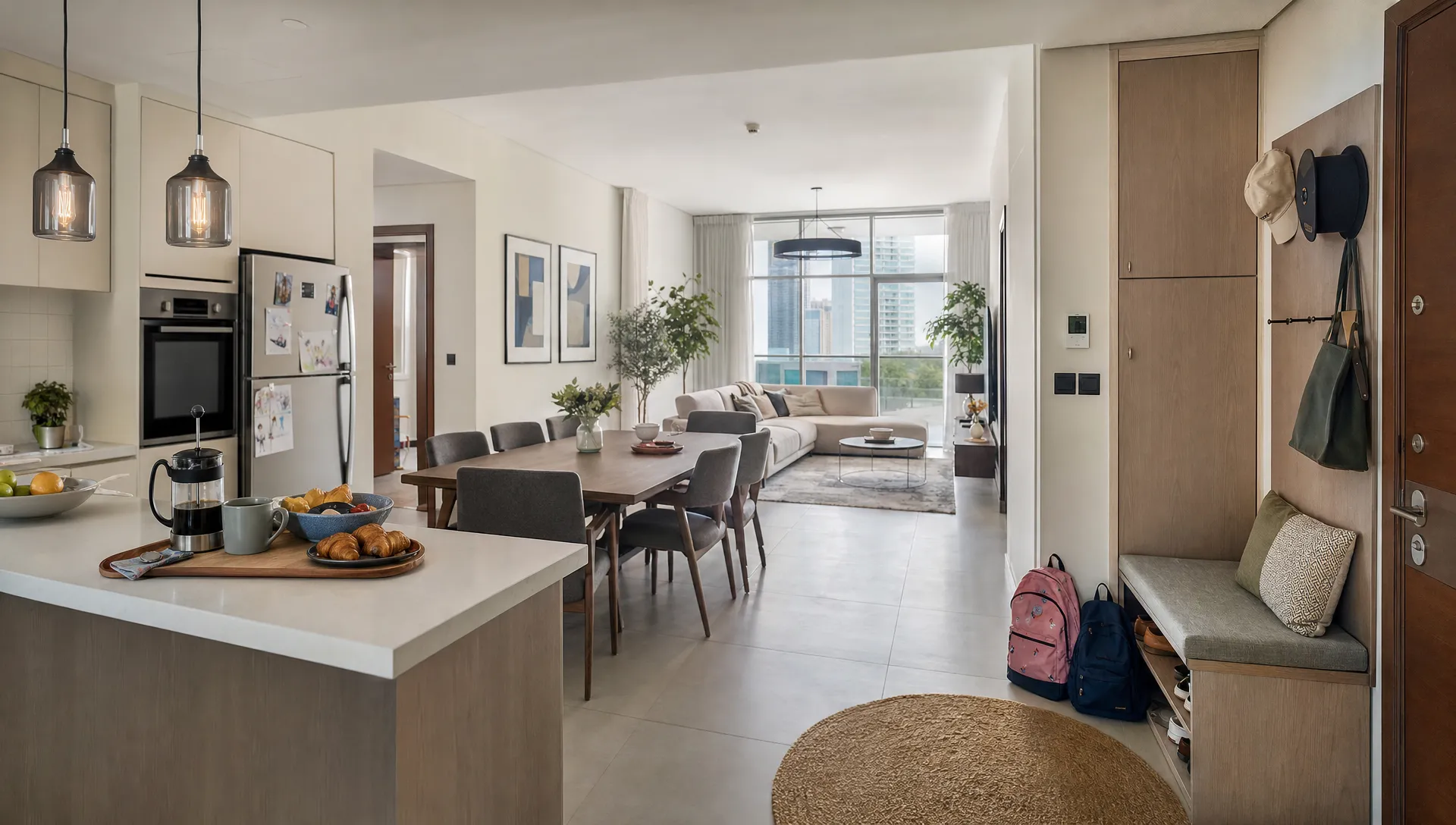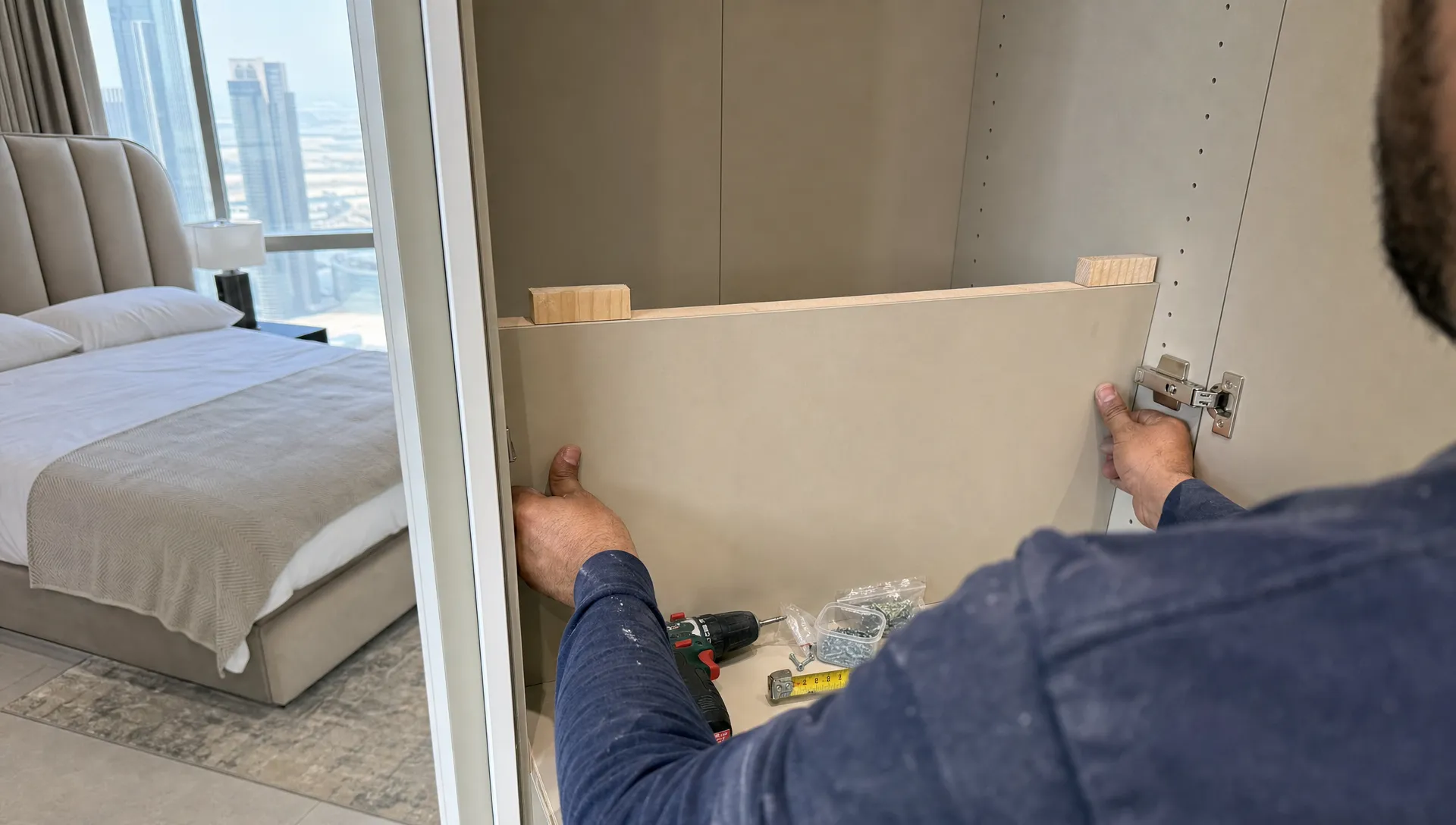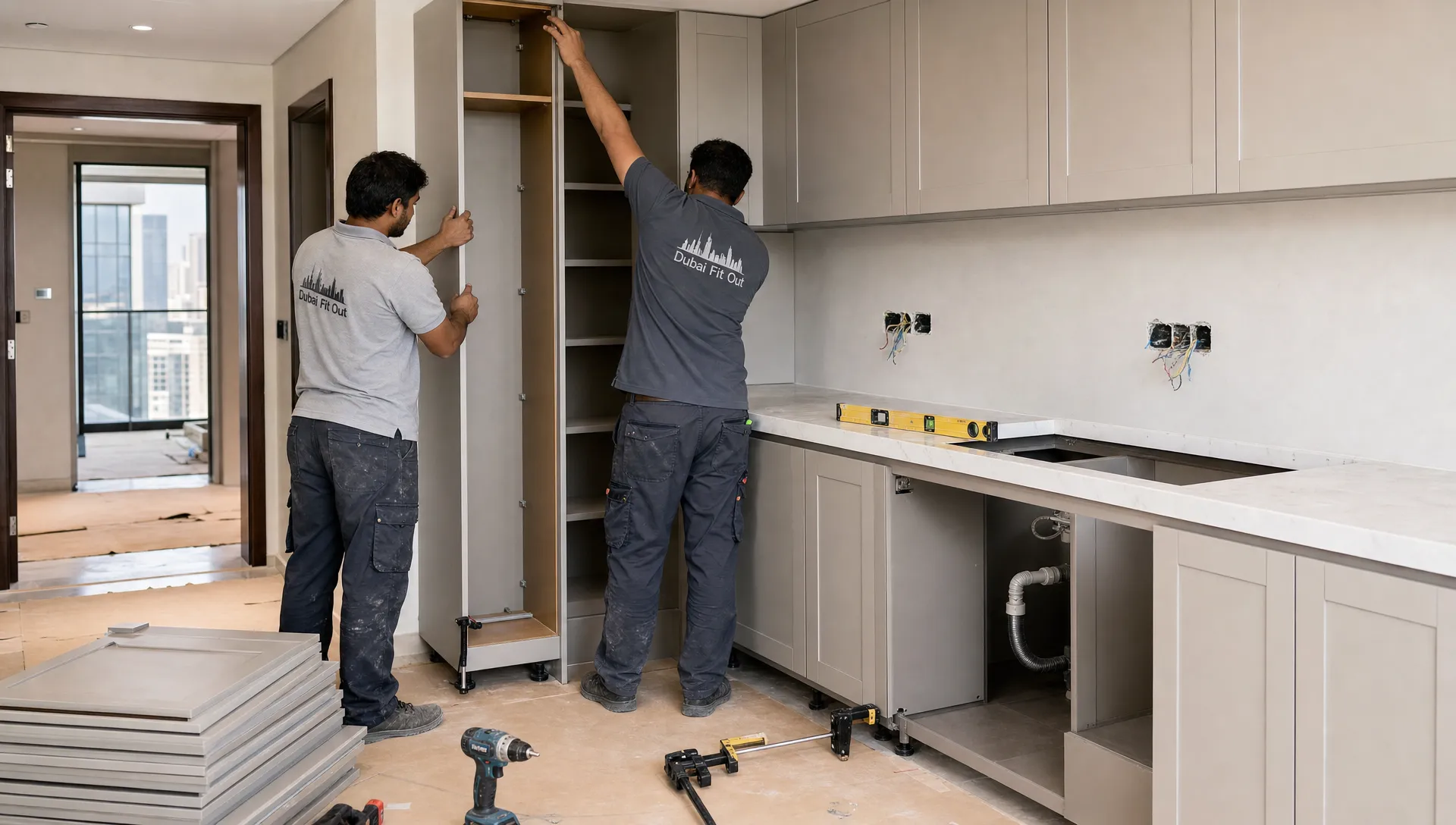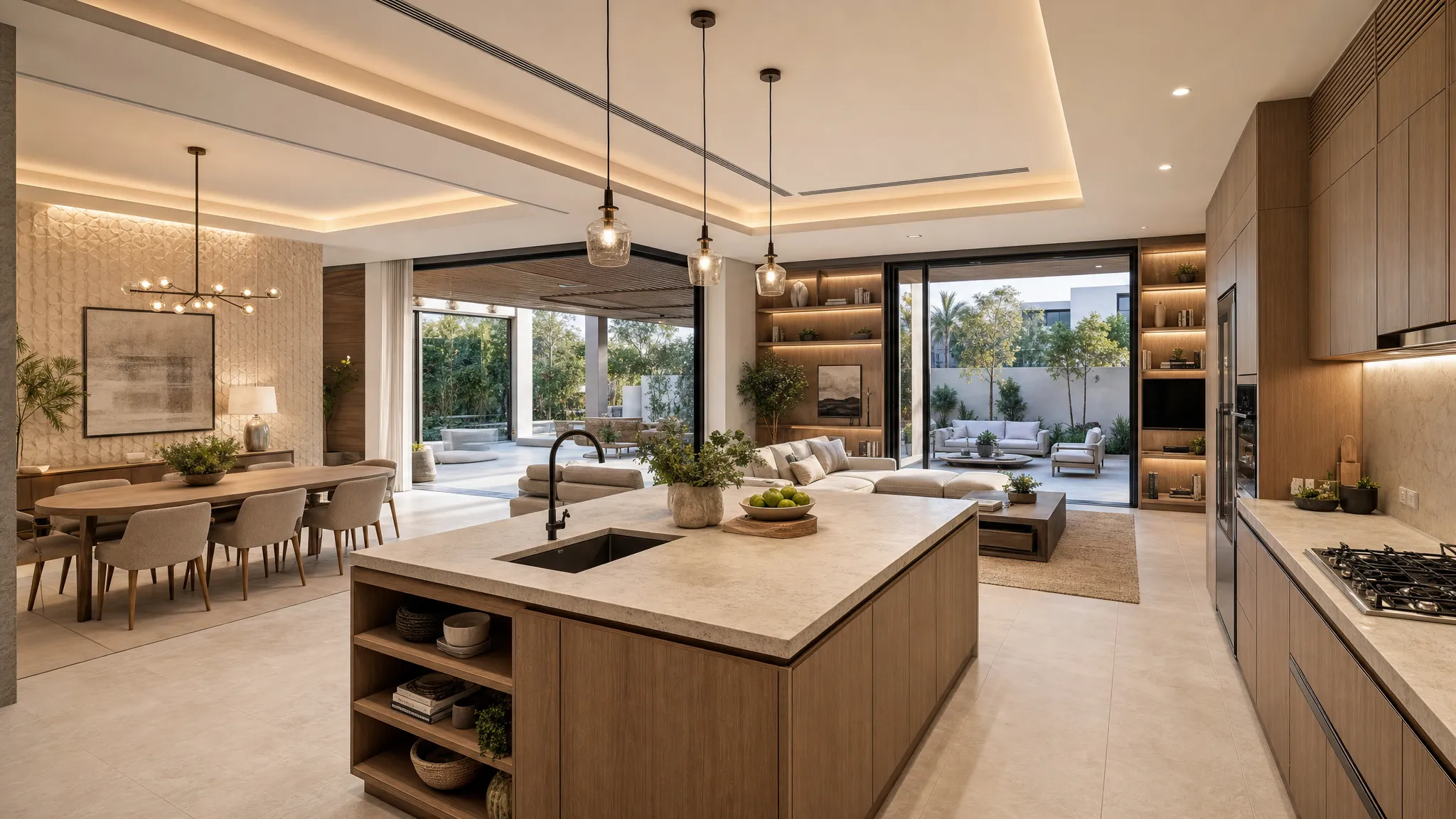
Dubai homes are evolving fast. The most desirable interiors today are not only polished and luxurious, they are also practical for the UAE climate, easy to maintain, flexible for family life, and designed around the way people actually live.
That is why the strongest interior design and renovation trends for Dubai homes are moving away from showpiece-only spaces. Homeowners now want natural textures, smarter layouts, better storage, spa-inspired bathrooms, social kitchens, and outdoor areas that can be used comfortably for more of the year.
Whether you own an apartment in Downtown Dubai, a family villa in Arabian Ranches, or a townhouse in a newer master community, the goal is the same: create a home that feels calm, premium, and functional without becoming dated in a few years.
What is shaping Dubai home interiors now?
Dubai renovations are influenced by a unique mix of lifestyle, architecture, and environment. Interiors have to handle intense sunlight, AC use, dust, humidity, frequent hosting, and in many homes, multi-generational living. A trend that looks beautiful online may not work well unless it is adapted for local conditions.
In 2026, the best renovation plans usually start with four priorities: comfort, durability, storage, and long-term value. This is especially important for homeowners renovating for resale or rental appeal, where buyers and tenants quickly notice kitchens, bathrooms, flooring, lighting, and the quality of finishes.
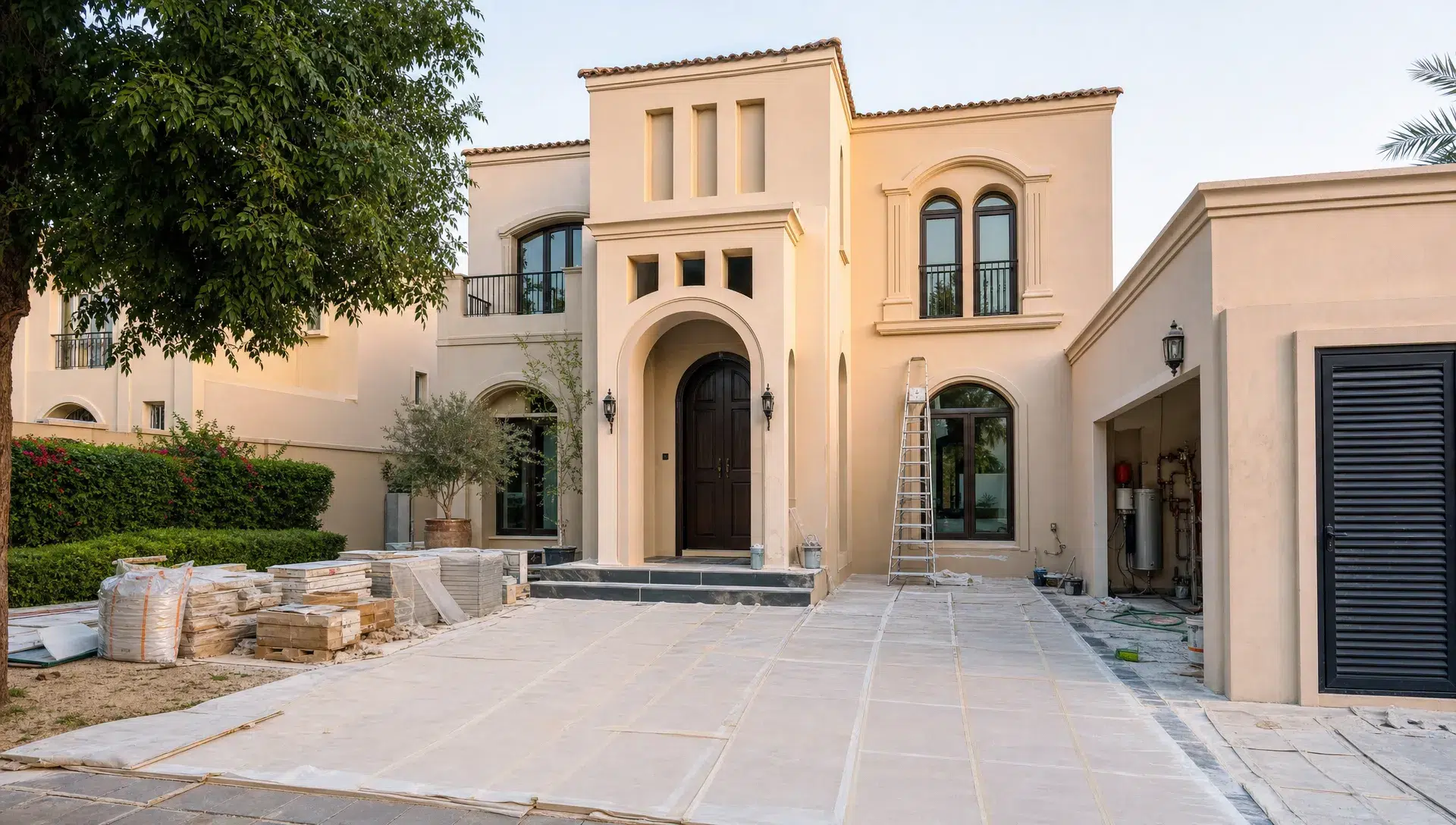
Approvals also matter. Villa communities, apartment towers, and freehold developments may have rules for structural changes, plumbing, wet areas, facade work, and work timings. Before committing to any major layout change, it is worth reviewing a full renovation planning guide for Dubai homes so your design ideas are matched with the right technical steps.
| Trend | Why it works in Dubai | Best renovation focus |
|---|---|---|
| Warm minimalism | Looks luxurious without feeling cold | Neutral palettes, texture, soft lighting |
| Smarter zoning | Supports family life and entertaining | Partitions, sliding doors, furniture planning |
| Indoor-outdoor living | Makes better use of villas and terraces | Shading, outdoor flooring, garden seating |
| Social kitchens | Fits Dubai hosting culture | Islands, hidden storage, durable worktops |
| Spa bathrooms | Adds daily comfort and resale appeal | Walk-in showers, lighting, waterproofing |
| Built-in storage | Reduces clutter in compact spaces | Joinery, wardrobes, utility zones |
| Sustainable finishes | Lowers maintenance and improves comfort | LEDs, water-saving fixtures, low-VOC paints |
1. Warm minimalism instead of cold luxury
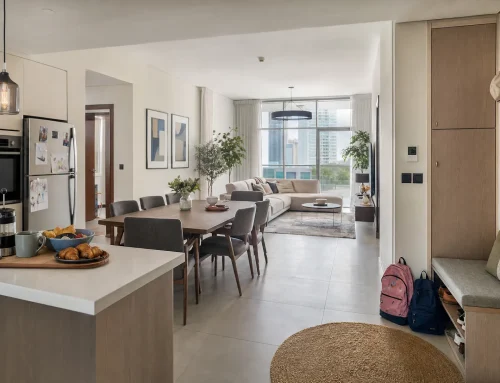
Minimalism is still popular, but the version Dubai homeowners prefer now feels warmer and more layered. Instead of stark white rooms with glossy surfaces everywhere, the trend is shifting toward beige, sand, clay, greige, warm white, taupe, walnut, brushed metal, travertine-inspired tiles, and soft textured fabrics.
This approach works because it suits Dubai’s natural light. Strong sunlight can make bright white interiors feel harsh, while warmer neutrals create a softer and more comfortable atmosphere. It also gives homeowners a flexible base, so furniture, art, rugs, and accent walls can change over time without another full renovation.
The key is restraint. A warm minimalist home should still have clean lines, hidden storage, and uncluttered surfaces, but it should avoid feeling empty. Texture does the work: fluted wood, limewash-effect paint, ribbed glass, woven rugs, linen curtains, stone-look porcelain, and matte finishes can make a simple room feel expensive.
2. Open layouts with better zoning
Open-plan living remains desirable, especially in villas and townhouses, but fully open spaces can become noisy and hard to organize. The newer trend is open zoning, where the home feels connected but each area has a clear purpose.
For example, a living and dining room may be divided using a low console, ceiling detail, rug placement, curved sofa, wooden screen, or glass partition. In villas, families often want visibility between the kitchen and living space while still controlling cooking smells and clutter. Sliding glass doors, pocket doors, or semi-open kitchens can solve this without making the space feel closed.
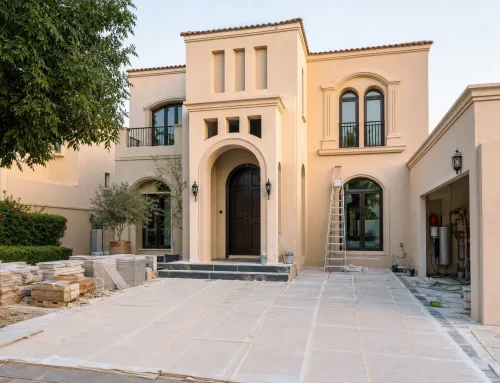
This is especially relevant for family homes, where adults may be entertaining while children study or play nearby. If you are renovating a larger property, reviewing current villa renovation trends for modern family living can help you think beyond decoration and plan spaces around daily routines.
3. Indoor-outdoor living designed for the climate
Dubai homes often have balconies, terraces, courtyards, gardens, or pool decks, but these areas are underused when they are not designed for shade, privacy, and durability. The strongest outdoor trend is not simply adding furniture. It is creating an outdoor room that works with the climate.
For villas, this may include shaded pergolas, outdoor porcelain tiles, built-in benches, garden lighting, privacy planting, ceiling fans, and durable outdoor fabrics. For apartments, it may mean turning a balcony into a compact coffee corner with slim seating, vertical greenery, and flooring that can handle dust and heat.
The indoor transition matters too. Large glass doors, consistent flooring tones, and aligned lighting can make the living room feel bigger. However, materials must be chosen carefully. Outdoor surfaces should resist fading, slipping, and moisture damage, while indoor flooring near garden doors should be easy to clean.
4. Kitchens as social hubs
The kitchen has become one of the most important rooms in Dubai renovations. Homeowners want kitchens that look elegant from the living area but can still handle serious cooking, storage, and entertaining.
The most popular direction is a social kitchen with a large island, hidden appliances, tall pantry storage, integrated lighting, and durable countertops. Matte cabinet finishes, warm wood tones, stone-effect surfaces, bronze or brushed nickel handles, and concealed extraction are common choices. Many homeowners are also moving away from purely white kitchens and choosing warmer, more natural palettes.
Function is just as important as style. Deep drawers, appliance garages, pull-out pantry units, corner storage systems, and easy-clean backsplashes make a kitchen feel premium long after the renovation is finished. For a deeper look at layouts, finishes, and practical upgrades, see these Dubai kitchen renovation trends homeowners love.
5. Spa-style bathrooms with serious waterproofing
Bathrooms are becoming calmer, more refined, and more hotel-inspired. Walk-in showers, frameless glass, large-format tiles, floating vanities, recessed niches, backlit mirrors, brushed metal fixtures, and soft LED lighting are all in demand.
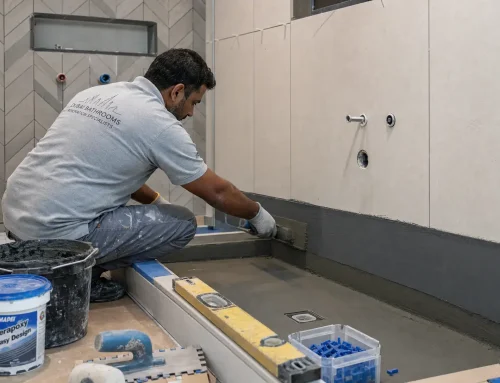
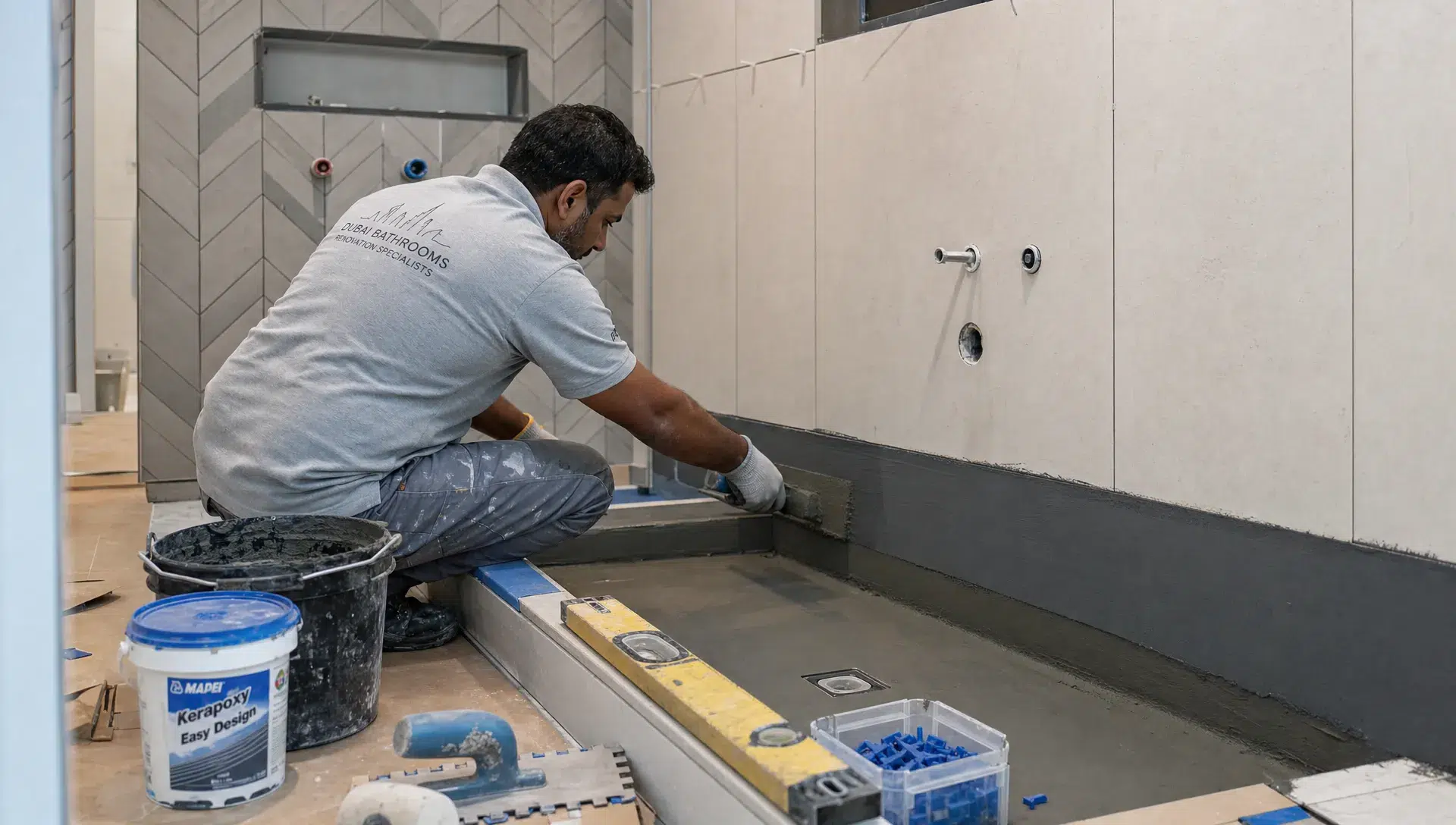
In Dubai, the practical side of bathroom renovation is essential. Waterproofing, drainage slope, ventilation, plumbing quality, and tile installation matter as much as the visible design. A beautiful bathroom will not stay beautiful if moisture, leaks, or poor drainage appear later.
The most successful bathroom designs balance luxury and maintenance. Large-format porcelain tiles reduce grout lines, wall-mounted toilets make cleaning easier, and storage niches keep products off the floor. For family homes, anti-slip flooring and good lighting are not optional details. They are part of a safe, long-lasting renovation.
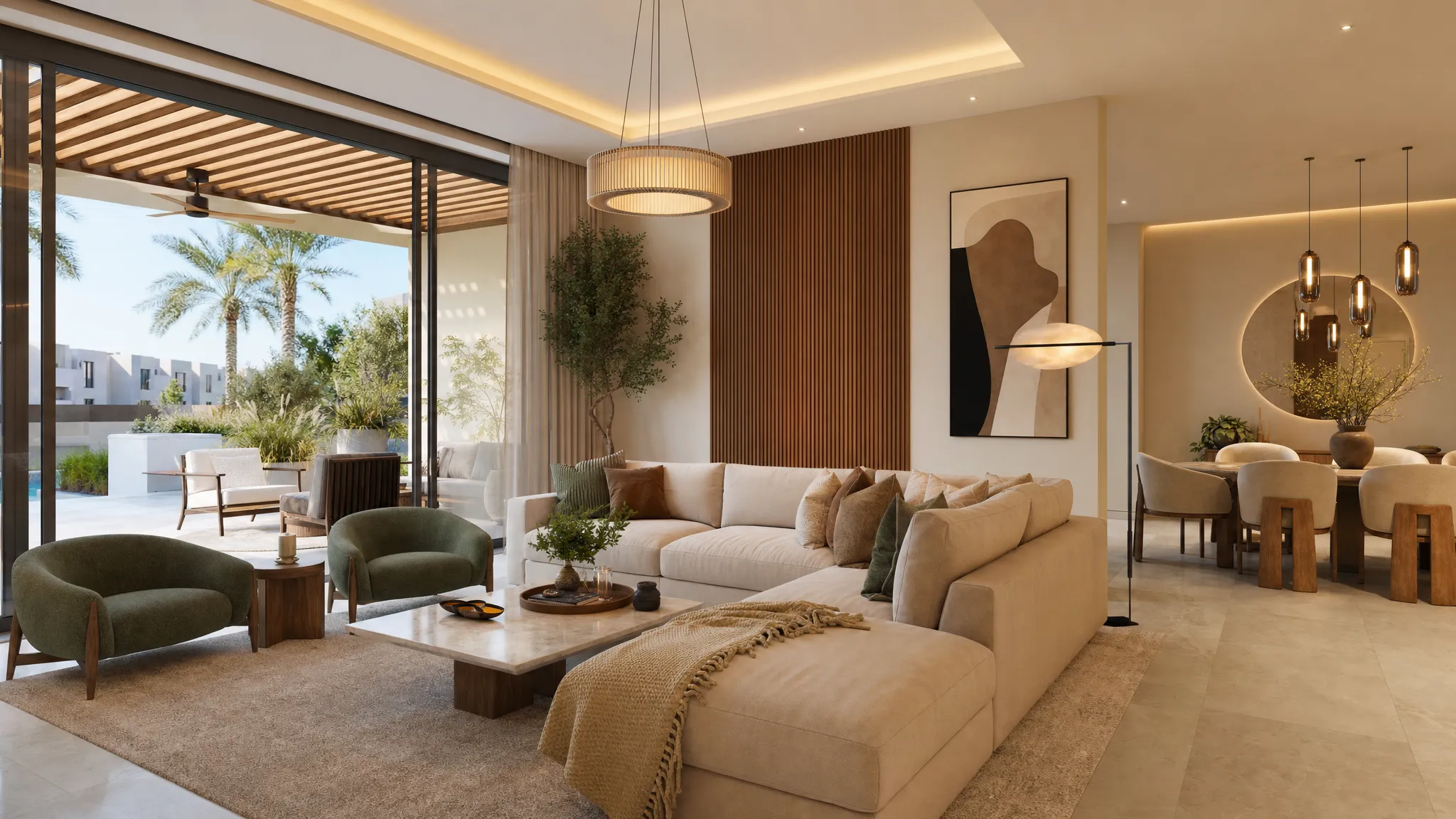
6. Natural textures with durable modern finishes
Natural materials are a major influence, but many Dubai homeowners choose durable alternatives that give a similar look with less maintenance. Porcelain slabs that resemble marble, engineered wood flooring, wood-look tiles, quartz surfaces, and textured wall finishes are popular because they combine style with practicality.
This is particularly useful in homes with children, pets, frequent guests, or rental use. Real marble and natural wood can be beautiful, but they may need more sealing, care, and climate control. Modern alternatives can offer a premium look while standing up better to daily wear.
The best interiors mix finishes rather than relying on one material everywhere. A living room might combine wooden flooring, a stone-effect TV wall, linen curtains, matte paint, and a textured rug. This layering creates depth without making the room feel busy.
7. Built-in storage that disappears into the design
Clutter is one of the fastest ways to make even a renovated home feel unfinished. That is why concealed storage is now a major part of interior design and renovation in Dubai.
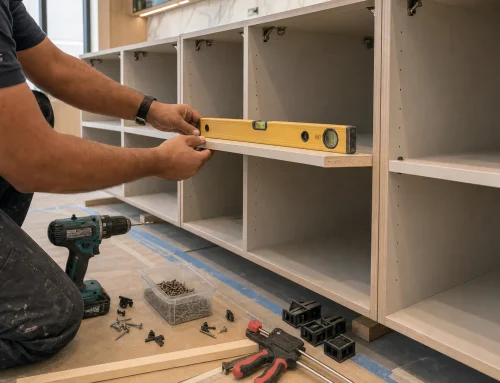
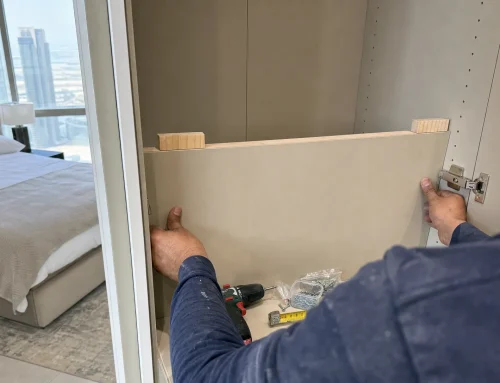
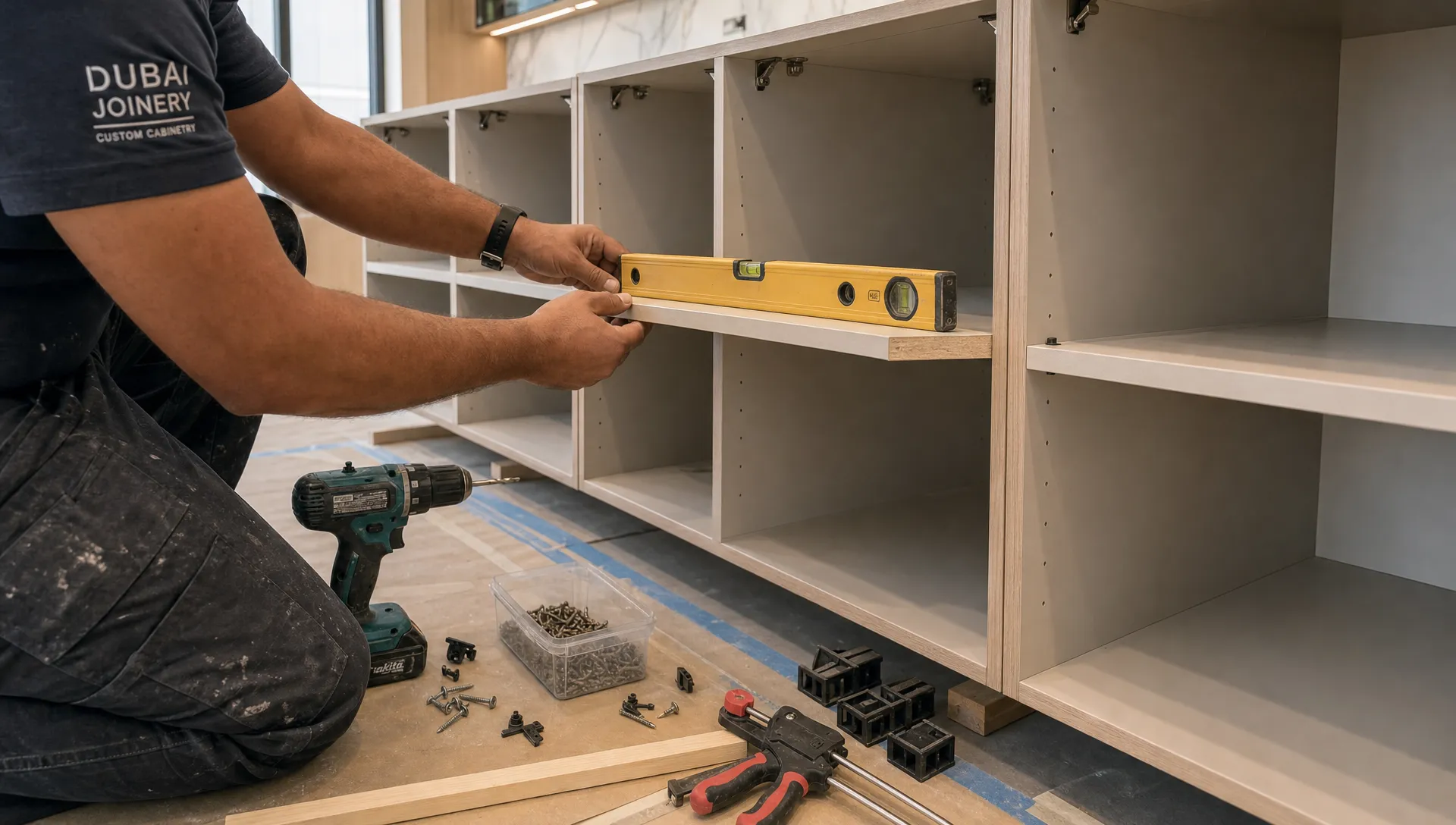
Built-in wardrobes, full-height TV walls, under-stair cabinets, laundry cupboards, shoe storage, pantry walls, and custom vanities help keep daily items out of sight. In apartments, smart joinery can make a compact floor plan feel much larger. In villas, it can bring order to entrances, corridors, children’s rooms, kitchens, and utility areas.
The trend is toward storage that blends with the architecture. Handleless doors, push-open systems, wall-matched colors, fluted panels, and integrated lighting make cabinets feel like part of the room rather than bulky furniture added later.
8. Lighting plans with more layers and less glare
Lighting can make or break a Dubai renovation. Because many homes receive strong daylight during the day, evening lighting needs to feel soft, balanced, and relaxing. One ceiling light in the middle of the room is rarely enough.
Layered lighting usually includes ambient light, task light, and accent light. Cove lighting, wall washers, pendant lights, cabinet lighting, reading lamps, mirror lighting, and dimmable spots all play different roles. The goal is to create scenes for cooking, dining, relaxing, entertaining, and working from home.
Warm white light is often more flattering for living areas and bedrooms, while kitchens, wardrobes, and bathrooms need enough clarity for practical tasks. Smart lighting controls can also help homeowners adjust brightness and mood without adding visual clutter.
9. Flexible furniture before permanent fit-out decisions
Dubai homes often need to serve different purposes throughout the year. A guest room may become a home office, a majlis may host large gatherings during Ramadan, and an outdoor terrace may be used heavily in cooler months.
Before investing in permanent built-ins, it can be useful to test scale, seating flow, and furniture placement. This is especially true for majlis areas, guest suites, event hosting, and short-term furnished properties. Homeowners looking to experiment with layouts or furnish occasional spaces can explore premium furniture rental and custom furnishing options to see what works before committing to final carpentry or fit-out decisions.
Flexible furniture also supports longevity. Modular sofas, nesting tables, extendable dining tables, ottomans with storage, and movable screens allow a home to adapt as family needs change.
10. Sustainable choices that feel comfortable, not basic
Sustainability in Dubai homes is becoming more practical and design-led. Homeowners are not necessarily asking for homes that look eco-themed. They want interiors that reduce waste, save energy, improve air quality, and stay beautiful for longer.
Good sustainable renovation choices include LED lighting, efficient AC planning, water-saving mixers and showerheads, low-VOC paints, durable flooring, quality joinery, and materials that do not need frequent replacement. Better curtains, blinds, and window treatments can also improve comfort by reducing heat gain and glare.
A sustainable home is also one that avoids trend fatigue. If the base palette, flooring, lighting, and joinery are timeless, you can update the home later through furniture, art, cushions, rugs, and accessories instead of another major renovation.
Which trends suit your property type?
Not every trend belongs in every home. A villa with a garden has different opportunities than a high-rise apartment, and a rental property should be planned differently from a forever family home.
| Property type | Best trends to prioritize | What to be careful with |
|---|---|---|
| Apartment | Storage, lighting, compact kitchens, balcony upgrades | Building approvals, wet area limits, noise rules |
| Villa | Indoor-outdoor living, family zoning, larger kitchens, spa bathrooms | MEP coordination, exterior guidelines, waterproofing |
| Townhouse | Open zoning, built-in storage, patio design, durable finishes | Space planning, stair storage, privacy |
| Rental property | Durable flooring, neutral palette, easy-clean kitchens and bathrooms | Over-personalized finishes, delicate materials |
| Luxury residence | Custom joinery, statement lighting, premium bathrooms, layered materials | Balancing impact with long-term timelessness |
How to plan an interior design and renovation project around trends
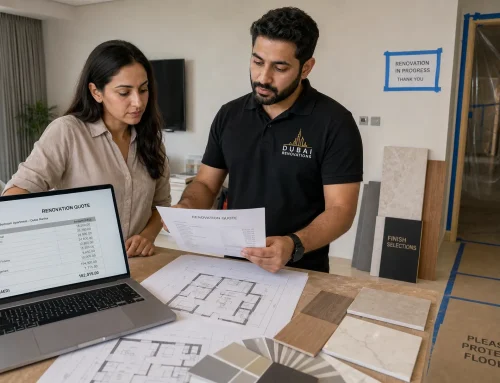
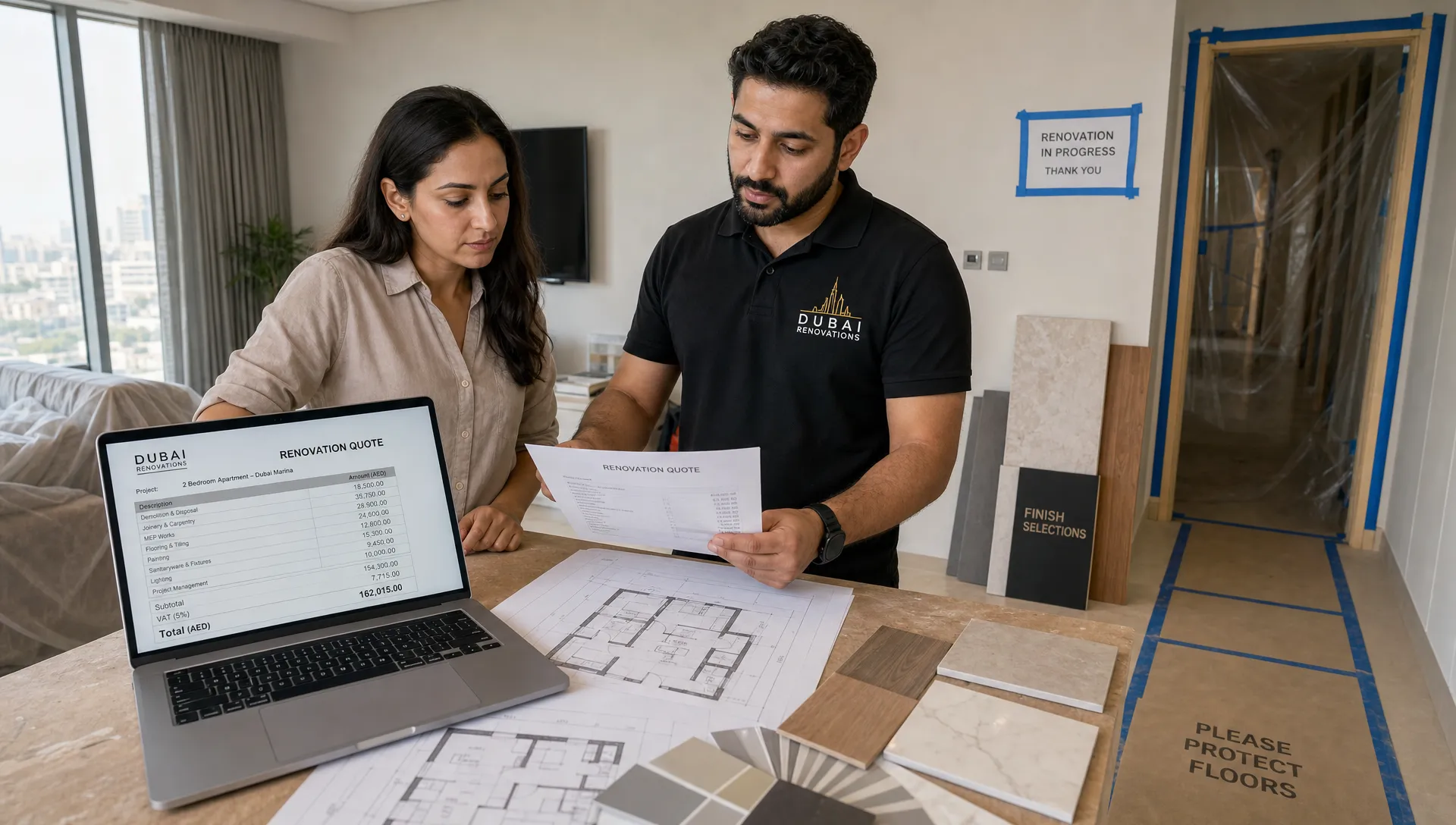
Trends are helpful, but they should never replace a proper design process. The best result comes from understanding your home, lifestyle, budget, and technical limits before choosing finishes.
Start with the problems you want to solve. Is the kitchen too closed? Is there not enough storage? Are the bathrooms outdated? Does the living room feel dark? Are the floors hard to maintain? Once the functional issues are clear, design trends can be used selectively to solve them in a stylish way.
A practical renovation plan should include:
- A clear scope for each room before work starts
- Material choices suited to Dubai heat, dust, humidity, and AC use
- Lighting, plumbing, carpentry, flooring, and painting planned together
- Community or building approvals checked early
- A balance between statement features and timeless base finishes
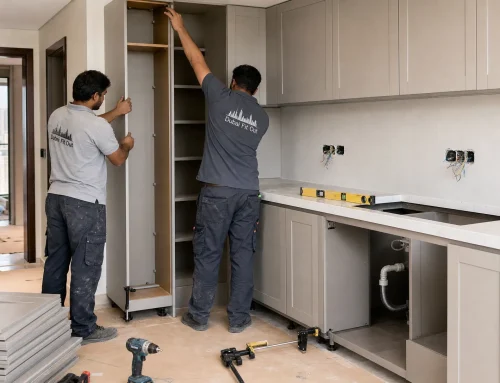
Working with one coordinated renovation team can also reduce mistakes. Interior design, fit-out, plumbing, carpentry, wooden flooring, and wall painting all affect each other. When these elements are planned together, the final home feels more cohesive and the renovation process is usually easier to manage.
Frequently Asked Questions
What is the biggest interior design trend for Dubai homes in 2026? Warm practical luxury is one of the strongest trends. Homeowners want refined spaces with natural textures, soft lighting, smart storage, and durable finishes rather than interiors that only look impressive in photos.
Do Dubai home renovations need approvals? Many renovations do, especially if they involve structural changes, plumbing, electrical work, wet areas, exterior changes, or work in managed buildings and villa communities. Always confirm requirements before starting.
Which renovation upgrades add the most value in Dubai homes? Kitchens, bathrooms, flooring, lighting, built-in storage, and well-planned living areas usually have the strongest impact on comfort and resale appeal. The best upgrade depends on the property type and condition.
How can I make a Dubai home stylish but easy to maintain? Choose durable flooring, washable paints, quality joinery, stain-resistant fabrics, large-format tiles, efficient storage, and finishes that suit the local climate. Avoid delicate materials in high-use areas unless you are ready for regular maintenance.
Should interior design and renovation be handled together? Yes, combining both helps the design look better and function properly. It ensures lighting, plumbing, carpentry, flooring, and finishes are coordinated instead of being treated as separate decisions.
Ready to update your Dubai home?
The best interior design and renovation trends are not about copying a showroom. They are about creating a home that fits your lifestyle, handles Dubai’s climate, and keeps its appeal over time.
Best Renovation provides residential and commercial renovation services in Dubai, including home renovation, villa renovation, kitchen remodeling, bathroom renovation, interior design, fit-out solutions, plumbing, carpentry, wooden flooring, and wall painting. If you are planning a stylish and functional upgrade, start with a clear design vision and a renovation team that can turn it into a space built for everyday living.