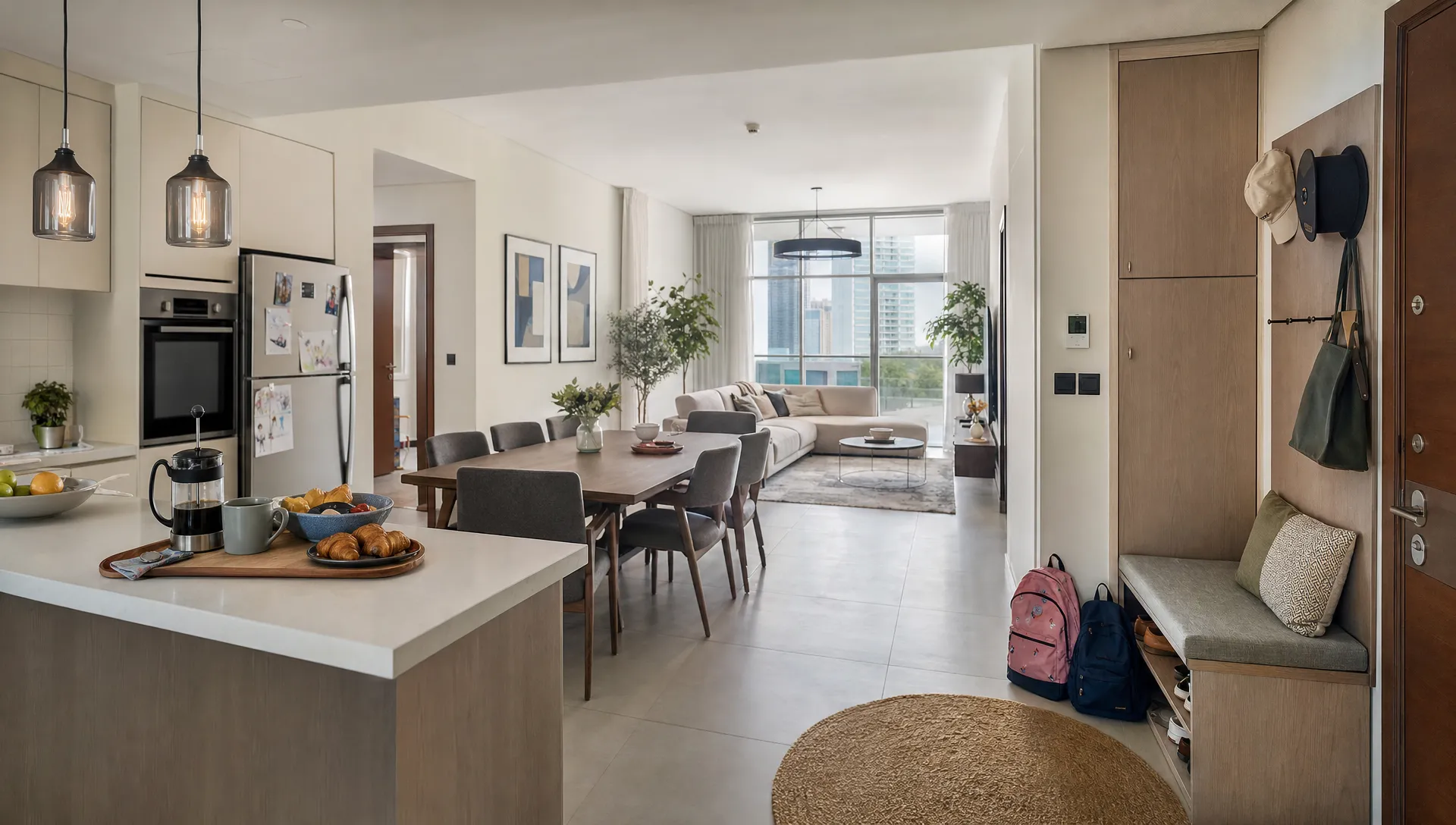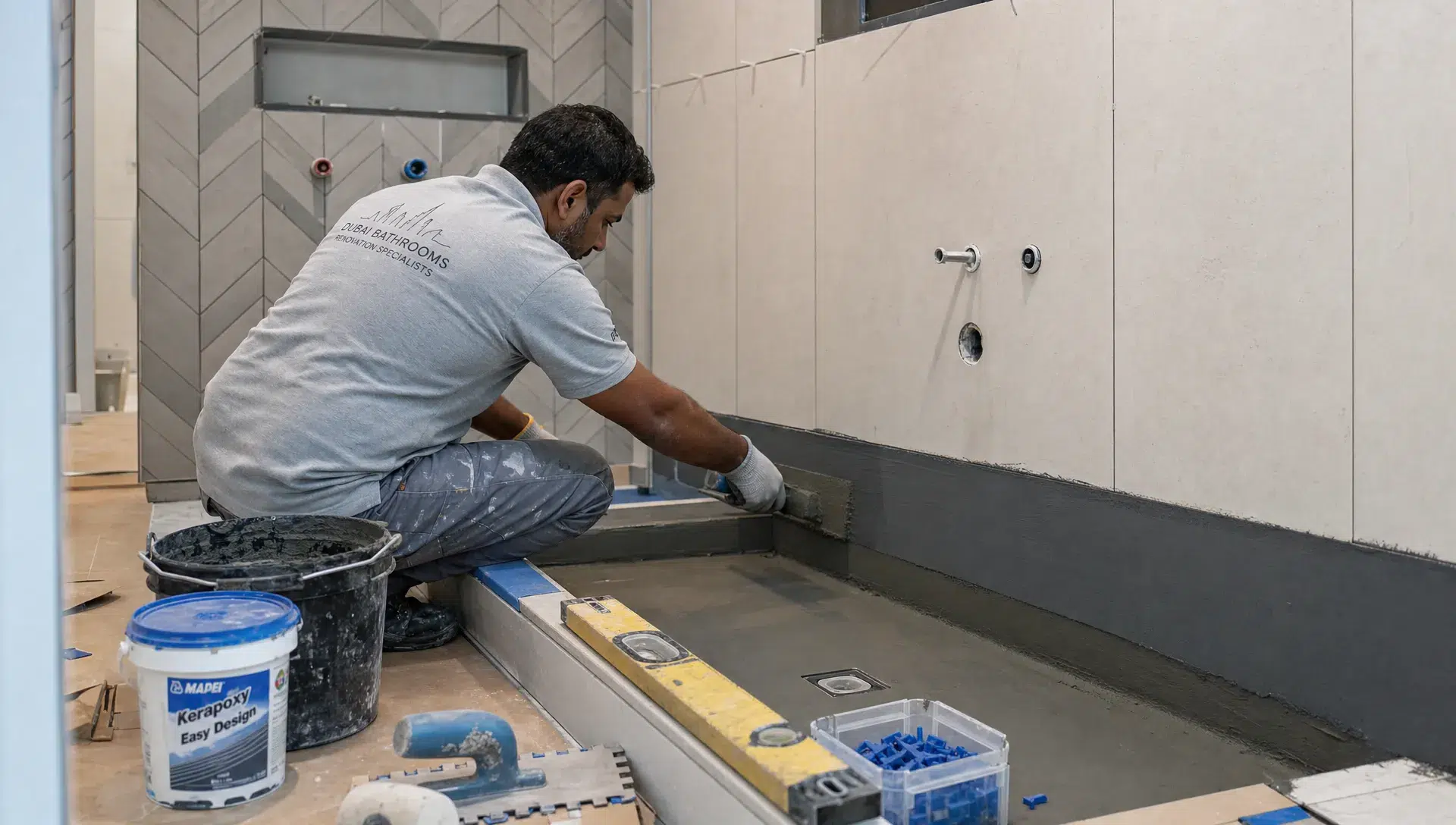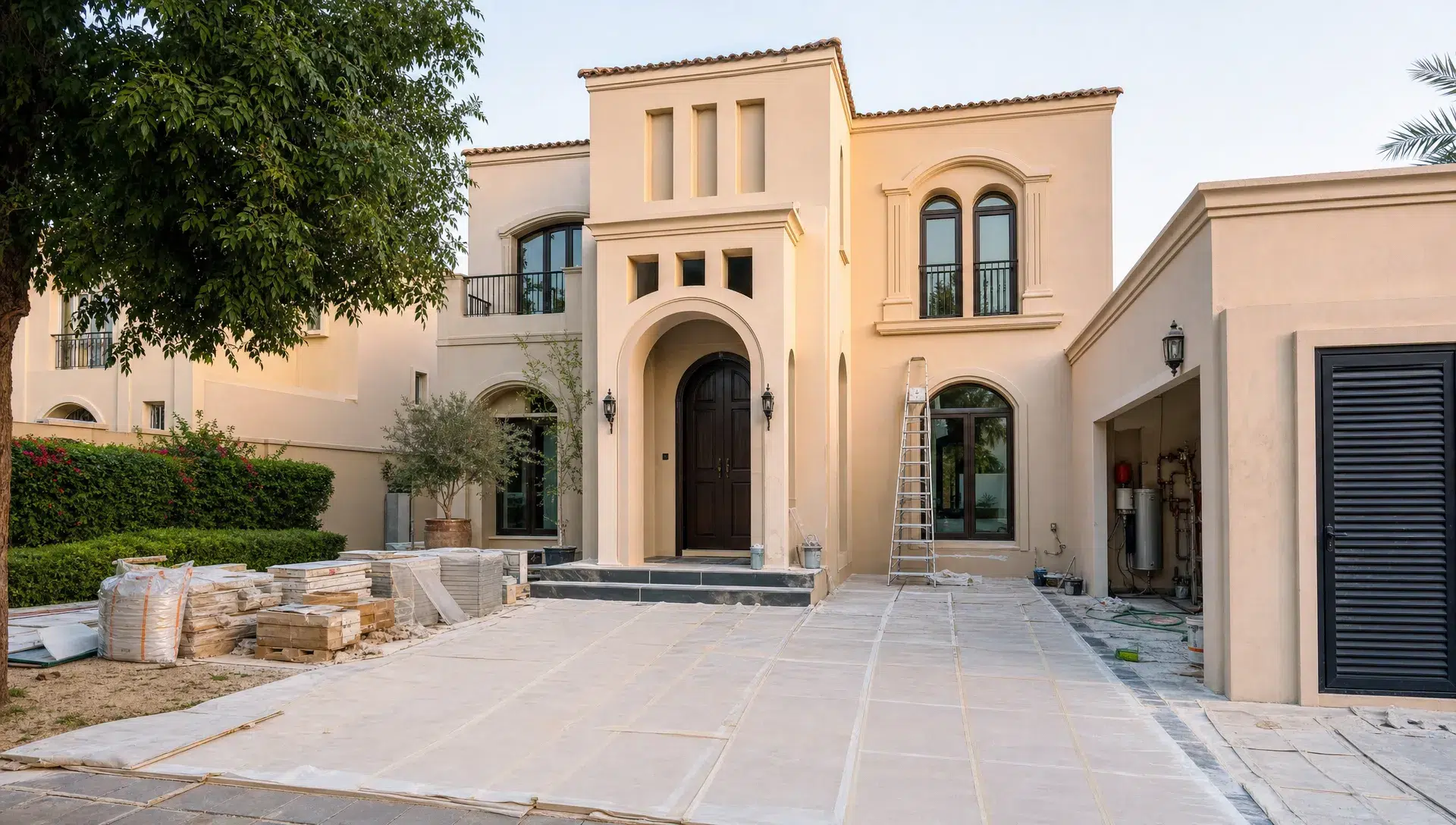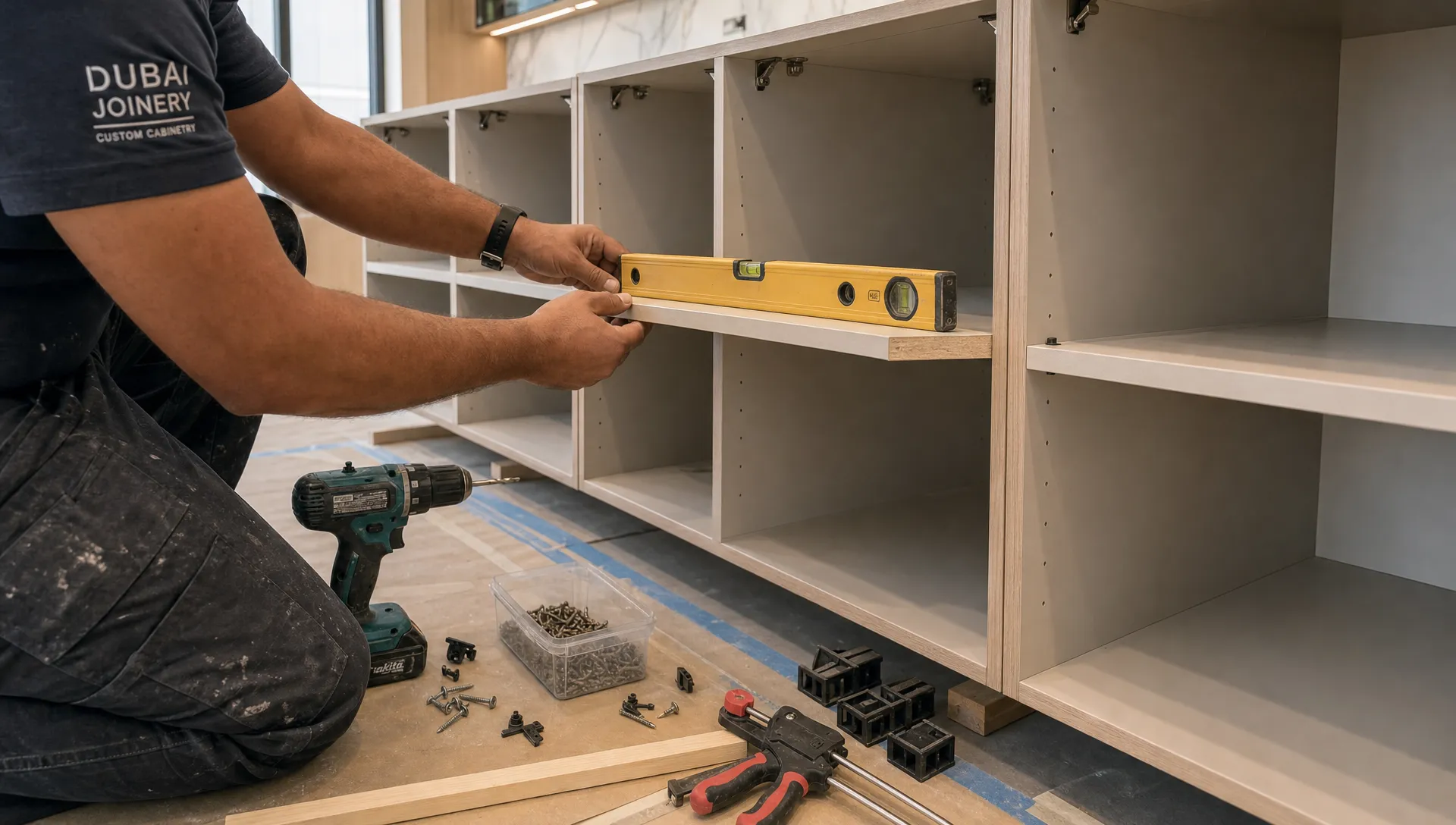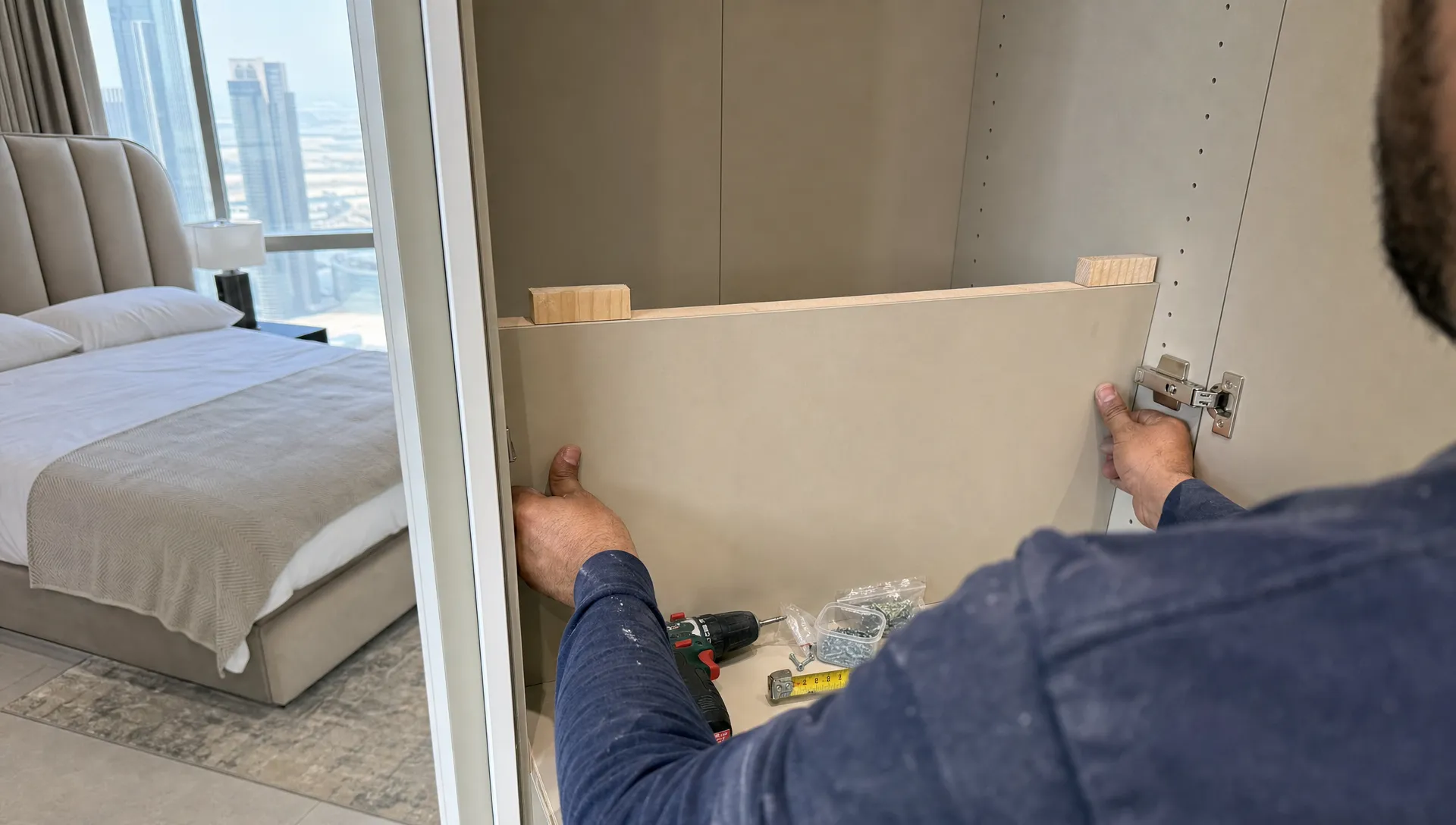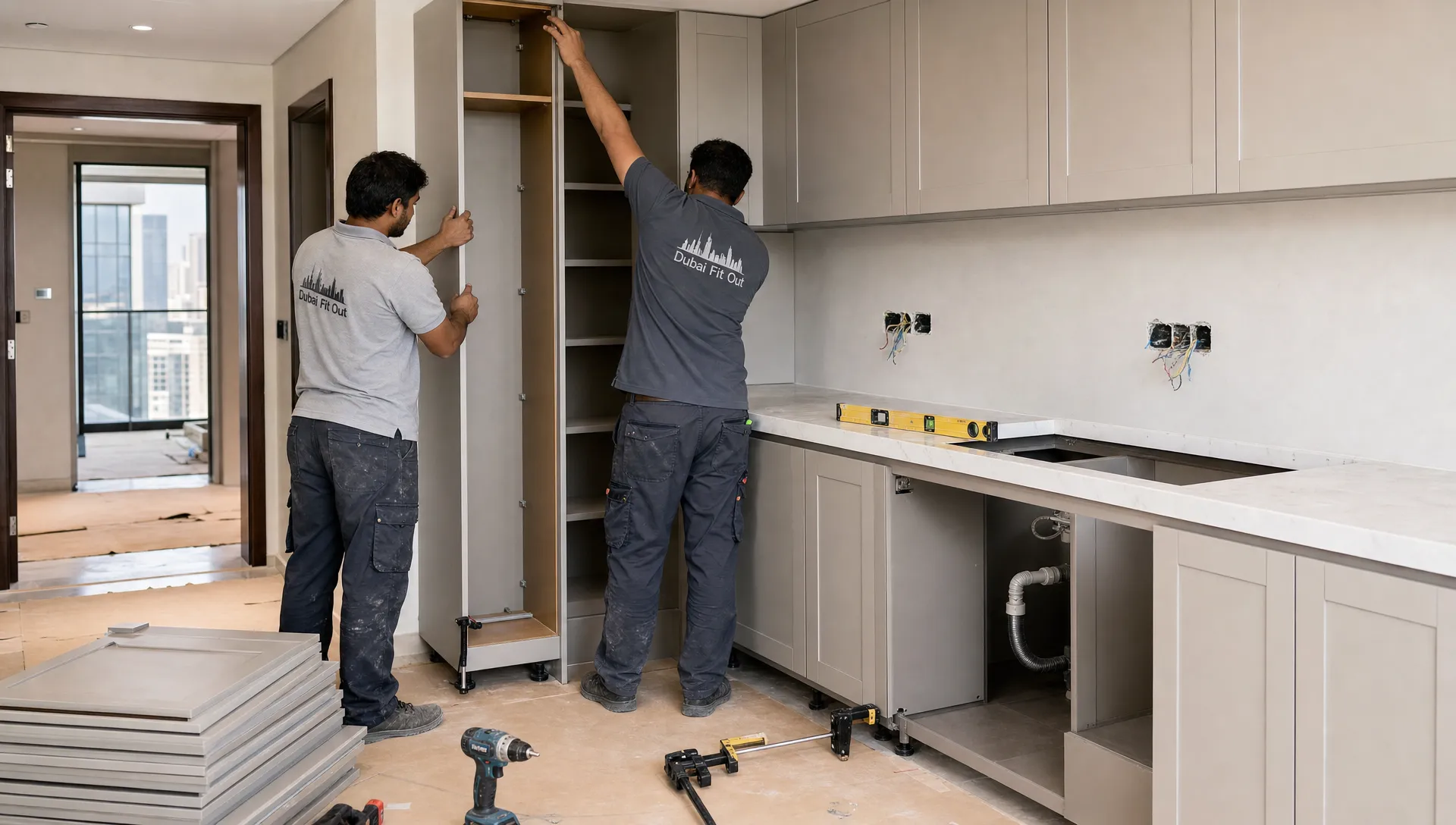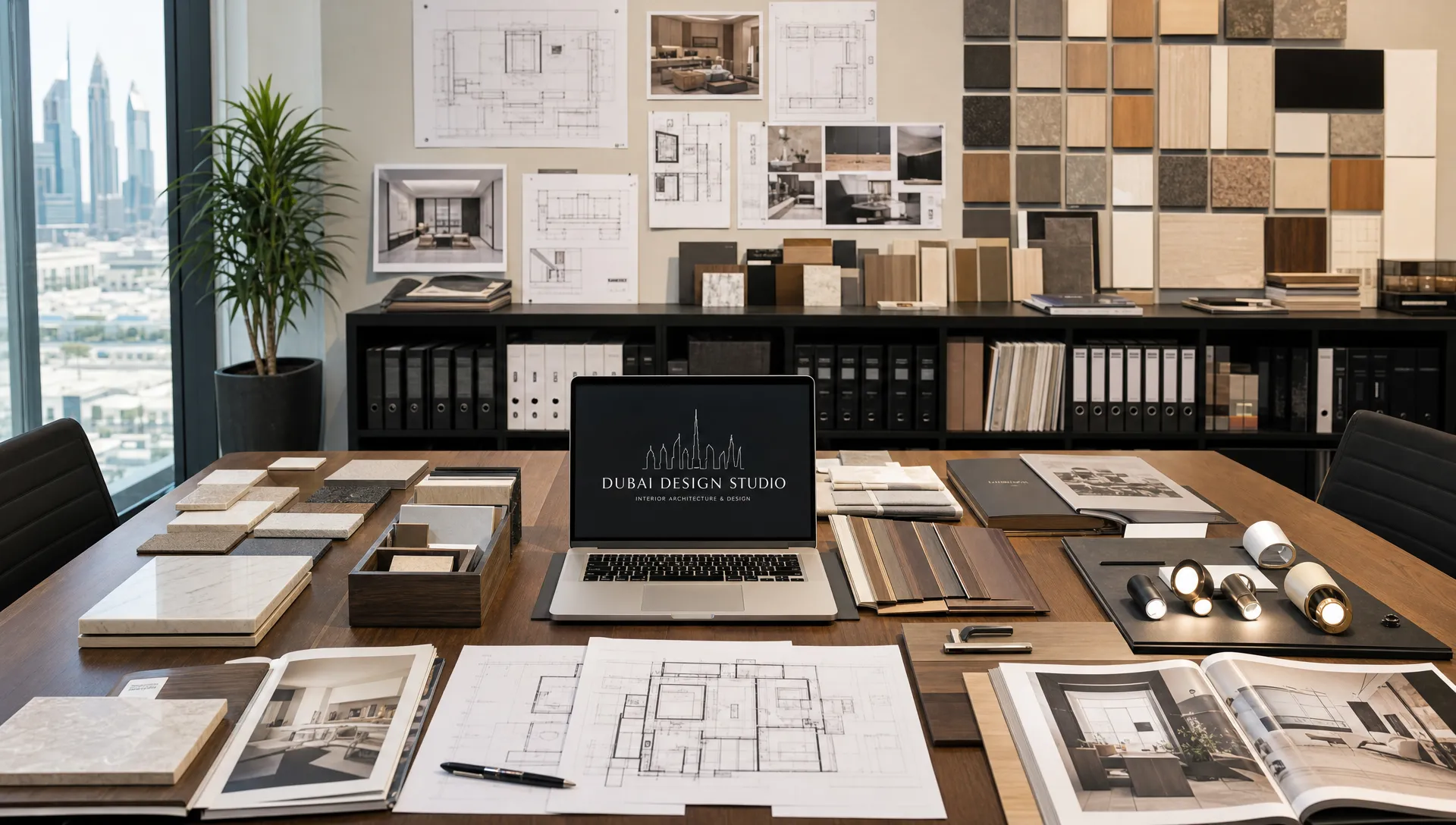
Choosing a designer for your home renovation is not just about finding someone with good taste. The right person turns vague ideas into a practical plan, helps you avoid expensive changes during construction and makes sure the finished space suits the way you actually live.
In Dubai, that decision matters even more. Apartments, villas and commercial spaces often involve building management requirements, community guidelines, landlord approvals or authority approvals depending on the scope. Materials also need to suit heat, humidity, air conditioning, dust and frequent indoor-outdoor living. A designer who understands these realities can make your renovation smoother from the first sketch to the final finish.
This guide explains how to choose a designer for home renovation with confidence, especially if you are planning work in Dubai.
Start with the renovation you actually need
Before contacting designers, define what success looks like. Many homeowners begin with inspiration photos, which are useful, but a renovation brief needs to go deeper than style.
Ask yourself how the home should function when the project is finished. Do you need more storage, better lighting, a larger kitchen, a quieter bedroom, a more durable rental property or a villa that feels more modern without losing warmth? A designer can help shape these ideas, but they need a clear starting point.
A strong brief should cover the rooms involved, your preferred style, pain points in the current layout, approximate budget range, timeline expectations and any must-keep items such as flooring, built-in wardrobes or existing appliances. If you are still exploring concepts, this article on home renovation and design ideas that work together can help you think about design and construction as one connected plan.
The more specific your brief, the easier it becomes to compare designers fairly. You will also avoid choosing someone based only on attractive visuals when your project really needs space planning, technical drawings or contractor coordination.
Understand which type of designer suits your project
Not every renovation needs the same type of design support. A small cosmetic update may only require finish selection and colour guidance, while a full villa renovation may need layout planning, custom joinery, lighting design, authority coordination and close collaboration with contractors.
Use the table below as a simple guide.
| Type of professional | Best suited for | What to clarify before hiring |
|---|---|---|
| Interior designer | Space planning, finishes, furniture, lighting and overall look | Whether they provide detailed drawings and site coordination |
| Interior architect | Layout changes, built-in elements and more technical interior work | Whether structural or authority-related items need other specialists |
| Design and renovation company | Projects where design and execution must stay closely aligned | What design deliverables are included before construction begins |
| Kitchen or bathroom designer | Specialist room upgrades with complex fittings and storage | Whether plumbing, waterproofing and installation are coordinated |
| Decorator or stylist | Furniture, accessories, colours and soft furnishings | Whether they handle renovation details or only decorative choices |
For many Dubai homeowners, the best fit is often a designer who can work closely with the renovation team. This reduces the gap between what looks good in a concept and what can be built properly within the available budget.
Review portfolios for more than style
A designer’s portfolio is the first place most people look, but it is easy to focus only on beautiful images. Instead, read the portfolio like a case study.
Look for projects that resemble your property type. A designer who mainly works on compact apartments may not be the best choice for a large villa with outdoor connections, double-height spaces and several bathrooms. Likewise, a designer who creates dramatic show homes may not be ideal if your priority is a low-maintenance family home.
Pay attention to practical details in the images. Good renovation design is visible in storage solutions, lighting layers, circulation, material transitions, kitchen workflow, bathroom layouts and how furniture fits the room. In Dubai homes, also look for how the designer handles natural light, privacy, air conditioning grilles, large windows and durable finishes.
It is reasonable to ask whether the photos show completed projects or 3D renders. Renders can be useful for visualising the concept, but completed projects reveal how well the designer’s ideas translate into real spaces.
Ask what deliverables are included
A common mistake is assuming every designer provides the same package. One proposal may include only mood boards and shopping guidance, while another includes layout plans, material schedules, lighting plans and coordination with contractors. Those are not the same service.
Before you compare fees, compare deliverables. Ask whether the designer provides concept boards, space plans, 3D visuals, technical drawings, furniture layouts, lighting plans, material selections, sanitaryware schedules, joinery drawings or site visits. You do not need every item for every project, but you should know exactly what you are paying for.
This matters because unclear design documentation can lead to confusion during execution. If the contractor receives only broad visual references, decisions may be made on site under pressure. That can affect quality, timeline and cost.
A good designer should also explain how revisions work. Find out how many concept revisions are included, how changes are documented and what happens if you change your mind after materials are ordered or construction begins.
Check local renovation experience in Dubai
Design talent is important, but local renovation experience can save you time and money. Dubai properties come with different rules depending on whether you are renovating an apartment, townhouse, villa or commercial space. Building management, developers, communities and landlords may all have requirements before work begins.
Your designer does not necessarily need to personally handle every approval, but they should understand that design decisions can affect approvals, timelines and execution. Moving plumbing, altering bathrooms, changing electrical points, modifying partitions or working in shared buildings can all require careful planning.
Ask how the designer has handled projects in similar communities or property types. You can also ask how they coordinate with contractors when approvals, access timings, service lifts, noise restrictions or material deliveries affect the work.
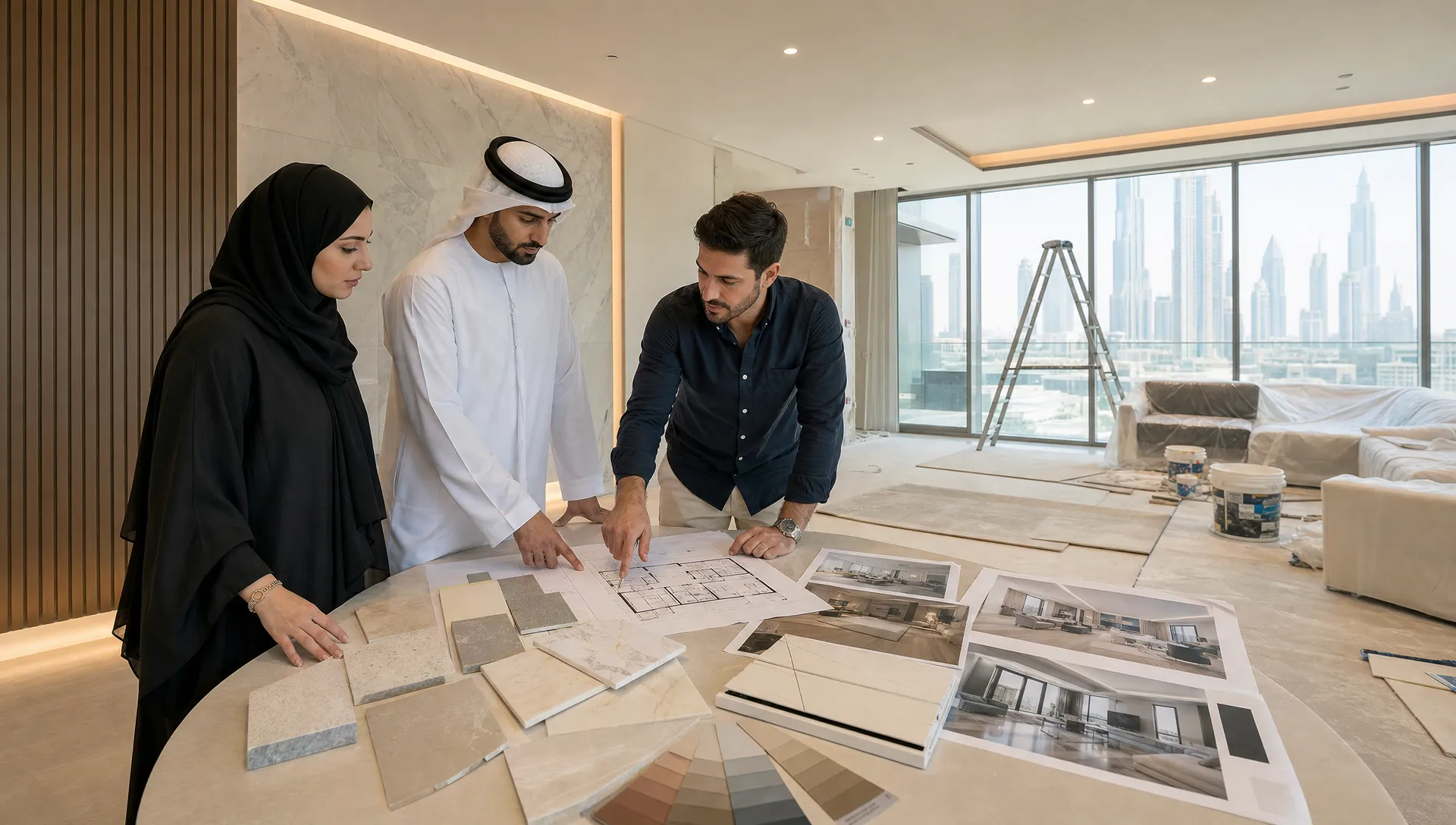
Make sure the designer respects your budget
A home renovation designer should not only create an attractive concept. They should help you make choices that match your budget. This is especially important when imported finishes, custom joinery, stone, lighting and sanitaryware can quickly push costs upward.
During early conversations, notice how the designer responds when you mention budget. A reliable designer will ask questions, explain trade-offs and help you prioritise. A poor fit may either ignore the budget or promise a premium look without explaining what it will cost to build.
Ask how they approach value engineering. This does not mean making the project cheap. It means protecting the design intent while adjusting specifications, phasing the work or choosing alternative materials where needed. For example, you may keep a statement kitchen island but choose a more practical countertop, or invest in bathroom waterproofing and fittings while simplifying decorative wall finishes.
The designer should also be comfortable working with the contractor to align drawings, materials and quotations. If you are still selecting the construction team, this guide on how to hire the best contractor for home renovation explains what to check on the execution side.
Evaluate communication style and decision-making process
Renovation involves dozens of decisions. Even a simple apartment refresh can include flooring, paint, lighting, curtains, sockets, switches, bathroom accessories, kitchen hardware and furniture placement. A designer who communicates clearly can reduce stress throughout the project.
During your first meetings, notice whether the designer listens carefully or pushes a signature style onto every space. Good designers guide the process, but they do not make your home feel like someone else’s showroom. They should ask about your daily routines, family needs, storage habits, cleaning preferences, pets, guests and how long you plan to live in the property.
You should also understand how communication will happen. Some clients prefer scheduled meetings, while others are comfortable with WhatsApp updates and shared files. What matters is that decisions are tracked clearly, especially when they affect cost or construction.
Useful questions to ask include:
- Who will be my main point of contact during the design phase?
- How often will we review progress?
- How are approvals and revisions recorded?
- How do you handle urgent site questions during construction?
- What information do you need from me before work starts?
If communication feels vague before you sign, it usually becomes more difficult once the project is active.
Look for technical awareness, not just visual taste
A renovation designer does not need to be a plumber, electrician or structural engineer, but they should understand how design choices affect technical work. Beautiful bathrooms need proper waterproofing and drainage. Stylish kitchens need ventilation, socket planning, safe appliance clearances and durable work surfaces. Feature lighting needs ceiling depth, wiring and maintenance access.
This is where many renovation problems begin. A designer may specify a wall-hung vanity without considering plumbing routes, or choose oversized tiles without thinking about slopes in a shower area. They may design a sleek ceiling feature that conflicts with air conditioning ducts.
Ask candidates how they coordinate technical details with contractors. If your project includes kitchen remodeling, bathroom renovation, villa renovation, carpentry, wooden flooring or wall painting, the designer should understand how each trade affects the final result. For larger or more complex projects, a company offering custom interior design and remodeling in Dubai may be useful because design and execution can be planned together.
Compare proposals carefully
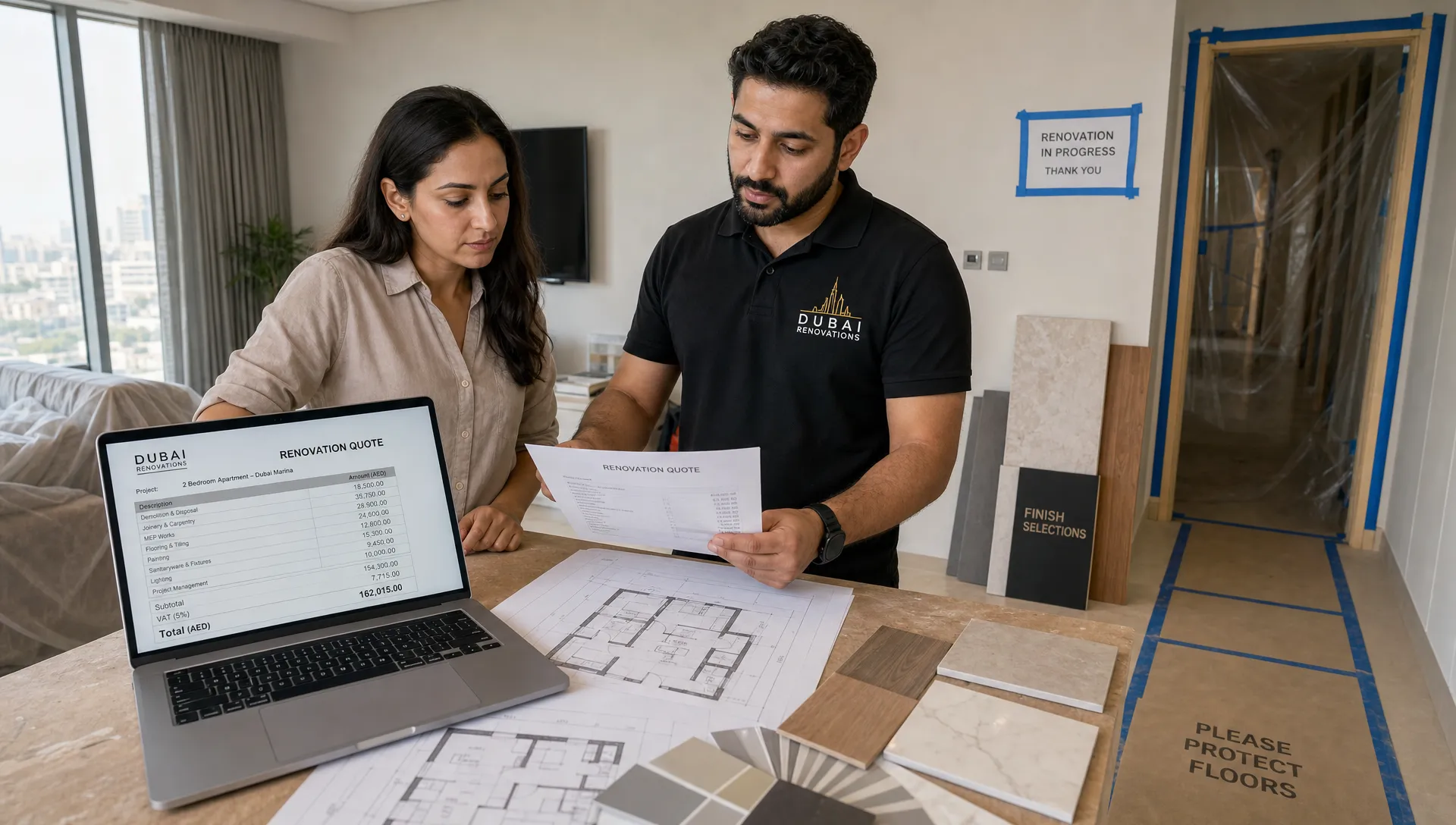
Once you shortlist two or three designers, request written proposals. Avoid choosing based on the lowest design fee alone. A cheaper proposal may exclude key drawings, site visits or revisions, which can cost more later through delays and mistakes.
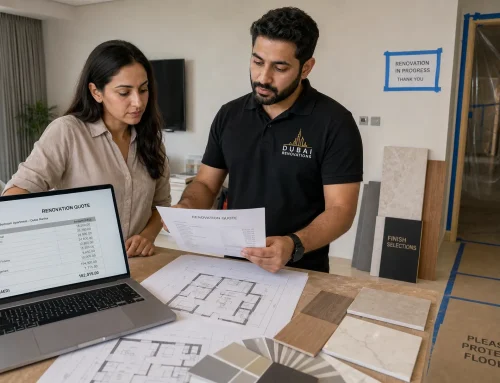
A clear proposal should explain the scope, design phases, deliverables, revision limits, estimated timeline, payment schedule and what is excluded. If procurement, contractor coordination or site supervision is included, the proposal should define what those terms mean.
Use a simple comparison scorecard like this:
| Evaluation point | What to look for | Why it matters |
|---|---|---|
| Relevant portfolio | Similar property type, scale and style | Shows practical experience with your kind of project |
| Clear deliverables | Drawings, visuals, schedules and revisions listed | Prevents confusion during construction |
| Budget approach | Practical advice and realistic material options | Helps control renovation costs |
| Local knowledge | Awareness of Dubai approvals and building conditions | Reduces avoidable delays |
| Communication | Clear process and defined contact person | Keeps decisions organised |
| Contractor coordination | Willingness to align design with execution | Improves build quality and timeline control |
The best choice is usually the designer who understands your goals, explains the process clearly and can produce a design that is buildable, not just impressive on paper.
Check references and completed work
References are still valuable, especially for larger renovations. Ask past clients about the designer’s reliability, response time, budget discipline and ability to solve problems during construction.
If possible, ask to see a completed project or at least detailed before-and-after examples. Finished work tells you more than a presentation deck. Look closely at alignment, joinery details, lighting quality, material combinations and whether the space feels practical.
You can also ask contractors who have worked with the designer about the clarity of drawings and responsiveness during site queries. A designer who is respected by contractors is often easier to work with, because their documentation and decisions support smooth execution.
Watch for red flags
Some warning signs are obvious, such as no written agreement or no relevant portfolio. Others are more subtle.
Be cautious if a designer avoids discussing budget, refuses to clarify deliverables, promises unrealistic timelines, gives only verbal pricing or cannot explain how their design will be built. Also be careful with anyone who pressures you to buy specific materials before the design is final, or who dismisses technical concerns raised by contractors.
Another red flag is a designer who focuses only on trends. Trends can inspire a project, but your home should still work for your lifestyle after the trend fades. In Dubai, durability, maintenance, cooling, storage and family use often matter as much as visual impact.
Put everything in writing
Once you select a designer, make sure the agreement is written clearly. It should include scope, deliverables, timeline, payment terms, revision policy, ownership or use of drawings, cancellation terms and responsibilities during construction.
If the designer will help select materials or coordinate with suppliers, clarify whether they receive commissions, charge procurement fees or simply provide recommendations. Transparency builds trust and prevents awkward conversations later.
If your designer and contractor are separate, define how they will communicate. Who answers site questions? Who approves substitutions? Who updates drawings if a change is needed? These details may sound administrative, but they can protect the design quality and reduce delays.
Frequently Asked Questions
What is the difference between a designer and a renovation contractor? A designer plans the look, layout, materials and user experience of the space. A renovation contractor executes the work through trades such as carpentry, plumbing, painting, flooring and installation. Some renovation companies provide both design and execution support.
How early should I hire a designer for a home renovation? Hire a designer before major quotations or construction decisions are made. Early design input helps define the scope, prevent layout mistakes and make contractor pricing more accurate.
Do I need a designer for a small renovation? Not always. For simple repainting or minor repairs, a contractor may be enough. For kitchens, bathrooms, layout changes, custom joinery or full home upgrades, a designer can help avoid costly design and coordination mistakes.
How do I know if a designer understands my style? Review their portfolio, share reference images and listen to how they interpret your preferences. The right designer should explain what works, what needs adjustment and how your style can fit your home’s layout, budget and daily use.
Should I choose the designer before the contractor? For design-led renovations, choosing a designer first can help clarify the scope before construction pricing. For projects where execution complexity is high, you may benefit from selecting a renovation company that can coordinate design and contracting together.
Plan your renovation with the right design support
Choosing a designer for your home renovation is about trust, clarity and buildable ideas. Look for someone who understands your lifestyle, respects your budget, documents decisions properly and can coordinate with the people who will bring the design to life.
If you are planning a home, villa, kitchen or bathroom renovation in Dubai, Best Renovation provides renovation, interior design, fit-out, carpentry, plumbing, wooden flooring and wall painting services for residential and commercial spaces. To discuss your project, visit Best Renovation and start with a clear brief for the space you want to create.