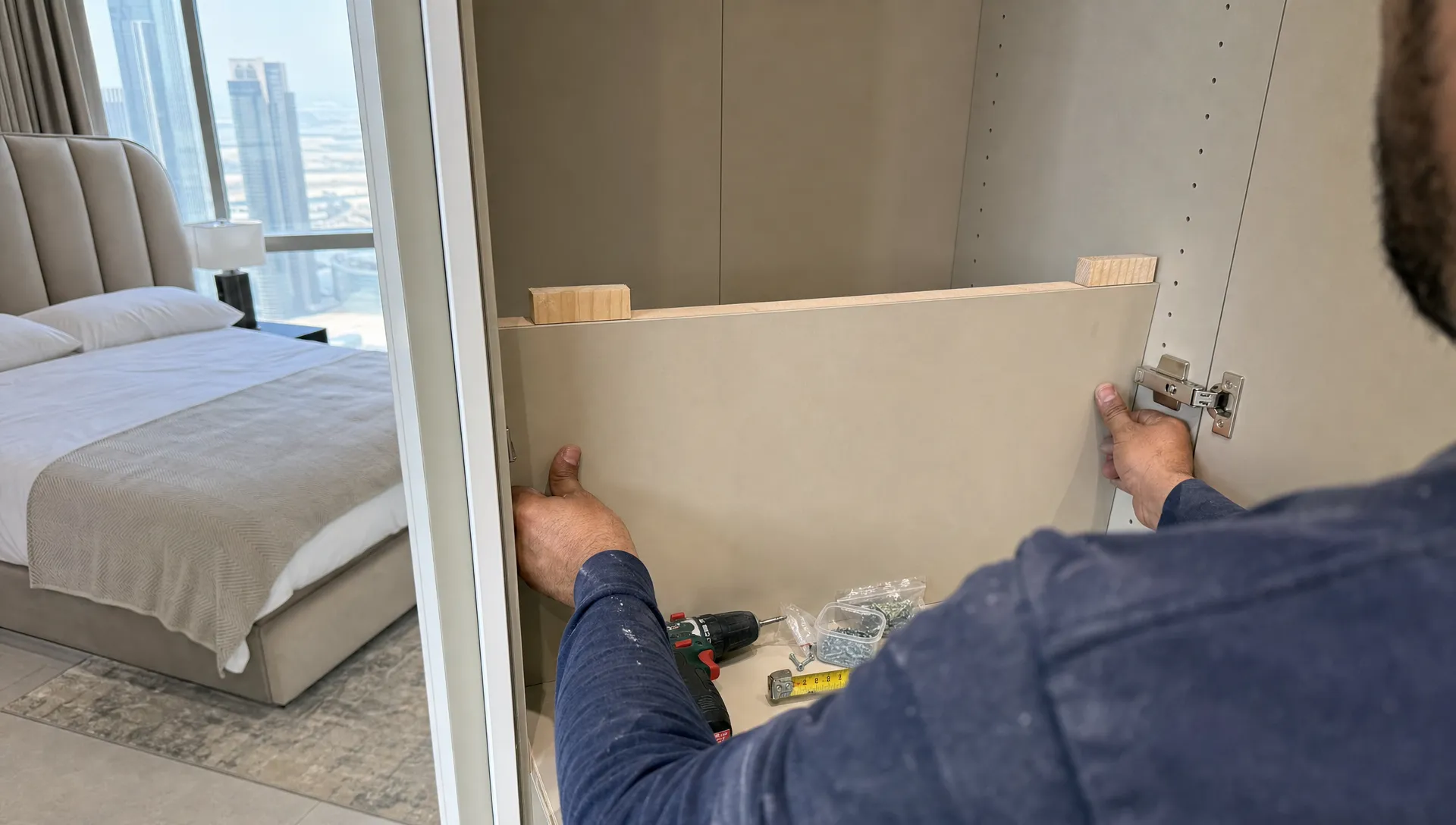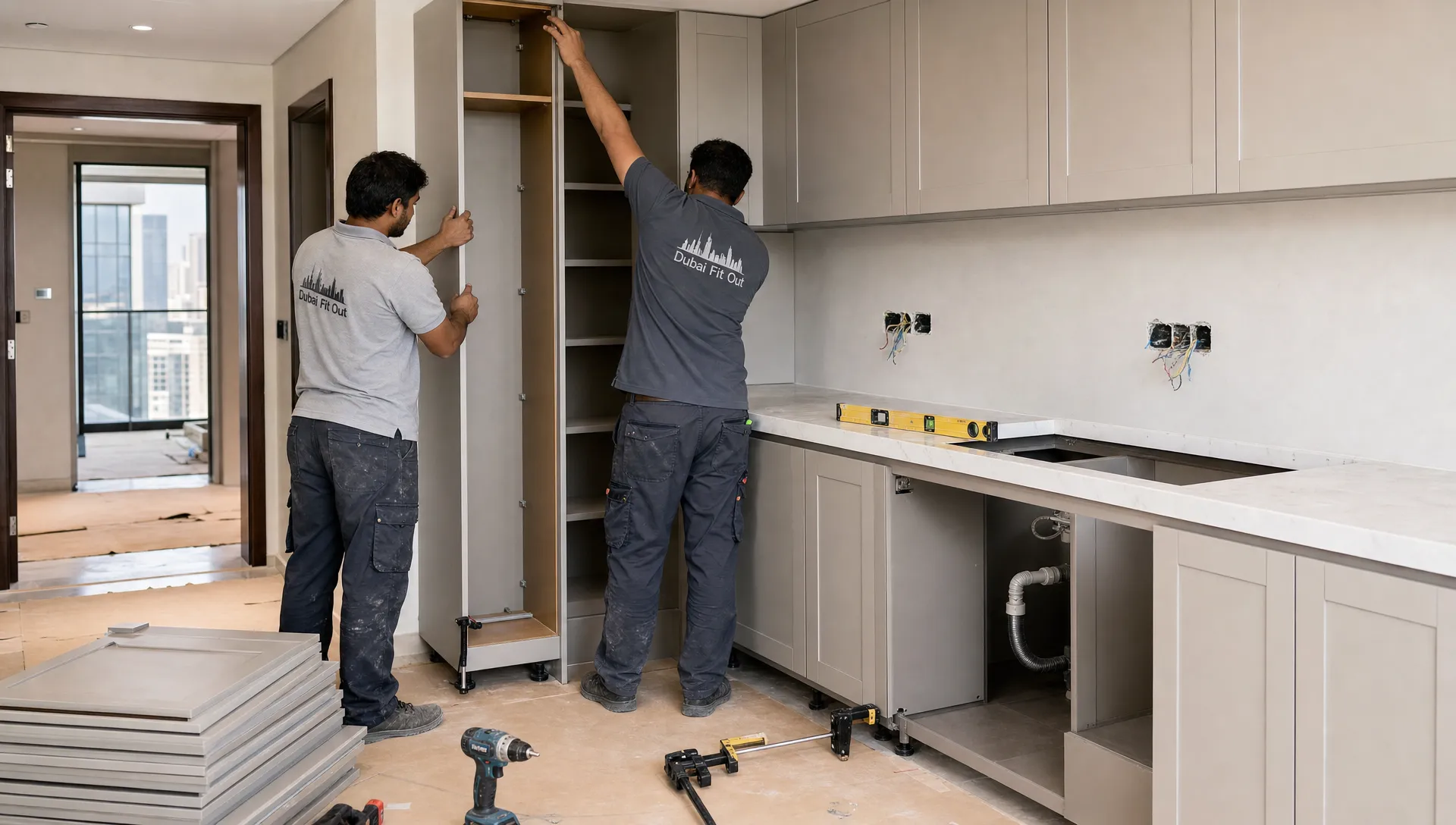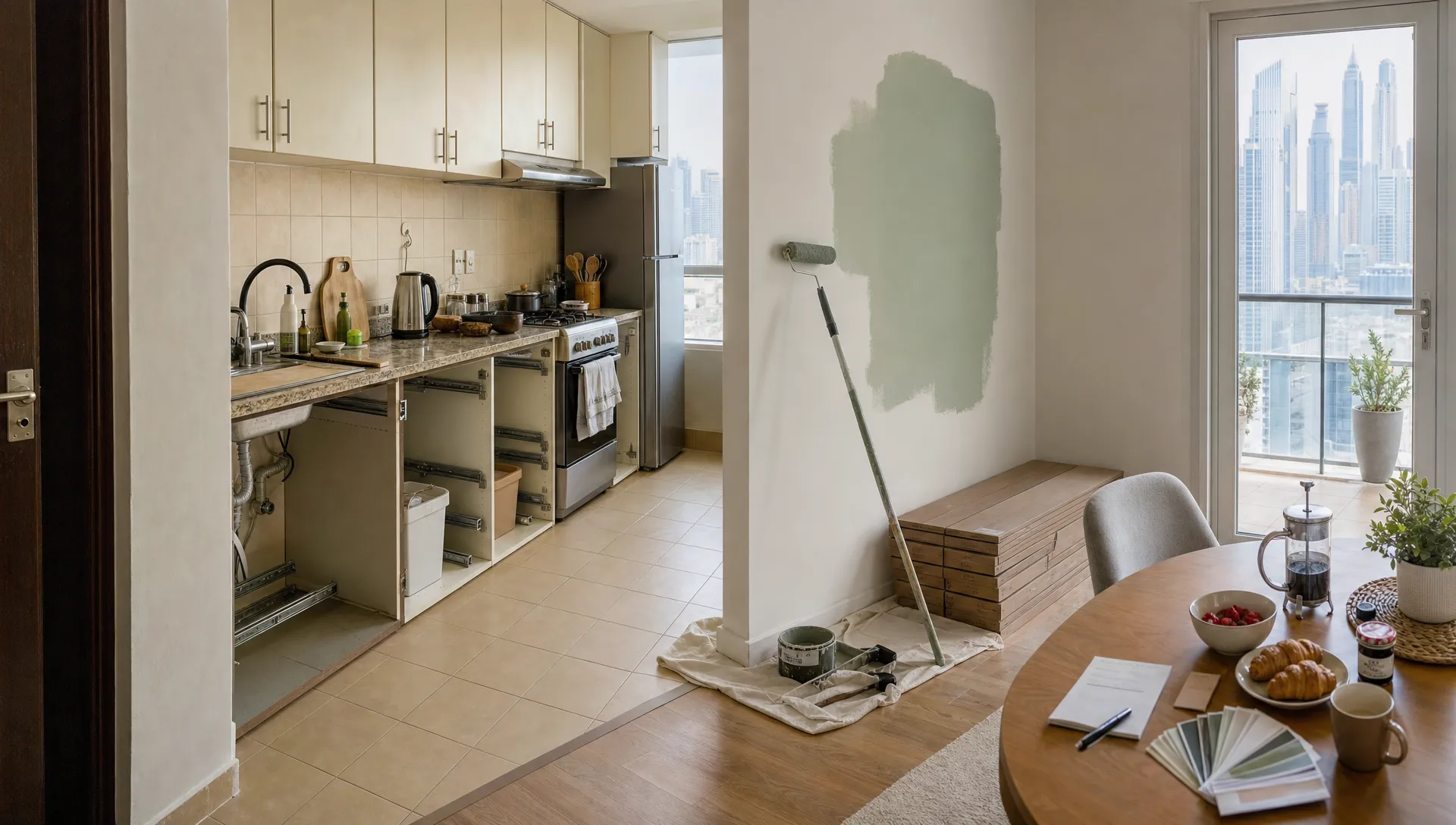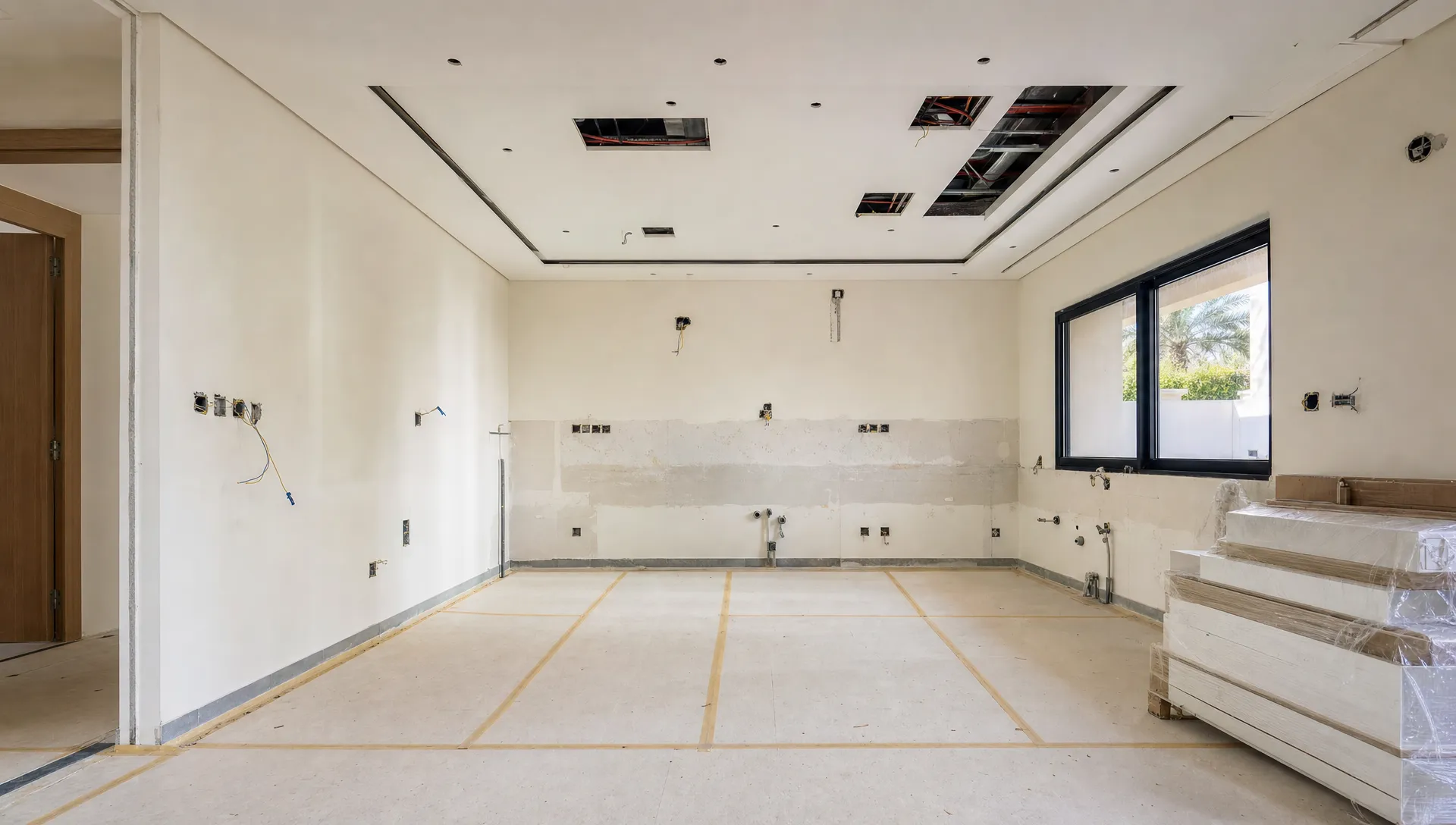
Compact renovation projects look simple from the outside. A bathroom refresh, a kitchen cabinet upgrade, a new partition, a flooring replacement or a small office fit-out can feel like work that should be finished quickly with minimal planning. In practice, these jobs often require the same discipline as larger renovations, only compressed into a smaller space and a tighter timeline.
That is where small renovation contractors become valuable. They know how to plan, coordinate and finish compact projects without turning a limited scope into a stressful experience. In Dubai, where many apartments, villas and commercial units have access rules, community guidelines and approval requirements, this practical experience can make a major difference.
Why Compact Projects Need Careful Management
Small does not always mean easy. A compact renovation usually has less room for error because each trade works close to the others. If the plumber arrives before demolition is complete or flooring materials are delayed by two days, the entire schedule can shift.
The space itself also creates challenges. In an apartment kitchen or bathroom, there may be limited storage for materials, restricted lift access and strict noise rules from the building management. In a villa, even a small project can affect daily routines if the work area is near bedrooms, living spaces or the main entrance.
Good contractors treat compact projects as structured jobs, not casual handyman tasks. They define the scope, inspect the site, plan access, schedule trades and protect the surrounding areas before starting. This is the difference between a quick upgrade that feels smooth and a small project that drags on because no one clarified the details.
What Counts as a Compact Renovation Project?
Compact projects are usually focused upgrades rather than full-property transformations. They often involve one room, one functional area or a defined set of improvements. Common examples include:
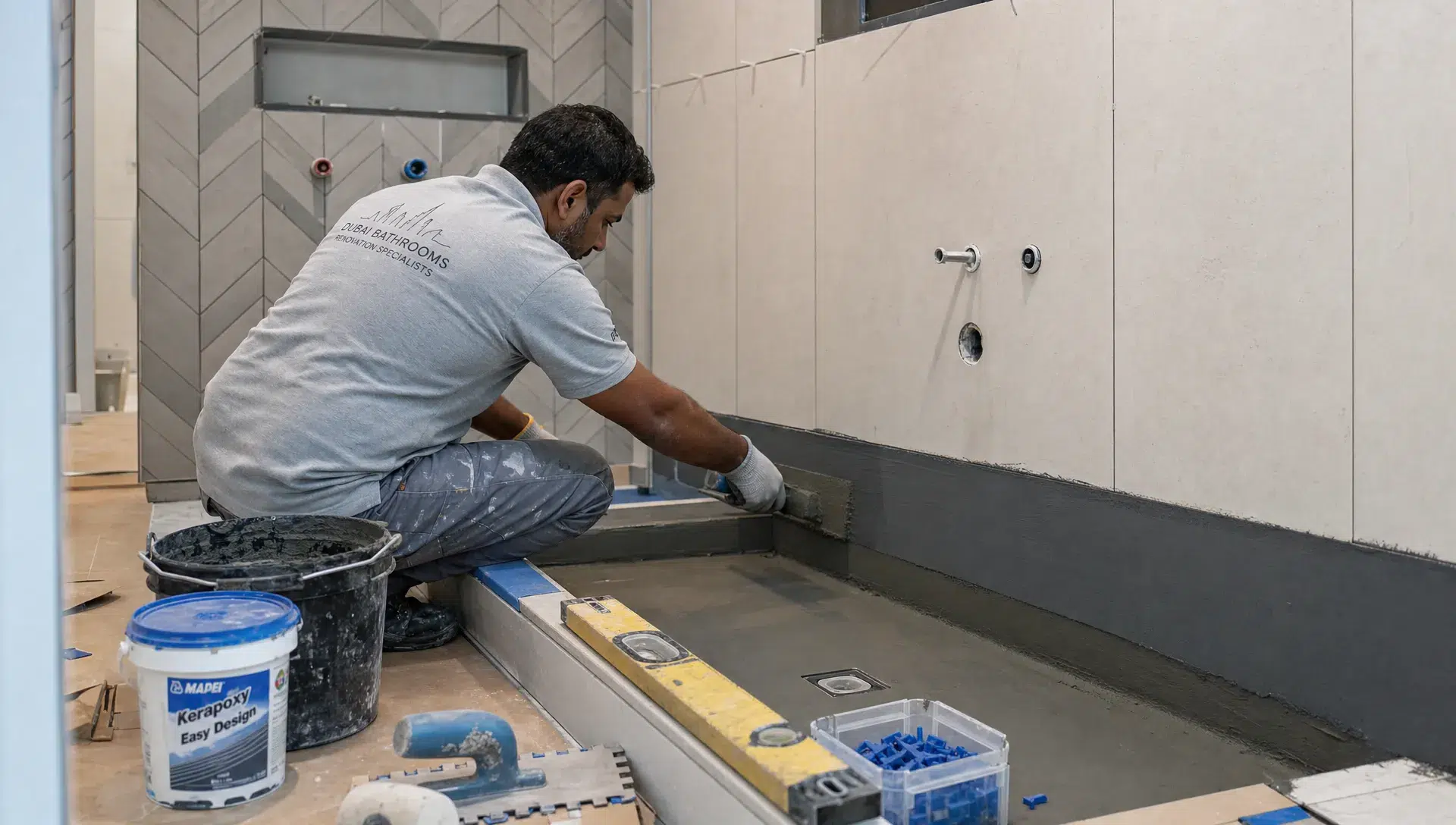
- Bathroom fixture replacement, tiling or vanity upgrades
- Kitchen cabinet refinishing, countertop replacement or layout tweaks
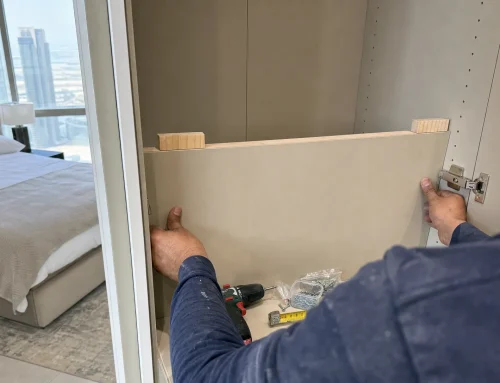
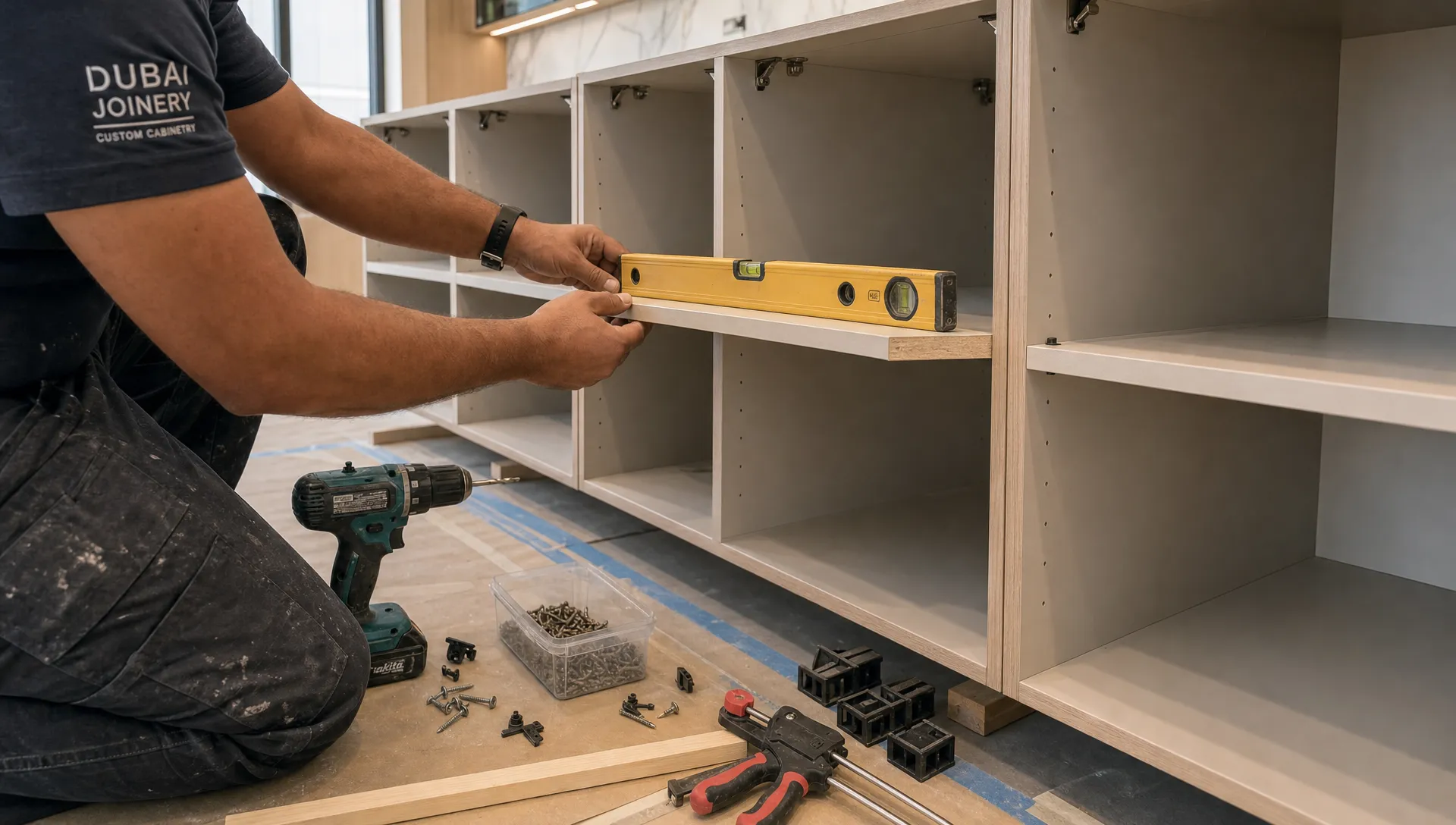
- Built-in wardrobes, storage units or custom carpentry
- Wooden flooring installation in selected rooms
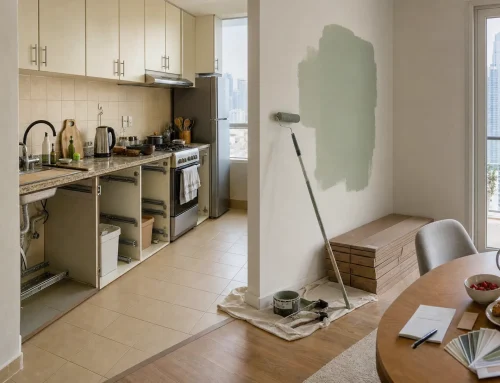
- Wall painting, feature walls or minor ceiling works
- Plumbing repairs connected to a renovation scope
- Small office partitions, reception upgrades or fit-out adjustments
These projects may be limited in size but they still involve design decisions, material selection, measurements and workmanship standards. If the job includes plumbing, electrical changes or structural adjustments, the planning becomes even more important.
How Small Renovation Contractors Start the Process
A reliable contractor begins with a clear conversation about what the client wants to change and why. This first step is not only about taking measurements. It is about understanding how the space is used, what problems need solving and what finish level the client expects.
For example, a compact kitchen project may be driven by poor storage, outdated cabinets or damaged worktops. A bathroom renovation may be about waterproofing, easier cleaning or a more modern look. When the contractor understands the reason behind the project, the final proposal is more practical.
This early stage usually includes a site visit, photos, measurements and a discussion about budget expectations. The contractor should also flag possible constraints, such as hidden plumbing lines, old tile removal risks, building access rules or long lead times for custom materials.
If you are still comparing options, a structured home renovation contractors checklist can help you review quotations, scope details and contractor responsibilities before work begins.
Scope Control: The Key to Small Project Success
Scope control matters even more in compact jobs because many delays come from unclear expectations. A client may assume that wall painting includes crack repair, that cabinet installation includes new lighting or that tile replacement includes waterproofing. If these details are not written into the quotation, disagreements can happen later.
Professional small renovation contractors usually break the work into specific items. Instead of writing “renovate bathroom,” they identify demolition, waterproofing, tile installation, plumbing points, sanitaryware installation, vanity fitting, painting and final cleaning. This clarity protects both the client and the contractor.
A strong scope should answer several questions before work starts:
- Which areas are included and excluded?
- Who is responsible for buying materials?
- What brands, finishes or specifications have been selected?
- Are approvals, NOCs or building permissions needed?
- What happens if hidden damage is discovered?
- How will waste removal and cleaning be handled?
This level of detail may feel formal for a small job, but it prevents confusion once the site is active.
How Contractors Plan Around Dubai Building Rules
In Dubai, compact renovation projects can still require coordination with building management, community managers or relevant authorities depending on the property type and scope. A simple painting job may not need much paperwork, but plumbing modifications, electrical changes, bathroom alterations, flooring replacement or fit-out work may require permission from the building or community.
Contractors usually check the property rules before scheduling work. This can include permitted working hours, lift booking, service elevator use, loading areas, waste disposal requirements and noise restrictions. For apartment projects, protecting common areas is often mandatory. For villa communities, access passes and gate permissions may be needed.
A contractor who understands these requirements can prevent avoidable delays. Even a one-day delay in access approval can disrupt material delivery, labor allocation and client expectations.
| Compact project factor | Why it matters | What a good contractor does |
|---|---|---|
| Building access | Materials and workers need approved entry | Confirms gate passes, lift booking and loading rules |
| Noise control | Drilling and demolition may be restricted | Schedules noisy work during permitted hours |
| Waste removal | Debris cannot be left in common areas | Plans disposal bags, collection and site cleaning |
| Trade sequencing | Small rooms cannot fit many workers at once | Staggers carpentry, plumbing, tiling and painting |
| Material timing | Delays can stop the whole project | Orders key materials before demolition begins |
Material Selection for Small Spaces
Material choices have a bigger visual impact in compact areas. A large-format tile can make a small bathroom feel calmer, but it needs careful cutting and alignment. Light-colored cabinetry can brighten a tight kitchen, while the wrong handle style can make drawers difficult to use. Wooden flooring can warm up a small bedroom, but the contractor must account for skirting, door clearance and expansion gaps.
Experienced contractors guide clients toward materials that suit the space, not only the mood board. They consider durability, maintenance, installation method, humidity, cleaning habits and daily use. In Dubai homes, bathrooms and kitchens also need materials that cope well with moisture, AC use and frequent cleaning.
For homeowners renovating compact apartments or smaller villa rooms, it can help to explore ideas for interior remodeling services that maximize small spaces before finalizing layouts and finishes.
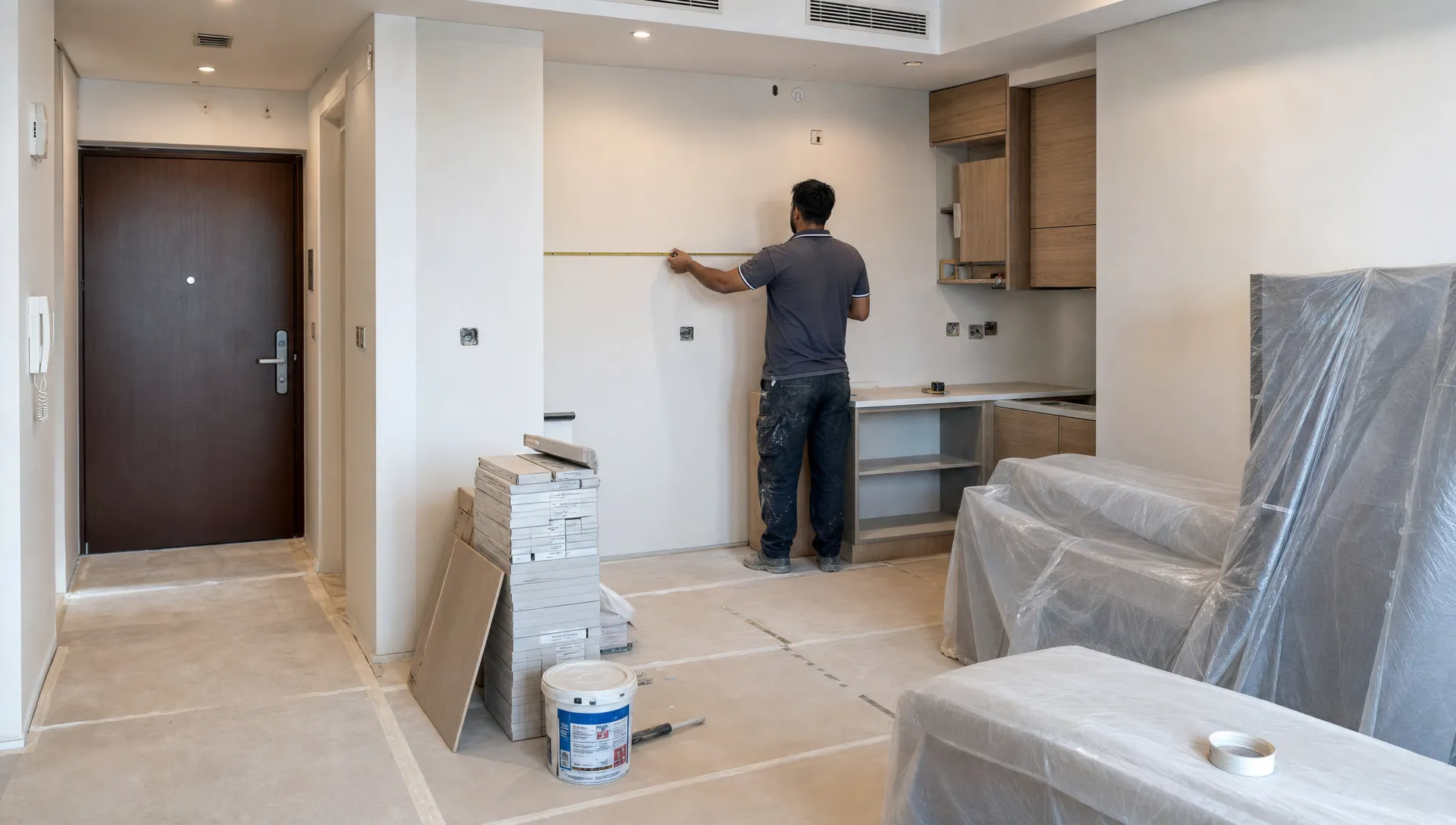
How Small Renovation Contractors Schedule Trades
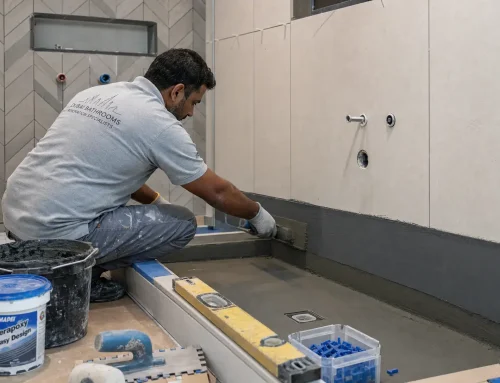
Trade scheduling is one of the main reasons clients hire contractors instead of managing workers separately. A compact bathroom, for example, may involve demolition, plumbing, waterproofing, tiling, ceiling repair, electrical fittings, sanitaryware installation and painting. These tasks cannot happen randomly.
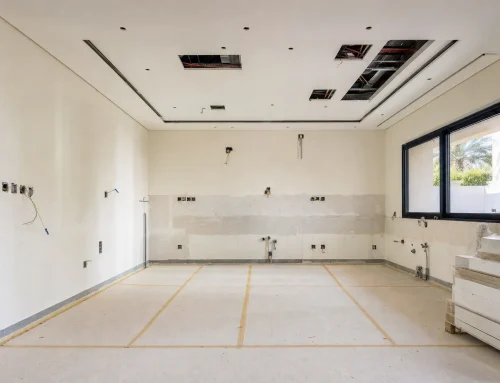
A sensible sequence might begin with site protection and demolition, followed by plumbing or electrical rough-in work. Waterproofing comes before tiling, then grout curing, fixture installation, painting, sealant application and final inspection. If one step is rushed, the finished result may look fine at first but fail later.
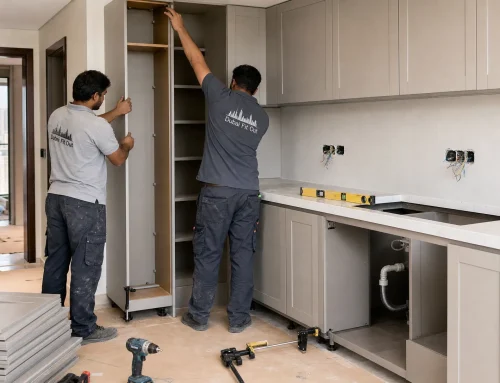
In small spaces, contractors also need to limit worker overlap. Too many people in one bathroom or kitchen can slow the work down, increase damage risk and make quality control harder. A compact project often moves faster when each trade has a clean, prepared area and a clear task.
Protecting the Rest of the Home or Office
One of the biggest concerns with small renovation work is disruption. The project may be limited to one room, but dust, noise and foot traffic can affect the rest of the property. This is especially true in occupied homes, apartments and operating commercial spaces.
Professional contractors usually create a protection plan before work begins. Floors may be covered, furniture moved or wrapped and doorways sealed where practical. Tools and materials should be stored neatly so the work area does not spread across the property.
Good site habits include daily cleaning, controlled debris removal, safe cable placement and clear communication about water or power interruptions. These details do not always appear glamorous in renovation photos, but they are what make a compact project livable while work is underway.
Budgeting for Compact Renovations
A small renovation can still involve fixed costs that do not shrink much with project size. Transport, supervision, specialist labor, waste removal and minimum labor charges may apply whether the job is large or compact. This is why clients sometimes receive quotations that seem high for “just one room.”
The best way to understand the price is to review what is included. A detailed quotation should separate labor, materials, demolition, disposal, protection, installation and finishing where possible. If one quote is much lower than the others, check whether it excludes waterproofing, surface preparation, primer, accessories, delivery or final cleanup.
Compact projects also benefit from a realistic contingency. Hidden pipe damage, uneven walls, old adhesive removal or electrical corrections can affect cost once work starts. A transparent contractor will explain these possibilities before demolition rather than surprising the client later.
Communication During a Small Renovation
Short projects need fast, clear communication. On a large renovation, there may be weekly meetings and longer decision windows. On a compact project, a delayed answer about tile layout or handle placement can stop work the same day.
Good contractors keep communication practical. They confirm start dates, delivery timing, daily work activities and any decisions needed from the client. Photos and brief updates are useful, especially if the client is not on-site during working hours.
Clients can also help by approving materials early, making the work area accessible and responding quickly to questions. If a project is in an occupied home, it is useful to agree on daily start times, parking access and whether workers can use certain facilities.
For more detail on timing risks, the guide on how to manage a contractor renovation without delays explains common causes of schedule disruption in Dubai projects.
Quality Control in Compact Projects
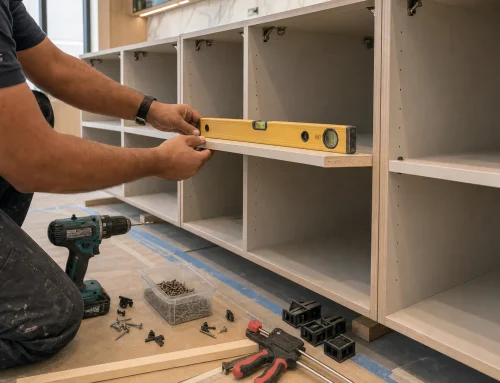
Small jobs should still have a proper quality check before handover. The contractor should inspect alignment, finishing, sealant lines, paint coverage, door movement, plumbing connections, drainage and electrical fittings where relevant. In a bathroom, water testing and slope checks matter. In a kitchen, cabinet levels, hinges, drawer movement and countertop joints need attention.
A snag list is useful even for compact work. It gives both sides a written record of minor items to complete, such as touch-up paint, silicone correction, handle adjustment or cleaning marks. The final payment should be connected to agreed completion terms, not just the fact that workers have left the site.
Quality control also includes explaining maintenance. Clients should know how long to wait before using a shower after sealant application, how to clean new surfaces and what products to avoid on wood, stone or specialty finishes.
Small Contractor or Larger Renovation Company?
The right choice depends on the scope, risk level and amount of coordination required. A small contractor may be suitable for focused tasks when the work is simple and well defined. A specialist renovation company is often more appropriate when the project involves multiple trades, design input, approvals, custom carpentry or several rooms.
For example, repainting one room and replacing a few shelves may be manageable with a small team. Renovating a bathroom with plumbing, waterproofing, tiling, electrical fittings and custom vanity work requires tighter coordination. Compact does not always mean basic.
Before hiring, ask who will supervise the site, whether the workers are experienced in similar projects, how changes are priced and what warranty or defect support is offered. You should also confirm that the contractor understands Dubai property access rules and any community requirements.
Signs a Contractor Is Well Suited to Compact Projects
Some contractors are better at large-scale renovations than small, detailed jobs. Others are excellent at compact projects because they work efficiently, communicate clearly and understand how to reduce disruption.
Look for these signs during the selection process:
- The contractor asks detailed questions before quoting
- The quotation clearly lists inclusions and exclusions
- Measurements are taken carefully during the site visit
- The team discusses access, protection and waste removal
- Materials and finishes are confirmed before the start date
- The schedule shows a logical order of work
- The contractor is honest about limits, risks and possible delays
A contractor who rushes the survey or gives a vague lump-sum price may still complete the work, but the risk of misunderstandings is higher.
Frequently Asked Questions
Do small renovation contractors need approvals in Dubai? It depends on the project type, property and building rules. Cosmetic work may be simple, but plumbing, electrical, flooring, bathroom and fit-out changes often require building management approval or an NOC.
How long does a compact renovation project take? Simple painting or carpentry work may take a few days, while bathroom, kitchen or flooring projects can take longer due to demolition, curing time, material delivery and trade sequencing.
Are small renovation projects cheaper to manage myself? Not always. Managing separate workers can save on coordination fees, but mistakes, delays and rework can cost more. A contractor is useful when several trades must work in sequence.
What should I check before accepting a quotation? Check the scope, materials, exclusions, timeline, payment terms, site protection, waste removal and who handles approvals. A clear quote is usually safer than a vague low price.
Can compact renovations improve property value? Yes, focused upgrades to kitchens, bathrooms, flooring, storage and paintwork can improve usability and presentation. The impact depends on workmanship, material quality and how well the upgrade suits the property.
Plan a Compact Renovation With Less Stress
Small renovation contractors handle compact projects best when they combine careful planning with clean execution. The work may be limited in size, but the process still needs proper scope definition, trade coordination, site protection and quality checks.
If you are planning a home, villa, kitchen, bathroom or interior upgrade in Dubai, Best Renovation provides renovation, remodeling, fit-out, carpentry, plumbing, wooden flooring and wall painting services for residential and commercial spaces. To discuss your project, visit Best Renovation and share the details of the space you want to improve.