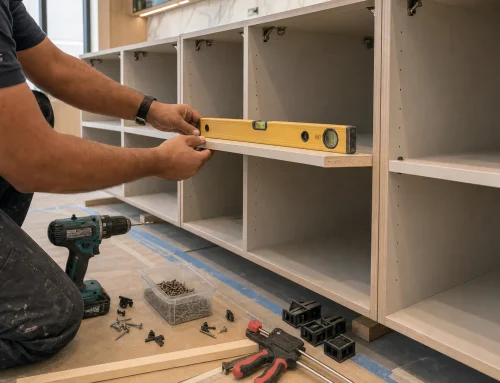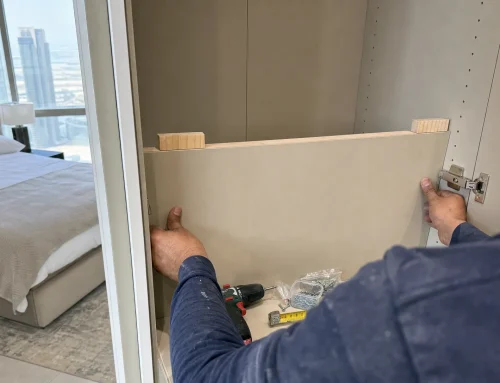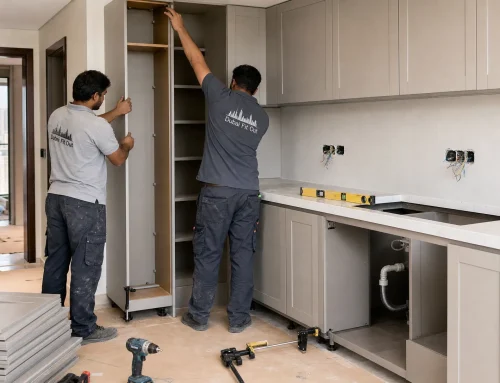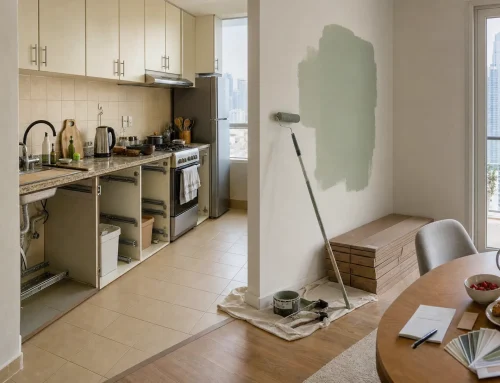
A full renovation is not just a bigger version of a room upgrade. Once walls, ceilings, bathrooms, kitchens, flooring, lighting, plumbing and finishes are all involved, the project becomes a chain of decisions that must be controlled from the start. This is where full home renovation companies earn their value: they should not only provide labour, but also manage the planning, sequencing, approvals, materials, site supervision and handover that keep the work moving safely and predictably. For Dubai homeowners, that level of management matters even more because villas, apartments and gated communities often come with building rules, access restrictions and approval requirements.
Why full home renovation companies should manage more than construction
A whole-home project affects how people live, move, cook, sleep, store items and use utilities. If one decision is made in isolation, it can create expensive problems later. A kitchen layout may affect plumbing lines. A ceiling design may affect air conditioning access. New flooring levels may affect doors, skirting and bathroom thresholds.
Good renovation management connects these decisions before work begins. It gives the homeowner one clear process instead of separate conversations with carpenters, plumbers, painters, electricians and suppliers. If you are still deciding whether a complete upgrade is the right route, this guide on when complete renovation services make more sense explains the situations where a full-scope approach can be more efficient than piecemeal repairs.
1. Initial survey, measurements and feasibility
The first responsibility is a detailed site survey. Before designs or quotations are finalised, the renovation team should inspect the existing condition of the property and record accurate measurements. This is not a quick walk-through. It should include visible plumbing routes, electrical points, ceiling heights, wall conditions, drainage locations, ventilation, natural light, access paths and any signs of leaks or structural movement.
At this stage, full home renovation companies should also clarify what can realistically be changed. Removing a partition, relocating a bathroom or opening a kitchen may sound simple, but the feasibility depends on structure, services and building regulations. In apartments, service shafts and drainage points can limit how far wet areas can move. In villas, extensions or major facade changes may need additional technical review.
A proper survey also protects the budget. The more accurately the existing condition is understood, the lower the risk of hidden surprises during demolition.
2. Scope definition and design coordination
A full renovation needs a written scope that is specific enough to guide pricing and execution. General phrases such as “renovate bathroom” or “upgrade kitchen” leave too much room for disagreement. The scope should describe what will be removed, what will be retained, what will be supplied, what will be installed and what level of finish is expected.
Design coordination is part of that scope. The contractor should help align layouts, interior design, material selections and technical requirements. A beautiful design that ignores drainage slopes, electrical loads or maintenance access can become costly on site. Strong coordination brings design and buildability together before materials are ordered.
For homeowners comparing contractor roles across different project types, this overview of what building renovation companies actually do gives useful context on assessment, planning, execution and handover.
3. Dubai approvals, NOCs and community rules
Renovation in Dubai often involves more than the homeowner and contractor. Depending on the property type and location, approvals may be required from building management, the developer, the owners association, Dubai Municipality or relevant free zone and community authorities. The exact requirement depends on the nature of the work.
Experienced full home renovation companies should identify these requirements early. This includes checking whether drawings, method statements, contractor documents, insurance papers, work permits or No Objection Certificates are needed. They should also account for working hours, service lift bookings, waste removal rules, parking access and noise restrictions.
Approval delays can disrupt a project before it properly starts. A renovation company that understands local procedures can plan submissions and site mobilisation more effectively. This does not mean every project needs the same approvals, but the contractor should know what to ask, where to check and how to prevent avoidable stoppages.
4. Budget control and transparent specifications
A complete renovation budget should be built around clear specifications, not rough allowances alone. Homeowners need to know what is included in the price and what may be treated as a variation. This applies to tiles, sanitaryware, kitchen cabinets, worktops, lighting fixtures, switches, doors, wardrobes, paint systems, waterproofing, flooring and all visible finishes.
A reliable company should explain where money is being spent and where value can be improved. For example, it may be worth investing more in waterproofing, plumbing quality and durable flooring, while choosing simpler decorative finishes in areas that are easier to update later. This is not about choosing the cheapest option. It is about spending in the right places.
For commercial or customer-facing renovation projects, the budget may also need to support brand experience and customer flow. Businesses sometimes benefit from combining fit-out planning with broader growth thinking, and a growth marketing and innovation team can help connect physical space decisions with customer acquisition and service positioning.
5. Procurement and material planning
Materials can make or break a renovation timeline. Tiles, sanitaryware, joinery hardware, lighting, appliances, flooring and custom finishes all have different lead times. If procurement is left too late, trades may arrive before the site is ready for them or completed areas may need to be reopened.
Professional full home renovation companies should create a procurement plan that matches the construction schedule. They should confirm quantities, lead times, approved samples, delivery access and storage conditions. In Dubai, this is especially important for apartment renovations where storage space may be limited and building management may restrict delivery times.
Material planning also reduces waste. Ordering too much increases cost, while ordering too little can create shade mismatch issues with tiles, stone or wood finishes. A managed procurement process helps the homeowner approve selections early enough for smooth execution.

6. Scheduling trades in the correct sequence
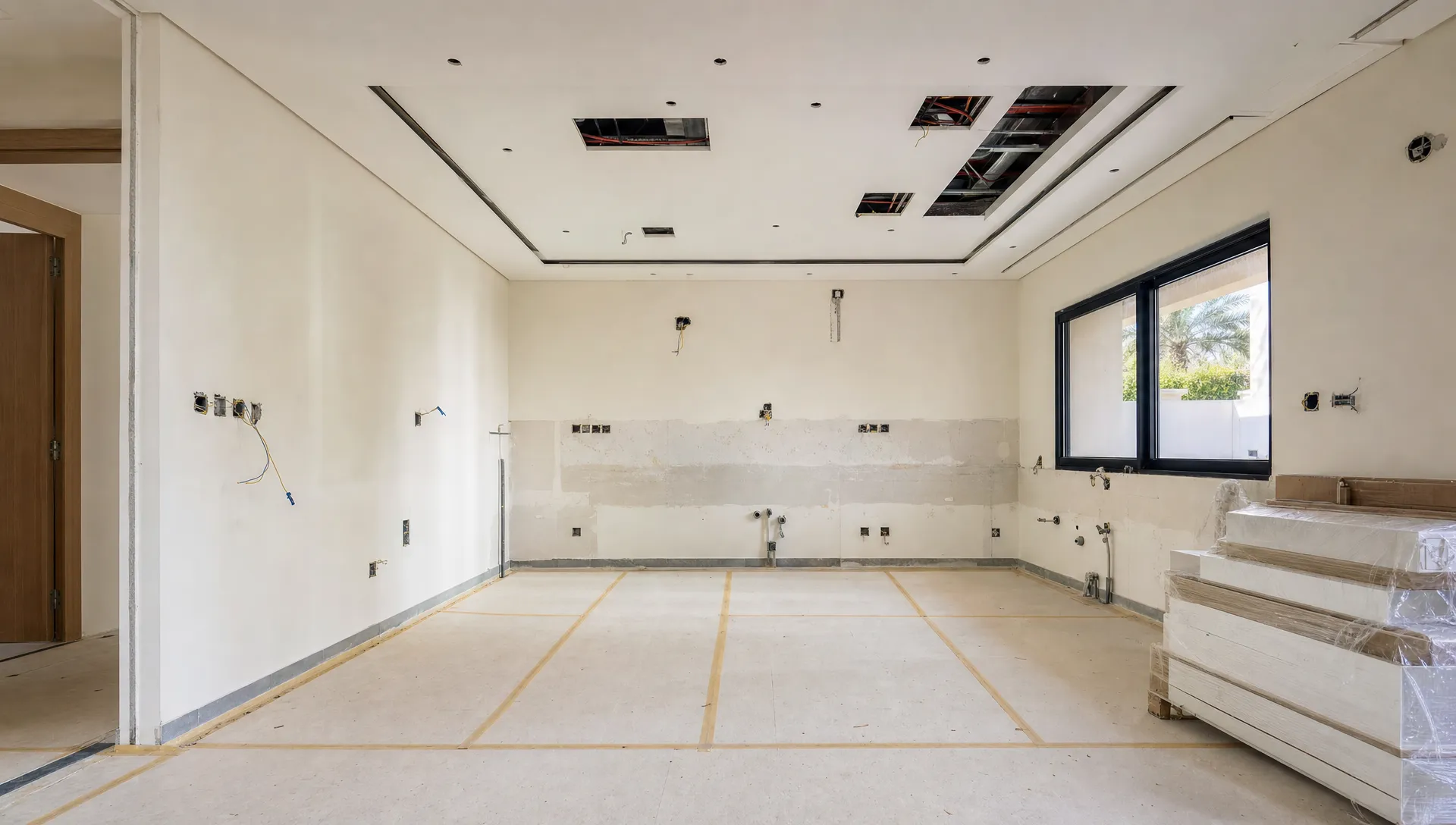
A full renovation involves many trades, and the order matters. Demolition must be controlled before MEP work begins. Plumbing and electrical rough-ins need inspection before walls are closed. Waterproofing must be completed and tested before tiling. Painting should not begin while dusty cutting work is still active.
The contractor should prepare a realistic schedule that shows dependencies between activities. This schedule should also account for approval time, material deliveries, curing periods, inspections, snagging and final cleaning. A fast promise is not useful if the sequence is technically impossible.
The table below shows common responsibilities that should be actively managed during a whole-home upgrade.
| Project area | What should be managed | Why it matters |
|---|---|---|
| Demolition | Safe removal, protection and waste disposal | Prevents damage to retained areas and shared property |
| MEP works | Plumbing, electrical and AC coordination | Reduces leaks, overloads and access problems |
| Wet areas | Screeding, slopes, waterproofing and testing | Protects bathrooms, kitchens and nearby rooms |
| Joinery | Measurements, drawings, finishes and installation | Ensures cabinets, wardrobes and doors fit correctly |
| Finishes | Paint, flooring, tiles and final detailing | Creates the visible quality homeowners expect |
| Handover | Snagging, cleaning and documentation | Confirms the property is ready to use |
7. Technical works that need close supervision
The most expensive renovation failures are often hidden behind walls or under floors. Plumbing leaks, poor waterproofing, weak electrical planning and careless AC changes may not be visible on handover day, but they can cause serious disruption later. Good full home renovation companies should treat technical work as a priority, not an afterthought.
Plumbing should be pressure tested where relevant. Bathroom waterproofing should be applied correctly and checked before tiling. Electrical layouts should match the homeowner’s actual use of the space, including kitchen appliances, home office needs, charging points, lighting controls and outdoor areas. AC changes should be coordinated so that comfort, access and ceiling design work together.
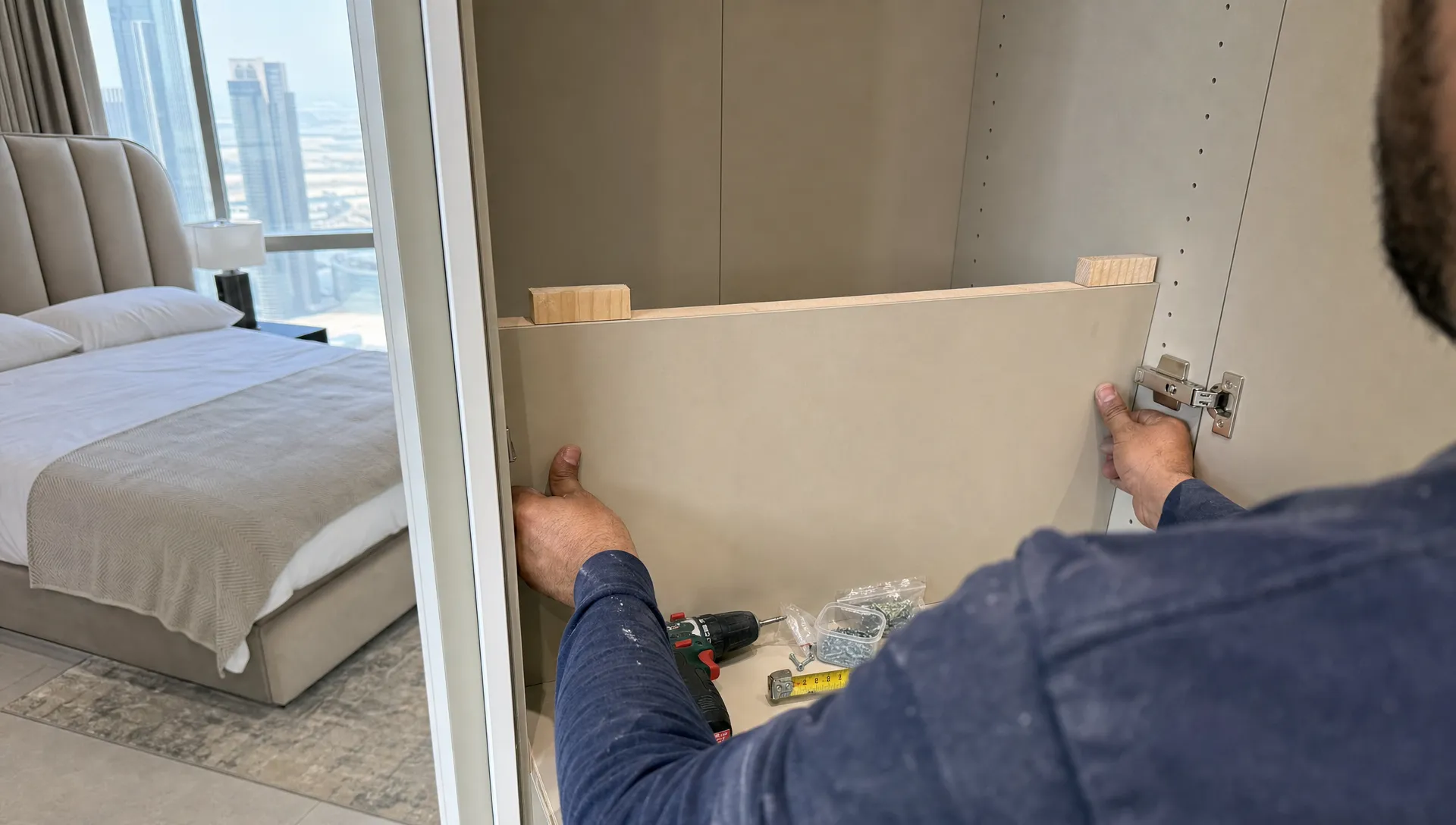
Carpentry and flooring also need technical control. Wooden flooring requires suitable subfloor conditions, expansion gaps and moisture awareness. Custom cabinets need accurate site measurements after plastering and flooring levels are confirmed. When these details are supervised properly, the final finish looks better and lasts longer.
8. Quality control, safety and site protection
A renovation site should never feel unmanaged. Even when work is messy, there should be order. Floors, lifts, corridors, doors and retained fixtures need protection. Waste should be removed responsibly. Tools and materials should be stored safely. Dust control matters, especially in occupied buildings or homes where some family members may remain nearby during phased work.
Quality control should happen throughout the project rather than only at the end. Supervisors should check levels, alignment, tile joints, paint preparation, door swings, cabinet gaps, silicone lines, drainage flow and fixture installation. Waiting until handover to inspect everything increases the chance of rework.
Safety is also part of quality. Electrical isolation, ladder use, cutting tools, ventilation and wet area work need supervision. Homeowners should expect the contractor to maintain a site that protects workers, residents, neighbours and shared property.
9. Communication, variations and decision tracking
Many renovation disputes are caused by unclear communication. A homeowner approves one finish verbally, the supplier delivers another, the installer proceeds and the problem is discovered too late. To avoid this, decisions should be recorded in writing, especially for layout changes, materials, colours, quantities and costs.
Full home renovation companies should provide a clear point of contact and a system for updates. This may be through scheduled meetings, progress reports, shared documents or regular site walk-throughs. The format matters less than the discipline of keeping decisions visible and current.
Variations also need careful handling. Changes are normal in renovation, particularly after demolition reveals hidden conditions. The contractor should explain the reason for the variation, the cost impact and the schedule impact before proceeding. This keeps trust intact and helps the homeowner make informed decisions.
What full home renovation companies should hand over at the end
Handover is more than giving the keys back. The company should inspect the finished work with the homeowner, record snags and complete agreed corrections. Final cleaning should make the space usable, not just free of construction debris. Fixtures, appliances, lights, doors, cabinets, taps and drains should be checked in real conditions.
Useful handover items may include approved paint codes, product manuals, warranty details, maintenance advice and records of important materials used. For villas or larger homes, homeowners should also know where shut-off valves, electrical distribution boards and access panels are located.
If you are comparing providers before signing a contract, this article on what to look for in house renovation companies can help you evaluate experience, licensing, scope clarity and project management standards.
Frequently Asked Questions
Do full home renovation companies handle design as well as construction? Many full-scope renovation providers coordinate design, specifications and construction together, but the exact service depends on the company. Homeowners should confirm whether layout planning, interior design, material selection and technical drawings are included.
Who manages approvals for a full home renovation in Dubai? The renovation company should guide the approval process and help prepare required documents where applicable. Requirements vary by property type, community, building management and authority, so they should be checked before work starts.
How detailed should a full renovation quotation be? A strong quotation should clearly state inclusions, exclusions, materials, quantities, labour scope, provisional allowances and variation rules. Vague pricing makes it harder to compare contractors fairly.
Can I live at home during a full renovation? Sometimes phased work makes this possible, but it depends on the scope. If bathrooms, kitchen, AC, flooring or electrical systems are affected across the home, temporary relocation may be safer and more practical.
Plan a better managed renovation in Dubai
A successful whole-home upgrade depends on coordination as much as craftsmanship. Best Renovation provides residential and commercial renovation services in Dubai, including home, villa, kitchen and bathroom remodeling, interior design, fit-out solutions, plumbing, carpentry, wooden flooring and wall painting.
If you want a renovation process that is planned around your property, lifestyle and finish expectations, start with a clear consultation through Best Renovation. The right team will help you turn a complex project into a structured, well-managed transformation.