Renovation construction in Dubai is rarely just a matter of choosing tiles, paint colours and a contractor with available workers. For property owners, the real success of a project depends on decisions made before demolition starts: defining the scope, understanding approvals, protecting the building systems and choosing materials that suit Dubai’s climate and lifestyle.
Whether you own an apartment in a managed tower, a villa in a gated community or a commercial unit that needs a new fit-out, the basics are the same. You need a clear plan, compliant execution and a contractor who can coordinate design, technical work and finishing without turning the project into a series of expensive surprises.
This guide explains the renovation construction basics Dubai property owners should understand before signing a contract or starting site work.
What renovation construction actually means
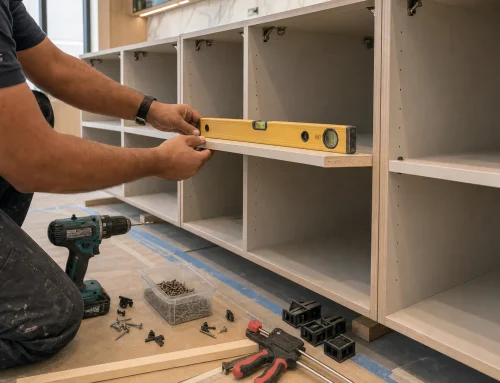
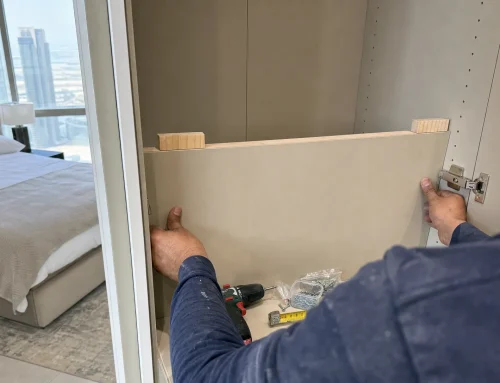
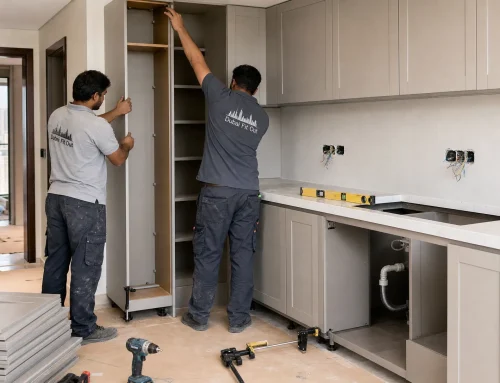
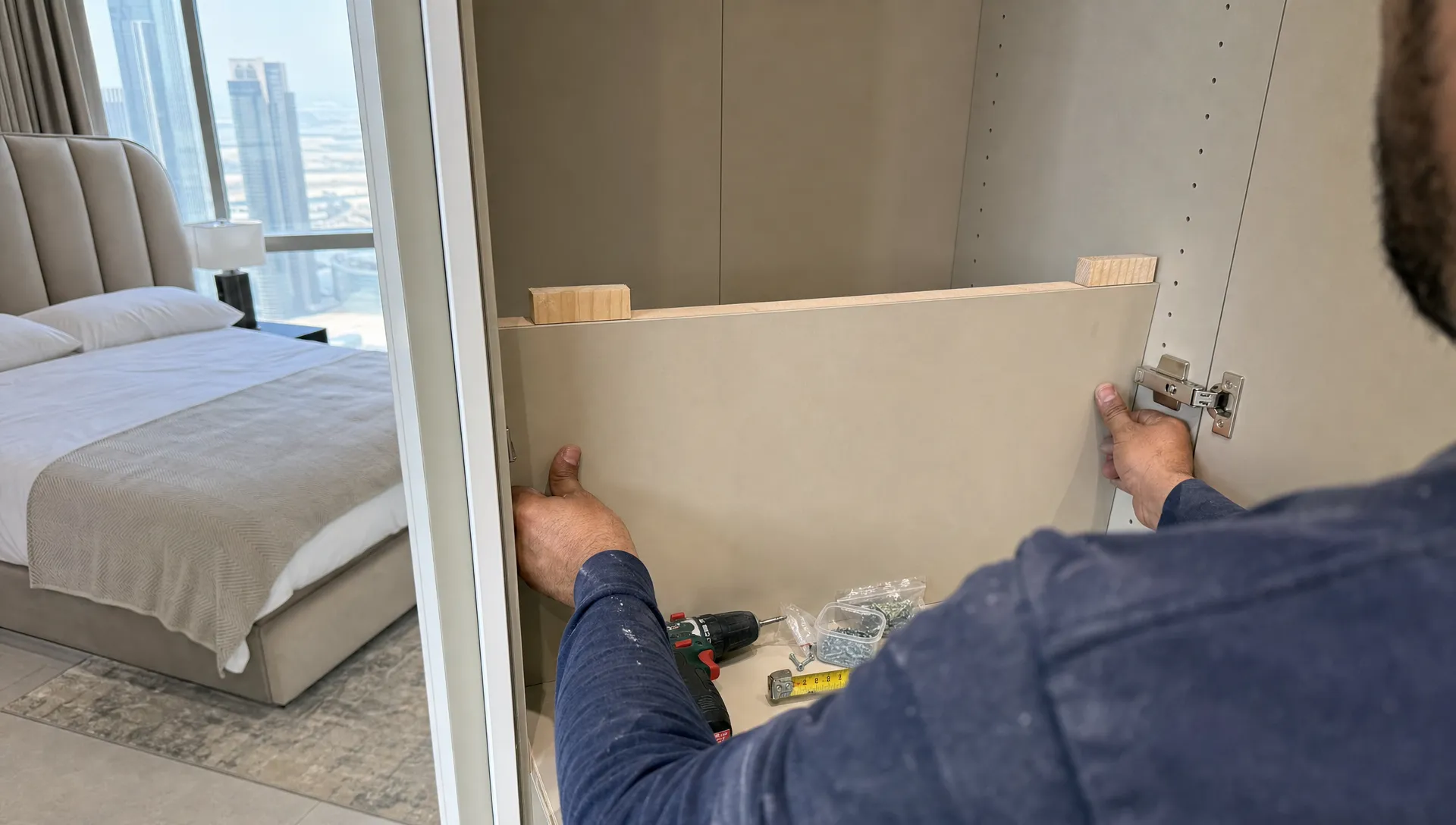
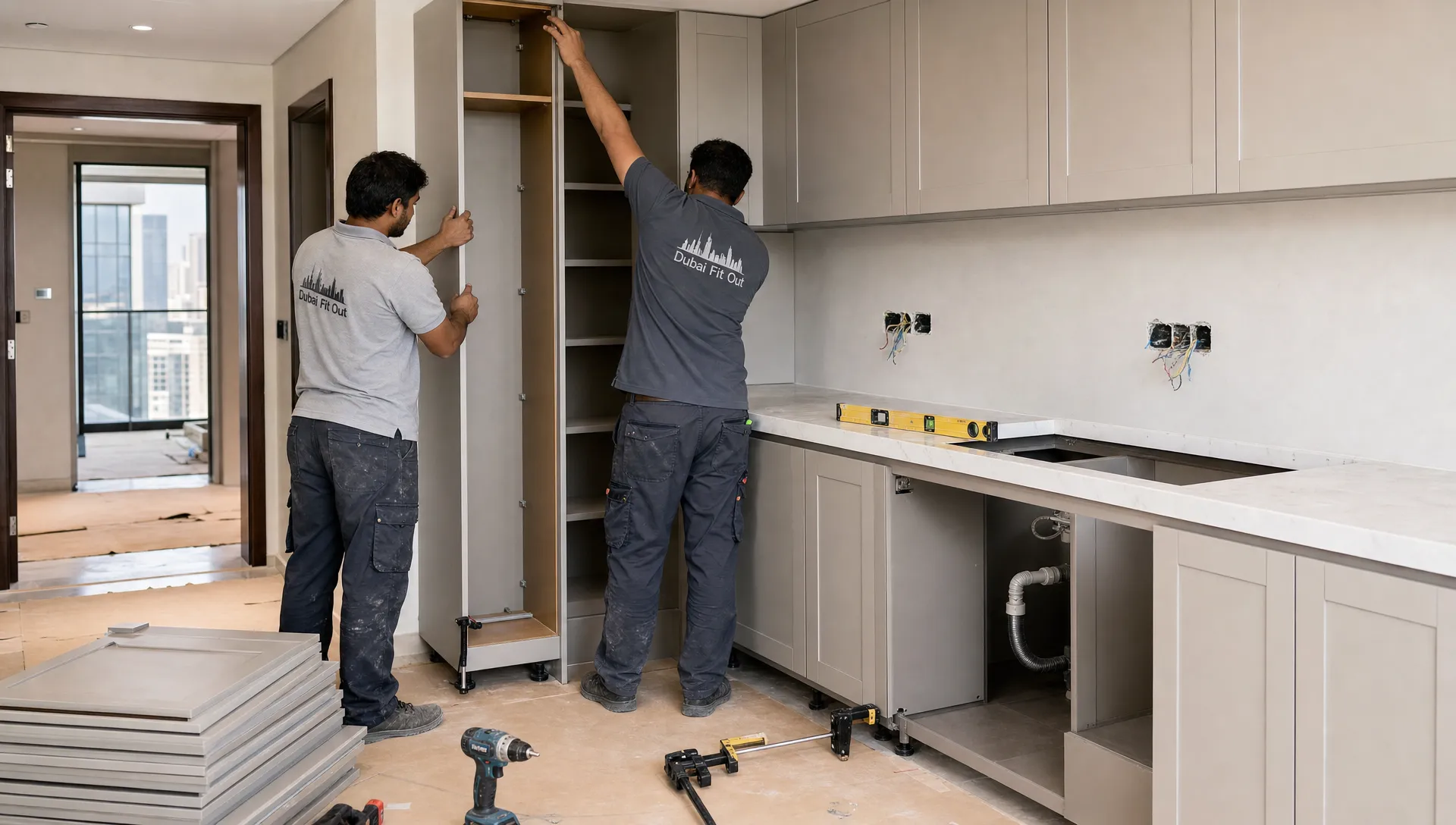
Renovation construction sits between cosmetic improvement and full new construction. It can include repairing, upgrading, reconfiguring or rebuilding parts of an existing property. In Dubai, the phrase often covers a mix of services such as interior renovation, MEP upgrades, carpentry, plumbing, flooring, wall painting, bathroom remodeling, kitchen remodeling and villa renovation.
A simple repaint or flooring replacement may be straightforward. A kitchen relocation, bathroom expansion or wall modification is more complex because it can affect plumbing routes, electrical load, ventilation, waterproofing, drainage and building approvals.
If you are still comparing terms, this guide to renovation and construction services explains the difference between renovation, remodeling, fit-out and construction in more detail.
The key point is that renovation construction is not only about the visible finish. The hidden work behind the walls, floors and ceilings often determines whether the space remains safe, durable and easy to maintain.
Start with the property type
Dubai property owners should begin by identifying the constraints of their specific property. The rules, risks and practical steps are different for apartments, villas and commercial spaces.
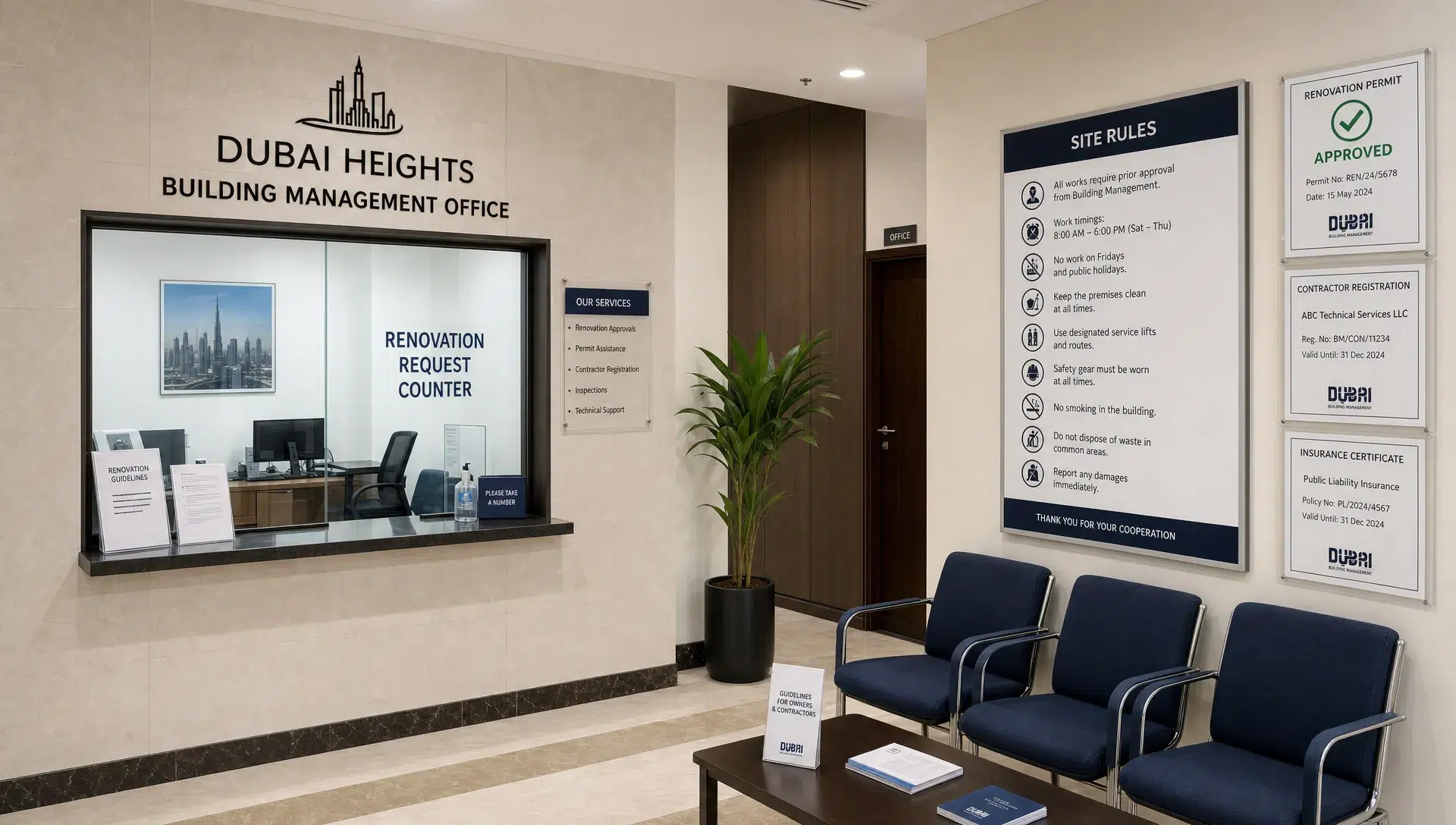
In an apartment, work is usually controlled by the building management, owners association or community manager. You may need an NOC before contractors can bring materials, use service lifts or start noisy work. Wet area changes, drainage modifications and core drilling are especially sensitive because they can affect neighbouring units.
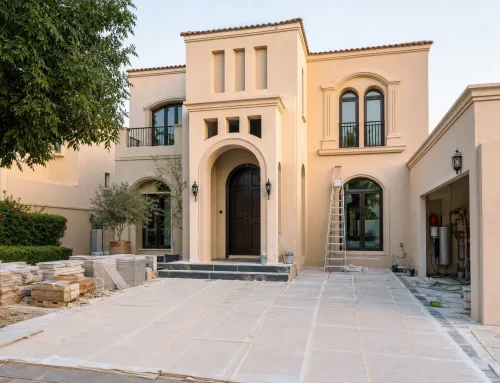
In a villa, there is usually more flexibility, but there may still be community guidelines, municipality requirements and limits on external changes. Boundary walls, extensions, facade changes, swimming pools, pergolas and major MEP upgrades may need closer review.
Commercial units add another layer. Retail shops, clinics, restaurants and offices may require approvals linked to usage, fire safety, accessibility, ventilation, signage and authority requirements. For commercial fit-outs, coordination with the landlord and mall or building management can be just as important as the construction itself.
Define the scope before requesting prices
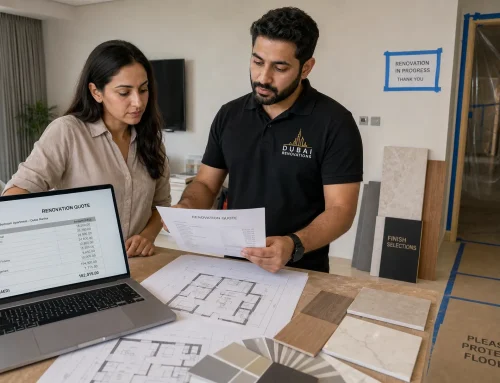
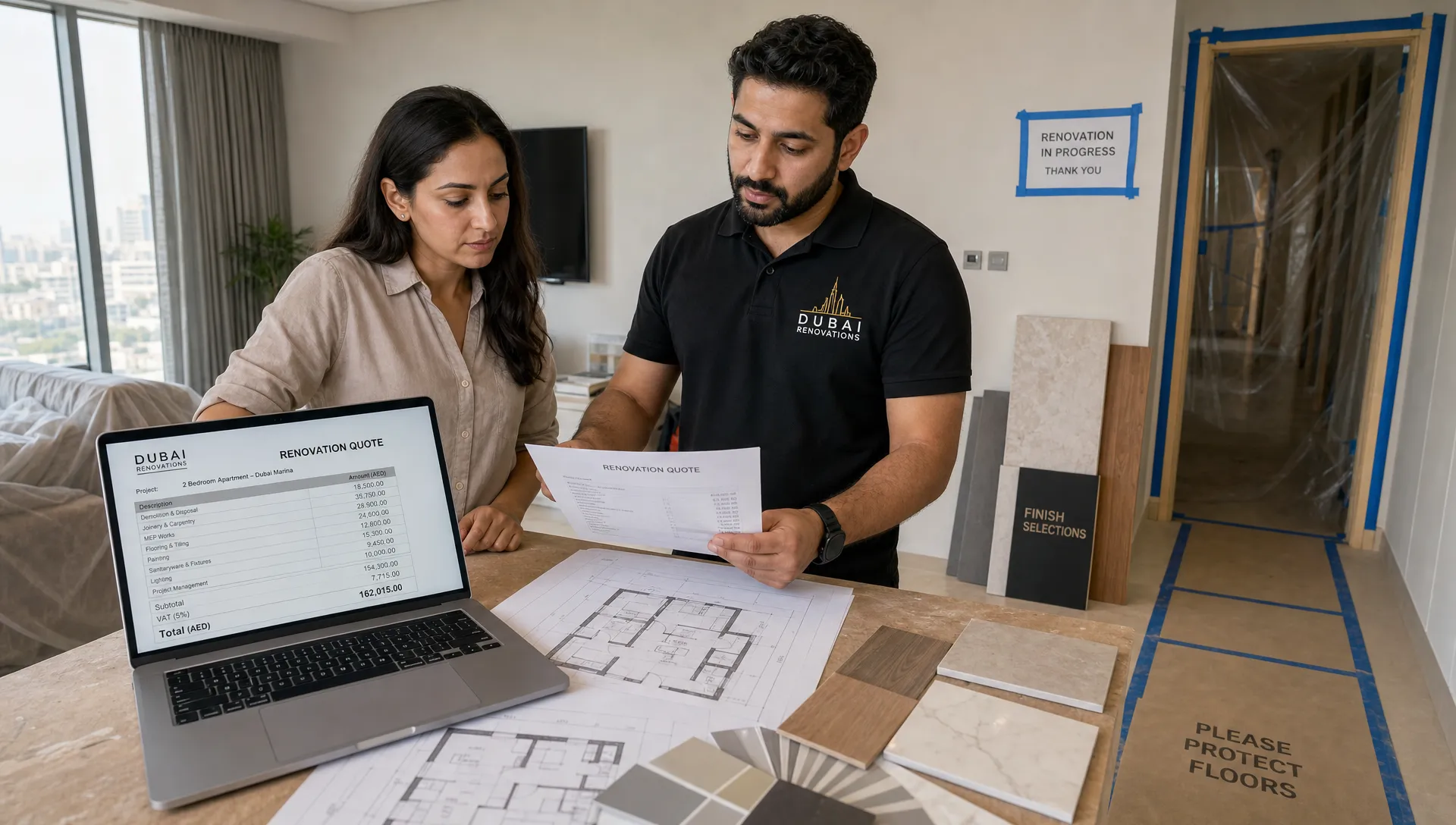
Many renovation problems begin with vague scope. If three contractors are asked to quote for a kitchen renovation without drawings, material specifications or technical details, the quotes will rarely be comparable. One may include waterproofing, another may exclude disposal and another may price only visible finishes.
A proper scope should separate must-have work from optional upgrades. It should also identify technical dependencies. For example, new flooring may require door trimming, skirting replacement and levelling. A bathroom renovation may require waterproofing, drainage testing, false ceiling access, ventilation checks and new lighting positions.
| Scope area | What owners should clarify | Why it matters |
|---|---|---|
| Layout changes | Walls, doors, partitions, kitchen or bathroom positions | Can affect approvals, structure, drainage and services |
| MEP work | Plumbing, electrical, AC, ventilation and drainage | Hidden defects can become costly after finishes are installed |
| Finishes | Tiles, flooring, paint, joinery, sanitaryware and fixtures | Material choice affects cost, maintenance and timeline |
| Site logistics | Access, working hours, waste removal and protection | Poor planning can delay work and upset neighbours or management |
| Handover standards | Snagging, testing, cleaning and documentation | Ensures the project is usable, safe and complete |
Before you approve any quotation, ask what is included, what is excluded and what may become a variation later. A lower initial quote is not always cheaper if key items are missing.
Understand approvals and building rules
Approvals are one of the most important renovation construction basics in Dubai. Requirements vary depending on property type, location, building management, community rules and the nature of the work. A small cosmetic update may only need building management permission, while structural changes or major service modifications may require formal review.
Dubai property owners may need to deal with several parties, including community management, the landlord if the property is leased, Dubai Municipality, Dubai Civil Defence for fire-related matters and utility authorities where applicable. You can refer to Dubai Municipality and Dubai Civil Defence for official authority information, but your contractor or consultant should guide you on the approvals relevant to your specific project.
Do not assume that because similar work was done in another unit, it is automatically allowed in yours. Building layouts, service shafts, load-bearing elements and community rules can differ. Cutting slabs, removing structural walls, changing drainage routes or enclosing balconies without proper review can create safety risks and future resale problems.
A responsible contractor should explain which approvals are needed, what documents are required and when work can legally start.
Budget for the visible and the hidden work
Renovation budgets in Dubai are influenced by the property condition, scope, access, material choices, labour requirements and approval complexity. Two kitchens of the same size can have very different costs if one needs plumbing relocation, electrical upgrades, custom joinery and imported finishes.
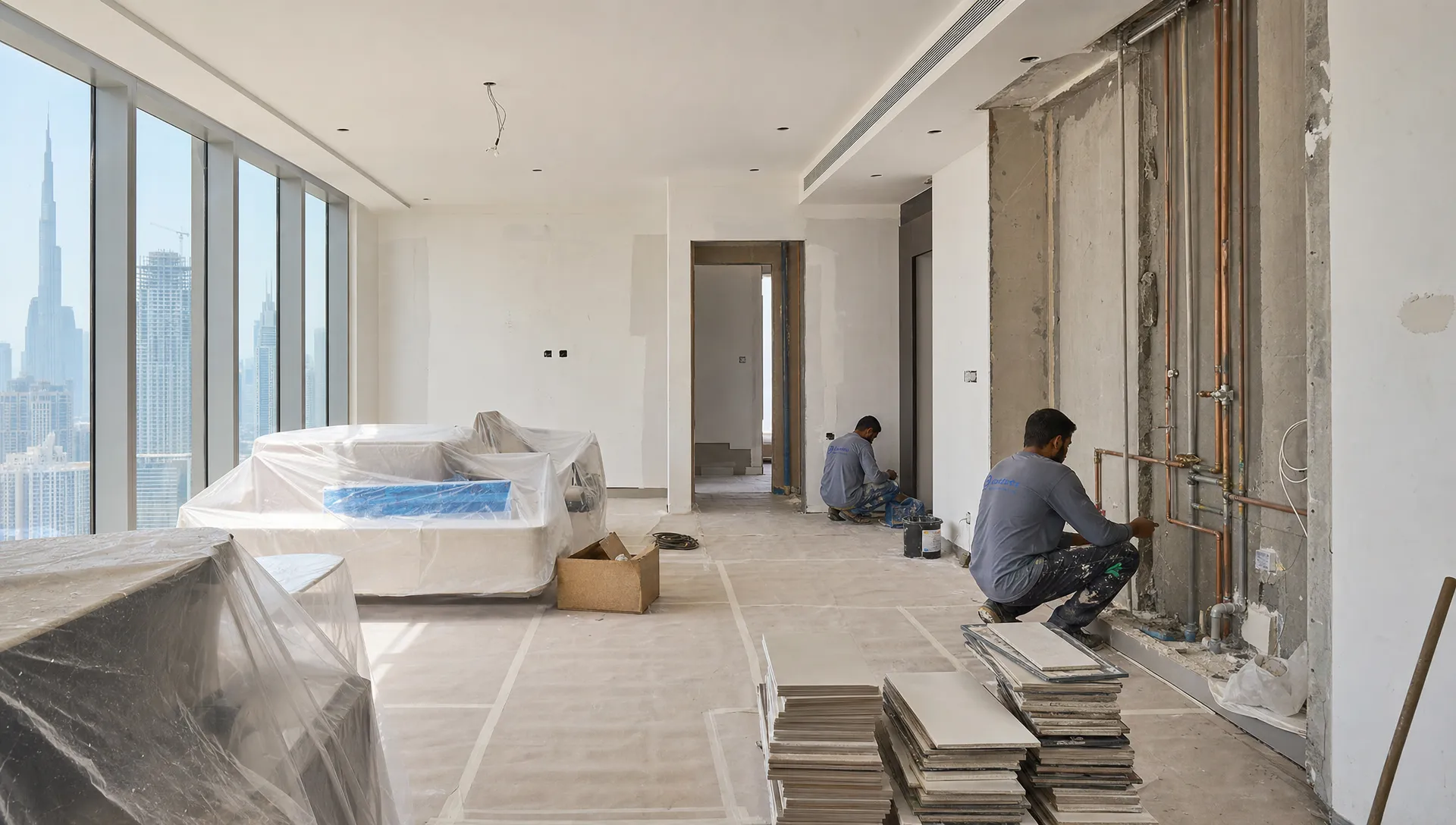
Owners often focus on the visible items such as tiles, cabinets, countertops and paint. Those items matter, but hidden work can take a large share of the budget. Waterproofing, screeding, plumbing, wiring, AC duct modifications, ceiling works and surface preparation are not glamorous, yet they protect the renovation from leaks, cracks, electrical issues and premature wear.
A practical budget should include a contingency. Older villas and apartments can reveal problems only after removal work begins, such as damaged pipes, uneven floors, poor previous waterproofing or unsafe wiring. A contingency does not mean accepting unlimited variations. It means planning realistically so that essential repairs do not stop the project.
Plan the timeline around decisions and procurement
A renovation timeline is not only the number of days workers spend on site. It includes design decisions, authority or management approvals, material selection, procurement, demolition, MEP work, inspections, finishing, snagging and handover.
Imported tiles, custom joinery, special sanitaryware, stone countertops and specific lighting brands may increase lead times. If materials are not selected early, the site can sit idle while the owner searches for finishes. For smoother execution, finalise key specifications before work starts or choose readily available alternatives.
For a more practical pre-site process, this renovation work checklist can help you organise approvals, budgets, design decisions and handover steps before the project becomes urgent.
Choose contractors based on capability, not only price
A good renovation contractor in Dubai should be able to manage more than labour. Renovation construction usually requires coordination between demolition teams, plumbers, electricians, carpenters, painters, tile installers, AC technicians and sometimes engineers or designers.
When comparing contractors, look for evidence of organised project delivery. Ask for a written scope, itemised quotation, project schedule and examples of similar completed work. If the work involves bathrooms, kitchens or MEP systems, ask how they test waterproofing, drainage, water pressure and electrical points before closing walls and ceilings.
Useful questions include:
- Are you licensed to perform this type of renovation work in Dubai?
- Who will supervise the site daily and communicate with the owner?
- What approvals or NOCs are required before starting?
- What materials and brands are included in the quotation?
- How are variations priced and approved?
- What testing and snagging process happens before handover?
The cheapest contractor may still do good work if the scope is simple and clear. The risk appears when a low quote is based on missing details, weak supervision or poor technical standards. In renovation, correcting bad work often costs more than doing it properly from the start.
Pay attention to MEP before finishes
MEP means mechanical, electrical and plumbing. In Dubai homes, it is one of the most important parts of renovation construction because comfort depends heavily on reliable water supply, drainage, AC performance and electrical safety.
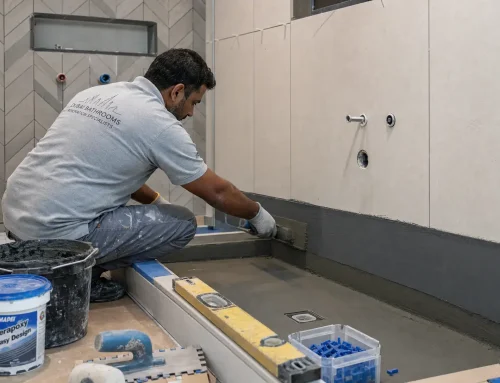
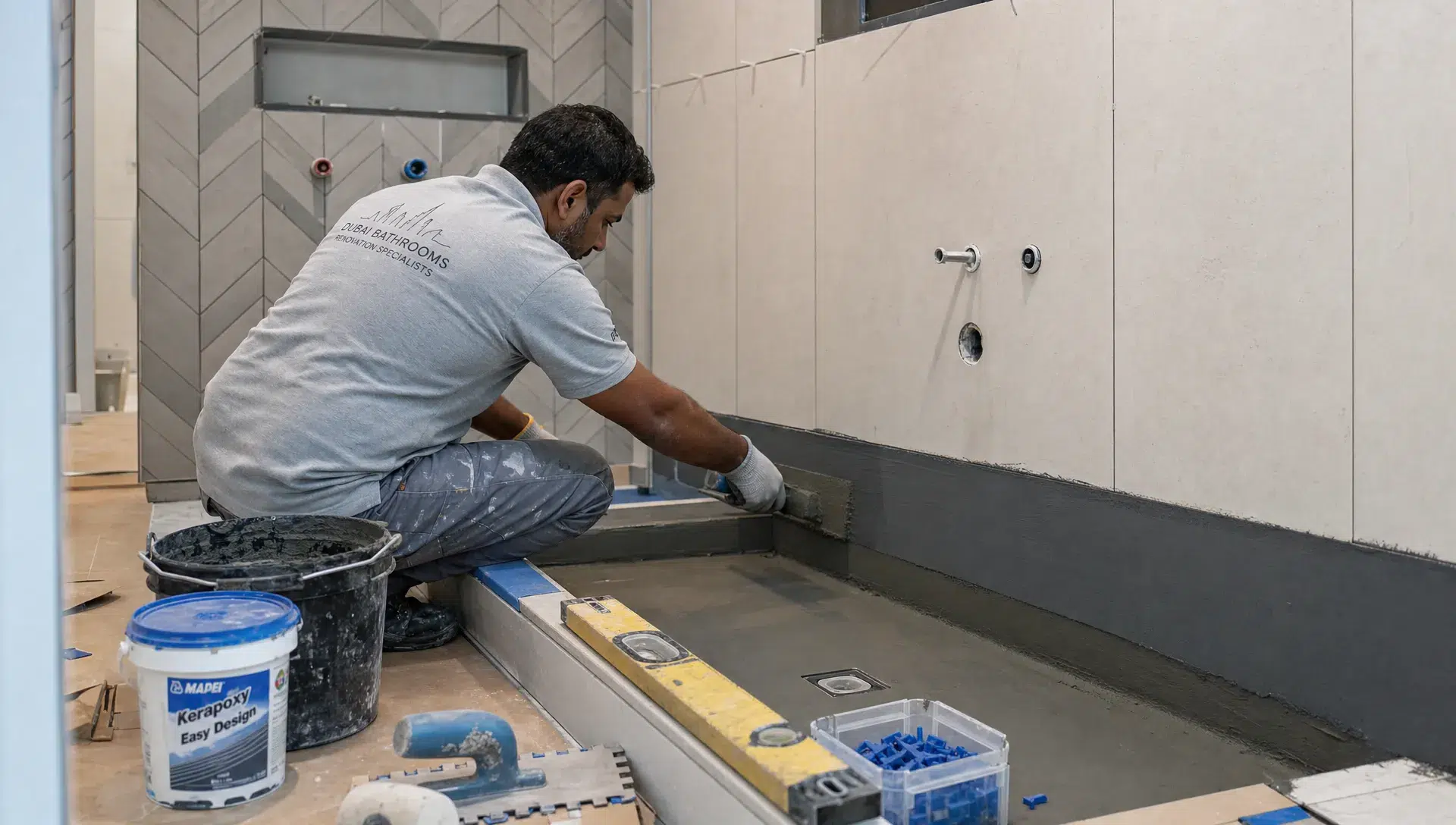
Before installing expensive finishes, review the technical systems. Bathrooms need correct slopes, waterproofing and ventilation. Kitchens need safe electrical loads, proper plumbing connections and enough access for maintenance. Living areas may need lighting circuits, AC adjustments and data points for modern use.
Dubai’s climate also makes AC planning essential. A beautiful renovated room will still feel uncomfortable if air distribution is poor or if the AC system is not suited to the new layout. Removing partitions, enclosing spaces or adding glass areas can change cooling needs.
Property owners should ask contractors to test services before closing up. Pressure testing, drainage checks, waterproofing tests and electrical inspections reduce the chance of hidden failures after handover.
Select materials for Dubai conditions
Materials should be chosen for lifestyle, maintenance and climate, not only showroom appearance. Dubai homes deal with heat, humidity, sand, heavy AC use and frequent cleaning. Villas may also have outdoor areas exposed to strong sun and dust.
For flooring, porcelain tiles, engineered wood and quality vinyl can each work well in the right setting, but they have different maintenance needs and installation requirements. In bathrooms, anti-slip tiles, quality grout, proper waterproofing and suitable sanitary fixtures matter more than decorative style alone. For kitchens, countertops and cabinet finishes should resist heat, moisture and daily use.
Paint selection also matters. High-traffic family homes may benefit from washable finishes. Bathrooms and kitchens need paint systems suited to moisture. External walls require products designed for weather exposure.
A reliable contractor can guide you through options without pushing unnecessary upgrades. The best material is the one that suits the room, budget, maintenance expectations and long-term use.
Protect the property during construction
Site protection is easy to overlook, but it has a major effect on the renovation experience. Floors, lifts, corridors, doors, windows, AC vents and existing furniture should be protected before work begins. Dust control is especially important in occupied homes and apartment buildings.
Waste removal should be planned from the start. Many Dubai buildings and communities have rules for debris disposal, delivery timing, service lift use and contractor access. Ignoring these rules can lead to delays, complaints or penalties from building management.
If you plan to live in the property during renovation, divide the work into phases and be realistic about disruption. Bathroom and kitchen renovations can affect daily routines more than expected. For families, it may be better to complete the most disruptive work while the home is vacant, even if the total schedule seems short.
Inspect carefully before handover
The final days of a renovation should not be rushed. Handover should include inspection, testing and snagging. A snag is a defect or incomplete item that must be corrected before the project is considered complete.
Check doors, drawers, tiles, paint surfaces, grout lines, lighting, sockets, water pressure, drainage, silicone joints, AC airflow and appliance connections. Run water in bathrooms and kitchens. Open and close cabinets. Look at surfaces in daylight as well as artificial light.
Ask for documents where relevant, such as warranties, product manuals, approval papers and maintenance advice. For larger projects, before and after photos of hidden work can also be useful, especially for plumbing and electrical routes.
Common mistakes Dubai property owners should avoid
Many renovation delays and disputes come from avoidable decisions. The most common mistakes include starting without approvals, choosing a contractor based only on the lowest price, changing materials too late, ignoring hidden MEP problems and accepting vague quotations.
Another common issue is copying design ideas without adapting them to the property. A layout that works in a large villa may not work in an apartment with fixed shafts and strict building rules. A material that looks impressive in a showroom may be difficult to maintain in a busy family home.
Good renovation construction is not about spending the most. It is about making decisions in the right order: inspect, design, approve, price, build, test and hand over.
Frequently Asked Questions
What is the difference between renovation and construction? Renovation improves or updates an existing property, while construction can involve building new elements or making larger structural changes. In practice, Dubai projects often combine both, especially when layouts, MEP systems or extensions are involved.
Do I need approval for home renovation in Dubai? It depends on the property and scope. Cosmetic work may need only building management permission, while structural changes, wet area modifications, facade changes or commercial fit-outs may require formal approvals. Always confirm before work starts.
How can I control renovation construction costs? Start with a clear scope, compare itemised quotations, finalise materials early and keep a contingency for hidden issues. Avoid major changes after site work begins because late variations usually increase cost and delay completion.
Can I live in my home during renovation? You can for some light or phased work, but kitchen, bathroom, flooring and full-home renovations can be disruptive. Dust, noise, water shutdowns and temporary loss of essential rooms should be considered before deciding.
What should I check before accepting handover? Test plumbing, drainage, electrical points, lighting, AC airflow, doors, cabinets, tiles, paint and silicone joints. Make a written snagging list and confirm corrections before making final acceptance.
Build your Dubai renovation on the right basics
Renovation construction becomes smoother when the plan is clear, approvals are handled properly and technical work is treated with the same care as the final design. For Dubai property owners, that means choosing a contractor who understands local building rules, site coordination and the practical demands of homes and commercial spaces in the UAE.
Best Renovation provides residential and commercial renovation services in Dubai, including home, villa, kitchen and bathroom renovation, interior design, fit-out solutions, plumbing, carpentry, wooden flooring and wall painting. If you are planning your next project, working with an experienced home renovation company in Dubai can help you move from early ideas to a well-managed renovation with fewer surprises.