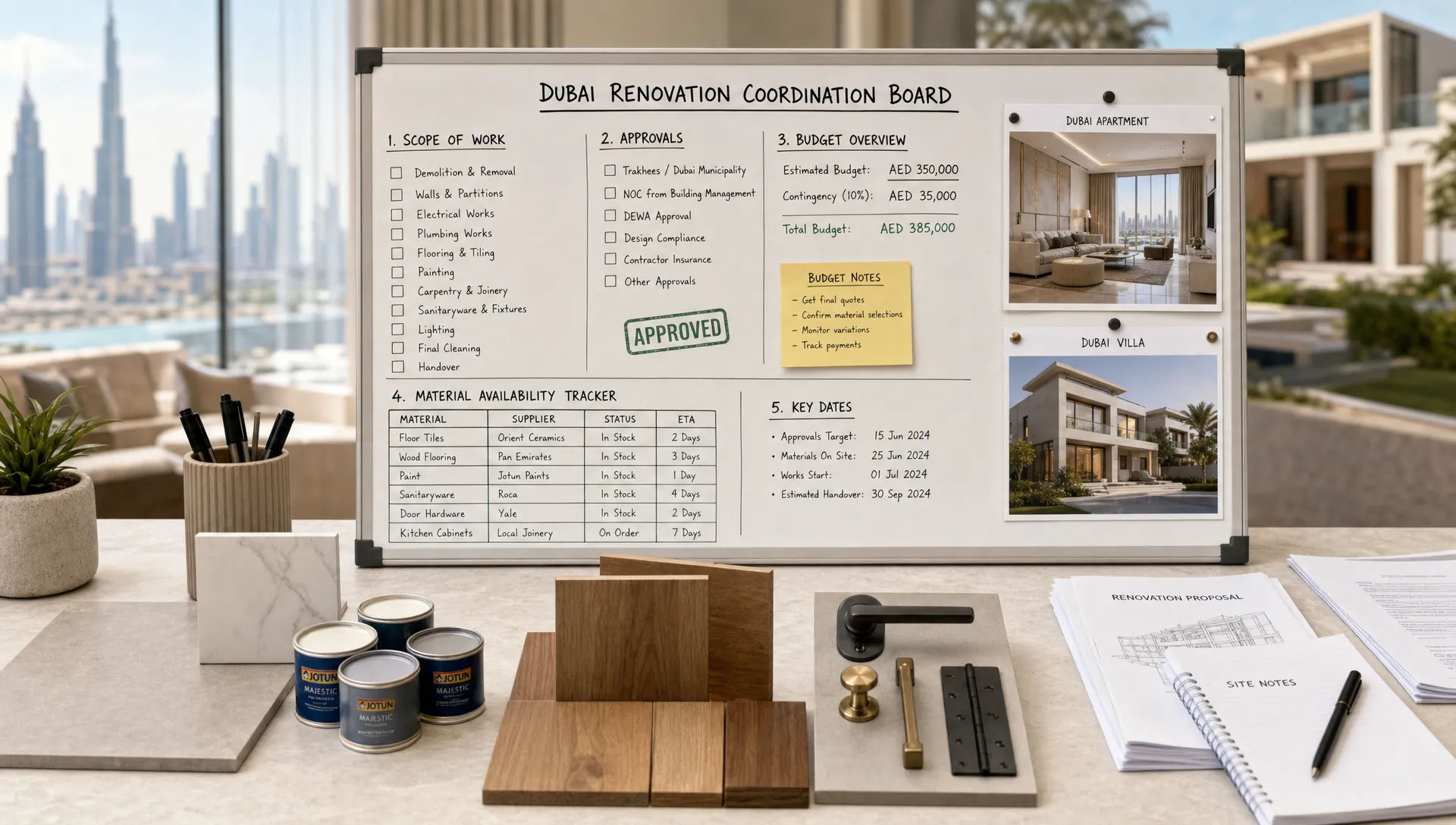
Renovation work in Dubai can move quickly when the right decisions are made before the first tile is removed. It can also become stressful when approvals, material choices, site access, or hidden plumbing and electrical issues are left until the last minute.
A good checklist gives everyone the same roadmap: homeowner, contractor, building management, suppliers, and site team. It reduces surprises, protects your budget, and helps the project finish with fewer snags. Whether you are upgrading an apartment, refreshing a villa, remodeling a kitchen, or renovating a bathroom, use this practical checklist to keep your Dubai project organized from planning to handover.
Start with a clear renovation work scope
Before comparing prices or setting a start date, write down exactly what the renovation work should include. A vague scope such as “renovate the kitchen” can mean different things to different contractors. One may price new cabinets only, while another may include tiles, plumbing, lighting, ceiling work, and appliance installation.
Your scope should describe the areas being renovated, what will be removed, what will be retained, and what level of finish you expect. This is especially important in Dubai properties where apartments, townhouses, and villas may have different building rules, access restrictions, waterproofing needs, and MEP conditions.
| Scope item | What to confirm | Why it matters |
|---|---|---|
| Rooms included | Kitchen, bathrooms, living areas, bedrooms, balcony, maid’s room | Prevents missing items in the quotation |
| Type of work | Cosmetic upgrade, full remodeling, fit-out, plumbing, electrical, carpentry | Helps the contractor allocate the right team |
| Existing items to keep | Flooring, doors, AC grills, cabinets, sanitaryware | Reduces accidental removal and extra cost |
| Finish level | Standard, premium, custom joinery, imported materials | Makes quotation comparisons more accurate |
| Deadline | Move-in date, lease start, holiday period, business reopening | Helps plan manpower and procurement |
If you are still deciding who to hire, it is worth reviewing a separate home renovation contractors checklist before signing any agreement. Contractor selection and project execution are connected, but they need different checklists.
Confirm approvals, building rules, and access early
Dubai renovation work often involves more than the contractor and homeowner. Depending on the property type, you may need approvals from building management, community management, the developer, or relevant local authorities. Even smaller interior changes can be delayed if access permits, work timing, elevator booking, or waste disposal requirements are not confirmed.
Ask about approval requirements before paying major deposits or ordering materials. In apartments, management may request drawings, contractor documents, insurance details, method statements, or a refundable security deposit. In villas, the requirements may vary by community and the type of work being done.
Key items to confirm before site work begins include:
- Building or community work permits
- Allowed working hours and noisy work restrictions
- Service elevator booking and protection rules
- Parking and loading access for workers and deliveries
- Waste removal procedures and skip permissions
- Neighbor notification requirements, if applicable
- Rules for plumbing, waterproofing, AC, and structural changes
Never assume that previous renovation work in the same building means your project can start immediately. Management policies may change, and each scope can be assessed differently.
Build a budget that includes more than the contractor quote
A smooth renovation budget is not just the contractor’s price. It should also include approvals, material upgrades, appliance purchases, temporary accommodation if needed, moving or storage costs, cleaning, and a contingency for hidden issues.
In Dubai, hidden costs can appear when old plumbing lines are exposed, floor levels need correction, tiles are out of stock, or custom joinery requires additional site adjustments. A realistic contingency helps you make decisions calmly instead of compromising quality under pressure.
| Budget category | What to check before approval |
|---|---|
| Contractor quotation | Is the scope itemized by area and trade? |
| Materials | Are brands, quantities, sizes, and finishes clearly listed? |
| Provisional sums | Are allowances realistic for tiles, sanitaryware, lighting, and hardware? |
| Authority or management fees | Are permit fees, deposits, or access charges included or separate? |
| Variations | Is there a written process for approving extra work? |
| Final payment | Is part of the payment linked to snag completion and handover? |
If you are comparing multiple proposals, avoid choosing based on the lowest number alone. A low quote may exclude disposal, waterproofing, painting preparation, electrical points, or finishing accessories. For a structured evaluation method, you can use this guide on how to compare renovation companies in Dubai.
Freeze design decisions before demolition
Changing design choices after demolition is one of the most common reasons renovation work becomes slower and more expensive. Before site work starts, finalize the layout, finishes, fixtures, colors, lighting plan, and major furniture dimensions.
This does not mean every cushion or decorative item must be selected. It means all items that affect construction should be approved. These include tile sizes, sanitaryware, kitchen appliances, cabinet finishes, door hardware, sockets, switches, lighting positions, ceiling details, and flooring transitions.
For kitchens and bathrooms, dimensions are especially important. A sink, hob, dishwasher, shower mixer, or concealed cistern can affect plumbing routes, cabinet sizes, countertop cuts, and waterproofing details. If one item changes late, several trades may need to redo work.
A simple rule works well: if a decision affects plumbing, electrical, AC, carpentry, stone, glass, or tiles, finalize it before work begins.
Plan material procurement around Dubai lead times
Material availability can change quickly, especially for imported tiles, sanitaryware, custom lighting, specialty hardware, wooden flooring, and bespoke joinery finishes. Even when an item is available during quotation, it may not remain available by the time you place the order.
Ask your contractor or supplier to confirm stock, delivery timeline, batch consistency, warranty details, and replacement availability. For tiles, order extra quantity from the same batch to cover cutting waste, breakage, and future repairs. For wooden flooring, check suitability for the space and installation method, especially where moisture or heavy sunlight may be a concern.
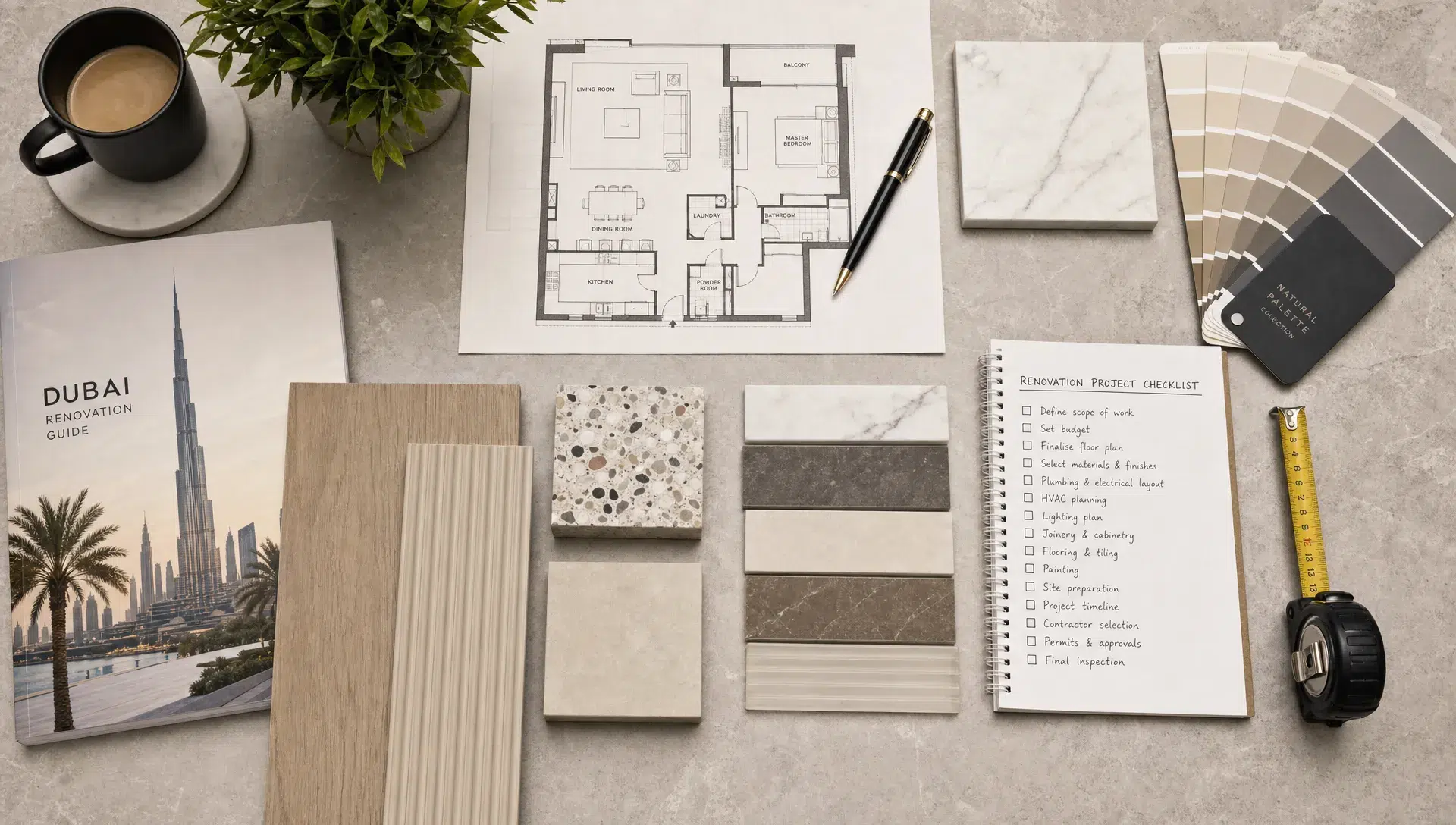
Procurement should follow the construction sequence. Long-lead items should be selected and ordered first, while easily available finishing accessories can be purchased later. However, do not leave visible items too late, because last-minute choices often lead to mismatched finishes.
Inspect hidden renovation work before closing walls and floors
The most important parts of a renovation are often the parts you cannot see after handover. Plumbing lines, waterproofing, electrical wiring, drainage slopes, AC adjustments, and wall preparation determine whether the final finish performs well.
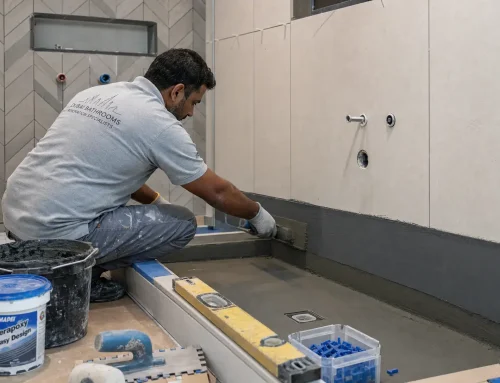
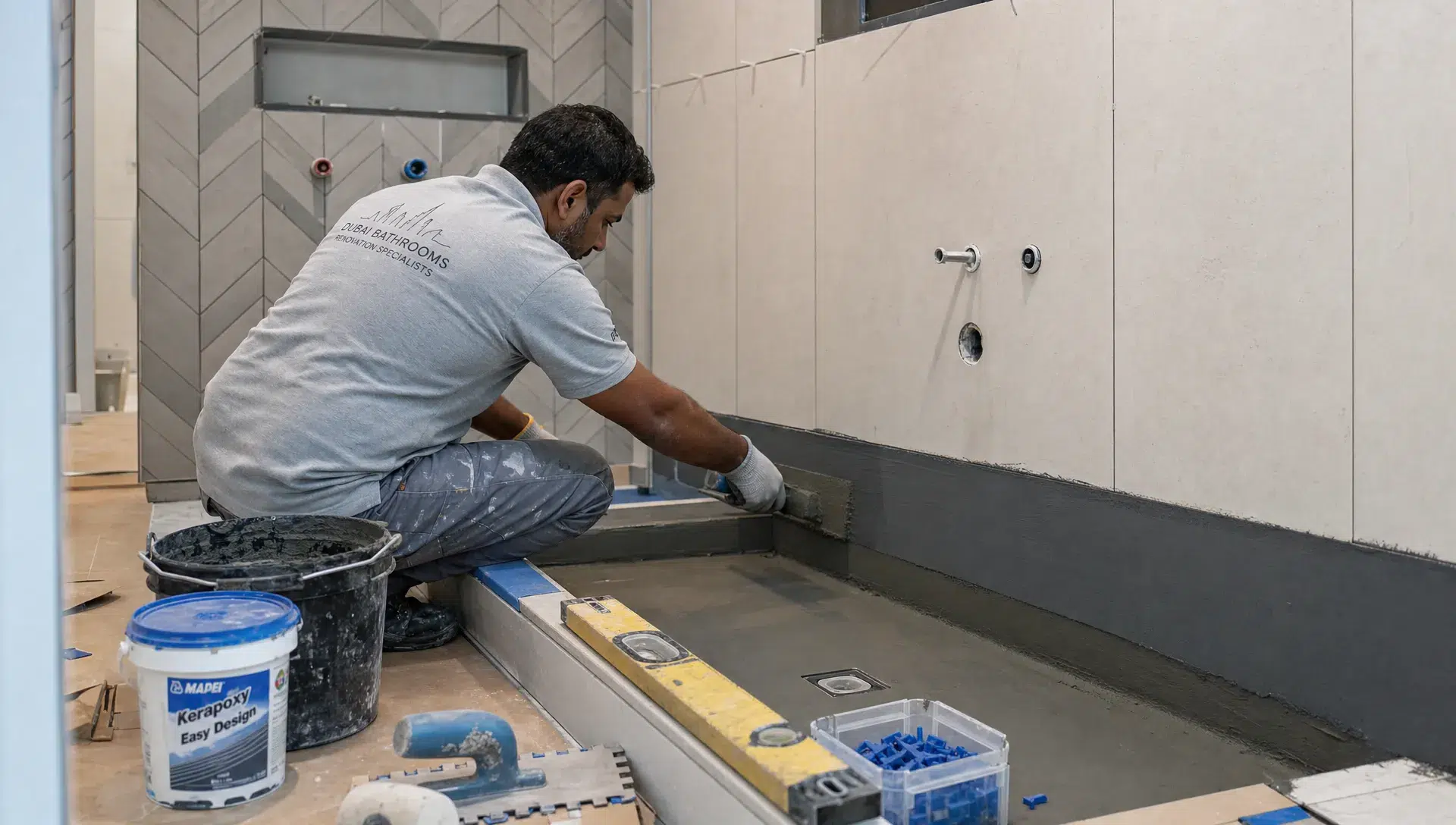
In Dubai homes, bathrooms and kitchens deserve extra attention because water leakage can affect neighboring units, lower floors, cabinets, ceilings, and flooring. Before tiles are installed, confirm waterproofing coverage, drainage points, pipe pressure testing, and slope direction. For a deeper room-specific process, this complete bathroom renovation guide explains why waterproofing, drainage, and ventilation are critical.
For electrical work, confirm the number and location of sockets, dedicated appliance points, lighting circuits, switches, dimmers, and any smart home requirements before closing ceilings or walls. For AC-related work, check access panels, diffuser positions, thermostat locations, and airflow comfort.
Use photos to document hidden work. A dated photo record of pipes and cables can be useful for future repairs, maintenance, or additional upgrades.
Keep site communication simple and documented
Even with a strong plan, renovation work involves many daily decisions. The goal is not to avoid every question, but to make sure answers are clear and recorded. Verbal instructions can be forgotten or misunderstood, especially when multiple trades are working at the same time.
Set one main contact person from your side and one from the contractor’s side. Agree how updates will be shared, how often site meetings will happen, and how urgent decisions will be handled. WhatsApp can be useful for quick updates, but important decisions should still be summarized clearly with photos, dimensions, or marked drawings where needed.
A weekly site review should cover progress against the timeline, pending decisions, upcoming deliveries, variation requests, quality concerns, and access issues. If a delay appears likely, discuss the cause early. Many delays can be reduced if materials, approvals, and dependencies are managed before the team reaches that stage.
Protect the property during work
Renovation is not only about what gets installed. It is also about protecting what should remain undamaged. In occupied homes, partial renovations, or apartment buildings, protection can prevent disputes and unnecessary repair costs.
Before work starts, document the existing condition of lifts, corridors, doors, flooring, walls, windows, neighboring areas, and any furniture that will remain on site. Use photos and videos. Confirm who is responsible for covering floors, sealing work zones, protecting AC vents from dust, and cleaning common areas.
Dust control is especially important during wall cutting, tile removal, gypsum work, and sanding. If the property is partially occupied, plan temporary barriers, daily cleaning, and safe walking routes. For villas, also protect landscaping, outdoor tiles, gates, and driveway areas during deliveries.
Check quality at each stage, not only at the end
A final snag list is useful, but it should not be the first time quality is reviewed. Stage-by-stage checks catch problems while they are still easy to fix. Once cabinets, tiles, paint, and glass are installed, correcting hidden mistakes can become disruptive and expensive.
| Project stage | Quality checks to complete |
|---|---|
| Demolition | Removed items match the approved scope, no unnecessary damage |
| Plumbing and electrical rough-in | Points match drawings, pressure tests completed, access maintained |
| Waterproofing | Coverage, upturns, drain areas, and testing checked before tiling |
| Flooring | Level, alignment, expansion gaps where required, clean transitions |
| Wall painting | Surface preparation, primer, even coverage, clean edges |
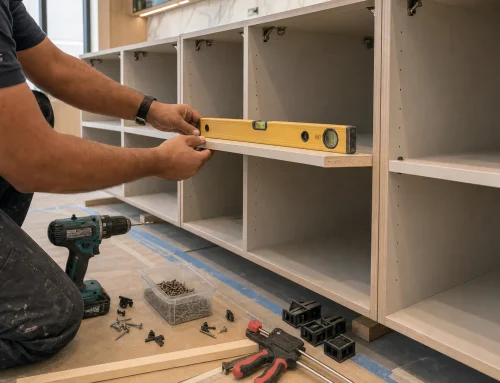
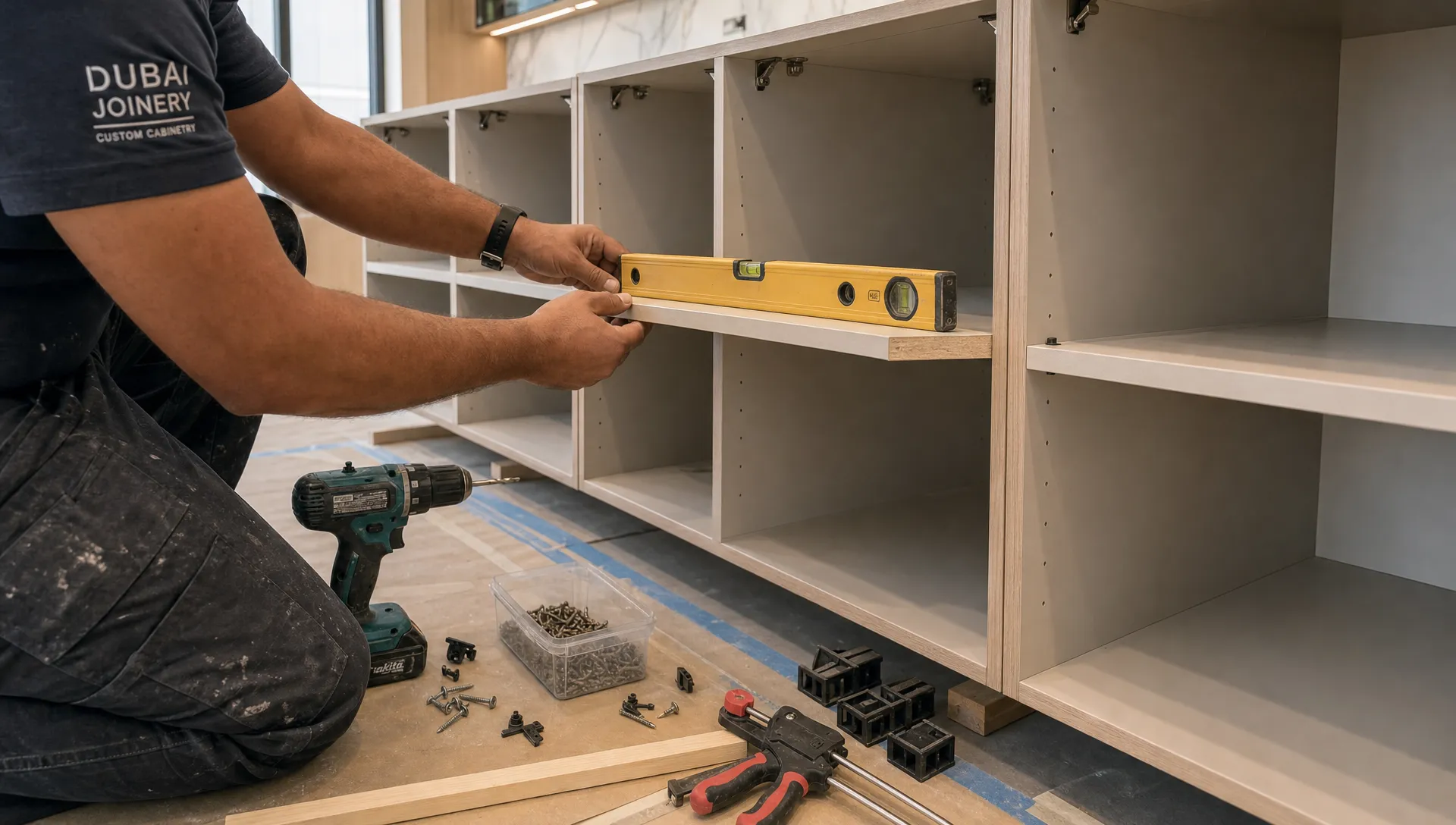
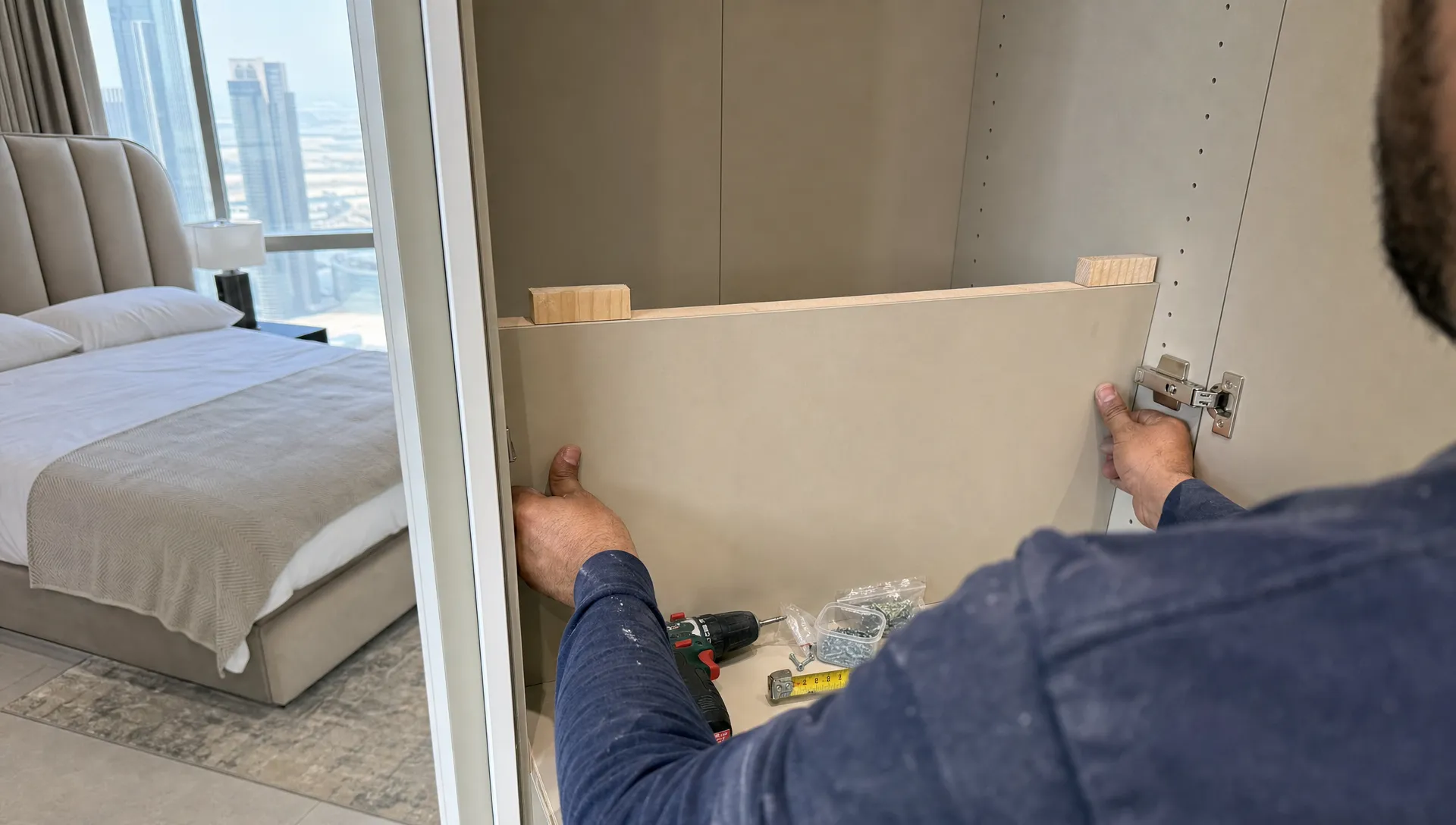
| Carpentry | Alignment, soft closing hardware, internal finish, door gaps |
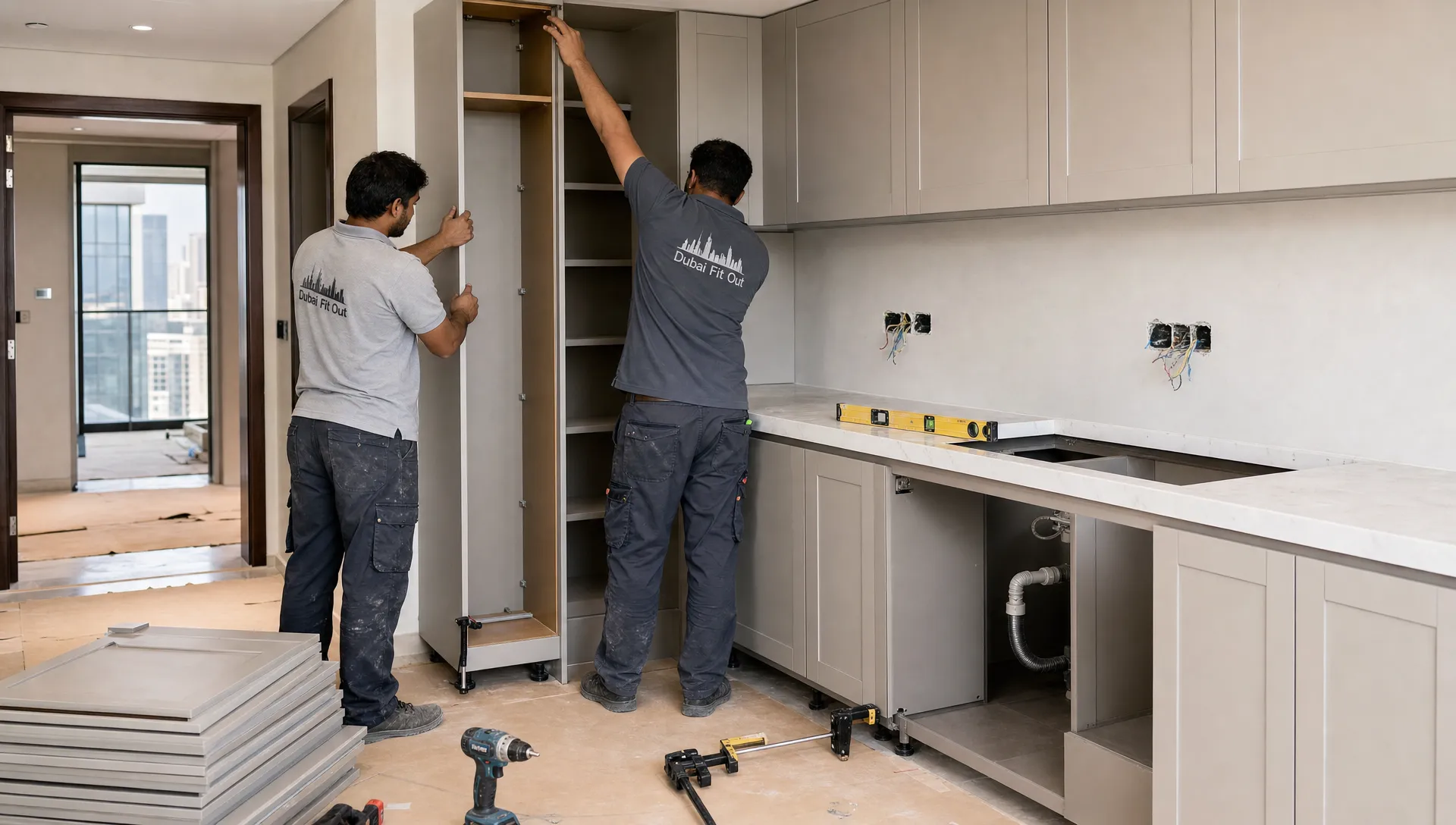
| Kitchen installation | Appliance fit, countertop cutouts, sink sealing, lighting, storage access |
| Final snagging | Cracks, scratches, leaks, loose fittings, paint touch-ups, cleaning |
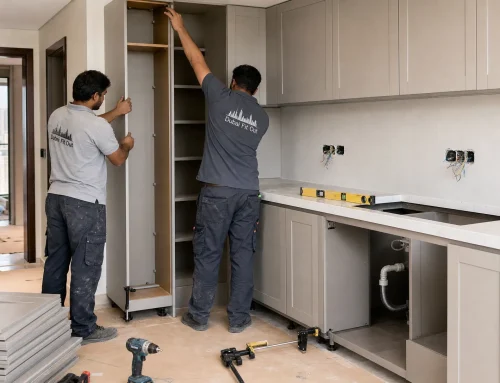
For kitchens, do a separate inspection before countertop cutting and appliance installation. Measurements must be accurate, because small errors can affect cabinet doors, sink placement, hob clearance, and backsplash alignment. This complete kitchen renovation checklist is useful if your project includes a major kitchen upgrade.
Manage variations before they affect the timeline
Variations are changes to the original scope. They can happen because the homeowner changes a finish, hidden site conditions are discovered, or a missing item is identified. Variations are normal in renovation work, but they should never be handled casually.
Every variation should explain what is changing, why it is needed, how much it will cost, whether it affects the timeline, and whether it changes any other trade’s work. Approve variations in writing before the work proceeds. This avoids disagreements at payment time and helps the contractor schedule labor and materials correctly.
Be especially careful with small changes that seem harmless. Moving a socket, changing tile size, adding shelves, or adjusting a ceiling detail can affect drawings, procurement, labor time, and finishing quality.
Prepare a proper handover checklist
Handover should be more than receiving the keys and walking through the finished rooms. It is your opportunity to confirm that the renovation work is complete, functional, clean, and documented.
During handover, test everything that moves, opens, closes, drains, lights up, or connects to water or electricity. Run taps, flush toilets, test showers, check under-sink cabinets, open drawers, inspect paint in natural and artificial light, and test all switches and sockets. If appliances are installed, confirm fit and basic operation according to supplier instructions.
Ask for relevant documents such as product warranties, invoices for major materials, maintenance guidance, paint codes, spare tiles, spare flooring pieces, and photos of hidden MEP work if available. Keep these in one folder for future maintenance or resale purposes.
A good snag list is specific. Instead of writing “paint problem in bedroom,” write “uneven paint finish on left wall of master bedroom near window.” Add photos and mark locations clearly. Agree a reasonable timeline for corrections and final cleaning.
Quick renovation work checklist for Dubai projects
Use this condensed checklist before your project begins:
- Scope, drawings, finishes, and deadline are clearly confirmed
- Building or community approvals are checked before mobilization
- Quotation is itemized and exclusions are understood
- Material availability and lead times are verified
- Plumbing, electrical, AC, and waterproofing are inspected before closing surfaces
- Site protection, access, and waste disposal are planned
- Weekly communication and variation approval process are agreed
- Stage-wise quality checks are completed
- Snag list, documents, warranties, and final cleaning are handled at handover
This checklist will not remove every challenge, but it will help you control the decisions that most often cause delays, extra costs, and frustration.
Frequently Asked Questions
How long does renovation work take in Dubai? The timeline depends on the property type, scope, approvals, material availability, and contractor capacity. A cosmetic refresh may take much less time than a full villa, kitchen, or bathroom renovation involving MEP work and custom finishes.
Do I need approval for renovation work in a Dubai apartment? In many apartment buildings, you need approval from building management or the developer before work starts. Requirements vary, so confirm the process before demolition, deliveries, or noisy work.
What should I check before paying the final renovation amount? Complete a snag inspection, test plumbing and electrical items, review paint and finishing quality, confirm cleaning, collect warranties or invoices, and make sure agreed corrections are documented.
Why is waterproofing so important in Dubai bathroom renovations? Waterproofing protects floors, walls, ceilings, cabinets, and neighboring properties from leakage damage. It should be checked before tiling because repairs become much harder after finishes are installed.
How can I reduce delays during renovation work? Finalize decisions early, order long-lead materials on time, secure approvals before mobilization, document site decisions, and inspect hidden work before walls, ceilings, or floors are closed.
Plan your Dubai renovation with confidence
A smoother project starts with a clear scope, organized approvals, realistic budgeting, and careful quality checks at each stage. If you are planning home, villa, kitchen, bathroom, interior, or fit-out renovation work in Dubai, Best Renovation can help you turn your ideas into a practical, well-managed project.
Visit Best Renovation to discuss your renovation goals and plan the next step with an experienced Dubai renovation team.