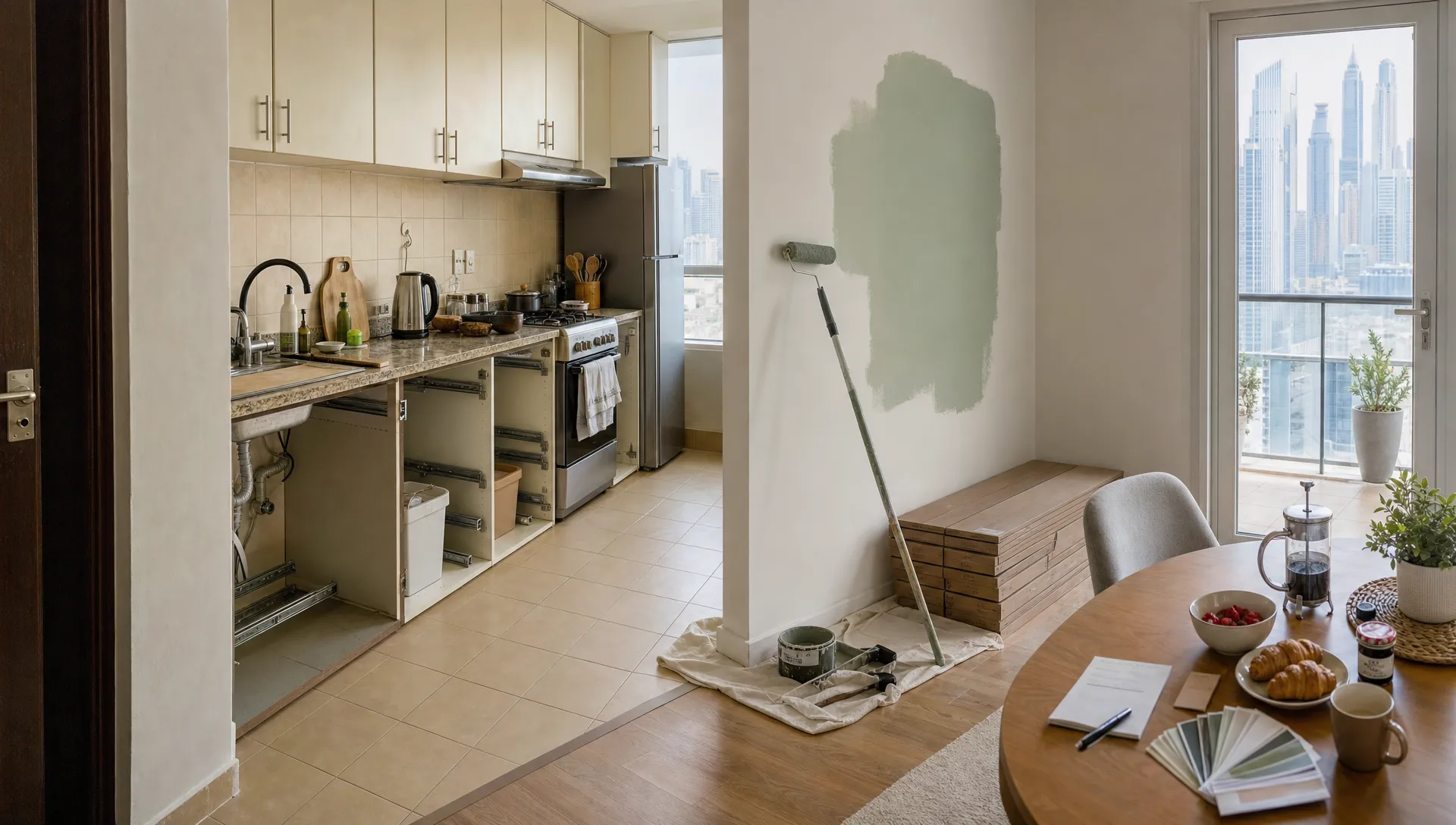
A better home is rarely the result of one dramatic design idea. It comes from hundreds of practical decisions made before demolition begins: where plumbing can move, how light travels through the room, what storage the family actually needs, which finishes can handle daily use, and how each trade will work without causing avoidable delays.
That is where experienced residential renovation contractors add value. They do more than execute drawings. They help turn a homeowner’s goals into a realistic plan that balances comfort, style, safety, approvals, budget, and long-term maintenance.
In Dubai, this planning stage is especially important. Apartments, villas, townhouses, and older properties all come with different rules, building systems, community guidelines, and climate considerations. A contractor who understands these conditions can help create a home that looks better, works better, and stays easier to live in after the renovation is complete.
Better homes begin with a clear renovation brief
Good planning starts with a question that sounds simple but is often overlooked: how should this home support daily life?
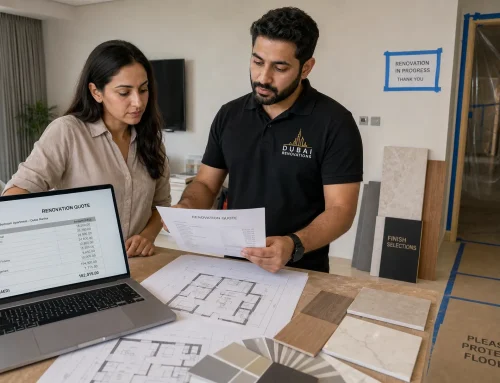
Before discussing tiles, paint colors, cabinetry, or lighting styles, residential renovation contractors should understand the people who will use the space. A couple renovating an apartment in Dubai Marina may need smarter storage, better acoustic comfort, and a more efficient kitchen. A family renovating a villa in Jumeirah may need larger bathrooms, safer flooring for children, upgraded outdoor areas, and a better connection between living and dining spaces.
A strong renovation brief usually clarifies:
- The main problems with the current layout
- The rooms that need the most attention
- Storage needs, privacy needs, and lifestyle habits
- Preferred design style and maintenance expectations
- Budget range and ideal completion timeframe
- Any building, community, or landlord restrictions
This brief becomes the reference point for every decision that follows. Without it, projects can become reactive. With it, contractors can recommend changes that improve the home rather than simply replacing old finishes with new ones.
For homeowners still shaping their ideas, it can help to explore how home renovation design services improve daily living before finalizing the scope.
Contractors study the existing home before proposing changes
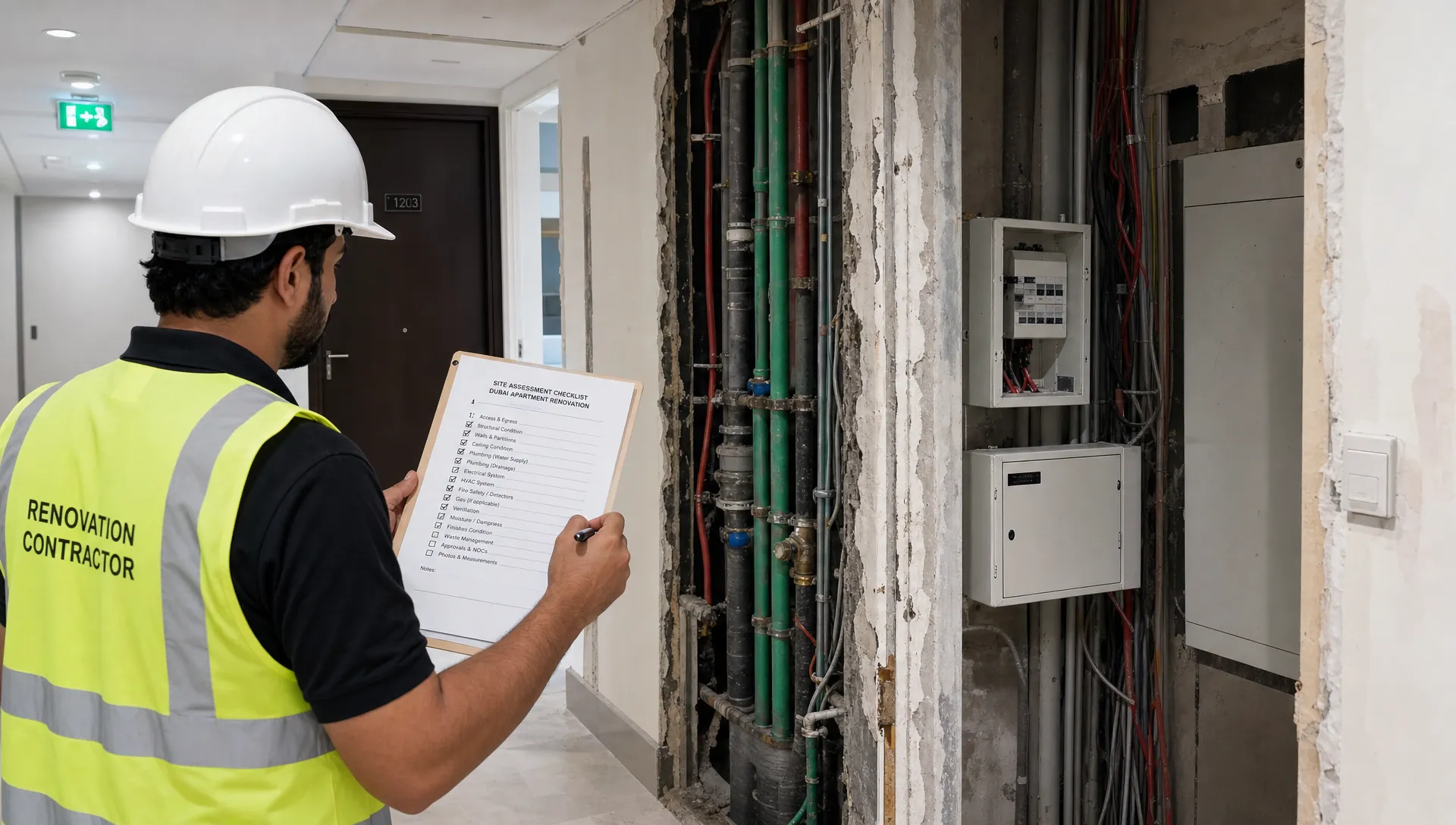
A beautiful concept is only useful if it can be built correctly. That is why the site assessment is one of the most important planning steps.
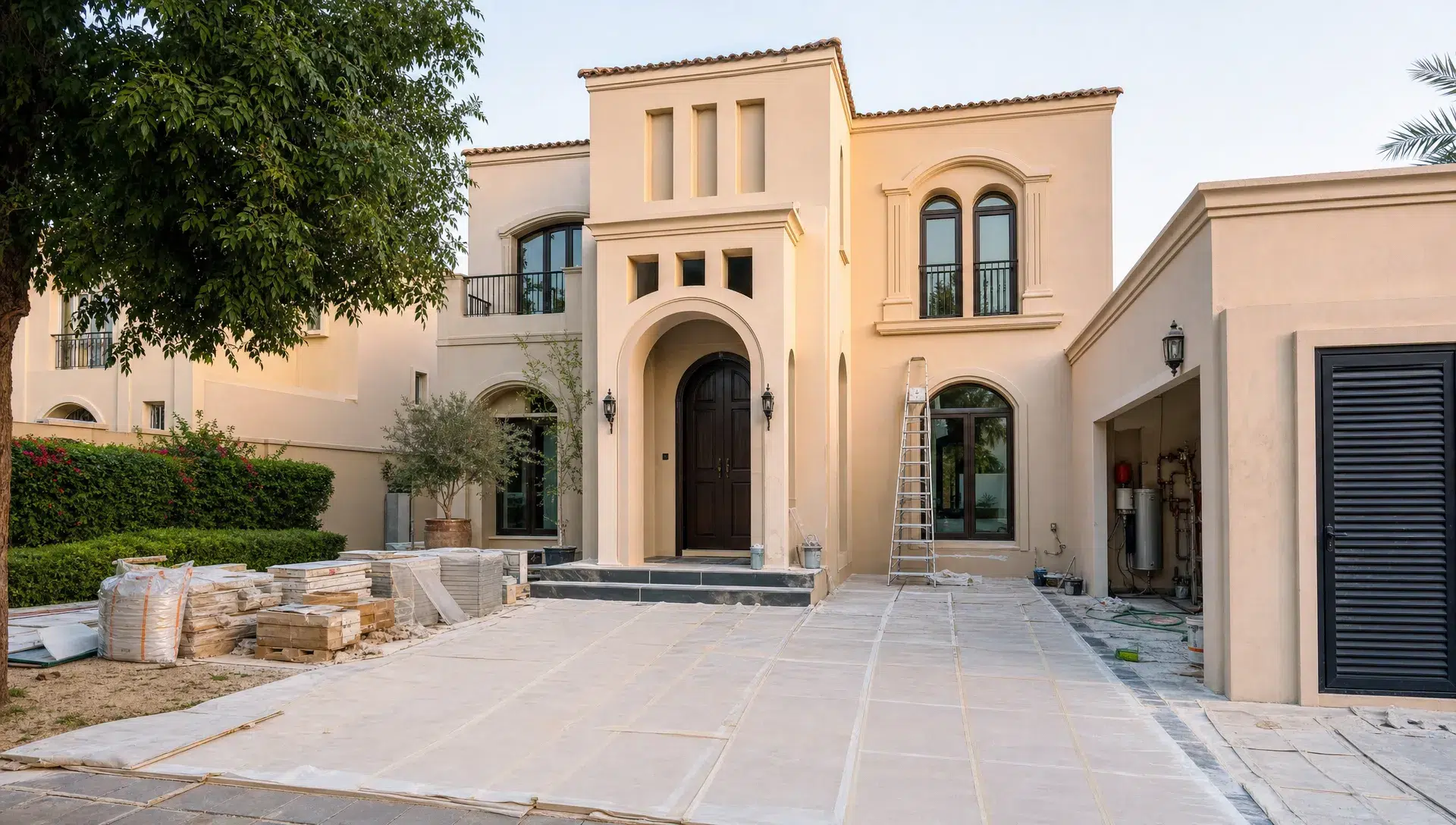
Contractors inspect the current structure, walls, floors, ceilings, plumbing lines, drainage points, electrical capacity, air conditioning routes, waterproofing conditions, and access limitations. In apartments, they may also need to account for service shafts, building management rules, elevator access, working-hour restrictions, and noise control. In villas, the assessment may include outdoor drainage, roof condition, boundary walls, landscaping, façade finishes, and additional MEP requirements.
This stage helps prevent expensive surprises later. For example, a homeowner may want to move a kitchen sink to an island, but the drainage slope, floor depth, and building rules may limit what is possible. A bathroom may look ready for a simple upgrade, but hidden waterproofing failure can change the scope. A wall may appear non-structural, but it still might contain wiring, AC ducts, or plumbing that affects cost and schedule.
Good contractors identify these constraints early so the design can adapt before materials are ordered and work begins.
Planning means aligning design, approvals, and buildability
In Dubai, a renovation is not only a design exercise. It may involve approvals from building management, developers, communities, owners associations, or relevant authorities depending on the property type and scope of work.
Minor cosmetic upgrades may be straightforward, while structural changes, plumbing relocation, façade changes, major electrical work, or layout modifications can require more documentation. The Dubai Building Code is one reference point for technical standards, but each property can also have its own community or building requirements.
This is why planning must connect three things:
- Design intent, meaning what the homeowner wants the space to become
- Technical feasibility, meaning what the existing building can safely support
- Approval requirements, meaning what must be submitted or confirmed before work starts
When these areas are planned together, the project is more likely to move smoothly. When they are treated separately, homeowners may face redesigns, delays, rejected material deliveries, or work stoppages.
If you are preparing to compare contractors, a practical home renovation contractors checklist can help you ask the right questions before signing an agreement.
The planning framework residential renovation contractors use
While every home is different, well-managed renovation planning usually follows a structured process. This keeps decisions organized and helps homeowners understand how each stage affects the next.
| Planning stage | Key question | Why it matters |
|---|---|---|
| Lifestyle brief | How will the household use the space every day? | Ensures the renovation solves real comfort, storage, and flow problems |
| Site assessment | What conditions already exist behind the finishes? | Reduces hidden risks related to plumbing, electrical, AC, and structure |
| Concept planning | Which layout improves function without creating technical issues? | Aligns design ideas with buildable solutions |
| Approvals review | What permissions are needed before work begins? | Helps avoid delays, penalties, or rejected works |
| Material selection | Which finishes suit Dubai’s climate and daily use? | Improves durability, safety, and long-term maintenance |
| Budget planning | Where should money be prioritized? | Keeps spending focused on high-impact upgrades |
| Schedule planning | Which trades must work first, and which must wait? | Prevents rework and reduces disruption |
| Handover checks | Has the work been tested, cleaned, and documented? | Gives homeowners confidence before moving back in |
Better material choices create easier homes to maintain
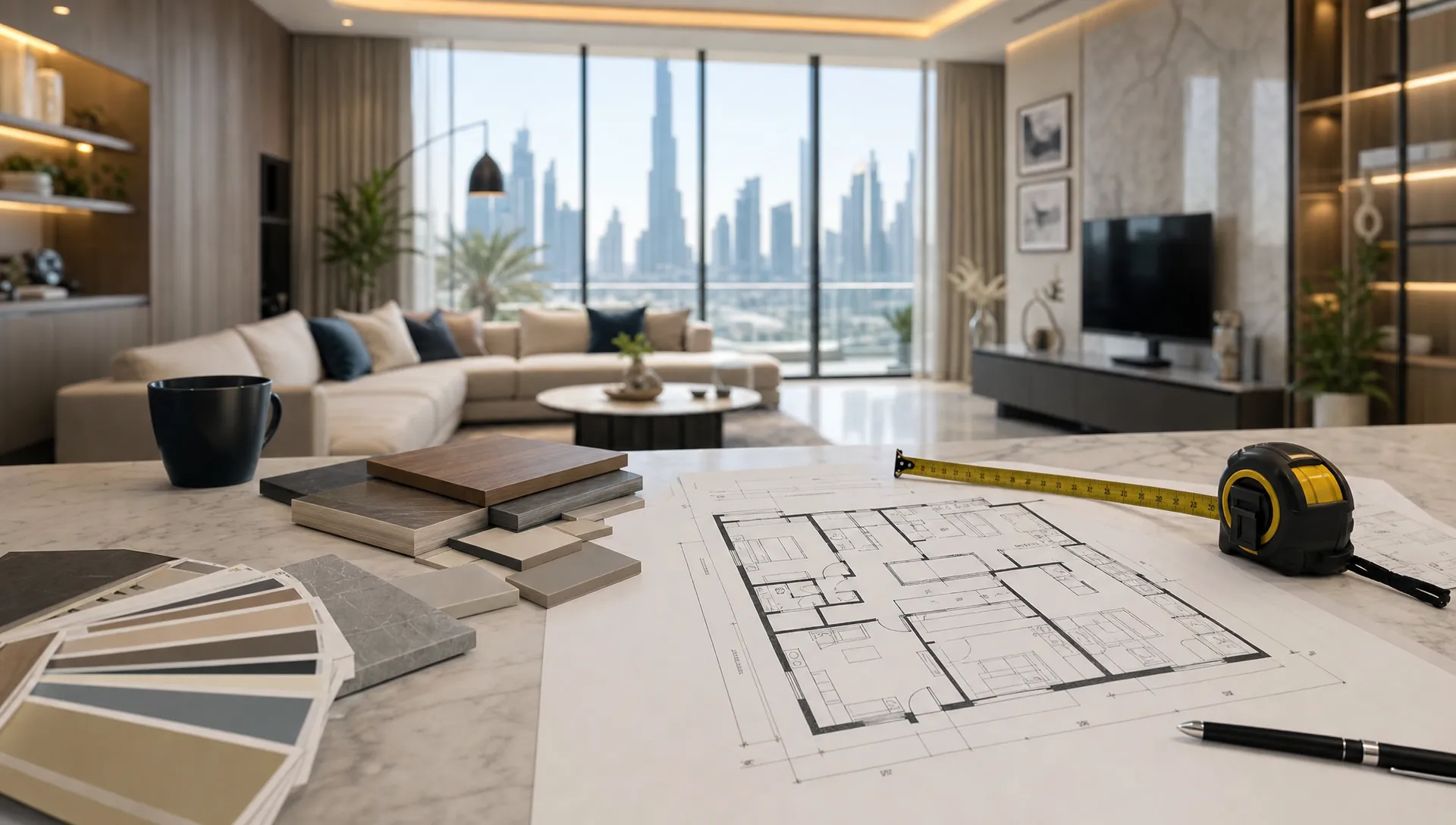
Materials are not just about appearance. In a busy household, the right finish can reduce cleaning time, improve safety, and extend the life of the renovation.
Dubai homes face heat, humidity, dust, strong sunlight, and frequent AC use. These conditions affect flooring, paint, cabinetry, outdoor finishes, sealants, and bathroom materials. A contractor who plans carefully will guide homeowners toward options that match the room’s purpose.
In kitchens, durable countertops, moisture-resistant cabinetry, practical backsplash materials, and efficient lighting matter as much as color. In bathrooms, anti-slip flooring, waterproofing, ventilation, drainage, and quality fittings are critical. In living rooms, flooring should handle foot traffic while supporting the desired style. In bedrooms, comfort, acoustic control, wardrobe planning, and lighting layers can make the room feel calmer.
The best renovation plan does not always choose the most expensive material. It chooses the material that fits the use, the budget, and the maintenance level the homeowner is willing to accept.
Smart budgeting protects the most important parts of the home
Many renovation problems begin when budgets are built around surface finishes only. A homeowner may allocate money for marble-look tiles, decorative lighting, or custom furniture, then discover that plumbing, waterproofing, electrical upgrades, or AC adjustments require more investment than expected.
Experienced residential renovation contractors help homeowners separate essential work from optional upgrades. Essential work protects safety, function, and durability. Optional upgrades improve appearance, luxury, or convenience.
For example, in a bathroom renovation, waterproofing and drainage should not be compromised to save money for decorative accessories. In a kitchen remodel, electrical safety and ventilation should come before purely aesthetic features. In a villa renovation, roof issues, moisture problems, and external cracks should be addressed before cosmetic repainting.
A clear budget plan should also include a contingency allowance. Renovations can reveal hidden conditions once walls, ceilings, or floors are opened. Setting aside a sensible contingency helps the homeowner respond without stopping the project or reducing quality in the wrong areas.
Scheduling is where planning becomes a smoother experience
A renovation can feel chaotic if trades arrive in the wrong order. Good contractors reduce disruption by sequencing work logically.
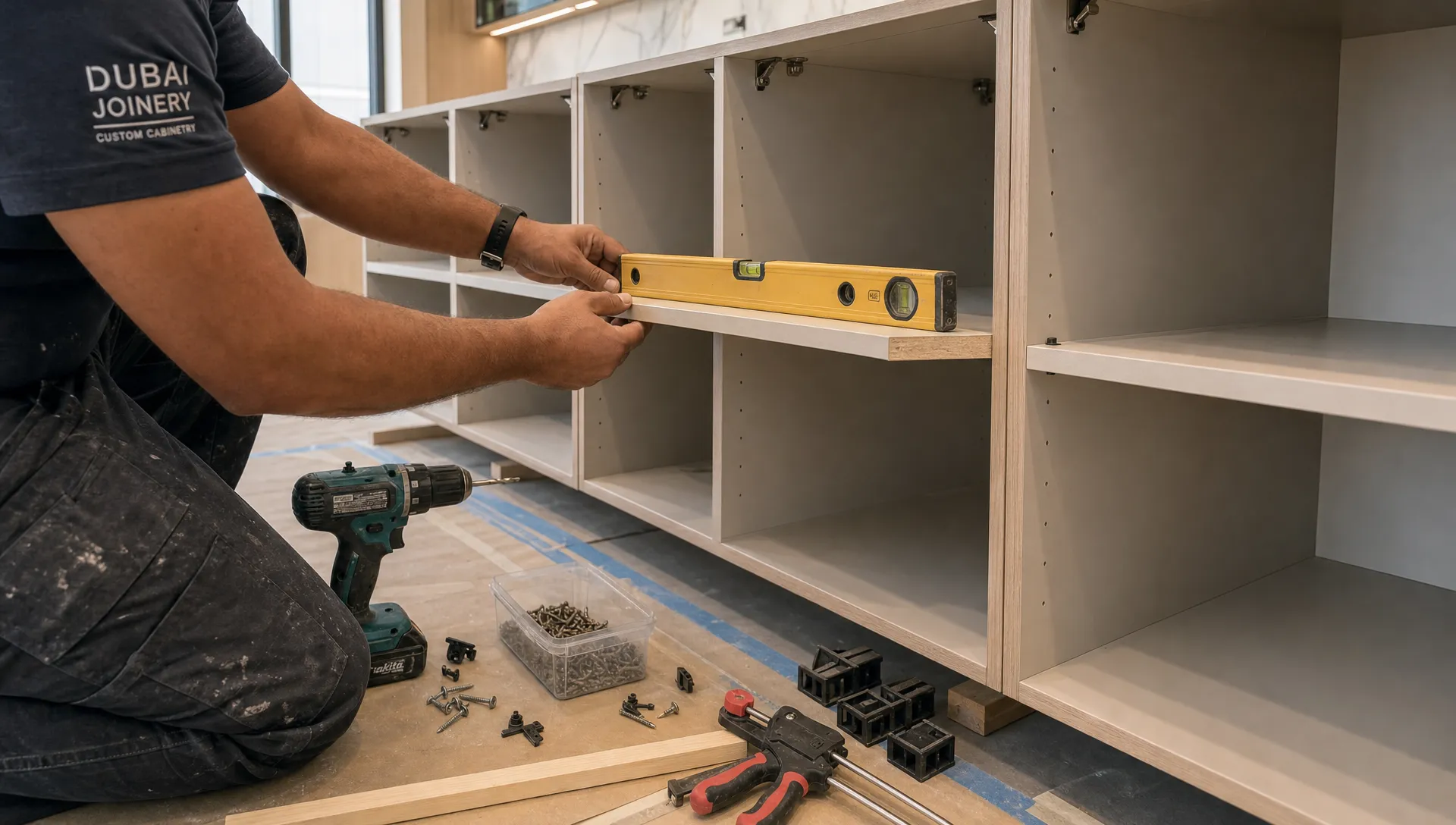
Demolition and protection usually come first. Then structural or partition changes are handled, followed by MEP rough-ins such as plumbing, electrical, and AC adjustments. Waterproofing and testing must happen before tiling in wet areas. Carpentry measurements are often finalized after walls and floors are prepared. Painting, flooring, fittings, lighting, and final touch-ups come later.
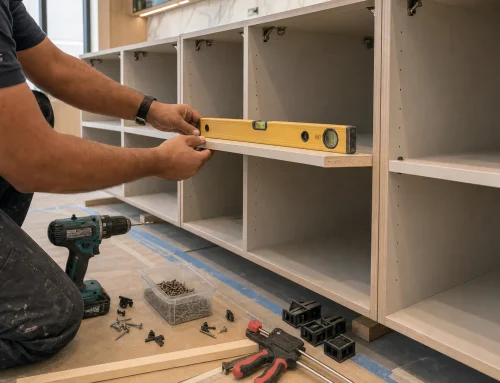
This order matters because one mistake can create rework. If tiles are installed before waterproofing is tested, leaks can become costly. If cabinetry is fabricated before final site measurements, gaps and alignment issues can occur. If paint is completed too early, it may be damaged by later installation work.
Good scheduling also considers the homeowner’s life. Families may need temporary kitchen access, phased bathroom work, dust protection, or a clear move-out and move-in timeline. In occupied homes, communication becomes just as important as workmanship.
How planning improves different areas of the home
A well-planned renovation improves each room in a different way. The goal is not just to make the home look new, but to make it easier to live in.
Kitchens become more efficient
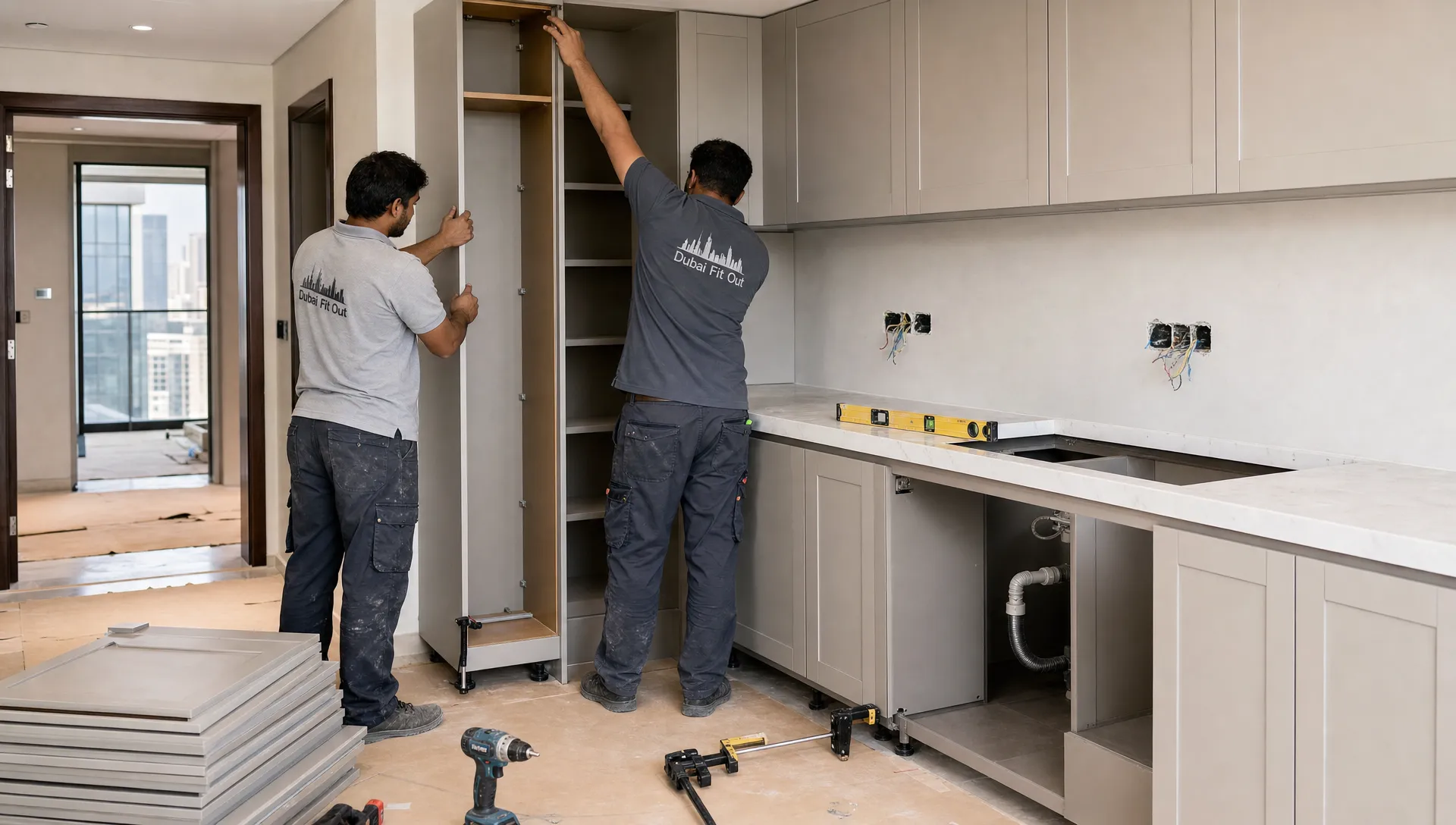
Kitchen planning focuses on movement, storage, appliance placement, lighting, ventilation, and cleaning. A contractor can help identify whether the existing layout should be retained, adjusted, or completely redesigned. Even small improvements, such as better cabinet organization or more useful counter space, can change how the kitchen feels every day.
Bathrooms become safer and more durable
Bathrooms require careful technical planning because they combine water, electricity, ventilation, and frequent use. The best bathroom renovations prioritize waterproofing, drainage slopes, anti-slip surfaces, accessible storage, and lighting around mirrors and showers.
Living areas become more comfortable
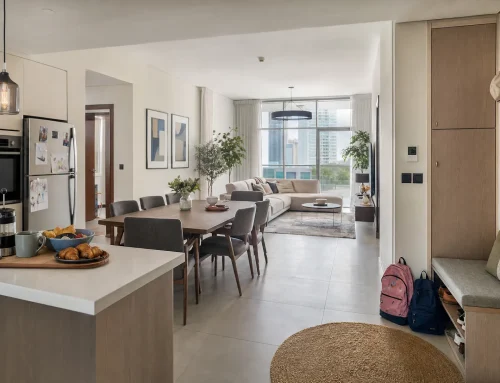
Living rooms and dining areas often benefit from improved circulation, better lighting layers, feature walls, flooring upgrades, and integrated storage. Contractors also consider AC airflow, curtain points, TV walls, and power outlets so the room functions well after furniture is placed.
Bedrooms become calmer and more practical
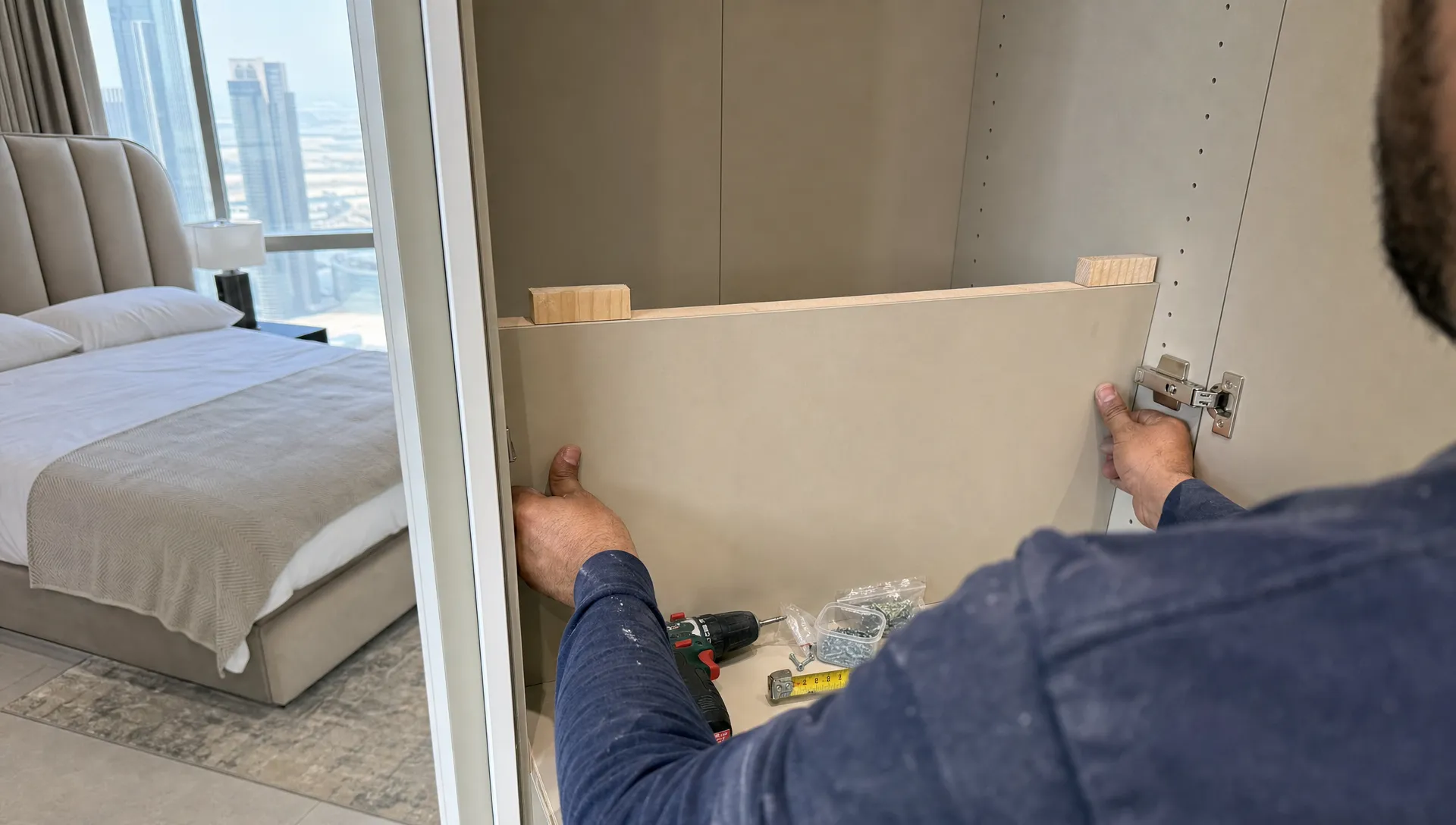
Bedroom planning often centers on wardrobes, lighting control, privacy, flooring comfort, and acoustic improvements. A good plan avoids overcrowding the room and creates storage that supports daily routines.
Villas can gain better indoor-outdoor flow
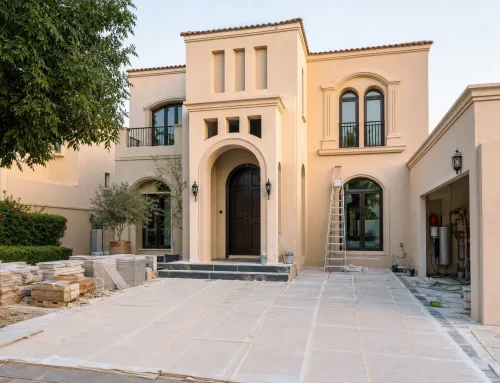
Villa renovations may include entrances, terraces, gardens, external finishes, boundary walls, roofing, or outdoor kitchens. Planning these areas carefully can improve both lifestyle and property appeal, especially when materials are selected for Dubai’s climate.
Communication is part of the plan, not an afterthought
Even a technically strong renovation can become stressful if communication is weak. Homeowners need to know what is happening, what decisions are pending, and what changes may affect cost or schedule.
A professional contractor should explain the scope clearly, document agreed works, confirm material selections, share realistic timelines, and raise issues early. This helps homeowners make informed choices instead of rushed decisions under pressure.
Change management is also important. Renovations often evolve as work progresses. A homeowner may decide to add storage, upgrade fittings, change lighting, or adjust finishes. These changes should be reviewed for cost, time, and technical impact before being approved.
Clear communication turns the contractor into a planning partner, not just a labor provider.
What to ask before your renovation plan is finalized
Before approving a renovation plan, homeowners should feel confident that the contractor has addressed both design and execution. Useful questions include:
- What problems in the existing home could affect the renovation?
- Which approvals or building permissions may be required?
- Are plumbing, electrical, AC, and waterproofing included in the scope?
- Which materials are recommended for durability and maintenance?
- What parts of the budget are essential and what parts are optional?
- How will the work be sequenced to reduce delays and rework?
- What testing and quality checks will happen before handover?
The answers reveal whether the contractor is thinking only about installation or truly planning a better home.
Frequently Asked Questions
What do residential renovation contractors do during the planning stage? They assess the existing home, understand the homeowner’s lifestyle, review technical constraints, coordinate design ideas, estimate budgets, identify approvals, plan materials, and schedule trades before work begins.
Why is planning so important for home renovation in Dubai? Dubai properties often have building rules, community guidelines, climate-related material needs, and technical restrictions. Planning helps avoid delays, rejected changes, hidden costs, and poor workmanship.
Can a contractor help improve my layout? Yes, an experienced contractor can suggest practical layout improvements based on plumbing, electrical points, AC routes, storage needs, circulation, and how the household uses the space.
How early should I contact a renovation contractor? It is best to contact a contractor before finalizing designs or buying materials. Early input helps confirm feasibility, budget, approvals, and construction sequence.
Should I renovate one room at a time or the whole home? It depends on your budget, living arrangements, and the scope of work. Whole-home planning can improve coordination, while phased renovation may reduce immediate disruption and spread costs over time.
Plan a home that works better every day
The best renovations are not rushed into demolition. They are planned carefully, with attention to lifestyle, structure, approvals, materials, budget, and workmanship. When residential renovation contractors take time to understand the home before changing it, the result is more comfortable, more practical, and more durable.
If you are preparing to renovate an apartment, villa, kitchen, bathroom, or full home in Dubai, Best Renovation offers residential and commercial renovation services including interior design, fit-out solutions, plumbing, carpentry, wooden flooring, and wall painting. You can learn more about working with a renovation contractor company in Dubai and start shaping a clearer plan for your space.