Managing a contractor renovation is not about watching every tile being laid or calling the site team ten times a day. It is about removing uncertainty before it turns into downtime. In Dubai, where approvals, building access, material availability and multiple trades can all affect progress, small gaps in planning can quickly become days or weeks of delay.
The good news is that most delays are predictable. If you know where renovation projects usually slow down, you can control the schedule more confidently, make faster decisions and keep your contractor focused on the critical path.
Why contractor renovation delays usually happen
Most renovation delays do not come from one dramatic problem. They often come from a series of small unresolved decisions. A tile is not selected, an access pass is missing, a waterproofing inspection is not booked, or a change request is discussed verbally but not confirmed. Each issue may seem minor, but the site team cannot work efficiently when the next step is unclear.
In Dubai homes, apartments and villas, the most common delay points include approvals, late material selections, design changes after work has started, hidden MEP issues, building management rules, delivery restrictions and unclear responsibility between the owner, contractor and suppliers.
A strong contractor can manage these moving parts, but the owner still plays a major role. Your decisions, response time and willingness to freeze the scope can directly affect the final completion date.
| Delay trigger | How it affects the project | How to reduce the risk |
|---|---|---|
| Unclear scope | Contractor cannot price, schedule or assign trades accurately | Finalise drawings, specifications and room by room requirements |
| Late approvals | Site work may be paused before demolition or MEP changes | Confirm authority, developer and building management requirements early |
| Material delays | Trades wait for tiles, sanitaryware, joinery, lighting or flooring | Select and order key materials before work starts |
| Frequent design changes | Completed work may need to be removed or reworked | Use written variation approvals with time impact clearly stated |
| Poor site access | Workers, deliveries and waste removal are interrupted | Arrange passes, lift booking, parking and permitted work hours |
Start with a scope that is detailed enough to build
A renovation brief that says kitchen upgrade or full villa renovation is not enough for a reliable schedule. Your contractor needs to know exactly what is being demolished, replaced, repaired, supplied, installed and finished. The more detailed the scope, the fewer assumptions the contractor has to make.
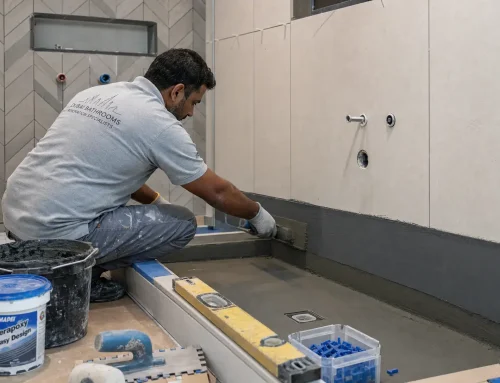
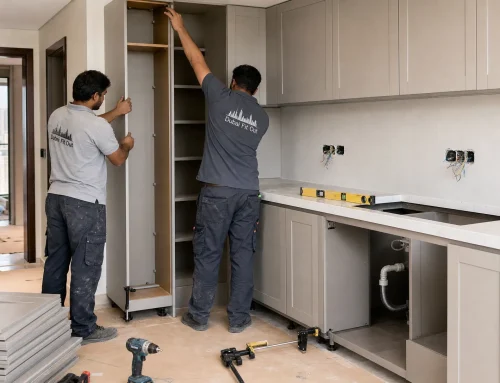
Before work begins, agree on the major scope items room by room. For example, a bathroom renovation should define whether waterproofing, plumbing relocation, ceiling work, lighting, sanitaryware, vanity joinery, tiles, mirrors and accessories are included. A kitchen renovation should define cabinets, countertops, appliances, backsplash, plumbing, electrical points, flooring, ventilation and painting.
If you are still preparing your project brief, this home renovation contractors checklist can help you organise the key details before site work begins.
A buildable scope should also separate fixed items from allowances. Fixed items are already selected and priced. Allowances are estimated budgets for items that are not yet chosen. Allowances are useful, but too many of them can make the timeline unstable because selections still need to be made later.
Confirm approvals before mobilisation
In Dubai, approvals depend on the property type, location and scope of work. A simple cosmetic refresh may only need building management coordination, while structural changes, facade works, major MEP alterations, commercial fit-outs or certain villa modifications may need additional authority or developer approvals.
Depending on the project, approvals may involve building management, community management, the master developer, Dubai Municipality, Dubai Development Authority, Trakhees, Civil Defence or other relevant bodies. For building related requirements, Dubai Municipality's Building Control services are a useful starting point, but your contractor should confirm which process applies to your specific property.
Ask your contractor to give you a clear approval tracker before work starts. It should include the required documents, responsible party, submission date, expected response stage and whether work can begin before approval is issued. Do not assume that verbal permission from security or building staff is enough.
Approval related delays often happen because owners begin demolition too early. If the building management later asks for documents, work may stop while the team waits. This is especially frustrating because the site is already dusty, noisy and inconvenient, but progress is blocked by paperwork.
Build the schedule around dependencies, not optimism
A good renovation schedule is not just a list of dates. It shows which activities depend on other activities. Painting cannot be properly completed before dusty cutting work is finished. Carpentry installation should not happen while wet works are still creating moisture. Final ceiling closure should not happen before electrical, AC and plumbing checks are complete.
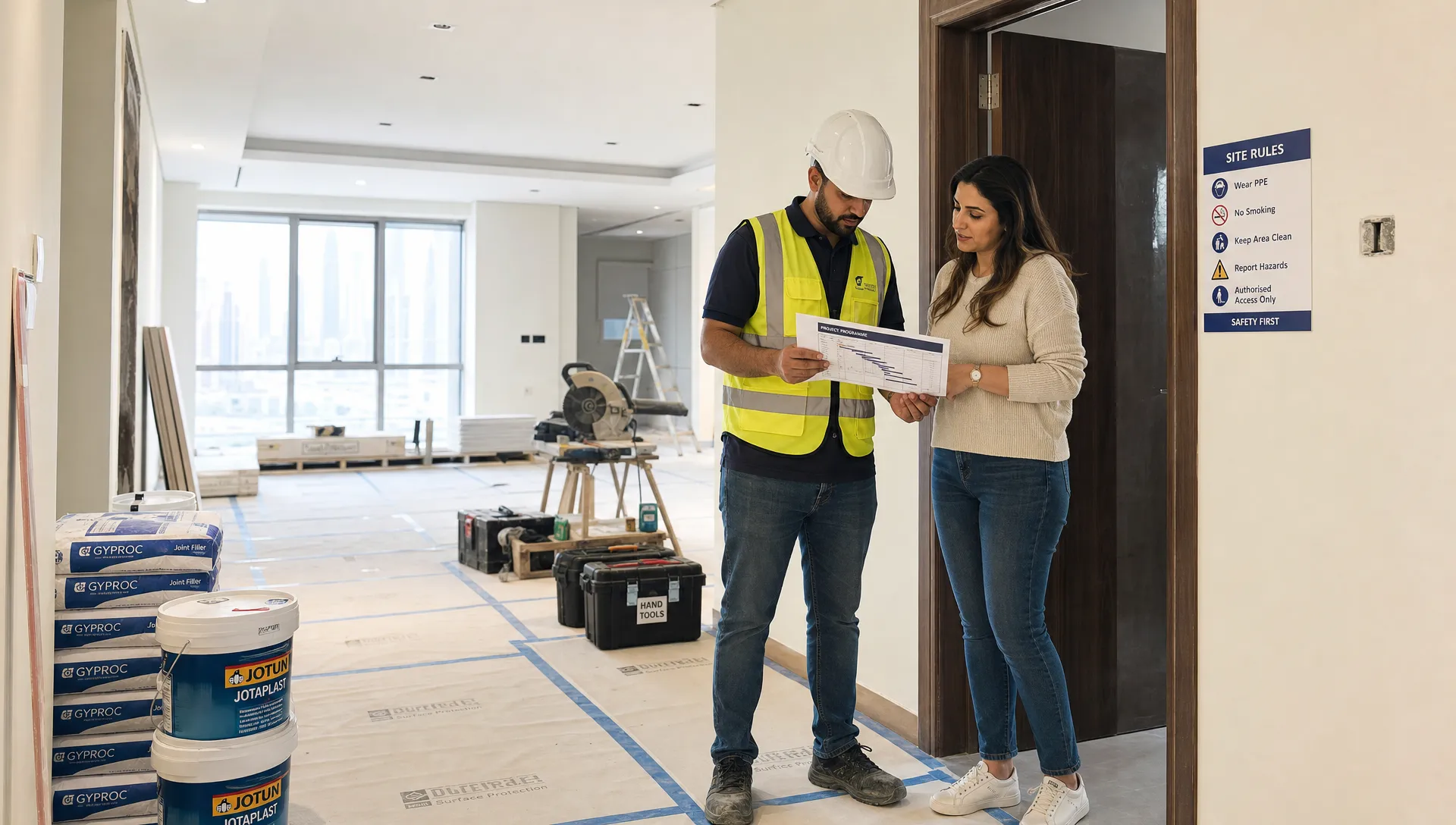
When reviewing the schedule, ask your contractor to explain the critical path. This is the chain of tasks that directly controls the completion date. If one critical task slips, the whole project may slip.
| Project phase | What must be ready before it starts | Owner decision needed |
|---|---|---|
| Demolition | Approval, access, protection, waste plan | Confirm what stays and what is removed |
| MEP rough-in | Final layouts for plumbing, power, lighting and AC | Approve locations for fixtures, switches and appliances |
| Waterproofing and wet works | Plumbing routes and floor levels | Approve tile layout and bathroom details |
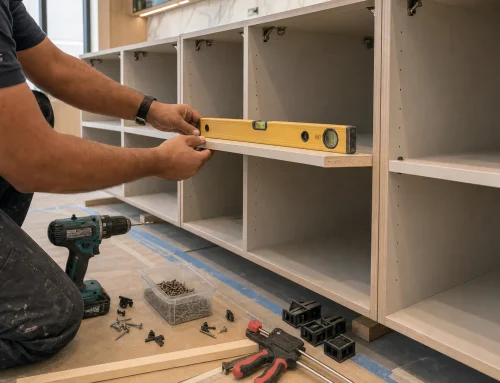
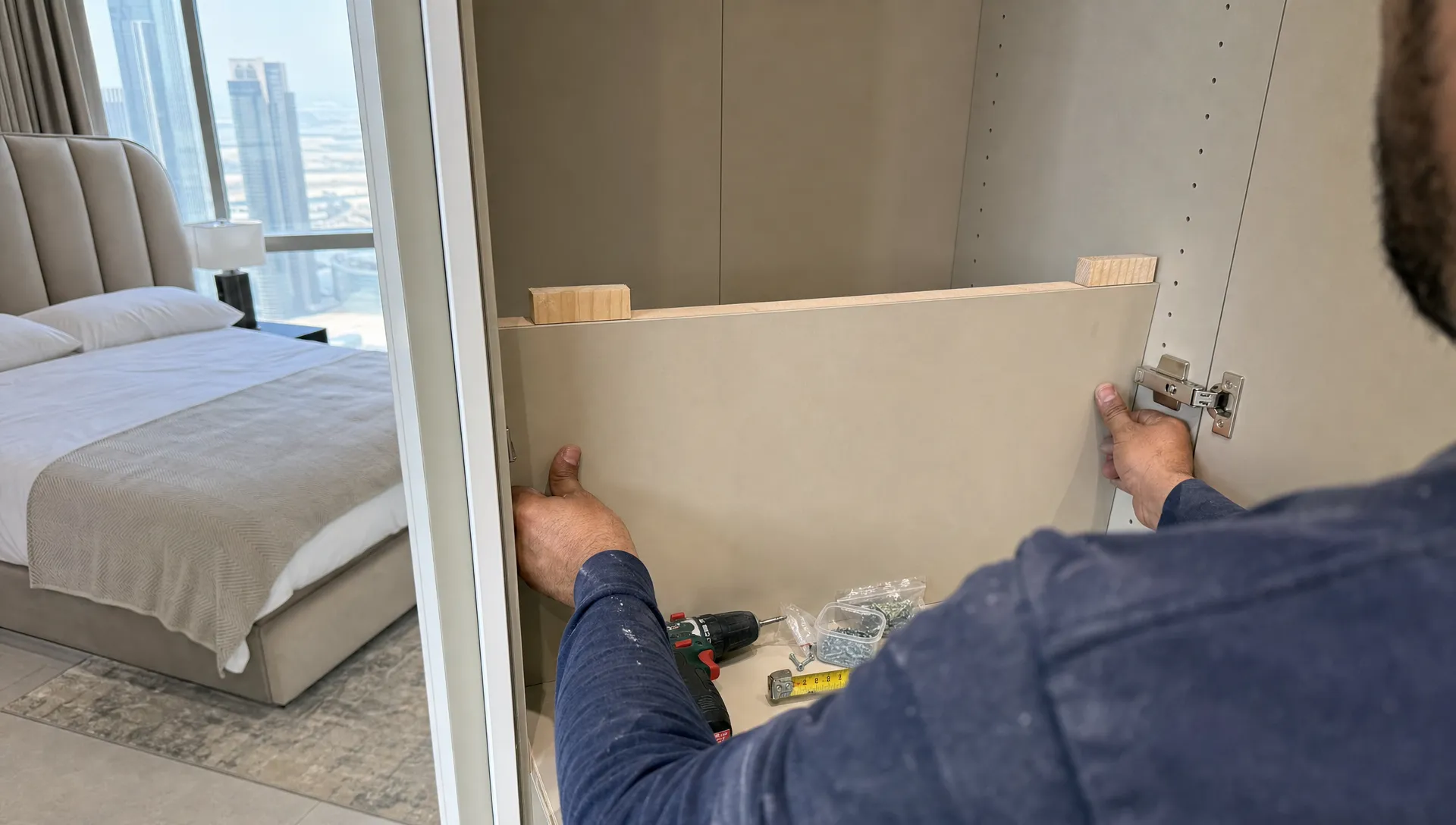
| Joinery production | Final measurements and material finishes | Confirm cabinet design, handles, colours and hardware |
| Flooring and painting | Dusty works completed and surfaces prepared | Approve flooring type and paint colours |
| Final installation | Site cleaned and finishes protected | Confirm accessories, appliances and final fittings |
| Snagging | All main works completed | Inspect, list defects and agree close-out dates |
This kind of schedule helps everyone see what needs to happen next. It also prevents a common mistake: pushing visible finishing work too early just to make the site look advanced. A renovation that looks busy is not always moving efficiently.
Treat procurement as part of project management
Material procurement is one of the biggest reasons contractor renovation projects slow down. Tiles may be discontinued, sanitaryware may be out of stock, imported fittings may take longer than expected, and custom joinery cannot be produced until final finishes are approved.
The safest approach is to identify long-lead and decision-heavy items before work begins. In most home renovation projects, these include tiles, sanitaryware, mixers, bathtubs, kitchen cabinets, countertops, appliances, doors, special lighting, wooden flooring, wall panels and custom furniture.
Do not wait for the contractor to ask for each item on site. By then, the schedule may already be under pressure. Instead, create a procurement schedule that shows the last safe date for selection, ordering and delivery. If an item is not available, approve a replacement quickly and in writing.
For owners who are renovating while living in the property, procurement planning matters even more. A missing toilet, kitchen sink or electrical fitting can make part of the home unusable for longer than expected.
Keep communication structured and written
Good communication does not mean constant communication. It means the right information reaches the right person in a form that can be acted on. Phone calls are useful for urgent issues, but decisions that affect cost, design or timing should always be confirmed in writing.
Set a weekly coordination rhythm with your contractor. For larger projects, short daily updates may also be useful, especially during demolition, MEP work and finishing stages. The goal is to catch blockers before they affect the next trade.
A simple weekly update should cover:
- Work completed since the last update
- Work planned for the next week
- Decisions needed from the owner
- Materials due for delivery
- Approvals or inspections pending
- Variation requests and time impact
- Site issues, safety concerns or access problems
This is also where an experienced project team adds value. A well organised renovation company improves flow by sequencing design, procurement and site work together, as explained in this guide on how a property renovation company improves project flow.
Control variations before they control the timeline
Changes are normal in renovation. Once walls are opened, you may discover old plumbing, weak substrate, uneven floors or electrical routes that need adjustment. You may also decide that you prefer a different tile, cabinet finish or lighting layout. The issue is not the change itself. The issue is approving changes without understanding their effect.
Every variation should answer four questions: what is changing, why it is changing, how much it costs and how many days it adds or saves. Without this record, disagreements become more likely near the end of the project.
| Variation detail | Why it matters |
|---|---|
| Description of change | Prevents confusion about what is included |
| Reason for change | Separates owner preference from site necessity |
| Cost impact | Keeps the budget transparent |
| Time impact | Shows whether the completion date changes |
| Approval date | Confirms when the contractor was authorised to proceed |
Avoid giving informal instructions directly to individual workers. Site teams may try to be helpful, but changes should go through the contractor or project manager. This keeps responsibility clear and prevents one trade from making a change that affects another trade later.
Do not close hidden works too early
Some of the most expensive delays happen when hidden work has to be reopened. Plumbing, electrical, AC, waterproofing and structural supports should be checked before walls, ceilings and floors are closed. If a leak, slope issue or wiring mistake is found after tiling or painting, the repair takes longer and creates additional damage.
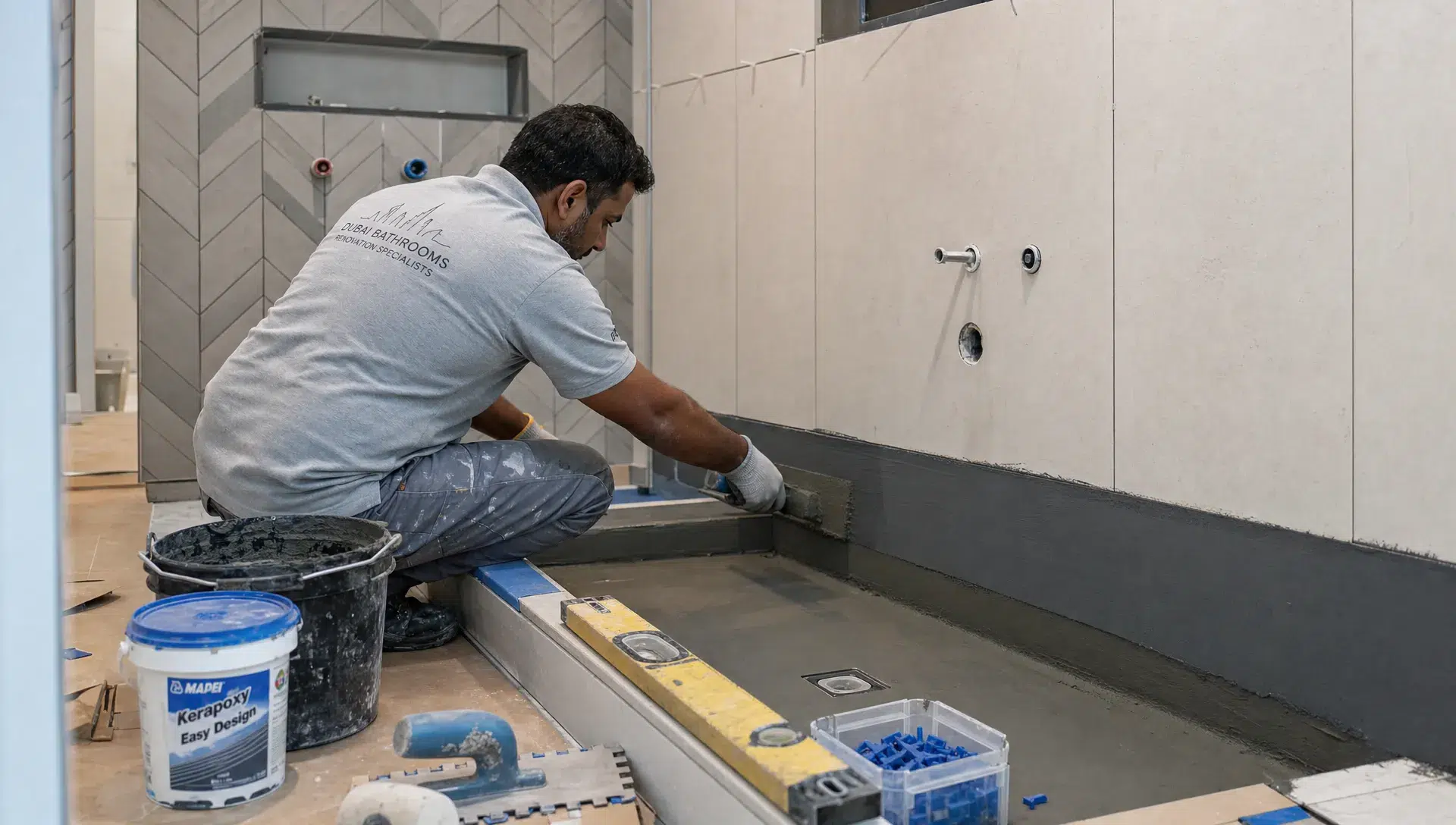
For bathrooms and wet areas, waterproofing deserves special attention. Make sure the contractor follows the correct preparation, application and testing process for the system being used. A flood test or inspection stage may be required before tiling. Skipping this step can save a day in the short term but create serious delays later.
The same applies to kitchen and laundry plumbing, AC drainage, ceiling access panels, electrical load planning and smart home wiring. If you want future maintenance to be easy, insist on access where it is needed and ask for basic documentation of hidden routes before closing.
Plan access, working hours and neighbour coordination
Many Dubai renovation delays are logistical rather than technical. In apartment towers and managed communities, contractors may need work permits, security registration, ID submissions, lift padding, service lift booking, parking permission and waste removal arrangements. Noise restrictions may also limit when drilling, cutting and demolition can happen.
Before mobilisation, ask your contractor and building management to confirm the site rules in writing. This includes permitted working hours, noisy work windows, delivery times, elevator use, disposal procedures and any deposit or protection requirements.
Neighbour complaints can also slow progress. Even if your work is approved, poor communication can create pressure from building management. If the renovation involves noisy demolition or heavy deliveries, giving reasonable notice to neighbours can reduce friction.
Use payments to support milestones
A clear payment structure keeps the contractor renovation moving without creating unnecessary risk for either side. Payments should be linked to milestones, not vague percentages of effort. For example, a project may have milestones for mobilisation, completion of demolition, MEP rough-in, waterproofing, tiling, joinery installation, painting, final installation and handover.
The exact structure should be agreed in the contract. The important point is that each milestone is measurable. If a payment is due after MEP rough-in, both parties should understand what completed MEP rough-in means. If a payment is due after final handover, the snagging process should be clearly defined.
Avoid delaying approved payments without reason, because this can slow procurement and subcontractor scheduling. At the same time, avoid paying too far ahead of actual progress. Balanced milestone payments encourage steady delivery and accountability.
Inspect continuously, not only at handover
Snagging at the end is important, but waiting until the final week to inspect everything creates pressure and frustration. Instead, inspect each phase while it is still easy to correct. Check tile alignment before the whole bathroom is finished. Confirm paint samples before full application. Review cabinet dimensions before production. Test lighting positions before ceiling closure.
Keep one shared snag list and update it regularly. Each item should have a location, description, responsible party and target close-out date. Photos are helpful, especially for small defects or finish issues.
At final handover, review the property in good lighting and test practical items. Open and close doors, drawers and cabinets. Run taps and showers. Check drainage, water pressure, switches, sockets, AC performance, paint touch-ups, silicone lines, tile edges and flooring transitions. A careful handover prevents small issues from becoming post-move-in disruption.
A simple management calendar for fewer delays
The easiest way to stay ahead of delays is to review the right items at the right time. You do not need to manage every technical detail, but you should know which decisions are urgent.
| Timing | What the owner should check |
|---|---|
| Before signing | Scope, drawings, quotation details, exclusions and payment milestones |
| Before mobilisation | Approvals, access, protection, procurement list and site rules |
| During demolition | Hidden conditions, removed items and any unexpected repair needs |
| During MEP work | Fixture positions, switch locations, drainage, AC and access panels |
| Before finishes | Tile layout, paint colours, flooring direction and joinery finishes |
| During final works | Appliance fit, accessories, lighting, doors, hardware and touch-ups |
| At handover | Snag list, warranties, maintenance notes and final cleaning |
If you have not appointed a contractor yet, it is worth taking time to choose carefully. This guide on how to hire the best contractor for home renovation explains what to check before committing.
Frequently Asked Questions
How can I stop my renovation contractor from delaying the project? Start with a detailed scope, approved drawings, clear material selections and a written schedule. Hold weekly coordination meetings, respond quickly to decisions and require written confirmation for variations that affect time or cost.
What should be included in a contractor renovation schedule? The schedule should include approvals, procurement, demolition, MEP work, waterproofing, tiling, flooring, carpentry, painting, final installation, testing, snagging and handover. It should also show dependencies, not only dates.
Who is responsible for renovation approvals in Dubai? Responsibility depends on the contract and project type. In many cases, the contractor helps prepare technical documents, while the owner may need to coordinate with building management or the developer. Always confirm responsibilities before work starts.
Do design changes always delay a renovation? Not always. A small change made early may have little effect, while a late change after materials are ordered or work is completed can cause major delays. Every variation should include a written time impact.
Is it better to buy materials myself or let the contractor supply them? Both options can work, but responsibilities must be clear. If you supply materials, you are usually responsible for selection, availability and timely delivery. If the contractor supplies them, make sure brands, models, quantities and allowances are clearly documented.
Keep your renovation moving with the right contractor
A delay-free renovation starts before the first worker arrives. Clear scope, timely approvals, early procurement, structured communication and disciplined variation control can make the difference between a stressful project and a smooth handover.
If you are planning a home, villa, kitchen, bathroom or interior renovation in Dubai, Best Renovation can help you plan and execute the work with a practical focus on quality, coordination and efficient delivery. Share your project goals early, ask the right questions and keep the process organised from day one.