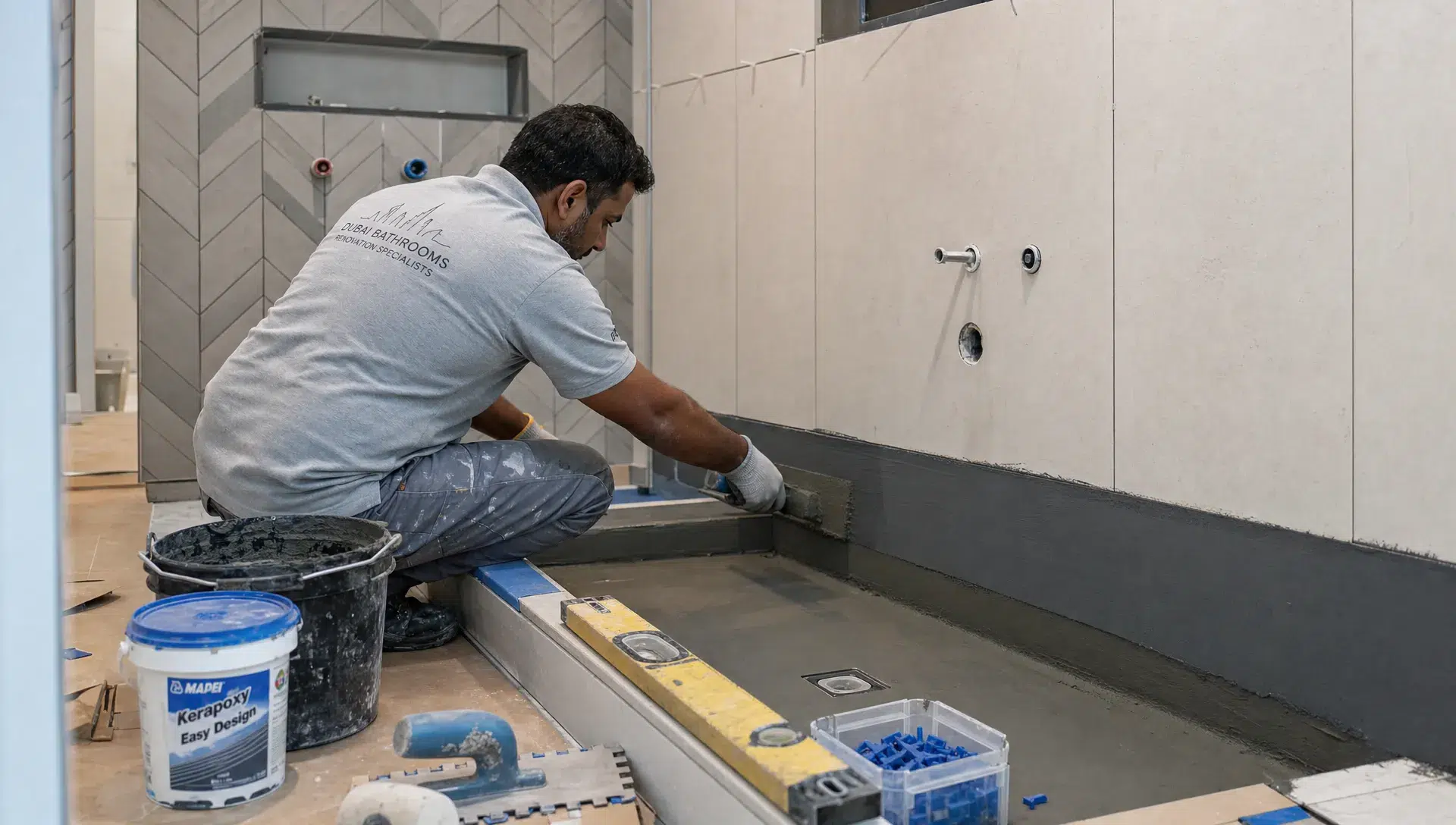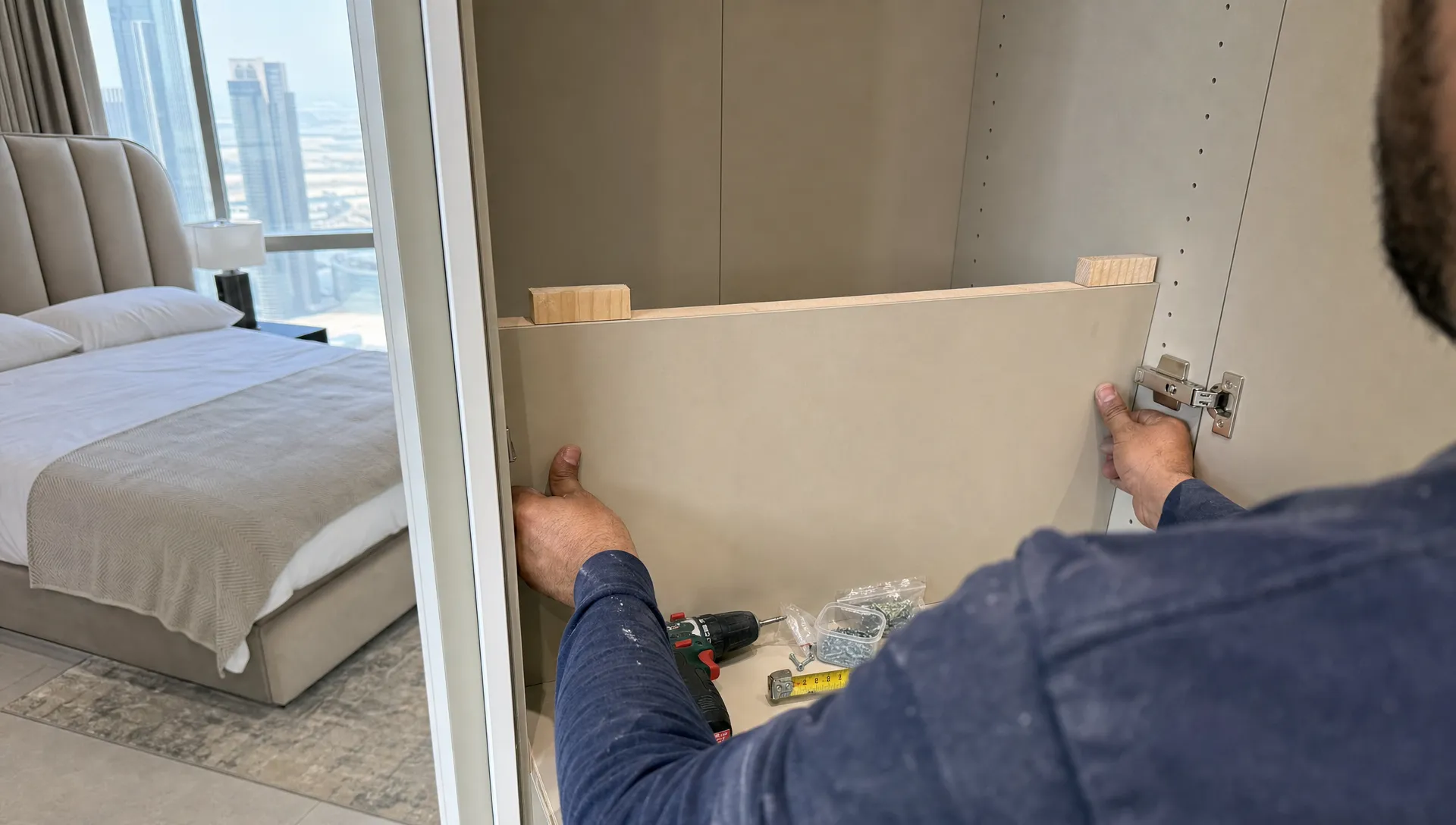
A good kitchen renovation service does far more than replace cabinets and install a new countertop. In Dubai homes, where apartment rules, villa layouts, MEP services and finishing standards can vary widely, the right service should turn a complicated upgrade into a controlled, well-sequenced project.
If you are comparing contractors, the real question is not only how much the renovation costs. It is what the service actually includes. A low quotation can become expensive if design drawings, approvals, plumbing changes, electrical upgrades, waste removal or final snagging are missing from the scope.
Below is a practical breakdown of what a professional kitchen renovation service should include, so you can review proposals clearly and avoid gaps before work begins.
A Proper Site Survey Before Any Design Is Finalized
Every reliable kitchen renovation starts with a site survey. This is not a quick look around the room. The contractor should measure the space accurately, inspect the existing cabinets, check floor and wall levels, review plumbing points, assess electrical capacity and understand ventilation routes.
In Dubai apartments, the survey should also consider building constraints such as service lift access, working hours, material delivery rules and common area protection. In villas, the contractor may need to check ceiling voids, drainage routes, gas provisions, water pressure and whether walls can be modified.
A proper survey helps the renovation team identify practical limits before you commit to a design. For example, moving a sink across the room may look simple on a mood board, but it can involve drainage slope issues, floor chasing, waterproofing and approval requirements. The earlier these constraints are spotted, the fewer surprises you face during construction.
If you are still at the early planning stage, this guide on where to start with kitchen renovation in Dubai homes can help you define your priorities before requesting quotations.
Design, Layout Planning and Daily Use
A kitchen renovation service should include layout planning, not just cabinet selection. The designer or contractor should ask how you cook, how many people use the kitchen, how often you entertain and what storage problems you currently face.
The layout should make movement easier between the sink, hob, oven, refrigerator and preparation areas. It should also account for appliance door swings, drawer clearance, bin placement, pantry access and countertop landing space near cooking zones.
For open kitchens, the service should consider how the kitchen connects with the dining or living area. For closed kitchens, ventilation, lighting and compact storage become even more important. In both cases, the design should balance appearance with practical use, especially in Dubai homes where kitchens often need to handle family cooking, hosting and staff use.
A complete design service may include measured drawings, 3D visuals, material boards, cabinet elevations and appliance placement plans. Not every project needs every document, but the quotation should state exactly what design deliverables are included.
Clear Scope of Work and Itemized Quotation
The quotation is one of the most important parts of any kitchen renovation service. A vague price for kitchen works leaves too much room for confusion. A professional proposal should separate materials, labor, preparation work, MEP modifications, cabinetry, countertops, fittings, painting, tiling and waste removal.
An itemized scope helps you compare contractors properly. One company may include plumbing, electrical work, backsplash tiling and appliance installation, while another may price only cabinets and countertops. Without detail, the cheaper option may not actually be cheaper.
A strong kitchen renovation quote should clarify the following:
- Cabinet material, finish, internal accessories and hardware brand or grade
- Countertop material, thickness, edge profile and installation method
- Sink, tap, hob, hood, oven, dishwasher and refrigerator provisions
- Plumbing, drainage, electrical points, lighting and ventilation work
- Wall tiles, floor finishes, painting, ceiling modifications and waterproofing where needed
- Demolition, disposal, protection, cleaning, timeline and payment stages
For a broader planning framework, you can use this complete kitchen renovation checklist alongside your contractor’s quotation.
| Service component | What it should include | Why it matters |
|---|---|---|
| Site survey | Measurements, MEP checks, access review and condition assessment | Prevents design errors and hidden cost increases |
| Design planning | Layout, storage, appliance positions and finishes | Creates a kitchen that works for daily use |
| Approvals guidance | Building management, developer or authority coordination when required | Reduces delays and compliance issues |
| MEP works | Plumbing, drainage, electrical, lighting and ventilation planning | Keeps the kitchen safe, functional and durable |
| Cabinetry | Carcass, shutters, hinges, drawers and internal storage details | Determines long-term performance and usability |
| Finishing works | Countertops, backsplash, flooring, painting and sealing | Completes the visual and practical result |
| Project management | Scheduling, trade coordination, site protection and supervision | Keeps the renovation organized |
| Handover | Snagging, testing, cleaning and care guidance | Confirms the kitchen is ready to use |
Approvals, Building Rules and Access Coordination
In Dubai, a kitchen renovation service should include guidance on approvals and building rules. The exact requirement depends on the property type, community, building management, developer and scope of work. Cosmetic updates may need only management coordination, while structural changes, major MEP relocation or external ventilation work can require formal review.
Dubai’s construction standards are shaped by the Dubai Building Code, but individual towers, villa communities and developers often have their own fit-out procedures. A renovation contractor should help you understand what applies to your project, which documents are needed and how work will be scheduled around permitted hours.
Access coordination also matters. Materials may need to be booked through service elevators. Floors, corridors and lifts may require protection. Noisy work may be limited to specific times. Waste disposal may need building approval. These details are not glamorous, but they can determine whether the project runs smoothly or becomes a daily headache.
MEP Planning: Plumbing, Electrical and Ventilation
MEP stands for mechanical, electrical and plumbing. In kitchen renovation, it is often the part that separates a simple cosmetic refresh from a serious service.
Plumbing work should include water supply, drainage, isolation valves, sink connections, dishwasher points and leak checks. If the sink or washing area is moving, the contractor should assess drainage slope and access for future maintenance. Poor drainage planning can cause slow water flow, smells or leaks after the kitchen is complete.
Electrical work should cover appliance loads, socket placement, lighting circuits, cooker or oven requirements, hood connections and safe access to switches. Modern kitchens use more appliances than older layouts were designed for, so the contractor should not simply reuse every existing point without checking suitability.
Ventilation is especially important in Dubai, where closed kitchens can trap heat, humidity and cooking smells. A renovation service should review the cooker hood position, ducting route and air movement. If ducting cannot be modified, the contractor should explain the limitation clearly instead of promising performance the system cannot deliver.
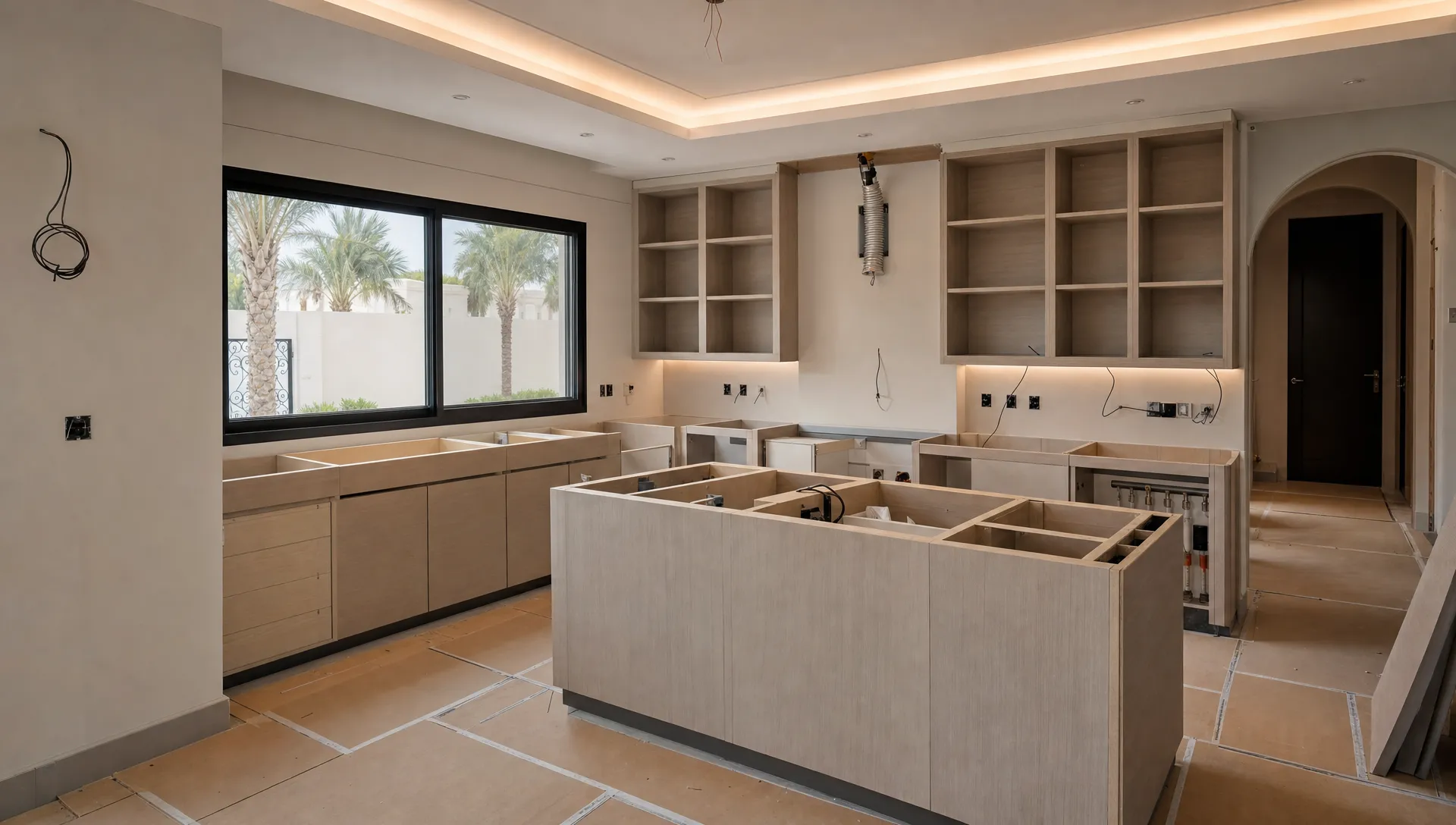
Cabinets, Countertops and Storage Details
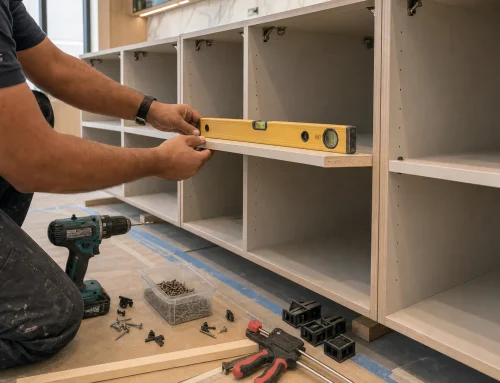
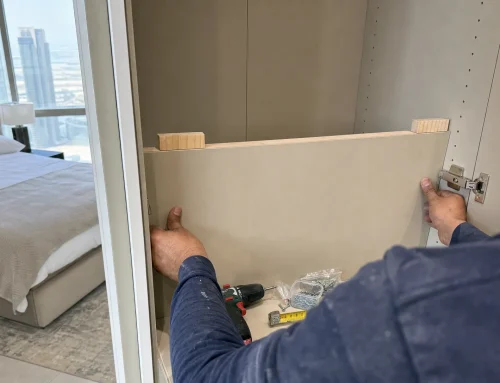
Cabinetry is usually the most visible part of a kitchen renovation, but the details behind the doors matter just as much as the exterior finish. A professional kitchen renovation service should specify carcass material, shutter finish, hinge quality, drawer runners, edge banding, handles, internal accessories and moisture resistance.
For Dubai kitchens, heat and humidity should influence material choices. Areas near sinks, dishwashers and cooking zones need proper sealing and durable boards. High-use drawers should have strong runners. Tall pantry units should be designed so shelves are accessible, not just impressive in drawings.
Countertops should be selected for both appearance and maintenance. Natural stone, quartz, porcelain and solid surfaces all behave differently under heat, staining, impact and cleaning. The contractor should explain the practical differences, measure accurately after cabinet installation and plan cutouts for the sink, hob and taps.
Storage planning should be included as part of the service, not treated as an afterthought. Deep drawers, corner systems, pull-out bins, tray dividers, spice storage and appliance garages can make a kitchen easier to use. The right choices depend on your habits, not just the size of the room.
Flooring, Backsplash, Painting and Finishing Works
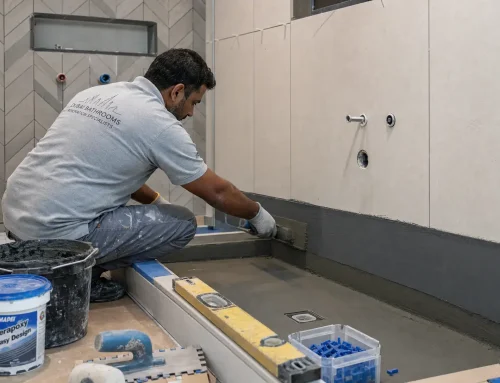
A complete kitchen renovation service should coordinate all finishing work around the kitchen installation. This can include floor tile replacement, wooden flooring transitions, backsplash installation, wall painting, ceiling repairs, gypsum work and final sealing.
The sequence matters. If flooring is installed too late, cabinet levels may be affected. If painting is completed before heavy installation, walls may need unnecessary rework. If backsplash measurements are taken too early, gaps can appear around countertops or cabinets.
Finishing work should also account for durability. Kitchen walls need washable paint or appropriate surface finishes. Backsplash tiles should be easy to clean. Floor finishes should handle spills, traffic and cleaning products. The contractor should help you choose materials that look good in a showroom and still perform well in a working kitchen.
Project Management and Trade Coordination
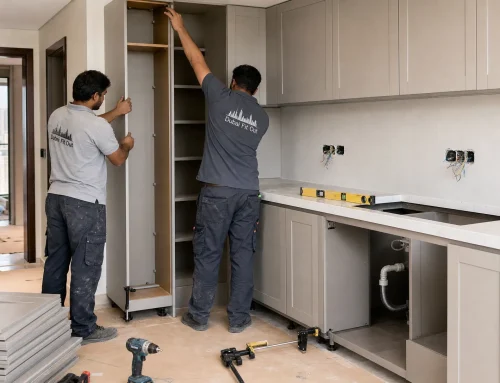
A kitchen renovation involves several trades, often in a tight sequence. Demolition, masonry, plumbing, electrical work, carpentry, countertop fabrication, tiling, painting and appliance installation all need coordination.
A professional service should include a project manager or site supervisor who schedules the trades, checks work quality, communicates changes and keeps the project moving. Without coordination, one delay can affect several later stages. For example, late countertop templating can delay sink installation, appliance connection and final handover.
The contractor should also explain how communication will work. Homeowners need to know who approves changes, how variations are priced and when key decisions must be made. A renovation should not rely on casual verbal agreements. Changes should be documented, especially when they affect price, materials or timeline.
If you are still comparing teams, these questions to ask kitchen contractors before hiring are useful for checking experience, scope clarity and project management standards.
Site Protection, Demolition and Waste Removal
Kitchen renovation is disruptive by nature, but a good contractor should limit mess and damage. The service should include protection for floors, nearby furniture, doors, lifts and common areas where relevant.
Demolition should be planned carefully. Existing cabinets, tiles, countertops and appliances may need removal without damaging surrounding walls, floors or services. In apartments, noise and debris management are especially important because neighbors and building management are involved.
Waste removal should be included or clearly excluded in the quotation. Renovation waste cannot simply be left in common areas or regular bins. The contractor should explain how debris will be removed and whether disposal charges are included.
Testing, Snagging and Handover
A kitchen is not finished when the cabinets look complete. Before handover, the contractor should test plumbing, drainage, electrical points, lighting, appliances, cabinet alignment, drawer movement, door gaps, silicone seals and ventilation.
Snagging is the process of identifying and correcting small defects before final completion. This may include paint touch-ups, uneven gaps, loose handles, silicone finishing, cabinet adjustments, tile grout corrections or appliance alignment.
The handover should also include basic care guidance. Homeowners should know how to clean countertops, protect cabinet finishes, maintain hinges and report issues if something fails after use begins. Any warranty or maintenance terms should be given in writing, with clear limits and contact details.
What Should Not Be Assumed
Many kitchen renovation disputes happen because homeowners assume something is included and contractors assume it is not. Before signing, ask directly about appliances, decorative lighting, loose furniture, permit fees, authority charges, temporary kitchen arrangements and post-renovation deep cleaning.
You should also clarify whether the contractor supplies all materials or installs client-supplied items. If you buy your own appliances, sink or tap, the contractor still needs technical specifications in advance. Dimensions, cutout sizes, power requirements and connection details can affect cabinet design and countertop fabrication.
| Possible gap | Why it causes problems | What to ask before signing |
|---|---|---|
| Appliance installation | Cabinet and countertop dimensions may not match | Are appliance connections and fitting included? |
| Approval fees | Costs can sit outside the contractor’s base quote | Who pays building or developer charges? |
| Material upgrades | Showroom choices may exceed the quoted allowance | Which exact material range is included? |
| MEP relocation | Moving services can change cost and timeline | Are new plumbing and electrical routes included? |
| Waste disposal | Debris removal may require approved handling | Is demolition waste removal included? |
| Final cleaning | Construction dust can remain after handover | Is cleaning part of the completion scope? |
Red Flags in a Kitchen Renovation Service
A contractor does not need to use complicated language to be professional. In fact, clarity is usually a better sign than sales talk. Be cautious if a kitchen renovation service has no written scope, no measurements, no material specifications and no clear timeline.
Other red flags include pressure to start immediately, reluctance to discuss approvals, unusually low pricing without itemization, unclear payment stages and no process for variations. A good contractor should be willing to explain what is included, what is excluded and where the main risks are.
The best renovation experience usually comes from a realistic scope, steady communication and careful sequencing. Kitchens involve water, electricity, heat, storage, finishes and daily routines, so the service needs to be complete enough to manage all of those parts together.
Frequently Asked Questions
What should a kitchen renovation service include? A complete kitchen renovation service should include site survey, design planning, approvals guidance, itemized quotation, MEP work, cabinetry, countertops, flooring, backsplash, painting, project management, testing, snagging and handover.
Does every kitchen renovation in Dubai need approval? Not every project needs the same approval, but many buildings and communities require management or developer coordination. Larger changes involving MEP relocation, structure or ventilation may need additional review. Your contractor should confirm what applies before work starts.
Should appliances be included in the renovation quote? Appliances are sometimes included and sometimes supplied by the homeowner. The quote should state this clearly. Even when appliances are client-supplied, the contractor needs dimensions and technical requirements before finalizing cabinets and countertops.
How detailed should a kitchen renovation quotation be? It should be detailed enough to show the exact scope, materials, finishes, labor, MEP works, timeline, exclusions and payment stages. A single lump sum with no breakdown makes it harder to compare contractors or control changes.
What is the difference between a cosmetic kitchen update and a full renovation? A cosmetic update usually changes visible finishes such as cabinet shutters, countertops or paint. A full renovation can include layout changes, new cabinets, plumbing, electrical work, flooring, lighting, ventilation and complete finishing.
Plan Your Kitchen Renovation With the Right Scope
A kitchen renovation service should give you more than a good-looking design. It should provide a clear process, coordinated trades, reliable materials and a finished kitchen that supports everyday life.
If you are planning a kitchen upgrade in Dubai, Best Renovation can help with kitchen remodeling, interior design, fit-out solutions, plumbing, carpentry, flooring and painting services. Explore the company’s kitchen renovation service in Dubai to understand how a complete approach can make your project more organized from the first survey to final handover.